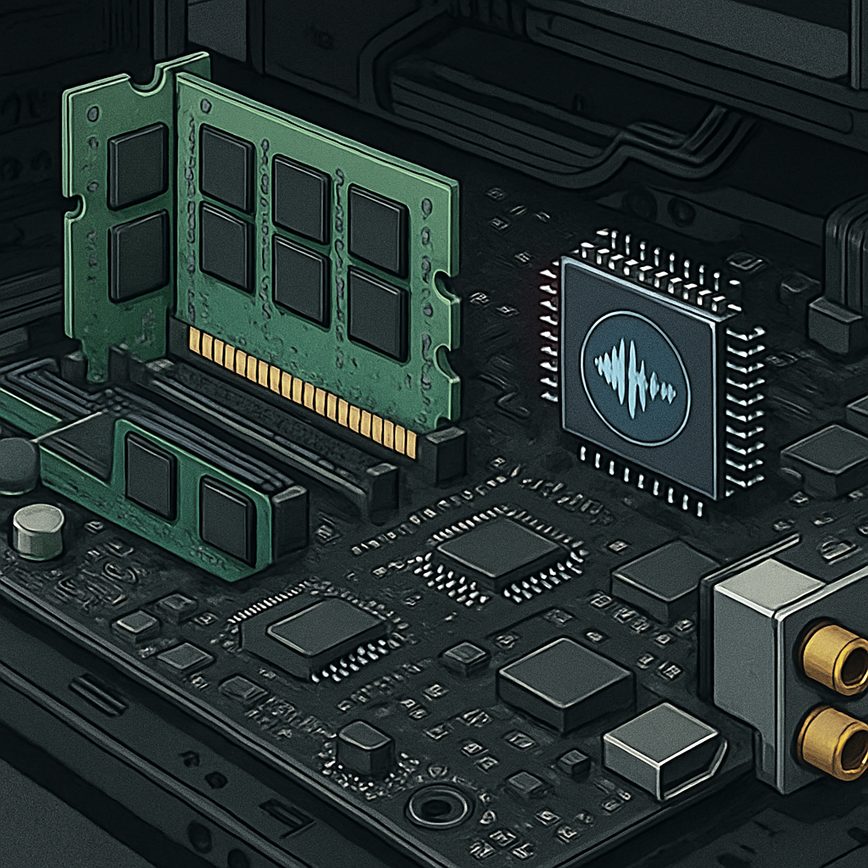
Introduction to Memory Management in Audio Systems
Effective memory management is a critical aspect of audio systems development, playing a fundamental role in the overall performance and reliability of audio processing applications. In the realm of audio systems, memory management refers to the methods and processes used to allocate, monitor, and free memory resources dynamically during the execution of audio applications. This ensures that audio data, such as sound buffers, filters, and processing parameters, is handled efficiently without causing delays or interruptions that could degrade the listening experience.
One of the primary challenges in memory management for audio systems is the real-time nature of audio processing. Audio applications must process data continuously and instantly to maintain smooth playback and prevent audio glitches. Any delays or memory leaks could lead to audio dropouts, distortion, or crashes, adversely affecting the quality and usability of the system. Therefore, developers must design systems that can manage memory with precision and speed, ensuring prompt access to the right resources at the right time.
Basic concepts of memory management in audio systems include allocation, deallocation, and memory pooling. Allocation involves reserving sufficient memory space for audio buffers and processing structures as needed. Deallocation frees unused memory to prevent leaks and optimize resource usage. Memory pooling is a technique whereby a pool of memory blocks is maintained and reused to minimize the overhead of repeatedly allocating and freeing memory, which is particularly beneficial for real-time audio processing where efficiency is paramount.
Another critical aspect is managing latency and ensuring synchronization between memory access and audio data processing. Audio systems often require low-latency performance, meaning that memory operations must be optimized to avoid holding up the audio playback or recording process. Furthermore, the complexity of managing multiple audio streams or incorporating advanced audio effects increases the memory load, necessitating sophisticated strategies to balance performance and memory usage.
In conclusion, robust memory management is essential for the smooth operation of audio systems. By understanding and implementing effective memory allocation, deallocation, and pooling techniques, developers can overcome the challenges of real-time audio processing. This leads to more responsive, stable, and high-quality audio applications that meet the demanding requirements of modern audio processing environments.
Overview of Audio Data Types and Sizes
Audio data types play a crucial role in determining memory usage and managing audio in digital systems. Common audio data types include uncompressed formats such as PCM (Pulse Code Modulation), and compressed formats like MP3, AAC, and OGG. PCM data stores raw audio samples, requiring significant memory as each sample is represented by a fixed bit depth, typically 16 or 24 bits. For example, a 16-bit stereo PCM audio sampled at 44.1 kHz consumes about 1.4 MB per minute, reflecting its high memory demand.
Compressed audio formats reduce memory usage by encoding audio data more efficiently. MP3 and AAC achieve smaller file sizes through lossy compression, which removes audio details that are less perceptible to human ears. The memory burden decreases substantially with these formats, allowing for efficient storage and streaming. However, decompressing these formats on the fly may introduce processing overhead and latency, considerations essential in memory management strategies.
Understanding the size of audio data is vital for effective memory management. Larger audio files require more RAM and storage, potentially impacting system performance, especially in real-time applications like games or live audio processing. Developers must balance audio quality and memory constraints by choosing appropriate audio formats and bit rates. Efficient memory management ensures smoother audio playback and system stability, making knowledge of audio data types, sizes, and their memory requirements indispensable for audio programming and development.
Common Memory Management Challenges in Audio
In audio processing, several memory management challenges arise that can significantly impact performance and user experience. One of the most critical issues is memory leaks, which occur when a program fails to release memory that is no longer needed. Over time, these leaks accumulate, causing increased memory usage and potentially leading to application crashes. Identifying and fixing memory leaks is essential in audio applications to maintain smooth and continuous playback.
Buffering problems are another common challenge. Audio data is often processed in chunks or buffers, and improper handling can lead to buffer overflows or underflows. Buffer overflows happen when more data is written to a buffer than it can hold, leading to corrupted data or crashes. Conversely, buffer underflows occur when the buffer runs out of data during playback, causing audio dropouts or glitches. Efficient buffer management is critical to preserving audio quality and ensuring seamless streaming or playback.
Latency issues also pose a significant challenge in memory management for audio. Latency refers to the delay between audio input and its output, and excessive latency can disrupt real-time audio processing applications such as live performances or communication tools. Latency often arises due to inefficient memory allocation and copying routines. Optimizing memory usage and minimizing unnecessary copies help reduce latency, resulting in a more responsive audio experience.
Overall, addressing memory leaks, buffering problems, and latency issues is vital for reliable and high-quality audio processing. Developers must carefully design memory management strategies to handle these challenges and maintain optimal application performance.
Techniques for Efficient Audio Memory Management
Optimizing memory use in audio applications is crucial for ensuring smooth performance and minimizing latency. Effective memory management techniques not only enhance the listening experience but also extend the capabilities of the system handling audio processing. There are several key strategies to consider when aiming for memory optimization in audio environments.
One fundamental approach is buffer management. Buffers temporarily hold audio data before it is processed or played back, so using them efficiently prevents audio glitches and reduces memory overhead. Proper buffer sizing—neither too small nor too large—is essential. Small buffers may lead to frequent CPU interruptions, while large buffers consume excessive memory and increase latency. Employing dynamic buffer resizing can adapt to varying workloads and optimize both performance and memory usage.
Another important technique is leveraging memory pools for audio data allocation. Instead of repeatedly allocating and freeing memory during runtime, which can lead to fragmentation and inefficiencies, memory pools allocate a block of memory upfront. This reserved memory can then be reused for multiple audio buffers or processing tasks, significantly improving memory allocation efficiency and reducing fragmentation.
For applications involving audio streaming, managing incoming and outgoing data streams efficiently is vital. Implementing circular buffers or ring buffers allows continuous streaming of audio data without the need for frequent memory allocations. This setup supports seamless playback and recording while controlling memory usage, as the buffer size can be optimized based on the data rate and latency requirements.
Additionally, applying data compression techniques when possible helps reduce memory demands. Compressed audio formats require less storage and memory, enabling applications to handle larger audio libraries or streams without overloading system resources. However, it is important to balance compression with processing power, as decompression requires CPU cycles, which may impact real-time audio processing.
Finally, leveraging hardware acceleration and optimized audio APIs can further enhance memory optimization. Modern audio frameworks often provide tools and functions designed to minimize memory footprint and optimize buffer handling, allowing developers to focus on application logic rather than low-level memory management.
By combining these best practices—careful buffer management, using memory pools, efficient audio streaming techniques, data compression, and hardware optimization—developers can achieve effective memory optimization in audio applications, resulting in improved performance, reliability, and user experience.
Buffer Management and Allocation Strategies
Efficient memory allocation and buffer management are vital for optimizing audio processing systems. To reduce latency and prevent memory waste, audio buffers must be allocated thoughtfully and managed dynamically. Instead of allocating large fixed-size buffers, use variable buffer sizes tailored to the application’s current needs. This approach helps to minimize unused memory while maintaining low latency, as smaller buffers can be processed faster, improving real-time audio responsiveness.
One common technique is to implement a buffer pool that preallocates a set of reusable audio buffers. By recycling these buffers instead of constantly allocating and freeing memory, you reduce costly memory fragmentation and allocation overhead. This buffer management strategy helps maintain stable memory usage and ensures timely availability of buffers during high-demand periods.
Another key consideration is aligning memory allocation with hardware architecture, such as cache line sizes, to enhance processing efficiency. Audio buffers should also be allocated in contiguous memory regions to facilitate faster data transfer and reduce CPU cache misses. Proper synchronization mechanisms must govern access to shared buffers in multi-threaded audio applications, preventing data corruption without introducing significant latency.
In summary, optimizing audio buffers through dynamic allocation, buffer pooling, and hardware-aware memory placement improves buffer management considerably. These strategies contribute to lower latency and efficient memory use, critical for delivering high-quality audio performance.
Using Compression and Data Reduction Methods
Audio compression plays a crucial role in memory management by significantly reducing the size of audio files without compromising the quality of sound. By applying various audio compression algorithms, it is possible to minimize memory usage, making it an essential technique for systems with limited storage capacity or memory resources.
Data reduction methods focus on removing redundant and irrelevant audio data, which directly translates to memory savings. Lossless compression algorithms preserve original data perfectly but achieve moderate memory savings, while lossy compression techniques sacrifice some inaudible information for much higher compression ratios. Choosing the right balance between compression level and audio fidelity is key for optimal memory management.
Implementing audio compression during processing or transmission helps in reducing bandwidth requirements and storage needs, which enhances overall system performance. Efficient data reduction ensures that memory is used effectively, allowing more audio assets to be stored or streamed simultaneously without degradation in user experience.
In summary, audio compression and data reduction methods are fundamental strategies for minimizing memory usage in audio applications. They enable significant memory savings while maintaining high sound quality, ultimately improving the efficiency and scalability of audio systems.
Tools and Best Practices for Audio Memory Management
Effectively managing memory in audio applications is critical for delivering smooth, high-quality sound experiences without interruptions or crashes. To achieve this, developers must adopt robust tools and best practices focused on memory profiling and debugging. These methodologies enable the monitoring, profiling, and optimization of memory usage, ensuring audio applications run efficiently even under heavy workloads.
Memory profiling tools provide a detailed view of how memory is allocated and used throughout the lifecycle of an audio application. Popular profilers such as Valgrind, Instruments (on macOS), and Visual Studio’s Diagnostic Tools give developers insights into memory usage patterns, leaks, and fragmentation. These tools track memory allocations specific to audio buffers and processing threads, helping to identify bottlenecks and unnecessary memory consumption.
In addition to profiling, debugging tools designed for audio applications help trace and fix memory-related issues. Instruments like AddressSanitizer and MemorySanitizer can detect invalid memory accesses and uninitialized memory reads that often lead to audio glitches or crashes. Using these debugging tools during development can catch subtle bugs early, improving the overall reliability and stability of the application.
Best practices for audio memory management revolve around efficient allocation strategies and minimizing runtime memory fragmentation. Techniques such as using memory pools and pre-allocating buffers eliminate the overhead of frequent dynamic memory allocation and deallocation, important in real-time audio processing. Additionally, developers should carefully manage the lifespan of audio assets and promptly release memory when it is no longer needed to avoid leaks.
It is also crucial to continuously monitor memory usage during both development and production by integrating profiling hooks or telemetry within the application. This ongoing monitoring helps detect anomalies early and provides real feedback to refine memory management approaches. Using a combination of comprehensive memory profiling, debugging tools, and disciplined best practices leads to optimized audio applications that are both performant and robust.
Memory Profiling and Debugging Tools
Effective memory profiling and debugging are critical in audio development to ensure optimal performance and prevent leaks. Several key tools assist developers in identifying and resolving memory-related issues during the creation of audio applications.
- Valgrind: A powerful open-source tool that detects memory leaks, memory corruption, and improper memory use. It is widely used for memory profiling in audio development to catch issues that could degrade performance or cause crashes.
- Instruments (Apple): Available for macOS and iOS, this profiling tool includes memory usage and leak detection features, allowing developers to monitor audio applications in real-time and pinpoint memory bottlenecks.
- Visual Studio Diagnostic Tools: For Windows-based audio development, Visual Studio offers integrated memory profiling and debugging tools that help trace memory allocation and identify leaks or excessive usage in complex audio projects.
- Android Profiler: Specifically designed for Android audio applications, this tool monitors memory usage, garbage collection, and allocation to help optimize audio performance on mobile devices.
- Deleaker: A memory profiler that supports multiple platforms and IDEs, providing detailed analysis of leaks, including those specific to audio buffers and streams, which is essential for high-performance audio applications.
Utilizing these memory profiling and debugging tools enables audio developers to maintain efficient memory usage, improve application stability, and enhance the overall user experience by minimizing latency and crashes.
Best Practices for Maintaining Audio Memory Health
To maintain efficient audio memory health, it is crucial to implement optimization techniques that minimize memory consumption and prevent common issues such as memory leaks. Start by regularly profiling your audio application to identify and resolve memory inefficiencies. Use tools designed for memory profiling to monitor resource allocation and deallocation accurately.
One of the best practices is to manage audio buffers intelligently, ensuring that unused or obsolete buffers are promptly released. Avoid loading large audio files entirely into memory when streaming or chunking can be applied instead. This approach significantly reduces memory usage and allows better performance tuning tailored to your application’s needs.
Another key aspect is to carefully handle memory leaks, which can degrade performance and cause crashes over time. Use automated testing and code reviews to detect leaks early in the development cycle. Implement consistent cleanup routines for audio resources and avoid persistent references that prevent garbage collection.
Finally, adopt performance tuning practices such as prioritizing audio processing tasks, optimizing sample rates, and leveraging hardware acceleration when possible. Combining these steps will help you avoid common pitfalls, sustain optimal audio memory usage, and deliver a seamless user experience.

I’ve been playing video games since I was a kid, and that passion naturally led me to explore how they’re made. I love diving into game design concepts and sharing insights with fellow enthusiasts. When I’m not testing new titles, I’m tinkering with Unity and learning new programming tricks.