Common Audio Challenges Faced by Indie Game Developers
Indie game audio development presents a unique set of challenges that can often hamper the sound design process. One of the most significant hurdles faced by indie developers is budgeting. Unlike large studios with dedicated audio teams and high-end equipment, indie developers typically operate with limited financial resources. This restriction means they must find cost-effective solutions for sourcing or creating sound assets, often relying on free or affordable sound libraries, which might not perfectly align with their game’s vision. Additionally, investing in professional audio tools or hiring skilled sound designers can be prohibitively expensive for many indie projects.
Technical limitations also pose considerable obstacles in indie game audio. Indie developers frequently work within tight constraints related to the game engine, hardware capabilities, and platform specifications. These limitations can restrict audio quality, file size, and the complexity of sound integration. For instance, some indie games designed for mobile platforms may need highly compressed audio, which impacts fidelity. Moreover, achieving dynamic and responsive audio systems that adapt in real-time to gameplay events can be challenging without advanced audio middleware expertise or tools.
Another common audio challenge lies in the lack of expertise among indie developers. Many indie teams consist of small groups or even solo creators who may not have formal training in sound design or audio engineering. This lack of specialized knowledge can lead to basic game audio issues such as poor mixing, inconsistent volume levels, or ineffective use of spatial audio techniques. Without a clear understanding of sound design principles, indie developers might struggle to create immersive and emotionally impactful audio experiences, which are essential elements in modern game development.
In summary, indie game audio development is fraught with audio challenges ranging from tight budgets to technical constraints and limited expertise. Addressing these sound design problems requires creativity, resourcefulness, and sometimes embracing simpler audio solutions to ensure the game audio supports the overall player experience effectively. Despite these obstacles, many indie developers successfully navigate game audio issues to produce memorable and engaging soundscapes that enhance their titles.
Limited Budget and Resources
Budget constraints greatly influence the audio quality in indie games. With limited funds, developers often struggle to afford professional sound production, which can lead to simpler or lower-quality audio experiences. The cost of audio production—including recording, mixing, and mastering—can exceed what many indie teams are able to allocate, forcing compromises on the overall sound design. Additionally, hiring skilled composers to create original scores is frequently out of reach for projects with tight financial resources. Many indie developers must rely on royalty-free music or create their own limited soundtracks, which may not fully capture the game’s emotional depth or tone.
Moreover, constrained budgets impact the ability to purchase advanced audio software and assets. Professional tools and plugins that enhance sound quality or provide innovative audio effects often come with expensive licenses, and indie developers must prioritize spending carefully. They may resort to free or lower-cost alternatives, which might lack the features needed for high-quality audio production. This limitation extends to the acquisition of sound libraries and samples, where restricted resources limit the variety and richness of audio assets available to the development team.
Overall, indie game resources are stretched thin, making it a constant challenge to balance financial realities with the desire to deliver immersive and polished audio. These budget constraints shape many of the creative decisions in indie game audio, compelling teams to find innovative and cost-effective solutions without sacrificing the player’s auditory experience.
Technical Constraints and Platform Limitations
Indie game audio developers frequently face significant technical audio challenges due to limited memory and processing power available on many platforms. Unlike large studios with extensive resources, indie creators must optimize sound assets to fit within strict memory constraints, which often means compressing audio files, reducing sample rates, or limiting the number of simultaneous sound effects. These compromises can impact overall audio quality but are essential to ensure smooth performance.
Platform audio limits also vary widely across devices, from mobile phones and low-end PCs to dedicated handheld consoles. Each platform imposes different restrictions on audio channels, supported formats, and audio APIs, which developers must carefully navigate. This diversity requires flexible audio implementations that can adapt dynamically to the hardware capabilities detected at runtime. Failure to do so may lead to audio glitches, playback issues, or excessive CPU load, disrupting the player experience.
Moreover, indie game hardware diversity necessitates prioritizing audio elements to balance quality and performance. Developers often design layered soundscapes where less critical sounds can be downgraded or skipped altogether on less capable systems. Despite these hurdles, thoughtful management of technical audio challenges allows indie games to deliver immersive sound even within the confines of platform limitations, enriching gameplay without overtaxing limited resources.
Strategies to Overcome Indie Game Audio Challenges
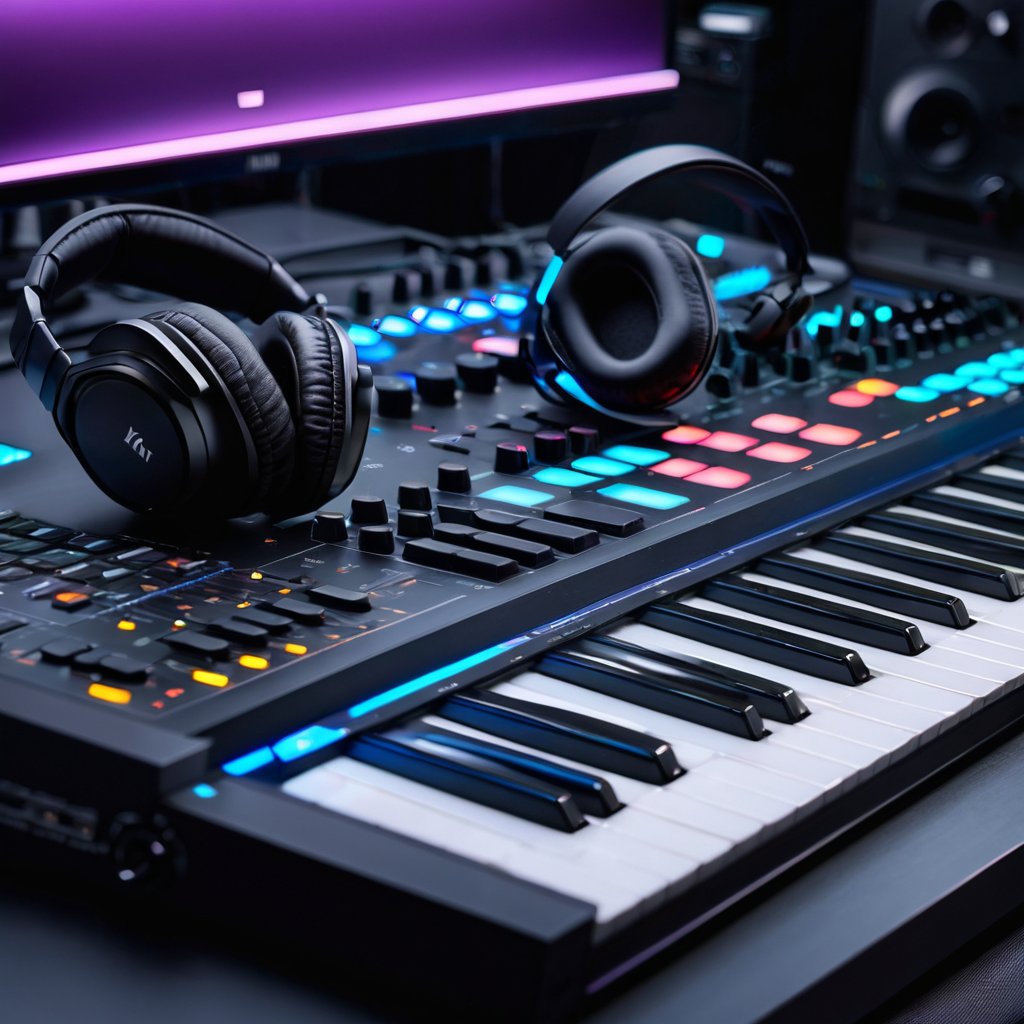
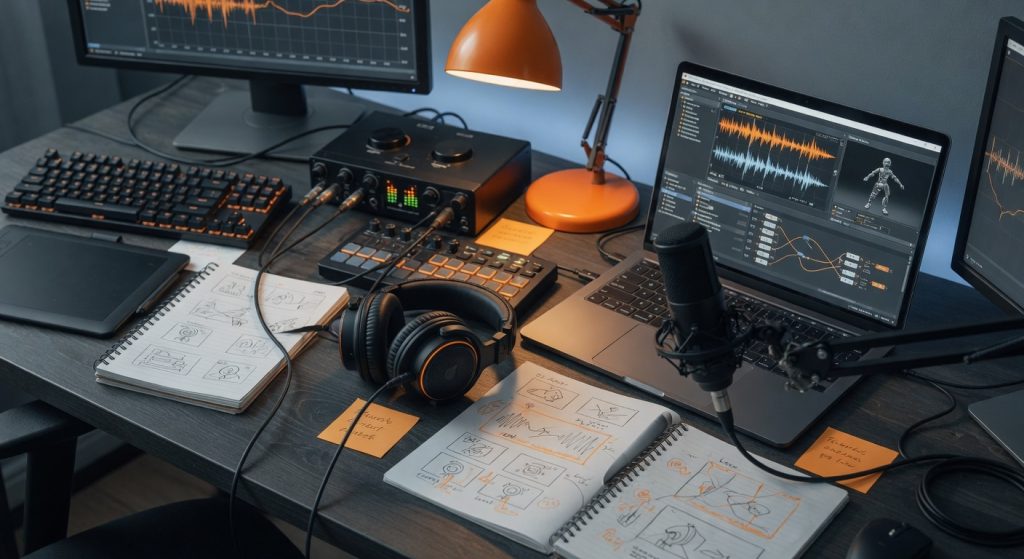
Indie game developers often face unique audio challenges due to limited budgets, small teams, and tight deadlines. However, with the right audio solutions and strategic approaches, these hurdles can be effectively managed. One practical method is leveraging specialized tools designed for indie developers. Affordable or even free digital audio workstations (DAWs) like Audacity, Reaper, or LMMS provide robust capabilities for sound design and editing without the need for expensive licenses. Additionally, middleware such as FMOD or Wwise allows for dynamic audio integration, enabling developers to implement interactive soundscapes that react to gameplay in real time. These tools streamline workflows and help maintain a high audio quality standard.
Establishing efficient workflows is critical in overcoming audio problems. Indie developers can benefit greatly from structured project management methods, including clear milestones for audio asset creation, review, and implementation. Utilizing version control systems for audio files ensures changes are tracked and previous versions can be restored if necessary. This meticulous organization minimizes errors and keeps the audio pipeline smooth from concept to implementation. Another workflow tip is to create reusable asset libraries tailored to the game’s style, which accelerates future development phases and maintains audio consistency across the project.
Collaboration also plays a significant role in indie game sound strategies. Even small indie teams can optimize their audio quality by involving external specialists or communities. Partnering with freelance composers, sound designers, or voice actors can elevate the audio experience without the overhead of full-time hires. Furthermore, online forums and audio-focused communities often offer valuable feedback, resources, and networking opportunities. Clear communication within the team about audio goals and constraints ensures everyone is aligned and contributes effectively to the final sound design.
In summary, the key to audio problem solving in indie games lies in using accessible audio solutions, maintaining organized workflows, and fostering collaborative efforts. By adopting these game audio tips, indie developers can create immersive soundscapes that enhance game experiences without overwhelming their limited resources. This holistic approach not only addresses audio challenges but also fosters creative innovation within indie game production.
Efficient Use of Audio Middleware and Tools
For indie game developers, selecting the right audio middleware and sound design tools can significantly streamline the audio production and game audio implementation process. Popular audio middleware such as FMOD and Wwise offer powerful integration with many game engines, allowing indie teams to efficiently manage complex audio behaviors without extensive coding. These tools provide visual scripting systems that simplify interactions between sound effects, music, and gameplay events.
Alongside middleware, sound design tools like Ableton Live, Reaper, and Audacity are widely used in the indie game community due to their robust feature sets and affordability or free access. These programs enable creators to produce high-quality audio assets, manipulate sounds, and experiment with textures before importing the audio into middleware or directly into the game engine. Using dedicated audio software helps maintain a smooth workflow, reducing the time spent on troubleshooting and improving overall sound quality.
Implementing audio with middleware also provides flexibility for adaptive music and dynamic sound effects, enhancing player immersion without overburdening the development team. For smaller teams or solo developers, the combination of accessible sound design tools and effective audio middleware solutions is crucial in achieving professional-level game audio while managing limited resources.
Collaborating with Freelancers and Audio Communities
Working with audio freelancers offers indie game developers a flexible and efficient way to enhance their game’s soundscape. Freelance composers and sound designers bring specialized skills and fresh perspectives that can elevate the audio experience without the long-term commitment or costs associated with a full-time hire. This collaboration allows developers to access a diverse range of talents and styles tailored to their specific project needs.
Outsourcing audio tasks to freelancers can also speed up production timelines, as these professionals often work on multiple projects simultaneously and can adapt quickly to changes. Additionally, engaging with the indie game sound community opens doors to valuable networking opportunities, peer feedback, and support, helping developers stay updated on the latest audio trends and technologies.
Several platforms and communities make it easier to connect with audio freelancers. Websites like Upwork, Fiverr, and SoundBetter host profiles of skilled composers and sound designers who specialize in gaming audio. For more niche connections, forums and social media groups dedicated to the indie game sound community, such as the Game Audio Network Guild (GANG) and specialized Discord servers, are excellent resources for finding collaborators passionate about indie games.
Embracing collaboration with freelance audio professionals and the broader indie game sound community not only enriches a game’s auditory experience but also supports a dynamic ecosystem where creativity and innovation thrive.
Importance of Audio in Enhancing Indie Game Experience
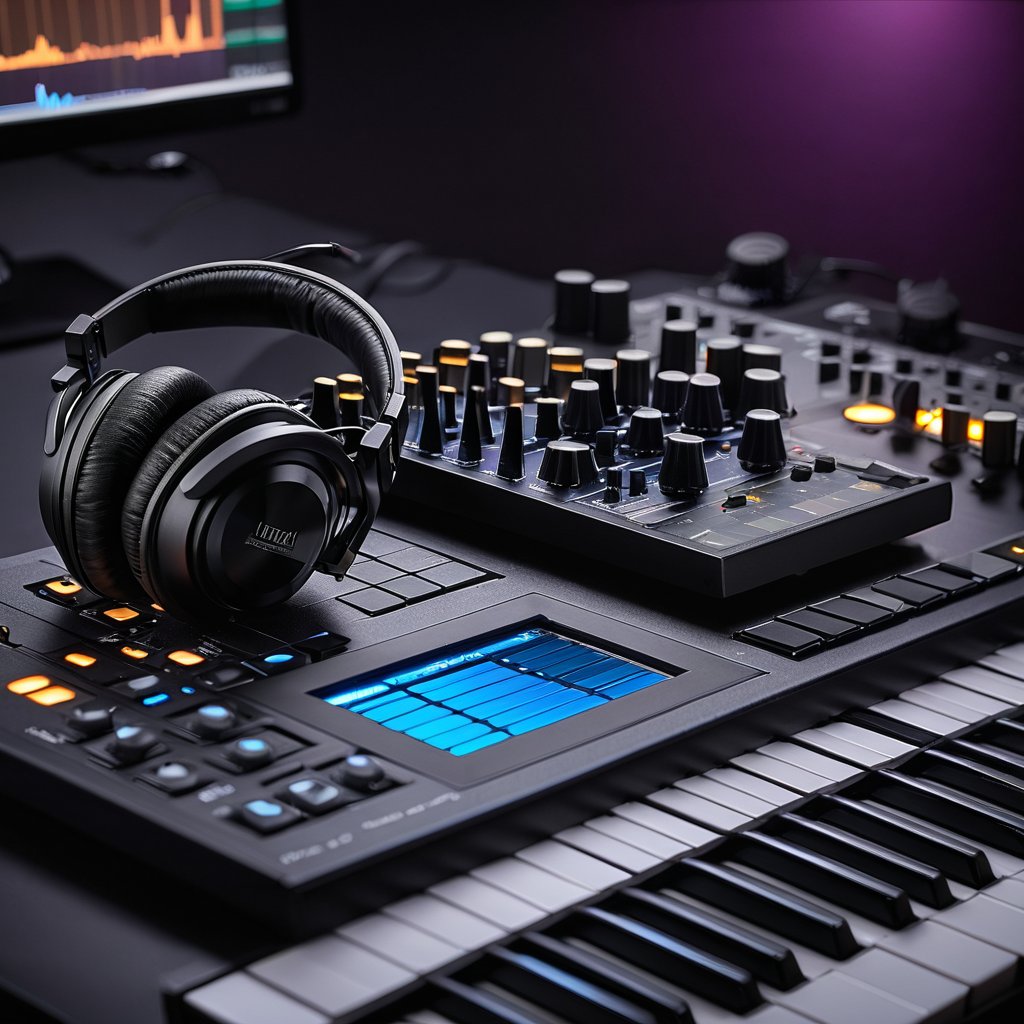
Game audio importance in indie games cannot be overstated when it comes to creating an immersive and engaging experience for players. Unlike blockbuster titles with massive budgets, indie developers often rely heavily on well-crafted audio to elevate their games beyond just visuals and mechanics. Sound impacts player perception by deepening the emotional connection and making the gameplay world feel alive and responsive.
Well-executed audio is a fundamental driver of indie game immersion. Background music, environmental sounds, and carefully designed sound effects work together to establish the mood and atmosphere, drawing players into the narrative and gameplay environment. Whether it’s the subtle rustling of leaves, the tension-building soundtrack, or the distinct audio cues indicating player actions or threats, sound helps players feel present within the game space.
Moreover, audio storytelling plays a critical role in indie games where narrative depth is often conveyed through auditory means. Voice-overs, dialogues, and soundscapes can communicate story elements and character emotions efficiently, sometimes even compensating for limited visual resources. This method allows developers to enrich the storytelling experience, making it more vivid and emotionally resonant.
The impact of sound on player engagement can be profound. Interactive audio elements respond directly to player inputs and game events, reinforcing their sense of agency within the game world. Effective use of sound feedback guides players intuitively, improves gameplay mechanics recognition, and heightens emotional responses during key moments, thus maintaining sustained attention and investment in the game.
In summary, the importance of game audio in indie titles lies in its powerful ability to transform simple visual and interactive elements into a cohesive and emotionally compelling experience. Sound enhances storytelling, enriches immersion, and boosts player engagement, making it essential for indie developers seeking to captivate their audience and leave a lasting impact through their games.
Audio’s Role in Emotional and Narrative Engagement
In indie games, emotional audio plays a crucial role in deepening the narrative and enhancing player engagement. Unlike big-budget titles, indie developers often rely on innovative soundscapes and narrative sound design to tell their stories more intimately and evocatively. Carefully crafted sound effects and music cues guide players through the emotional arcs of the game, making each moment more poignant and memorable.
Immersive audio techniques create an atmospheric space where players feel truly connected to the game’s world and its characters. By using ambient sounds, subtle musical themes, and dynamic audio cues that respond to player actions, indie games draw players into the story, making the emotional beats resonate more powerfully. This helps transform gameplay into an experience rich with emotional texture.
Game storytelling benefits immensely from narrative sound that highlights key plot points or character emotions without overwhelming the visuals or dialogue. Through the strategic use of sound layers and motifs, audio reinforces story elements and builds tension, empathy, or even anticipation. This synthesis of sound and story is essential in indie games, where narrative delivery often hinges on emotional immersion to captivate audiences.
Ultimately, audio is not just a background element but a vital storytelling tool that evokes emotions and strengthens narrative impact. For indie developers, mastering emotional audio and narrative sound design is a powerful way to create memorable, immersive experiences that resonate deeply with players long after the game ends.

I’ve been playing video games since I was a kid, and that passion naturally led me to explore how they’re made. I love diving into game design concepts and sharing insights with fellow enthusiasts. When I’m not testing new titles, I’m tinkering with Unity and learning new programming tricks.