Introduction to RPG Sound Design
RPG sound design plays a pivotal role in crafting immersive and engaging experiences for players within role-playing games. Unlike many other game genres, RPGs often emphasize story, character development, and expansive worlds, making sound an essential element that enriches these aspects. By carefully designing the audio landscape, game developers create an environment where players feel truly part of the game’s universe, enhancing both immersion and storytelling.
At its core, RPG sound design involves the creation and integration of various audio elements such as background music, environmental sounds, character voices, sound effects, and ambient noise. These audio layers work in harmony to support the narrative, guide player emotions, and provide feedback on their actions. For instance, a mysterious, haunting melody can set the tone for exploring an ancient ruin, while dynamic sound effects can signal critical moments in combat or dialogue.
One of the most important functions of sound in RPGs is enhancing immersion. Through detailed game audio basics—such as spatial audio positioning and adaptive music—sound design helps players feel connected to the game’s world. This connection makes the virtual world more believable and alive, which is crucial for role-playing games where exploration and interaction are fundamental. Sounds of rustling leaves, distant footsteps, or subtle changes in the soundtrack’s intensity can subconsciously indicate changes in the environment or story, deepening player engagement.
Furthermore, RPG sound design significantly contributes to storytelling. Audio cues can highlight story arcs, character emotions, and dramatic tension without relying solely on visual or textual information. Character voices bring NPCs to life, making conversations more impactful and personalized. Musical themes can symbolize factions, locations, or characters, creating an auditory language that complements the narrative structure. In this way, sound design becomes a storytelling tool that adds depth and emotion to the player’s journey.
In summary, effective RPG sound design is indispensable for crafting compelling role-playing game sound experiences. It strengthens immersion, conveys story elements, and enriches gameplay through a well-rounded soundscape that supports the game’s artistic and narrative goals. Understanding and mastering the basics of game audio in RPGs is essential for any developer or sound designer aiming to create memorable and engaging role-playing adventures.
Unique Challenges in RPG Audio
RPG audio challenges are unique due to several factors that set these games apart from other genres. One of the most significant hurdles is the creation of dynamic soundscapes that must seamlessly adjust to vast and often open-world environments. Unlike linear games, RPGs require audio systems that can evolve in real-time based on the player’s location, actions, and interactions with the world, demanding a more complex and layered approach to sound design.
Player choices in RPGs further complicate the task, as every decision can affect the narrative and atmosphere, necessitating adaptive music and sound effects that respond fluidly to these branching paths. Sound designers need to consider multiple outcomes and states, designing audio elements that can transition smoothly to maintain immersion without becoming repetitive or disjointed.
Adaptive music is especially essential in RPGs, where the soundtrack must support varying gameplay moods—from exploration to combat to emotional story moments—without abrupt changes that might disrupt the player’s experience. This requires a deep integration between audio and game mechanics, often involving intricate scripting and real-time audio middleware solutions. Together, these elements make RPG audio design a challenging but rewarding discipline, where creativity meets technical precision to bring expansive, living worlds to life.
Key Components of RPG Sound Design
RPG sound design is a multifaceted discipline that brings virtual worlds to life through the strategic use of sound effects, ambient sounds, music composition, and voice acting. Each element plays a crucial role in immersing players and enhancing their emotional connection to the game.
Sound effects provide immediate auditory feedback for player actions, environmental interactions, and combat sequences. These sounds must be meticulously crafted and synchronized to create a believable and responsive experience, helping players feel grounded within the game world.
Ambient sounds add layers of atmosphere by replicating natural and environmental audio cues such as rustling leaves, distant thunder, or bustling marketplaces. This continuous background audio fosters immersion by making the game space feel alive and dynamic, even when the player is not actively engaged in specific events.
Music composition in RPGs is designed to evoke emotions and set the tone for various scenarios. From eerie dungeon themes to triumphant battle anthems, the score dynamically supports the narrative and gameplay pacing, enhancing the player’s journey and emotional engagement throughout the adventure.
Voice acting provides personality and depth to characters, transforming text and scripted dialogue into memorable interactions. Skilled voice performances enrich storytelling by conveying emotion and intent, thereby making characters more relatable and the narrative more compelling.
When combined effectively, sound effects, ambient sounds, music composition, and voice acting create a cohesive soundscape that elevates the RPG experience, making every interaction feel meaningful and every environment more believable.
Techniques and Tools for RPG Sound Creation
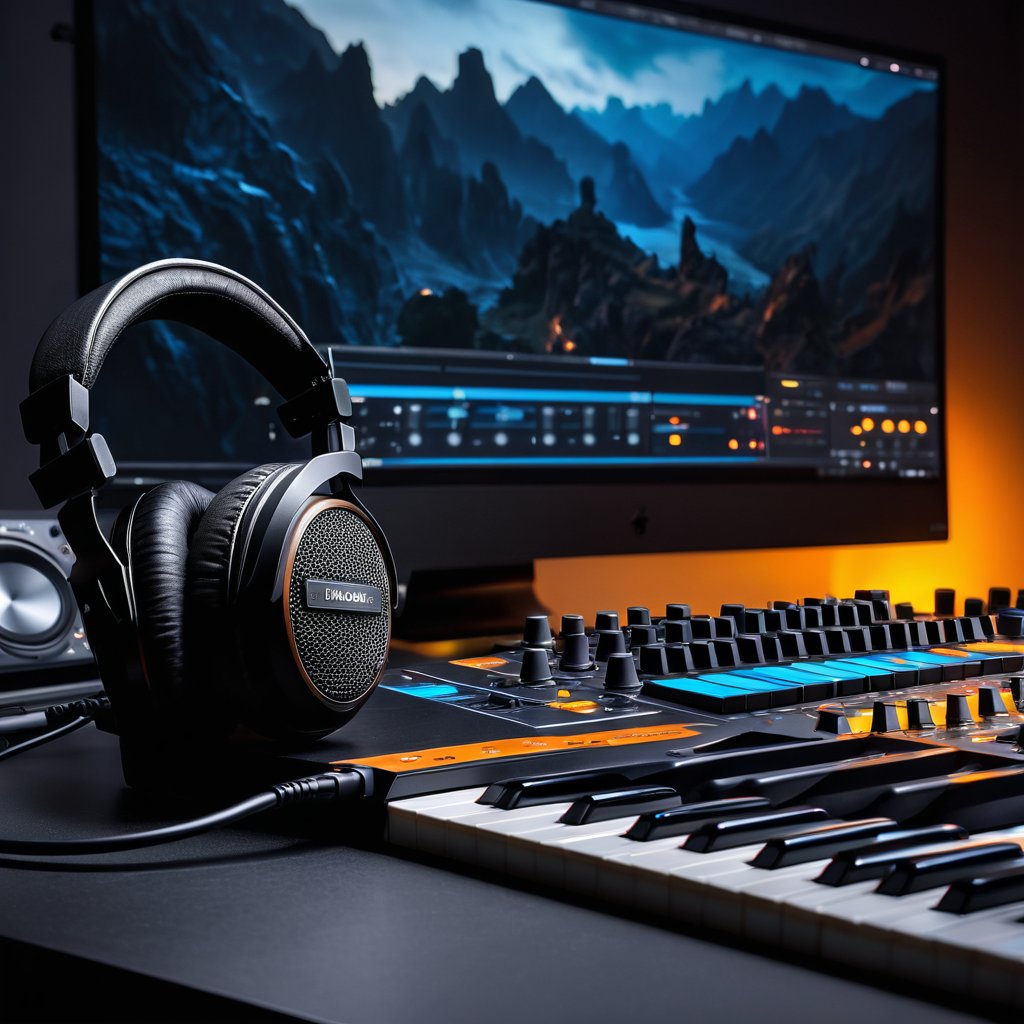
Sound design techniques are integral to crafting immersive RPG soundscapes that truly elevate the player’s experience. Among the most common methods employed in RPG sound production is field recording, where real-world sounds are captured to bring authentic environmental and ambient audio into the game. Whether it’s the rustling of leaves, distant thunder, or footsteps on different surfaces, field recording offers unique and organic sound assets that synthetic methods might struggle to replicate naturally.
Synthesis is another critical technique widely used in RPG sound creation. Using software synthesizers, sound designers can create rich, dynamic audio effects that are either impossible or impractical to record live. This ranges from magical effects and futuristic weapon sounds to character voice modulation and atmospheric textures. Tools like Native Instruments’ Massive, Xfer Serum, and Logic Pro X’s Alchemy allow for deep sound manipulation, enabling designers to tailor sounds specifically for the context within the game.
In addition to sound capturing and synthesis, middleware integration plays a crucial role in seamlessly implementing audio assets into RPGs. Middleware software such as Wwise and FMOD allows sound designers to trigger sounds dynamically within the game environment, ensuring responsive and adaptive audio experiences. This integration supports advanced features such as parameter-driven sound variations, spatial audio positioning, and interactive music systems that change based on gameplay, creating a more engaging and immersive atmosphere.
The combination of these sound design techniques and audio tools facilitates the creation of rich, multi-layered soundscapes essential to RPGs. Field recording brings the authenticity of the physical world, synthesis provides unlimited creative possibilities, and middleware bridges the gap between sound production and in-game implementation. Mastering these elements is key to producing compelling audio that enhances storytelling and player immersion in RPG sound production.
Using Middleware for Dynamic Audio
Audio middleware such as FMOD and Wwise have become essential tools in RPG sound design, enabling developers to create interactive and adaptive soundscapes that respond dynamically to gameplay. These middleware solutions act as intermediaries between the game engine and audio assets, providing robust frameworks to manage complex audio behaviors without constantly modifying the game code itself.
In RPGs, where player choices, environments, and scenarios can vary widely, the ability to dynamically control sound is critical for immersion. FMOD and Wwise allow sound designers to implement interactive sound elements that change based on in-game events, character states, or player actions. For example, as a player enters a dense forest, the ambient sounds can gradually shift with layered environmental effects. When combat initiates, the soundtrack and sound effects can seamlessly transition to more intense audio cues, all controlled in real-time by the middleware.
These tools provide sophisticated audio event systems, parameter-based controls, and real-time mixing that make the sound adapt naturally to the evolving gameplay. By integrating audio middleware, RPG developers ensure a more engaging auditory experience through context-sensitive music, procedural sound variations, and spatial audio effects that keep players deeply connected to the game world.
Sound Effect Design and Implementation
Designing and implementing sound effects for RPG settings is a meticulous process that enhances the immersive experience of the game world. The design process begins with understanding the environment and the context in which the sound will be used, ensuring that the effects align with the narrative and visual elements. Sound designers create unique audio assets tailored specifically to the RPG’s atmosphere, whether it’s the clashing of swords, rustling of leaves, or magical spells.
A key technique in sound effect design is layering. By combining multiple sound layers, designers can create rich, complex effects that feel more realistic and dynamic. For example, the sound of a dragon’s roar might include layers of animal growls, wind, and low-frequency rumbles to add depth and power. Layering allows for greater variation and customization, helping sounds to evolve naturally within the game.
Implementation involves placing these sound effects into the game environment with careful attention to spatialization. Spatialization techniques position sounds in a three-dimensional space relative to the player’s perspective, enhancing immersion. Proper spatial audio allows players to detect the direction and distance of sound sources, which is critical in RPGs for gameplay and storytelling. Using middleware tools and game engines, sound designers integrate these effects so they respond dynamically to player actions and environmental changes.
Ultimately, the combination of thoughtful design and technical implementation ensures that sound effects not only complement the RPG but also become an integral part of the player’s journey.
Best Practices and Trends in RPG Sound Design
In the evolving landscape of RPG sound design, adhering to best practices is essential to create immersive audio experiences that captivate players. One foundational approach is the meticulous layering of ambient sounds, which helps build a dynamic and believable game world. Instead of static audio loops, designers use adaptive soundscapes that respond to player actions and environmental changes, enhancing immersion and engagement.
Another best practice involves integrating high-quality, context-sensitive sound effects for character actions, spells, and combat. These sounds not only provide feedback but also contribute emotionally, enriching storytelling and player connection. Clear audio cues guide players through complex environments and signal important gameplay events, improving usability and flow.
The trend toward procedural audio generation and real-time sound manipulation is reshaping how sound is employed in RPGs. This technique allows sounds to evolve dynamically based on game variables, reducing repetition and increasing variety. As hardware capabilities expand, developers are implementing spatial audio technologies to simulate three-dimensional sound environments, giving players a heightened sense of presence.
Emerging RPG sound trends also include the purposeful use of silence and minimalistic sound design. Strategically placed silence can heighten tension, create contrast, and draw player attention to crucial narrative moments. Minimalism often complements darker, more introspective game themes, allowing sound to amplify emotional depth without overwhelming the scene.
Looking ahead, the future of sound design in RPGs points towards deeper integration with AI and machine learning to create personalized audio experiences. These tools can tailor sound environments and music dynamically to suit individual player preferences and play styles. Coupled with advancements in hardware like VR and AR, RPG sound design continues to push the boundaries of immersive audio, making player experiences richer and more memorable than ever before.
Creating Immersive and Adaptive Soundscapes
To build truly immersive audio environments in RPGs, sound designers must focus on creating adaptive music and environmental sounds that respond dynamically to player actions and in-game events. One effective technique involves layering environmental sounds—such as rustling leaves, distant animal calls, or ambient wind—that shift in intensity and complexity based on the player’s location and the game’s current scenario, enhancing realism and player engagement.
Adaptive music plays a crucial role in reinforcing the emotional narrative of the game. By implementing systems that alter musical themes or switch between variations seamlessly, the audio can reflect in-game situations like entering combat, exploring mysterious areas, or achieving milestones. This reactive approach not only increases immersion but also ensures that the soundtrack feels personalized and alive.
Another important technique is using real-time audio parameter controls to adjust soundscape elements such as volume, reverb, and filtering as players move through different environments or interact with objects. This method makes the world feel more tangible by mirroring natural acoustic changes. Combining these strategies results in immersive audio experiences where players are enveloped by a soundscape that evolves dynamically, fostering deeper connection and engagement with the game world.
Incorporating Player Feedback
In the world of RPG sound design, player feedback is an invaluable resource that developers rely on to enhance the auditory experience. By actively listening to the community, game creators gather insights on how sound effects, music, and ambient noises impact gameplay and immersion. This feedback loop enables continuous sound iteration, allowing developers to tweak and refine audio elements to better suit player preferences and gameplay requirements.
When players share their experiences, either through forums, surveys, or direct playtesting sessions, developers gain a clearer understanding of what works and what doesn’t in terms of auditory cues and thematic consistency. This user experience data helps prioritize adjustments, such as balancing sound volumes, modifying the timing of sound effects, or introducing new audio layers to enhance emotional engagement.
Moreover, player feedback often highlights unique scenarios or issues that developers might not have anticipated, providing opportunities for creative sound iteration. By embracing this iterative process, developers ensure that the game’s audio remains dynamic and responsive to the evolving player base, ultimately resulting in a richer, more immersive RPG experience. Integrating player feedback effectively bridges the gap between game design intentions and player expectations, making sound design a collaborative and evolving craft.

I’ve been playing video games since I was a kid, and that passion naturally led me to explore how they’re made. I love diving into game design concepts and sharing insights with fellow enthusiasts. When I’m not testing new titles, I’m tinkering with Unity and learning new programming tricks.