Understanding Tempo and Pacing in Game Music
Tempo and pacing are fundamental elements in game music that significantly influence the gameplay experience. Tempo refers to the speed or pace at which a piece of music is played, typically measured in beats per minute (BPM). In the context of game music, tempo can change dynamically to reflect the intensity or mood of the gameplay, helping to immerse players and guide their emotional responses.
Pacing, on the other hand, relates to the overall flow and progression of the music in relation to the game’s events. It encompasses changes in rhythm, dynamics, and intensity that align with the narrative or action unfolding on screen. Effective pacing in game music ensures that the soundtrack supports the gameplay without overwhelming or distracting the player.
Understanding tempo and pacing as game music basics is crucial for composers and sound designers. For example, a faster tempo might be used during combat sequences or chase scenes to heighten excitement, while a slower tempo might suit exploration or puzzle-solving segments to create a calm, thoughtful atmosphere. The pacing of the music adjusts accordingly, matching the game’s progression to maintain player engagement and emotional balance.
Moreover, tempo and pacing in game music are not static; adaptive music systems can shift the music dynamically based on player actions or game states. This responsiveness enhances immersion by creating a soundtrack that feels alive and connected to the gameplay. By mastering tempo and pacing, game developers can craft memorable audio experiences that complement visual storytelling and gameplay mechanics.
In summary, mastering the tempo and pacing in game music is essential for delivering a cohesive and compelling gaming experience. These elements help establish mood, drive engagement, and respond fluidly to gameplay, underscoring why they are foundational concepts within game music basics.
Defining Tempo in Music
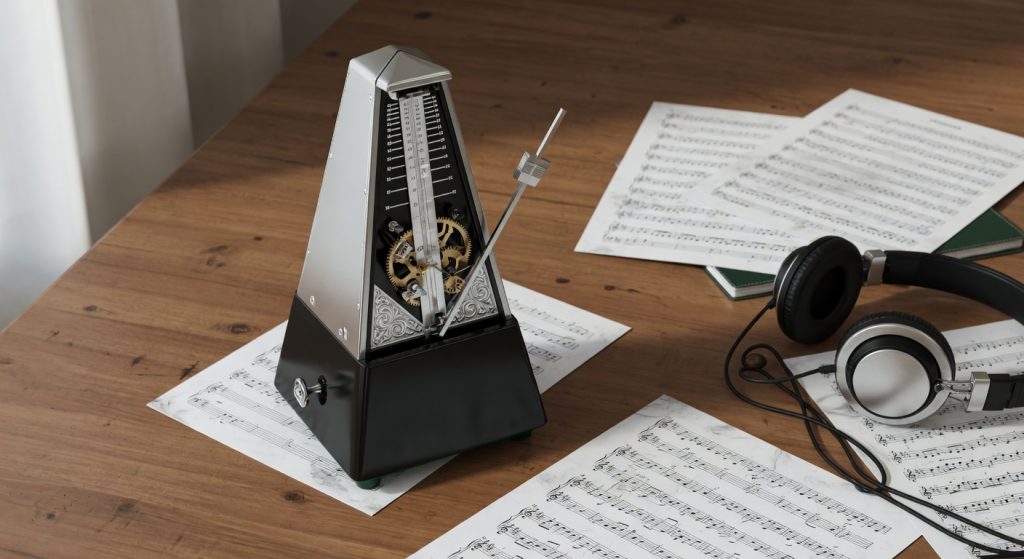
Tempo is a fundamental element in music that refers to the speed at which a piece of music is played. It is measured in beats per minute (BPM), which indicates how many beats occur in one minute. A higher BPM means the music is faster, while a lower BPM indicates a slower pace. Tempo plays a crucial role in setting the mood and energy of a game’s soundtrack, influencing how players perceive and react to the gameplay.
In the context of game music, tempos can vary widely depending on the type of scene or level. For example, a calm exploration segment might use slower tempos around 60-80 BPM, creating a relaxed and immersive atmosphere. In contrast, intense action or combat sequences often feature faster tempos ranging from 120 to 160 BPM to heighten excitement and urgency. Additionally, mid-tempo tracks around 90-110 BPM are commonly used for balanced pacing scenes, providing a steady rhythm without overwhelming the player.
Understanding and manipulating tempo allows game composers to control the music speed effectively, enhancing the overall gaming experience. By aligning tempo with gameplay, composers can reinforce the emotional tone and amplify player engagement, making tempo a vital tool in interactive music design.
What Pacing Means in a Gaming Context
Pacing in game music refers to the deliberate arrangement and progression of musical elements to mirror or influence the game’s rhythm and flow. It acts as a dynamic backbone that can accelerate or decelerate in sync with gameplay events, shaping how players emotionally engage with the game. By adjusting tempo, intensity, and musical complexity, composers craft an auditory experience that guides the player’s sense of urgency, calm, or tension throughout their journey.
The relationship between pacing and game rhythm is crucial for maintaining immersion. For instance, fast-paced music can increase adrenaline during action sequences, encouraging quick decision-making and heightening excitement. Conversely, slower, more ambient music can provide a respite, allowing players to explore, reflect, or strategize. This modulation in pacing ensures that the player experience remains dynamic and emotionally resonant rather than monotonous or overwhelming.
Effective pacing in game music also serves to reinforce narrative and gameplay mechanics. It cues players to upcoming challenges or rewards by shifting moods and intensities, subtly preparing them for what lies ahead. The synchronization of music and gameplay rhythm helps keep players attuned to the game’s environment and objectives, enhancing both emotional connection and overall enjoyment.
In summary, pacing in game music is a powerful tool that shapes the player experience. It controls the ebb and flow of emotions and gameplay tempo, ensuring that the rhythm of the game feels natural and engaging, thereby deepening the player’s immersion and attachment to the gaming world.
How Tempo and Pacing Affect Gameplay
Tempo and pacing in gameplay music have a profound impact on how players experience a game. The tempo—the speed at which music progresses—can directly influence the intensity of gameplay moments, guiding player emotions and reactions. For example, fast tempos often elevate excitement and urgency, propelling players into high-adrenaline scenarios like battles or timed challenges, while slower tempos allow for reflection, exploration, and calmer pacing within the game environment.
Pacing, which is closely related to tempo, deals with the rhythm and flow across segments of gameplay music, shaping how players perceive game dynamics over time. Effective pacing in game music helps maintain player engagement by balancing tension and release—building suspense through gradual tempo increases or switching to more relaxed themes during downtime. This modulation keeps gameplay from feeling monotonous, creating a dynamic experience that resonates emotionally with the player.
Gameplay music impact is particularly evident through tempo effects that align with the game’s mechanics and narratives. When music tempo shifts in response to in-game events, such as accelerating during chase sequences or decelerating in puzzle-solving stages, players become more immersed. This synchronization between game state and musical pacing enhances the sense of presence within the game world, fostering deeper connection and motivation to progress.
Moreover, tempo and pacing influence how players interpret the intensity of challenges and the urgency of their decisions. High-tempo music can heighten adrenaline and sharpen focus, resulting in more immediate and instinctual gameplay responses. Conversely, slower-paced music may encourage strategic thinking and exploration, affecting how players engage with game mechanics and narrative pacing. Therefore, understanding and implementing the right tempo effects and pacing game dynamics is crucial for game developers aiming to craft immersive and emotionally compelling experiences.
In conclusion, tempo and pacing in game music serve as powerful tools to shape gameplay intensity, player engagement, and immersion. By carefully orchestrating tempo effects and pacing game dynamics, developers can create a rich auditory landscape that not only complements but elevates the entire gameplay experience.
Increasing Intensity Through Tempo Changes
Tempo shifts are a powerful tool in game music dynamics, allowing composers to manipulate intensity and influence player experience. By varying the speed of the music, game developers can effectively ramp up tension or excitement in different scenarios. For instance, a sudden increase in tempo can elevate the intensity during action-packed sequences or boss battles, creating a heightened sense of urgency and adrenaline. Conversely, slowing down the tempo can build suspense, making players anticipate an impending challenge or danger.
In stealth or exploration segments, gradual tempo changes subtly adjust the mood without overwhelming the player, maintaining engagement while hinting at narrative developments. Tempo shifts also synchronize with gameplay events, such as approaching enemies or timed puzzles, reinforcing the emotional impact through dynamic pacing. This interplay between tempo and game events ensures the music remains adaptive and immersive, reflecting the unfolding story and gameplay mechanics.
Effective use of tempo changes not only enhances intensity but also adds variety and depth to the game’s auditory landscape. By thoughtfully incorporating tempo shifts, composers can guide player emotions, augment storytelling, and deliver a richer, more compelling game experience that resonates well beyond the gameplay itself.
Using Pacing to Guide Player Emotions
Emotional pacing in game music is a powerful tool for player guidance, subtly influencing moods and shaping decision-making processes. By carefully controlling the tempo and intensity of musical cues, composers can create an emotional journey that mirrors the player’s experience within the game. For instance, a slow, lingering pace can evoke feelings of tension or sadness, encouraging players to reflect or proceed cautiously. Conversely, a quickened pace can raise excitement or urgency, pushing players to take action or heighten their focus.
The music’s emotional impact is amplified when pacing aligns with gameplay events, allowing players to anticipate or respond to challenges instinctively. Effective use of dynamic pacing in music supports emotional peaks and valleys, guiding players through moments of suspense, relief, or exhilaration. This nuanced control over emotional pacing not only enhances immersion but also subtly directs player behavior, fostering a deeper connection to the narrative and gameplay.
Ultimately, pacing in music cues acts as an invisible hand, steering player emotions and decisions without breaking immersion. By leveraging tempo changes and rhythmic variations, game composers create an intuitive soundtrack that supports and enriches the overall gaming experience, making emotional pacing a critical element in the design of impactful game music.
Techniques for Implementing Tempo and Pacing in Game Music
Creating effective tempo and pacing in game music requires composers to employ a range of practical music techniques that respond dynamically to gameplay. One essential approach is tempo control, where tempo changes are synchronized with in-game events to enhance player immersion. For example, gradual accelerations or sudden tempo shifts can signal escalating tension or action, guiding the player’s emotional response in real-time.
Adaptive tempo is another crucial strategy, allowing the soundtrack to seamlessly adjust its speed based on player behavior or game state. This can be achieved through middleware that supports real-time tempo modulation, enabling smooth transitions between different musical intensities. Composers often design modular music segments with varying tempos that can be layered or swapped, ensuring the pacing matches both narrative developments and player interaction.
Pacing strategies also include the careful use of rhythmic patterns and motifs to maintain momentum or provide moments of relief within the game soundtrack. Repetitive rhythmic elements can create a driving sense of urgency during intense gameplay, while sparse or slower rhythms can signal downtime or preparation phases. Balancing these rhythmic changes with melody and harmony contributes to an immersive pacing experience tailored to the gameplay flow.
Furthermore, composers integrate tempo and pacing techniques by designing dynamic layers of instrumentation that can be added or removed based on the game’s progression. This layering technique supports pacing by controlling the density and texture of the music, aligning sonic complexity with game tension. Combining tempo control with strategic layering allows for nuanced pacing that responds organically to the interactive environment.
Overall, mastering music techniques such as precise tempo control and thoughtful pacing strategies enables composers to craft interactive soundtracks that not only complement but also elevate the gaming experience. Employing these methods effectively ensures that game music remains engaging, adaptive, and emotionally resonant throughout player sessions.
Adaptive Music Systems and Tempo Variation
Adaptive music systems are a revolutionary advancement in game audio technology that dynamically alter the tempo and pacing of music according to player actions or in-game events. Unlike traditional static soundtracks, adaptive music responds in real-time, creating a more immersive and emotionally engaging experience. By leveraging dynamic tempo changes, these systems can intensify moments of tension, accelerate pace during action sequences, or slow down to match quieter, exploratory gameplay.
At the core of adaptive music technology is the ability to analyze game state variables—such as player speed, health, nearby threats, or narrative progress—and use this data to seamlessly modify the musical flow. For example, if a player enters a combat zone, the dynamic tempo may increase to heighten excitement, or it might slow down during puzzle-solving to encourage concentration. This fluid adjustment enhances gameplay by aligning musical intensity directly with the player’s experience.
Game audio tech employing adaptive music often uses modular composition techniques, where individual music layers or segments can be triggered, looped, or transitioned in harmony with tempo variations. These systems allow composers to design music that isn’t just background sound but an interactive element that evolves, shaping and reflecting the game’s narrative and emotional beats in real-time. Overall, adaptive music with dynamic tempo empowers developers to craft richer and more personalized gaming journeys.
Layering and Syncing Rhythmic Elements
In game music composition, layered music plays a crucial role in shaping the player’s experience by controlling tempo and pacing. By stacking multiple rhythmic elements, composers can create intricate soundscapes that evolve with gameplay intensity. This layering not only enriches the texture but also allows dynamic adjustments to the music’s energy, which helps keep players engaged.
Rhythmic syncing ensures that all these musical layers work cohesively, maintaining a sense of order and flow. Synchronization of beats and patterns across layers prevents dissonance and chaos, which could otherwise disrupt immersion. Effective rhythmic syncing helps to highlight important gameplay moments by emphasizing changes in pacing, such as urgent sequences or calm exploration phases.
By combining layered music with precise rhythmic syncing, composers achieve a seamless integration of sound within the game environment. This technique allows the music to respond to gameplay events fluidly, balancing repetition and variation to avoid monotony. The interplay of layers guided by rhythmic cues ensures musical coherence, enhancing the overall narrative and emotional impact without overwhelming the player.

I’ve been playing video games since I was a kid, and that passion naturally led me to explore how they’re made. I love diving into game design concepts and sharing insights with fellow enthusiasts. When I’m not testing new titles, I’m tinkering with Unity and learning new programming tricks.