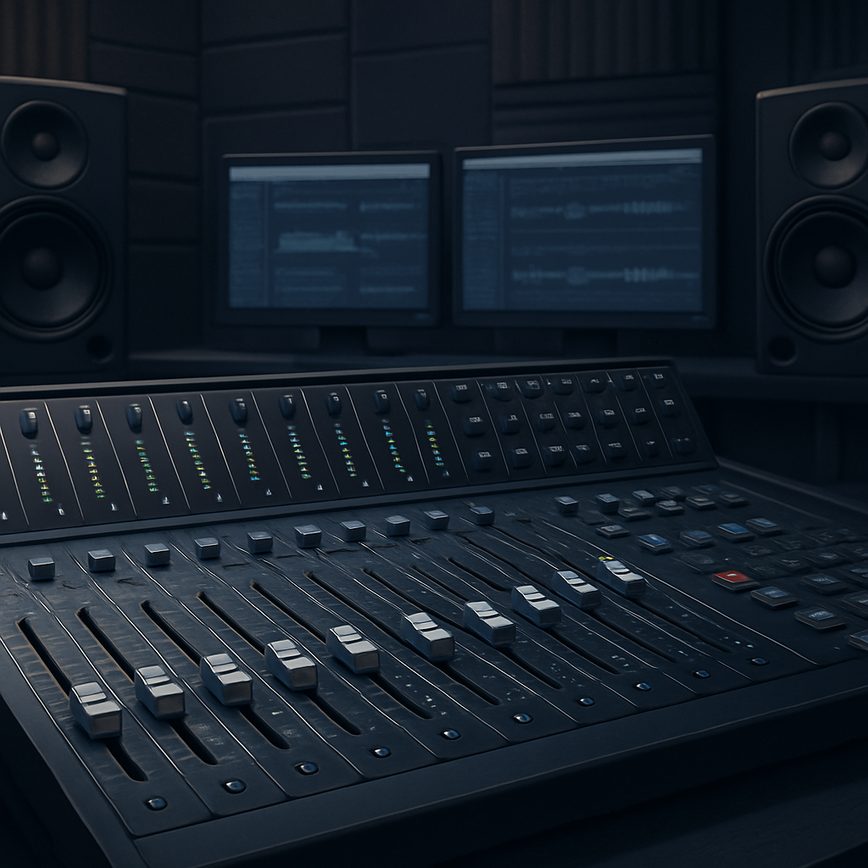
In collaborative audio editing environments, version control fosters seamless teamwork by allowing multiple contributors to work on the same audio assets without conflict. Changes can be merged or compared, ensuring that all edits are integrated systematically. This streamlines the workflow, makes communication more effective, and accelerates the production process by maintaining consistency across revisions.
Moreover, version control tools typically support branching, which facilitates experimentation and parallel development of audio projects. Team members can create separate branches to test different audio edits or effects before merging the best version back into the main project. This flexibility supports innovative audio editing approaches while preserving the integrity of the original assets.
Overall, effective version control combined with collaborative workflows plays a pivotal role in managing audio assets. It ensures that all contributors stay synchronized, maintains high-quality output, and minimizes errors, making it an indispensable practice in professional audio editing and management.
Implementing an Audio Asset Management Strategy
Creating and implementing an effective audio asset management strategy is essential for organizations looking to streamline their audio workflows, improve collaboration, and ensure the longevity and accessibility of their audio content. A well-thought-out implementation process begins with a clear understanding of the organization’s goals and specific audio management needs.
Start by conducting an inventory of all existing audio assets. Knowing what you have, where it is stored, and in what formats it exists forms the foundation of a successful strategy. This assessment helps identify gaps, redundancies, and opportunities for consolidation, setting the stage for more efficient management going forward.
The next step is to choose or develop a robust audio asset management system that supports the organization’s technical requirements and workflow preferences. Key considerations include compatibility with existing software, the scalability of storage, search functionality, metadata support, and user access controls.
Implementation of the strategy should follow best practices such as standardized metadata tagging for all assets. Uniform metadata allows for quick retrieval and clear categorization, which not only saves time but also enhances the accuracy of asset searches across teams. Training sessions for staff on how to use the audio asset management system and adhere to tagging protocols will foster consistent usage and maximize the benefits of the system.
Additionally, establishing a governance policy is crucial. This includes defining roles and responsibilities related to asset upload, editing, sharing, and archiving. Clear guidelines ensure accountability and help maintain the integrity of the audio library. Regular audits should be scheduled to assess the health of the audio archive and verify compliance with the strategy.
Integration with other digital asset management tools and collaboration platforms can enhance the reach and utility of the audio assets. Automation tools that support batch uploading, metadata application, and content distribution can streamline the process and reduce manual work, speeding up the implementation phase.
Throughout the implementation, collecting feedback from users will help refine the strategy. Adaptability and continuous improvement are key to accommodating new types of audio content and evolving organizational needs. By adhering to these strategic steps and best practices, organizations can effectively implement an audio asset management strategy that maximizes asset value and operational efficiency.
Assessing Your Audio Asset Needs
Effectively managing audio assets begins with a thorough assessment of your specific requirements. Understanding what types of audio content you need and setting clear goals for asset management helps streamline processes and ensures resource efficiency.
- Identify the scope of your audio assets by cataloging all existing files and determining categories such as music, sound effects, voiceovers, and ambient sounds.
- Evaluate usage scenarios and target platforms to understand format preferences, quality standards, and compatibility requirements for each asset.
- Consider the volume of assets required over time, factoring in upcoming projects and expansion plans to anticipate future needs.
- Set clear objectives for audio asset management, including goals for organization, accessibility, version control, and licensing compliance.
- Define key performance indicators (KPIs) such as retrieval time, asset reuse rate, and user satisfaction to measure the effectiveness of your management system.
- Develop workflows and assign responsibilities to team members to maintain consistency and accountability in asset handling.
- Review and refine your assessment periodically to adapt to new technologies, changing project demands, and feedback from stakeholders.
Choosing the Right Tools and Software
When it comes to software selection for audio asset management systems, it’s crucial to consider tools that align closely with your unique workflows and budget. The right tools can streamline your operations, improve efficiency, and ensure your audio assets are organized and accessible.
Start by assessing your specific needs—such as the size of your audio library, collaboration requirements, and integration with other systems. This will help you identify software that offers relevant features without unnecessary complexity. Many audio management systems vary widely in functionality, from basic cataloging to advanced metadata editing and automation.
Budget is another key factor in software selection. While some tools come with hefty price tags, there are also cost-effective options that provide robust capabilities. Consider both one-time purchase software and subscription-based services, evaluating their long-term value relative to your audio management needs.
Ultimately, the best approach is to test different tools and software in trial versions where possible, to ensure they seamlessly integrate into your workflow. By carefully matching your requirements with the right audio asset management systems, you ensure smooth operation and effective management of your valuable audio content.

One of the fundamental features includes centralized storage, which allows users to store all audio assets in a single, secure location. This eliminates scattered file systems and offers easy access to audio content across teams and departments, thereby improving collaboration.
Advanced metadata tagging capabilities are another critical feature. Audio management tools enable detailed tagging of files with information such as genre, mood, duration, format, rights, and usage restrictions. This rich metadata makes it simpler to search and filter files, speeding up the workflow.
Version control is vital for managing updates and changes in audio assets. Quality software tracks different versions of a file, enabling users to revert to previous iterations if needed and maintain a clear history of modifications, which is particularly useful in collaborative environments.
Many audio management tools also feature automated file conversion options, allowing users to convert audio files to various formats without leaving the platform. This flexibility ensures compatibility with different playback systems and editing software, saving time and effort.
Secure access and user permissions form another core feature. These software solutions allow administrators to control who can view, edit, or download specific audio files, thereby protecting sensitive content while maintaining ease of access for authorized users.
Integration capabilities are essential, as robust audio asset management software often connects seamlessly with digital audio workstations (DAWs), content management systems, and other creative tools, streamlining the overall production process.
Finally, intuitive user interfaces with drag-and-drop functionality and customizable dashboards make it simple for users to manage large audio libraries effectively. This user-friendly design reduces training time and enhances overall productivity.
In summary, features such as centralized storage, metadata tagging, version control, automated conversion, secure access, integration with creative tools, and intuitive interfaces define the capabilities of top-tier audio asset management software, empowering teams to manage their audio assets with precision and efficiency.
Metadata Tagging and Search
Metadata tagging plays a critical role in enhancing the searchability and efficient retrieval of audio assets. By associating descriptive metadata—such as keywords, categories, creation date, and author information—with each audio file, organizations can create a rich database of searchable content. This structured information facilitates more accurate and faster search results, allowing users to quickly locate the precise audio asset they need.
Effective metadata tagging ensures that audio assets are not just stored but also organized in a way that reflects their content, usage rights, and relevance. With comprehensive metadata, search algorithms can filter and rank results based on specific tags, enabling users to perform detailed searches rather than just relying on file names or vague descriptions. This capability significantly reduces the time spent searching for assets and minimizes the risk of overlooking important files.
Moreover, metadata facilitates advanced search functionalities like faceted search, which allows users to drill down through different tagging categories such as genre, mood, or language. This flexibility enhances user experience by making the retrieval process intuitive and aligned with the user’s intent. Ultimately, consistent and accurate metadata tagging is foundational for any audio asset management system aiming to streamline workflow and maximize the value of its audio content library.
Version Control and Collaboration
Version control is an essential component in audio asset management, particularly for tracking changes and enhancing collaboration. It enables users to keep a detailed history of modifications made to audio files, allowing teams to review previous versions, identify updates, and reconcile differences efficiently. This system reduces the risk of overwriting work or losing valuable edits by providing a clear audit trail of all changes.
In collaborative audio editing environments, version control fosters seamless teamwork by allowing multiple contributors to work on the same audio assets without conflict. Changes can be merged or compared, ensuring that all edits are integrated systematically. This streamlines the workflow, makes communication more effective, and accelerates the production process by maintaining consistency across revisions.
Moreover, version control tools typically support branching, which facilitates experimentation and parallel development of audio projects. Team members can create separate branches to test different audio edits or effects before merging the best version back into the main project. This flexibility supports innovative audio editing approaches while preserving the integrity of the original assets.
Overall, effective version control combined with collaborative workflows plays a pivotal role in managing audio assets. It ensures that all contributors stay synchronized, maintains high-quality output, and minimizes errors, making it an indispensable practice in professional audio editing and management.
Implementing an Audio Asset Management Strategy
Creating and implementing an effective audio asset management strategy is essential for organizations looking to streamline their audio workflows, improve collaboration, and ensure the longevity and accessibility of their audio content. A well-thought-out implementation process begins with a clear understanding of the organization’s goals and specific audio management needs.
Start by conducting an inventory of all existing audio assets. Knowing what you have, where it is stored, and in what formats it exists forms the foundation of a successful strategy. This assessment helps identify gaps, redundancies, and opportunities for consolidation, setting the stage for more efficient management going forward.
The next step is to choose or develop a robust audio asset management system that supports the organization’s technical requirements and workflow preferences. Key considerations include compatibility with existing software, the scalability of storage, search functionality, metadata support, and user access controls.
Implementation of the strategy should follow best practices such as standardized metadata tagging for all assets. Uniform metadata allows for quick retrieval and clear categorization, which not only saves time but also enhances the accuracy of asset searches across teams. Training sessions for staff on how to use the audio asset management system and adhere to tagging protocols will foster consistent usage and maximize the benefits of the system.
Additionally, establishing a governance policy is crucial. This includes defining roles and responsibilities related to asset upload, editing, sharing, and archiving. Clear guidelines ensure accountability and help maintain the integrity of the audio library. Regular audits should be scheduled to assess the health of the audio archive and verify compliance with the strategy.
Integration with other digital asset management tools and collaboration platforms can enhance the reach and utility of the audio assets. Automation tools that support batch uploading, metadata application, and content distribution can streamline the process and reduce manual work, speeding up the implementation phase.
Throughout the implementation, collecting feedback from users will help refine the strategy. Adaptability and continuous improvement are key to accommodating new types of audio content and evolving organizational needs. By adhering to these strategic steps and best practices, organizations can effectively implement an audio asset management strategy that maximizes asset value and operational efficiency.
Assessing Your Audio Asset Needs
Effectively managing audio assets begins with a thorough assessment of your specific requirements. Understanding what types of audio content you need and setting clear goals for asset management helps streamline processes and ensures resource efficiency.
- Identify the scope of your audio assets by cataloging all existing files and determining categories such as music, sound effects, voiceovers, and ambient sounds.
- Evaluate usage scenarios and target platforms to understand format preferences, quality standards, and compatibility requirements for each asset.
- Consider the volume of assets required over time, factoring in upcoming projects and expansion plans to anticipate future needs.
- Set clear objectives for audio asset management, including goals for organization, accessibility, version control, and licensing compliance.
- Define key performance indicators (KPIs) such as retrieval time, asset reuse rate, and user satisfaction to measure the effectiveness of your management system.
- Develop workflows and assign responsibilities to team members to maintain consistency and accountability in asset handling.
- Review and refine your assessment periodically to adapt to new technologies, changing project demands, and feedback from stakeholders.
Choosing the Right Tools and Software
When it comes to software selection for audio asset management systems, it’s crucial to consider tools that align closely with your unique workflows and budget. The right tools can streamline your operations, improve efficiency, and ensure your audio assets are organized and accessible.
Start by assessing your specific needs—such as the size of your audio library, collaboration requirements, and integration with other systems. This will help you identify software that offers relevant features without unnecessary complexity. Many audio management systems vary widely in functionality, from basic cataloging to advanced metadata editing and automation.
Budget is another key factor in software selection. While some tools come with hefty price tags, there are also cost-effective options that provide robust capabilities. Consider both one-time purchase software and subscription-based services, evaluating their long-term value relative to your audio management needs.
Ultimately, the best approach is to test different tools and software in trial versions where possible, to ensure they seamlessly integrate into your workflow. By carefully matching your requirements with the right audio asset management systems, you ensure smooth operation and effective management of your valuable audio content.
One of the fundamental features includes centralized storage, which allows users to store all audio assets in a single, secure location. This eliminates scattered file systems and offers easy access to audio content across teams and departments, thereby improving collaboration.
Advanced metadata tagging capabilities are another critical feature. Audio management tools enable detailed tagging of files with information such as genre, mood, duration, format, rights, and usage restrictions. This rich metadata makes it simpler to search and filter files, speeding up the workflow.
Version control is vital for managing updates and changes in audio assets. Quality software tracks different versions of a file, enabling users to revert to previous iterations if needed and maintain a clear history of modifications, which is particularly useful in collaborative environments.
Many audio management tools also feature automated file conversion options, allowing users to convert audio files to various formats without leaving the platform. This flexibility ensures compatibility with different playback systems and editing software, saving time and effort.
Secure access and user permissions form another core feature. These software solutions allow administrators to control who can view, edit, or download specific audio files, thereby protecting sensitive content while maintaining ease of access for authorized users.
Integration capabilities are essential, as robust audio asset management software often connects seamlessly with digital audio workstations (DAWs), content management systems, and other creative tools, streamlining the overall production process.
Finally, intuitive user interfaces with drag-and-drop functionality and customizable dashboards make it simple for users to manage large audio libraries effectively. This user-friendly design reduces training time and enhances overall productivity.
In summary, features such as centralized storage, metadata tagging, version control, automated conversion, secure access, integration with creative tools, and intuitive interfaces define the capabilities of top-tier audio asset management software, empowering teams to manage their audio assets with precision and efficiency.
Metadata Tagging and Search
Metadata tagging plays a critical role in enhancing the searchability and efficient retrieval of audio assets. By associating descriptive metadata—such as keywords, categories, creation date, and author information—with each audio file, organizations can create a rich database of searchable content. This structured information facilitates more accurate and faster search results, allowing users to quickly locate the precise audio asset they need.
Effective metadata tagging ensures that audio assets are not just stored but also organized in a way that reflects their content, usage rights, and relevance. With comprehensive metadata, search algorithms can filter and rank results based on specific tags, enabling users to perform detailed searches rather than just relying on file names or vague descriptions. This capability significantly reduces the time spent searching for assets and minimizes the risk of overlooking important files.
Moreover, metadata facilitates advanced search functionalities like faceted search, which allows users to drill down through different tagging categories such as genre, mood, or language. This flexibility enhances user experience by making the retrieval process intuitive and aligned with the user’s intent. Ultimately, consistent and accurate metadata tagging is foundational for any audio asset management system aiming to streamline workflow and maximize the value of its audio content library.
Version Control and Collaboration
Version control is an essential component in audio asset management, particularly for tracking changes and enhancing collaboration. It enables users to keep a detailed history of modifications made to audio files, allowing teams to review previous versions, identify updates, and reconcile differences efficiently. This system reduces the risk of overwriting work or losing valuable edits by providing a clear audit trail of all changes.
In collaborative audio editing environments, version control fosters seamless teamwork by allowing multiple contributors to work on the same audio assets without conflict. Changes can be merged or compared, ensuring that all edits are integrated systematically. This streamlines the workflow, makes communication more effective, and accelerates the production process by maintaining consistency across revisions.
Moreover, version control tools typically support branching, which facilitates experimentation and parallel development of audio projects. Team members can create separate branches to test different audio edits or effects before merging the best version back into the main project. This flexibility supports innovative audio editing approaches while preserving the integrity of the original assets.
Overall, effective version control combined with collaborative workflows plays a pivotal role in managing audio assets. It ensures that all contributors stay synchronized, maintains high-quality output, and minimizes errors, making it an indispensable practice in professional audio editing and management.
Implementing an Audio Asset Management Strategy
Creating and implementing an effective audio asset management strategy is essential for organizations looking to streamline their audio workflows, improve collaboration, and ensure the longevity and accessibility of their audio content. A well-thought-out implementation process begins with a clear understanding of the organization’s goals and specific audio management needs.
Start by conducting an inventory of all existing audio assets. Knowing what you have, where it is stored, and in what formats it exists forms the foundation of a successful strategy. This assessment helps identify gaps, redundancies, and opportunities for consolidation, setting the stage for more efficient management going forward.
The next step is to choose or develop a robust audio asset management system that supports the organization’s technical requirements and workflow preferences. Key considerations include compatibility with existing software, the scalability of storage, search functionality, metadata support, and user access controls.
Implementation of the strategy should follow best practices such as standardized metadata tagging for all assets. Uniform metadata allows for quick retrieval and clear categorization, which not only saves time but also enhances the accuracy of asset searches across teams. Training sessions for staff on how to use the audio asset management system and adhere to tagging protocols will foster consistent usage and maximize the benefits of the system.
Additionally, establishing a governance policy is crucial. This includes defining roles and responsibilities related to asset upload, editing, sharing, and archiving. Clear guidelines ensure accountability and help maintain the integrity of the audio library. Regular audits should be scheduled to assess the health of the audio archive and verify compliance with the strategy.
Integration with other digital asset management tools and collaboration platforms can enhance the reach and utility of the audio assets. Automation tools that support batch uploading, metadata application, and content distribution can streamline the process and reduce manual work, speeding up the implementation phase.
Throughout the implementation, collecting feedback from users will help refine the strategy. Adaptability and continuous improvement are key to accommodating new types of audio content and evolving organizational needs. By adhering to these strategic steps and best practices, organizations can effectively implement an audio asset management strategy that maximizes asset value and operational efficiency.
Assessing Your Audio Asset Needs
Effectively managing audio assets begins with a thorough assessment of your specific requirements. Understanding what types of audio content you need and setting clear goals for asset management helps streamline processes and ensures resource efficiency.
- Identify the scope of your audio assets by cataloging all existing files and determining categories such as music, sound effects, voiceovers, and ambient sounds.
- Evaluate usage scenarios and target platforms to understand format preferences, quality standards, and compatibility requirements for each asset.
- Consider the volume of assets required over time, factoring in upcoming projects and expansion plans to anticipate future needs.
- Set clear objectives for audio asset management, including goals for organization, accessibility, version control, and licensing compliance.
- Define key performance indicators (KPIs) such as retrieval time, asset reuse rate, and user satisfaction to measure the effectiveness of your management system.
- Develop workflows and assign responsibilities to team members to maintain consistency and accountability in asset handling.
- Review and refine your assessment periodically to adapt to new technologies, changing project demands, and feedback from stakeholders.
Choosing the Right Tools and Software
When it comes to software selection for audio asset management systems, it’s crucial to consider tools that align closely with your unique workflows and budget. The right tools can streamline your operations, improve efficiency, and ensure your audio assets are organized and accessible.
Start by assessing your specific needs—such as the size of your audio library, collaboration requirements, and integration with other systems. This will help you identify software that offers relevant features without unnecessary complexity. Many audio management systems vary widely in functionality, from basic cataloging to advanced metadata editing and automation.
Budget is another key factor in software selection. While some tools come with hefty price tags, there are also cost-effective options that provide robust capabilities. Consider both one-time purchase software and subscription-based services, evaluating their long-term value relative to your audio management needs.
Ultimately, the best approach is to test different tools and software in trial versions where possible, to ensure they seamlessly integrate into your workflow. By carefully matching your requirements with the right audio asset management systems, you ensure smooth operation and effective management of your valuable audio content.
Understanding Audio Asset Management
Audio asset management is the systematic process of organizing, storing, and maintaining digital audio files to ensure they are easily accessible and efficiently managed throughout their lifecycle. As the volume of audio content continues to grow across various industries such as music production, broadcasting, and media, effective audio asset management becomes increasingly important. It enables users to quickly locate and reuse audio files, avoid duplication, and maintain high-quality standards.
The core of audio asset management lies in creating a structured system where every digital audio file is cataloged with relevant metadata, including information like file format, duration, origin, rights, and usage history. This comprehensive organization supports streamlined workflows and enhances collaboration among teams, allowing them to work seamlessly on audio projects without confusion or loss of valuable resources.
One of the primary benefits of audio asset management is improved audio asset organization. By classifying and tagging each audio file appropriately, users can implement robust search functionalities that save time and reduce frustration when retrieving content. This organized approach also helps in maintaining consistency by avoiding the use of outdated or unauthorized audio clips, which is crucial for branding and legal compliance.
Furthermore, audio asset management supports effective maintenance of digital audio files by enabling version control, backup solutions, and lifecycle tracking. This ensures that audio assets are preserved in optimal condition and can be restored or updated as needed. Through these processes, organizations can extend the usability of their audio library, protect intellectual property, and adapt to changing technological standards.
In summary, mastering audio asset management is essential for anyone working extensively with digital audio files. It provides a clear framework for audio asset organization, simplifies access, maintains file integrity, and ultimately enhances productivity. Adopting a well-planned management strategy transforms the handling of audio resources from a complex challenge into a streamlined and efficient practice.
What is Audio Asset Management?
Audio asset management refers to the organized process of storing, cataloging, and retrieving media assets related to audio content. It involves the systematic handling of audio files, metadata, and related information to ensure efficient access and usage. As a crucial facet of media asset management, audio asset management streamlines workflows by providing a centralized platform to manage sound recordings, music tracks, voiceovers, and sound effects.
The definition of audio asset management encompasses several key components. Firstly, the storage system is vital, offering a secure and scalable repository for audio media assets. Secondly, metadata management plays a significant role in tagging and describing each audio file for easy searching and categorization. Thirdly, access control mechanisms ensure that only authorized users can modify or use the audio assets. Lastly, integration with creative and production tools facilitates smooth collaboration among teams, improving productivity.
Effective audio management helps organizations reduce duplication, protect intellectual property, and maintain consistency across all audio content. By implementing robust audio asset management systems, users can enjoy simplified asset tracking, quicker retrieval times, and better overall control of their media assets. This targeted approach is essential for businesses, broadcasters, game developers, and any entity that relies heavily on diverse audio collections.
Benefits of Using Audio Asset Management Systems
Audio asset management systems offer numerous benefits that significantly enhance efficiency in the audio workflow. One of the primary advantages is improved organization. These systems allow users to systematically catalog and store a wide range of audio files, making it easy to locate specific assets quickly. This structured approach reduces time wasted searching through unorganized folders, enabling teams to focus more on creative tasks.
Accessibility is another key benefit of audio asset management systems. By providing centralized access to audio files, these platforms allow users to retrieve assets from various locations and devices, facilitating seamless work in remote or distributed teams. This easy access ensures that audio content is always available when needed, eliminating delays in the production process and fostering a more streamlined audio workflow.
Moreover, collaboration is greatly enhanced by using audio asset management systems. These platforms support shared access and provide tools for version control, annotations, and permissions settings, which promote effective teamwork. Team members can work simultaneously on projects without confusion or asset overwrites, resulting in smoother project management and higher productivity.
Overall, the benefits of audio asset management systems go beyond simple storage—they enable improved organization, enhance accessibility, and foster collaboration, all of which contribute to a more efficient and productive audio workflow.
Key Features of Audio Asset Management Software
Robust audio asset management software offers a suite of essential features that streamline the organization, storage, and retrieval of audio files for both creative professionals and enterprises. These features are designed to enhance productivity and ensure seamless control over extensive audio libraries, making it easier to locate and utilize valuable audio content efficiently.
One of the fundamental features includes centralized storage, which allows users to store all audio assets in a single, secure location. This eliminates scattered file systems and offers easy access to audio content across teams and departments, thereby improving collaboration.
Advanced metadata tagging capabilities are another critical feature. Audio management tools enable detailed tagging of files with information such as genre, mood, duration, format, rights, and usage restrictions. This rich metadata makes it simpler to search and filter files, speeding up the workflow.
Version control is vital for managing updates and changes in audio assets. Quality software tracks different versions of a file, enabling users to revert to previous iterations if needed and maintain a clear history of modifications, which is particularly useful in collaborative environments.
Many audio management tools also feature automated file conversion options, allowing users to convert audio files to various formats without leaving the platform. This flexibility ensures compatibility with different playback systems and editing software, saving time and effort.
Secure access and user permissions form another core feature. These software solutions allow administrators to control who can view, edit, or download specific audio files, thereby protecting sensitive content while maintaining ease of access for authorized users.
Integration capabilities are essential, as robust audio asset management software often connects seamlessly with digital audio workstations (DAWs), content management systems, and other creative tools, streamlining the overall production process.
Finally, intuitive user interfaces with drag-and-drop functionality and customizable dashboards make it simple for users to manage large audio libraries effectively. This user-friendly design reduces training time and enhances overall productivity.
In summary, features such as centralized storage, metadata tagging, version control, automated conversion, secure access, integration with creative tools, and intuitive interfaces define the capabilities of top-tier audio asset management software, empowering teams to manage their audio assets with precision and efficiency.
Metadata Tagging and Search
Metadata tagging plays a critical role in enhancing the searchability and efficient retrieval of audio assets. By associating descriptive metadata—such as keywords, categories, creation date, and author information—with each audio file, organizations can create a rich database of searchable content. This structured information facilitates more accurate and faster search results, allowing users to quickly locate the precise audio asset they need.
Effective metadata tagging ensures that audio assets are not just stored but also organized in a way that reflects their content, usage rights, and relevance. With comprehensive metadata, search algorithms can filter and rank results based on specific tags, enabling users to perform detailed searches rather than just relying on file names or vague descriptions. This capability significantly reduces the time spent searching for assets and minimizes the risk of overlooking important files.
Moreover, metadata facilitates advanced search functionalities like faceted search, which allows users to drill down through different tagging categories such as genre, mood, or language. This flexibility enhances user experience by making the retrieval process intuitive and aligned with the user’s intent. Ultimately, consistent and accurate metadata tagging is foundational for any audio asset management system aiming to streamline workflow and maximize the value of its audio content library.
Version Control and Collaboration
Version control is an essential component in audio asset management, particularly for tracking changes and enhancing collaboration. It enables users to keep a detailed history of modifications made to audio files, allowing teams to review previous versions, identify updates, and reconcile differences efficiently. This system reduces the risk of overwriting work or losing valuable edits by providing a clear audit trail of all changes.
In collaborative audio editing environments, version control fosters seamless teamwork by allowing multiple contributors to work on the same audio assets without conflict. Changes can be merged or compared, ensuring that all edits are integrated systematically. This streamlines the workflow, makes communication more effective, and accelerates the production process by maintaining consistency across revisions.
Moreover, version control tools typically support branching, which facilitates experimentation and parallel development of audio projects. Team members can create separate branches to test different audio edits or effects before merging the best version back into the main project. This flexibility supports innovative audio editing approaches while preserving the integrity of the original assets.
Overall, effective version control combined with collaborative workflows plays a pivotal role in managing audio assets. It ensures that all contributors stay synchronized, maintains high-quality output, and minimizes errors, making it an indispensable practice in professional audio editing and management.
Implementing an Audio Asset Management Strategy
Creating and implementing an effective audio asset management strategy is essential for organizations looking to streamline their audio workflows, improve collaboration, and ensure the longevity and accessibility of their audio content. A well-thought-out implementation process begins with a clear understanding of the organization’s goals and specific audio management needs.
Start by conducting an inventory of all existing audio assets. Knowing what you have, where it is stored, and in what formats it exists forms the foundation of a successful strategy. This assessment helps identify gaps, redundancies, and opportunities for consolidation, setting the stage for more efficient management going forward.
The next step is to choose or develop a robust audio asset management system that supports the organization’s technical requirements and workflow preferences. Key considerations include compatibility with existing software, the scalability of storage, search functionality, metadata support, and user access controls.
Implementation of the strategy should follow best practices such as standardized metadata tagging for all assets. Uniform metadata allows for quick retrieval and clear categorization, which not only saves time but also enhances the accuracy of asset searches across teams. Training sessions for staff on how to use the audio asset management system and adhere to tagging protocols will foster consistent usage and maximize the benefits of the system.
Additionally, establishing a governance policy is crucial. This includes defining roles and responsibilities related to asset upload, editing, sharing, and archiving. Clear guidelines ensure accountability and help maintain the integrity of the audio library. Regular audits should be scheduled to assess the health of the audio archive and verify compliance with the strategy.
Integration with other digital asset management tools and collaboration platforms can enhance the reach and utility of the audio assets. Automation tools that support batch uploading, metadata application, and content distribution can streamline the process and reduce manual work, speeding up the implementation phase.
Throughout the implementation, collecting feedback from users will help refine the strategy. Adaptability and continuous improvement are key to accommodating new types of audio content and evolving organizational needs. By adhering to these strategic steps and best practices, organizations can effectively implement an audio asset management strategy that maximizes asset value and operational efficiency.
Assessing Your Audio Asset Needs
Effectively managing audio assets begins with a thorough assessment of your specific requirements. Understanding what types of audio content you need and setting clear goals for asset management helps streamline processes and ensures resource efficiency.
- Identify the scope of your audio assets by cataloging all existing files and determining categories such as music, sound effects, voiceovers, and ambient sounds.
- Evaluate usage scenarios and target platforms to understand format preferences, quality standards, and compatibility requirements for each asset.
- Consider the volume of assets required over time, factoring in upcoming projects and expansion plans to anticipate future needs.
- Set clear objectives for audio asset management, including goals for organization, accessibility, version control, and licensing compliance.
- Define key performance indicators (KPIs) such as retrieval time, asset reuse rate, and user satisfaction to measure the effectiveness of your management system.
- Develop workflows and assign responsibilities to team members to maintain consistency and accountability in asset handling.
- Review and refine your assessment periodically to adapt to new technologies, changing project demands, and feedback from stakeholders.
Choosing the Right Tools and Software
When it comes to software selection for audio asset management systems, it’s crucial to consider tools that align closely with your unique workflows and budget. The right tools can streamline your operations, improve efficiency, and ensure your audio assets are organized and accessible.
Start by assessing your specific needs—such as the size of your audio library, collaboration requirements, and integration with other systems. This will help you identify software that offers relevant features without unnecessary complexity. Many audio management systems vary widely in functionality, from basic cataloging to advanced metadata editing and automation.
Budget is another key factor in software selection. While some tools come with hefty price tags, there are also cost-effective options that provide robust capabilities. Consider both one-time purchase software and subscription-based services, evaluating their long-term value relative to your audio management needs.
Ultimately, the best approach is to test different tools and software in trial versions where possible, to ensure they seamlessly integrate into your workflow. By carefully matching your requirements with the right audio asset management systems, you ensure smooth operation and effective management of your valuable audio content.
One of the fundamental features includes centralized storage, which allows users to store all audio assets in a single, secure location. This eliminates scattered file systems and offers easy access to audio content across teams and departments, thereby improving collaboration.
Advanced metadata tagging capabilities are another critical feature. Audio management tools enable detailed tagging of files with information such as genre, mood, duration, format, rights, and usage restrictions. This rich metadata makes it simpler to search and filter files, speeding up the workflow.
Version control is vital for managing updates and changes in audio assets. Quality software tracks different versions of a file, enabling users to revert to previous iterations if needed and maintain a clear history of modifications, which is particularly useful in collaborative environments.
Many audio management tools also feature automated file conversion options, allowing users to convert audio files to various formats without leaving the platform. This flexibility ensures compatibility with different playback systems and editing software, saving time and effort.
Secure access and user permissions form another core feature. These software solutions allow administrators to control who can view, edit, or download specific audio files, thereby protecting sensitive content while maintaining ease of access for authorized users.
Integration capabilities are essential, as robust audio asset management software often connects seamlessly with digital audio workstations (DAWs), content management systems, and other creative tools, streamlining the overall production process.
Finally, intuitive user interfaces with drag-and-drop functionality and customizable dashboards make it simple for users to manage large audio libraries effectively. This user-friendly design reduces training time and enhances overall productivity.
In summary, features such as centralized storage, metadata tagging, version control, automated conversion, secure access, integration with creative tools, and intuitive interfaces define the capabilities of top-tier audio asset management software, empowering teams to manage their audio assets with precision and efficiency.
Metadata Tagging and Search
Metadata tagging plays a critical role in enhancing the searchability and efficient retrieval of audio assets. By associating descriptive metadata—such as keywords, categories, creation date, and author information—with each audio file, organizations can create a rich database of searchable content. This structured information facilitates more accurate and faster search results, allowing users to quickly locate the precise audio asset they need.
Effective metadata tagging ensures that audio assets are not just stored but also organized in a way that reflects their content, usage rights, and relevance. With comprehensive metadata, search algorithms can filter and rank results based on specific tags, enabling users to perform detailed searches rather than just relying on file names or vague descriptions. This capability significantly reduces the time spent searching for assets and minimizes the risk of overlooking important files.
Moreover, metadata facilitates advanced search functionalities like faceted search, which allows users to drill down through different tagging categories such as genre, mood, or language. This flexibility enhances user experience by making the retrieval process intuitive and aligned with the user’s intent. Ultimately, consistent and accurate metadata tagging is foundational for any audio asset management system aiming to streamline workflow and maximize the value of its audio content library.
Version Control and Collaboration
Version control is an essential component in audio asset management, particularly for tracking changes and enhancing collaboration. It enables users to keep a detailed history of modifications made to audio files, allowing teams to review previous versions, identify updates, and reconcile differences efficiently. This system reduces the risk of overwriting work or losing valuable edits by providing a clear audit trail of all changes.
In collaborative audio editing environments, version control fosters seamless teamwork by allowing multiple contributors to work on the same audio assets without conflict. Changes can be merged or compared, ensuring that all edits are integrated systematically. This streamlines the workflow, makes communication more effective, and accelerates the production process by maintaining consistency across revisions.
Moreover, version control tools typically support branching, which facilitates experimentation and parallel development of audio projects. Team members can create separate branches to test different audio edits or effects before merging the best version back into the main project. This flexibility supports innovative audio editing approaches while preserving the integrity of the original assets.
Overall, effective version control combined with collaborative workflows plays a pivotal role in managing audio assets. It ensures that all contributors stay synchronized, maintains high-quality output, and minimizes errors, making it an indispensable practice in professional audio editing and management.
Implementing an Audio Asset Management Strategy
Creating and implementing an effective audio asset management strategy is essential for organizations looking to streamline their audio workflows, improve collaboration, and ensure the longevity and accessibility of their audio content. A well-thought-out implementation process begins with a clear understanding of the organization’s goals and specific audio management needs.
Start by conducting an inventory of all existing audio assets. Knowing what you have, where it is stored, and in what formats it exists forms the foundation of a successful strategy. This assessment helps identify gaps, redundancies, and opportunities for consolidation, setting the stage for more efficient management going forward.
The next step is to choose or develop a robust audio asset management system that supports the organization’s technical requirements and workflow preferences. Key considerations include compatibility with existing software, the scalability of storage, search functionality, metadata support, and user access controls.
Implementation of the strategy should follow best practices such as standardized metadata tagging for all assets. Uniform metadata allows for quick retrieval and clear categorization, which not only saves time but also enhances the accuracy of asset searches across teams. Training sessions for staff on how to use the audio asset management system and adhere to tagging protocols will foster consistent usage and maximize the benefits of the system.
Additionally, establishing a governance policy is crucial. This includes defining roles and responsibilities related to asset upload, editing, sharing, and archiving. Clear guidelines ensure accountability and help maintain the integrity of the audio library. Regular audits should be scheduled to assess the health of the audio archive and verify compliance with the strategy.
Integration with other digital asset management tools and collaboration platforms can enhance the reach and utility of the audio assets. Automation tools that support batch uploading, metadata application, and content distribution can streamline the process and reduce manual work, speeding up the implementation phase.
Throughout the implementation, collecting feedback from users will help refine the strategy. Adaptability and continuous improvement are key to accommodating new types of audio content and evolving organizational needs. By adhering to these strategic steps and best practices, organizations can effectively implement an audio asset management strategy that maximizes asset value and operational efficiency.
Assessing Your Audio Asset Needs
Effectively managing audio assets begins with a thorough assessment of your specific requirements. Understanding what types of audio content you need and setting clear goals for asset management helps streamline processes and ensures resource efficiency.
- Identify the scope of your audio assets by cataloging all existing files and determining categories such as music, sound effects, voiceovers, and ambient sounds.
- Evaluate usage scenarios and target platforms to understand format preferences, quality standards, and compatibility requirements for each asset.
- Consider the volume of assets required over time, factoring in upcoming projects and expansion plans to anticipate future needs.
- Set clear objectives for audio asset management, including goals for organization, accessibility, version control, and licensing compliance.
- Define key performance indicators (KPIs) such as retrieval time, asset reuse rate, and user satisfaction to measure the effectiveness of your management system.
- Develop workflows and assign responsibilities to team members to maintain consistency and accountability in asset handling.
- Review and refine your assessment periodically to adapt to new technologies, changing project demands, and feedback from stakeholders.
Choosing the Right Tools and Software
When it comes to software selection for audio asset management systems, it’s crucial to consider tools that align closely with your unique workflows and budget. The right tools can streamline your operations, improve efficiency, and ensure your audio assets are organized and accessible.
Start by assessing your specific needs—such as the size of your audio library, collaboration requirements, and integration with other systems. This will help you identify software that offers relevant features without unnecessary complexity. Many audio management systems vary widely in functionality, from basic cataloging to advanced metadata editing and automation.
Budget is another key factor in software selection. While some tools come with hefty price tags, there are also cost-effective options that provide robust capabilities. Consider both one-time purchase software and subscription-based services, evaluating their long-term value relative to your audio management needs.
Ultimately, the best approach is to test different tools and software in trial versions where possible, to ensure they seamlessly integrate into your workflow. By carefully matching your requirements with the right audio asset management systems, you ensure smooth operation and effective management of your valuable audio content.
Understanding Audio Asset Management
Audio asset management is the systematic process of organizing, storing, and maintaining digital audio files to ensure they are easily accessible and efficiently managed throughout their lifecycle. As the volume of audio content continues to grow across various industries such as music production, broadcasting, and media, effective audio asset management becomes increasingly important. It enables users to quickly locate and reuse audio files, avoid duplication, and maintain high-quality standards.
The core of audio asset management lies in creating a structured system where every digital audio file is cataloged with relevant metadata, including information like file format, duration, origin, rights, and usage history. This comprehensive organization supports streamlined workflows and enhances collaboration among teams, allowing them to work seamlessly on audio projects without confusion or loss of valuable resources.
One of the primary benefits of audio asset management is improved audio asset organization. By classifying and tagging each audio file appropriately, users can implement robust search functionalities that save time and reduce frustration when retrieving content. This organized approach also helps in maintaining consistency by avoiding the use of outdated or unauthorized audio clips, which is crucial for branding and legal compliance.
Furthermore, audio asset management supports effective maintenance of digital audio files by enabling version control, backup solutions, and lifecycle tracking. This ensures that audio assets are preserved in optimal condition and can be restored or updated as needed. Through these processes, organizations can extend the usability of their audio library, protect intellectual property, and adapt to changing technological standards.
In summary, mastering audio asset management is essential for anyone working extensively with digital audio files. It provides a clear framework for audio asset organization, simplifies access, maintains file integrity, and ultimately enhances productivity. Adopting a well-planned management strategy transforms the handling of audio resources from a complex challenge into a streamlined and efficient practice.
What is Audio Asset Management?
Audio asset management refers to the organized process of storing, cataloging, and retrieving media assets related to audio content. It involves the systematic handling of audio files, metadata, and related information to ensure efficient access and usage. As a crucial facet of media asset management, audio asset management streamlines workflows by providing a centralized platform to manage sound recordings, music tracks, voiceovers, and sound effects.
The definition of audio asset management encompasses several key components. Firstly, the storage system is vital, offering a secure and scalable repository for audio media assets. Secondly, metadata management plays a significant role in tagging and describing each audio file for easy searching and categorization. Thirdly, access control mechanisms ensure that only authorized users can modify or use the audio assets. Lastly, integration with creative and production tools facilitates smooth collaboration among teams, improving productivity.
Effective audio management helps organizations reduce duplication, protect intellectual property, and maintain consistency across all audio content. By implementing robust audio asset management systems, users can enjoy simplified asset tracking, quicker retrieval times, and better overall control of their media assets. This targeted approach is essential for businesses, broadcasters, game developers, and any entity that relies heavily on diverse audio collections.
Benefits of Using Audio Asset Management Systems
Audio asset management systems offer numerous benefits that significantly enhance efficiency in the audio workflow. One of the primary advantages is improved organization. These systems allow users to systematically catalog and store a wide range of audio files, making it easy to locate specific assets quickly. This structured approach reduces time wasted searching through unorganized folders, enabling teams to focus more on creative tasks.
Accessibility is another key benefit of audio asset management systems. By providing centralized access to audio files, these platforms allow users to retrieve assets from various locations and devices, facilitating seamless work in remote or distributed teams. This easy access ensures that audio content is always available when needed, eliminating delays in the production process and fostering a more streamlined audio workflow.
Moreover, collaboration is greatly enhanced by using audio asset management systems. These platforms support shared access and provide tools for version control, annotations, and permissions settings, which promote effective teamwork. Team members can work simultaneously on projects without confusion or asset overwrites, resulting in smoother project management and higher productivity.
Overall, the benefits of audio asset management systems go beyond simple storage—they enable improved organization, enhance accessibility, and foster collaboration, all of which contribute to a more efficient and productive audio workflow.
Key Features of Audio Asset Management Software
Robust audio asset management software offers a suite of essential features that streamline the organization, storage, and retrieval of audio files for both creative professionals and enterprises. These features are designed to enhance productivity and ensure seamless control over extensive audio libraries, making it easier to locate and utilize valuable audio content efficiently.
One of the fundamental features includes centralized storage, which allows users to store all audio assets in a single, secure location. This eliminates scattered file systems and offers easy access to audio content across teams and departments, thereby improving collaboration.
Advanced metadata tagging capabilities are another critical feature. Audio management tools enable detailed tagging of files with information such as genre, mood, duration, format, rights, and usage restrictions. This rich metadata makes it simpler to search and filter files, speeding up the workflow.
Version control is vital for managing updates and changes in audio assets. Quality software tracks different versions of a file, enabling users to revert to previous iterations if needed and maintain a clear history of modifications, which is particularly useful in collaborative environments.
Many audio management tools also feature automated file conversion options, allowing users to convert audio files to various formats without leaving the platform. This flexibility ensures compatibility with different playback systems and editing software, saving time and effort.
Secure access and user permissions form another core feature. These software solutions allow administrators to control who can view, edit, or download specific audio files, thereby protecting sensitive content while maintaining ease of access for authorized users.
Integration capabilities are essential, as robust audio asset management software often connects seamlessly with digital audio workstations (DAWs), content management systems, and other creative tools, streamlining the overall production process.
Finally, intuitive user interfaces with drag-and-drop functionality and customizable dashboards make it simple for users to manage large audio libraries effectively. This user-friendly design reduces training time and enhances overall productivity.
In summary, features such as centralized storage, metadata tagging, version control, automated conversion, secure access, integration with creative tools, and intuitive interfaces define the capabilities of top-tier audio asset management software, empowering teams to manage their audio assets with precision and efficiency.
Metadata Tagging and Search
Metadata tagging plays a critical role in enhancing the searchability and efficient retrieval of audio assets. By associating descriptive metadata—such as keywords, categories, creation date, and author information—with each audio file, organizations can create a rich database of searchable content. This structured information facilitates more accurate and faster search results, allowing users to quickly locate the precise audio asset they need.
Effective metadata tagging ensures that audio assets are not just stored but also organized in a way that reflects their content, usage rights, and relevance. With comprehensive metadata, search algorithms can filter and rank results based on specific tags, enabling users to perform detailed searches rather than just relying on file names or vague descriptions. This capability significantly reduces the time spent searching for assets and minimizes the risk of overlooking important files.
Moreover, metadata facilitates advanced search functionalities like faceted search, which allows users to drill down through different tagging categories such as genre, mood, or language. This flexibility enhances user experience by making the retrieval process intuitive and aligned with the user’s intent. Ultimately, consistent and accurate metadata tagging is foundational for any audio asset management system aiming to streamline workflow and maximize the value of its audio content library.
Version Control and Collaboration
Version control is an essential component in audio asset management, particularly for tracking changes and enhancing collaboration. It enables users to keep a detailed history of modifications made to audio files, allowing teams to review previous versions, identify updates, and reconcile differences efficiently. This system reduces the risk of overwriting work or losing valuable edits by providing a clear audit trail of all changes.
In collaborative audio editing environments, version control fosters seamless teamwork by allowing multiple contributors to work on the same audio assets without conflict. Changes can be merged or compared, ensuring that all edits are integrated systematically. This streamlines the workflow, makes communication more effective, and accelerates the production process by maintaining consistency across revisions.
Moreover, version control tools typically support branching, which facilitates experimentation and parallel development of audio projects. Team members can create separate branches to test different audio edits or effects before merging the best version back into the main project. This flexibility supports innovative audio editing approaches while preserving the integrity of the original assets.
Overall, effective version control combined with collaborative workflows plays a pivotal role in managing audio assets. It ensures that all contributors stay synchronized, maintains high-quality output, and minimizes errors, making it an indispensable practice in professional audio editing and management.
Implementing an Audio Asset Management Strategy
Creating and implementing an effective audio asset management strategy is essential for organizations looking to streamline their audio workflows, improve collaboration, and ensure the longevity and accessibility of their audio content. A well-thought-out implementation process begins with a clear understanding of the organization’s goals and specific audio management needs.
Start by conducting an inventory of all existing audio assets. Knowing what you have, where it is stored, and in what formats it exists forms the foundation of a successful strategy. This assessment helps identify gaps, redundancies, and opportunities for consolidation, setting the stage for more efficient management going forward.
The next step is to choose or develop a robust audio asset management system that supports the organization’s technical requirements and workflow preferences. Key considerations include compatibility with existing software, the scalability of storage, search functionality, metadata support, and user access controls.
Implementation of the strategy should follow best practices such as standardized metadata tagging for all assets. Uniform metadata allows for quick retrieval and clear categorization, which not only saves time but also enhances the accuracy of asset searches across teams. Training sessions for staff on how to use the audio asset management system and adhere to tagging protocols will foster consistent usage and maximize the benefits of the system.
Additionally, establishing a governance policy is crucial. This includes defining roles and responsibilities related to asset upload, editing, sharing, and archiving. Clear guidelines ensure accountability and help maintain the integrity of the audio library. Regular audits should be scheduled to assess the health of the audio archive and verify compliance with the strategy.
Integration with other digital asset management tools and collaboration platforms can enhance the reach and utility of the audio assets. Automation tools that support batch uploading, metadata application, and content distribution can streamline the process and reduce manual work, speeding up the implementation phase.
Throughout the implementation, collecting feedback from users will help refine the strategy. Adaptability and continuous improvement are key to accommodating new types of audio content and evolving organizational needs. By adhering to these strategic steps and best practices, organizations can effectively implement an audio asset management strategy that maximizes asset value and operational efficiency.
Assessing Your Audio Asset Needs
Effectively managing audio assets begins with a thorough assessment of your specific requirements. Understanding what types of audio content you need and setting clear goals for asset management helps streamline processes and ensures resource efficiency.
- Identify the scope of your audio assets by cataloging all existing files and determining categories such as music, sound effects, voiceovers, and ambient sounds.
- Evaluate usage scenarios and target platforms to understand format preferences, quality standards, and compatibility requirements for each asset.
- Consider the volume of assets required over time, factoring in upcoming projects and expansion plans to anticipate future needs.
- Set clear objectives for audio asset management, including goals for organization, accessibility, version control, and licensing compliance.
- Define key performance indicators (KPIs) such as retrieval time, asset reuse rate, and user satisfaction to measure the effectiveness of your management system.
- Develop workflows and assign responsibilities to team members to maintain consistency and accountability in asset handling.
- Review and refine your assessment periodically to adapt to new technologies, changing project demands, and feedback from stakeholders.
Choosing the Right Tools and Software
When it comes to software selection for audio asset management systems, it’s crucial to consider tools that align closely with your unique workflows and budget. The right tools can streamline your operations, improve efficiency, and ensure your audio assets are organized and accessible.
Start by assessing your specific needs—such as the size of your audio library, collaboration requirements, and integration with other systems. This will help you identify software that offers relevant features without unnecessary complexity. Many audio management systems vary widely in functionality, from basic cataloging to advanced metadata editing and automation.
Budget is another key factor in software selection. While some tools come with hefty price tags, there are also cost-effective options that provide robust capabilities. Consider both one-time purchase software and subscription-based services, evaluating their long-term value relative to your audio management needs.
Ultimately, the best approach is to test different tools and software in trial versions where possible, to ensure they seamlessly integrate into your workflow. By carefully matching your requirements with the right audio asset management systems, you ensure smooth operation and effective management of your valuable audio content.
One of the fundamental features includes centralized storage, which allows users to store all audio assets in a single, secure location. This eliminates scattered file systems and offers easy access to audio content across teams and departments, thereby improving collaboration.
Advanced metadata tagging capabilities are another critical feature. Audio management tools enable detailed tagging of files with information such as genre, mood, duration, format, rights, and usage restrictions. This rich metadata makes it simpler to search and filter files, speeding up the workflow.
Version control is vital for managing updates and changes in audio assets. Quality software tracks different versions of a file, enabling users to revert to previous iterations if needed and maintain a clear history of modifications, which is particularly useful in collaborative environments.
Many audio management tools also feature automated file conversion options, allowing users to convert audio files to various formats without leaving the platform. This flexibility ensures compatibility with different playback systems and editing software, saving time and effort.
Secure access and user permissions form another core feature. These software solutions allow administrators to control who can view, edit, or download specific audio files, thereby protecting sensitive content while maintaining ease of access for authorized users.
Integration capabilities are essential, as robust audio asset management software often connects seamlessly with digital audio workstations (DAWs), content management systems, and other creative tools, streamlining the overall production process.
Finally, intuitive user interfaces with drag-and-drop functionality and customizable dashboards make it simple for users to manage large audio libraries effectively. This user-friendly design reduces training time and enhances overall productivity.
In summary, features such as centralized storage, metadata tagging, version control, automated conversion, secure access, integration with creative tools, and intuitive interfaces define the capabilities of top-tier audio asset management software, empowering teams to manage their audio assets with precision and efficiency.
Metadata Tagging and Search
Metadata tagging plays a critical role in enhancing the searchability and efficient retrieval of audio assets. By associating descriptive metadata—such as keywords, categories, creation date, and author information—with each audio file, organizations can create a rich database of searchable content. This structured information facilitates more accurate and faster search results, allowing users to quickly locate the precise audio asset they need.
Effective metadata tagging ensures that audio assets are not just stored but also organized in a way that reflects their content, usage rights, and relevance. With comprehensive metadata, search algorithms can filter and rank results based on specific tags, enabling users to perform detailed searches rather than just relying on file names or vague descriptions. This capability significantly reduces the time spent searching for assets and minimizes the risk of overlooking important files.
Moreover, metadata facilitates advanced search functionalities like faceted search, which allows users to drill down through different tagging categories such as genre, mood, or language. This flexibility enhances user experience by making the retrieval process intuitive and aligned with the user’s intent. Ultimately, consistent and accurate metadata tagging is foundational for any audio asset management system aiming to streamline workflow and maximize the value of its audio content library.
Version Control and Collaboration
Version control is an essential component in audio asset management, particularly for tracking changes and enhancing collaboration. It enables users to keep a detailed history of modifications made to audio files, allowing teams to review previous versions, identify updates, and reconcile differences efficiently. This system reduces the risk of overwriting work or losing valuable edits by providing a clear audit trail of all changes.
In collaborative audio editing environments, version control fosters seamless teamwork by allowing multiple contributors to work on the same audio assets without conflict. Changes can be merged or compared, ensuring that all edits are integrated systematically. This streamlines the workflow, makes communication more effective, and accelerates the production process by maintaining consistency across revisions.
Moreover, version control tools typically support branching, which facilitates experimentation and parallel development of audio projects. Team members can create separate branches to test different audio edits or effects before merging the best version back into the main project. This flexibility supports innovative audio editing approaches while preserving the integrity of the original assets.
Overall, effective version control combined with collaborative workflows plays a pivotal role in managing audio assets. It ensures that all contributors stay synchronized, maintains high-quality output, and minimizes errors, making it an indispensable practice in professional audio editing and management.
Implementing an Audio Asset Management Strategy
Creating and implementing an effective audio asset management strategy is essential for organizations looking to streamline their audio workflows, improve collaboration, and ensure the longevity and accessibility of their audio content. A well-thought-out implementation process begins with a clear understanding of the organization’s goals and specific audio management needs.
Start by conducting an inventory of all existing audio assets. Knowing what you have, where it is stored, and in what formats it exists forms the foundation of a successful strategy. This assessment helps identify gaps, redundancies, and opportunities for consolidation, setting the stage for more efficient management going forward.
The next step is to choose or develop a robust audio asset management system that supports the organization’s technical requirements and workflow preferences. Key considerations include compatibility with existing software, the scalability of storage, search functionality, metadata support, and user access controls.
Implementation of the strategy should follow best practices such as standardized metadata tagging for all assets. Uniform metadata allows for quick retrieval and clear categorization, which not only saves time but also enhances the accuracy of asset searches across teams. Training sessions for staff on how to use the audio asset management system and adhere to tagging protocols will foster consistent usage and maximize the benefits of the system.
Additionally, establishing a governance policy is crucial. This includes defining roles and responsibilities related to asset upload, editing, sharing, and archiving. Clear guidelines ensure accountability and help maintain the integrity of the audio library. Regular audits should be scheduled to assess the health of the audio archive and verify compliance with the strategy.
Integration with other digital asset management tools and collaboration platforms can enhance the reach and utility of the audio assets. Automation tools that support batch uploading, metadata application, and content distribution can streamline the process and reduce manual work, speeding up the implementation phase.
Throughout the implementation, collecting feedback from users will help refine the strategy. Adaptability and continuous improvement are key to accommodating new types of audio content and evolving organizational needs. By adhering to these strategic steps and best practices, organizations can effectively implement an audio asset management strategy that maximizes asset value and operational efficiency.
Assessing Your Audio Asset Needs
Effectively managing audio assets begins with a thorough assessment of your specific requirements. Understanding what types of audio content you need and setting clear goals for asset management helps streamline processes and ensures resource efficiency.
- Identify the scope of your audio assets by cataloging all existing files and determining categories such as music, sound effects, voiceovers, and ambient sounds.
- Evaluate usage scenarios and target platforms to understand format preferences, quality standards, and compatibility requirements for each asset.
- Consider the volume of assets required over time, factoring in upcoming projects and expansion plans to anticipate future needs.
- Set clear objectives for audio asset management, including goals for organization, accessibility, version control, and licensing compliance.
- Define key performance indicators (KPIs) such as retrieval time, asset reuse rate, and user satisfaction to measure the effectiveness of your management system.
- Develop workflows and assign responsibilities to team members to maintain consistency and accountability in asset handling.
- Review and refine your assessment periodically to adapt to new technologies, changing project demands, and feedback from stakeholders.
Choosing the Right Tools and Software
When it comes to software selection for audio asset management systems, it’s crucial to consider tools that align closely with your unique workflows and budget. The right tools can streamline your operations, improve efficiency, and ensure your audio assets are organized and accessible.
Start by assessing your specific needs—such as the size of your audio library, collaboration requirements, and integration with other systems. This will help you identify software that offers relevant features without unnecessary complexity. Many audio management systems vary widely in functionality, from basic cataloging to advanced metadata editing and automation.
Budget is another key factor in software selection. While some tools come with hefty price tags, there are also cost-effective options that provide robust capabilities. Consider both one-time purchase software and subscription-based services, evaluating their long-term value relative to your audio management needs.
Ultimately, the best approach is to test different tools and software in trial versions where possible, to ensure they seamlessly integrate into your workflow. By carefully matching your requirements with the right audio asset management systems, you ensure smooth operation and effective management of your valuable audio content.
Understanding Audio Asset Management
Audio asset management is the systematic process of organizing, storing, and maintaining digital audio files to ensure they are easily accessible and efficiently managed throughout their lifecycle. As the volume of audio content continues to grow across various industries such as music production, broadcasting, and media, effective audio asset management becomes increasingly important. It enables users to quickly locate and reuse audio files, avoid duplication, and maintain high-quality standards.
The core of audio asset management lies in creating a structured system where every digital audio file is cataloged with relevant metadata, including information like file format, duration, origin, rights, and usage history. This comprehensive organization supports streamlined workflows and enhances collaboration among teams, allowing them to work seamlessly on audio projects without confusion or loss of valuable resources.
One of the primary benefits of audio asset management is improved audio asset organization. By classifying and tagging each audio file appropriately, users can implement robust search functionalities that save time and reduce frustration when retrieving content. This organized approach also helps in maintaining consistency by avoiding the use of outdated or unauthorized audio clips, which is crucial for branding and legal compliance.
Furthermore, audio asset management supports effective maintenance of digital audio files by enabling version control, backup solutions, and lifecycle tracking. This ensures that audio assets are preserved in optimal condition and can be restored or updated as needed. Through these processes, organizations can extend the usability of their audio library, protect intellectual property, and adapt to changing technological standards.
In summary, mastering audio asset management is essential for anyone working extensively with digital audio files. It provides a clear framework for audio asset organization, simplifies access, maintains file integrity, and ultimately enhances productivity. Adopting a well-planned management strategy transforms the handling of audio resources from a complex challenge into a streamlined and efficient practice.
What is Audio Asset Management?
Audio asset management refers to the organized process of storing, cataloging, and retrieving media assets related to audio content. It involves the systematic handling of audio files, metadata, and related information to ensure efficient access and usage. As a crucial facet of media asset management, audio asset management streamlines workflows by providing a centralized platform to manage sound recordings, music tracks, voiceovers, and sound effects.
The definition of audio asset management encompasses several key components. Firstly, the storage system is vital, offering a secure and scalable repository for audio media assets. Secondly, metadata management plays a significant role in tagging and describing each audio file for easy searching and categorization. Thirdly, access control mechanisms ensure that only authorized users can modify or use the audio assets. Lastly, integration with creative and production tools facilitates smooth collaboration among teams, improving productivity.
Effective audio management helps organizations reduce duplication, protect intellectual property, and maintain consistency across all audio content. By implementing robust audio asset management systems, users can enjoy simplified asset tracking, quicker retrieval times, and better overall control of their media assets. This targeted approach is essential for businesses, broadcasters, game developers, and any entity that relies heavily on diverse audio collections.
Benefits of Using Audio Asset Management Systems
Audio asset management systems offer numerous benefits that significantly enhance efficiency in the audio workflow. One of the primary advantages is improved organization. These systems allow users to systematically catalog and store a wide range of audio files, making it easy to locate specific assets quickly. This structured approach reduces time wasted searching through unorganized folders, enabling teams to focus more on creative tasks.
Accessibility is another key benefit of audio asset management systems. By providing centralized access to audio files, these platforms allow users to retrieve assets from various locations and devices, facilitating seamless work in remote or distributed teams. This easy access ensures that audio content is always available when needed, eliminating delays in the production process and fostering a more streamlined audio workflow.
Moreover, collaboration is greatly enhanced by using audio asset management systems. These platforms support shared access and provide tools for version control, annotations, and permissions settings, which promote effective teamwork. Team members can work simultaneously on projects without confusion or asset overwrites, resulting in smoother project management and higher productivity.
Overall, the benefits of audio asset management systems go beyond simple storage—they enable improved organization, enhance accessibility, and foster collaboration, all of which contribute to a more efficient and productive audio workflow.
Key Features of Audio Asset Management Software
Robust audio asset management software offers a suite of essential features that streamline the organization, storage, and retrieval of audio files for both creative professionals and enterprises. These features are designed to enhance productivity and ensure seamless control over extensive audio libraries, making it easier to locate and utilize valuable audio content efficiently.
One of the fundamental features includes centralized storage, which allows users to store all audio assets in a single, secure location. This eliminates scattered file systems and offers easy access to audio content across teams and departments, thereby improving collaboration.
Advanced metadata tagging capabilities are another critical feature. Audio management tools enable detailed tagging of files with information such as genre, mood, duration, format, rights, and usage restrictions. This rich metadata makes it simpler to search and filter files, speeding up the workflow.
Version control is vital for managing updates and changes in audio assets. Quality software tracks different versions of a file, enabling users to revert to previous iterations if needed and maintain a clear history of modifications, which is particularly useful in collaborative environments.
Many audio management tools also feature automated file conversion options, allowing users to convert audio files to various formats without leaving the platform. This flexibility ensures compatibility with different playback systems and editing software, saving time and effort.
Secure access and user permissions form another core feature. These software solutions allow administrators to control who can view, edit, or download specific audio files, thereby protecting sensitive content while maintaining ease of access for authorized users.
Integration capabilities are essential, as robust audio asset management software often connects seamlessly with digital audio workstations (DAWs), content management systems, and other creative tools, streamlining the overall production process.
Finally, intuitive user interfaces with drag-and-drop functionality and customizable dashboards make it simple for users to manage large audio libraries effectively. This user-friendly design reduces training time and enhances overall productivity.
In summary, features such as centralized storage, metadata tagging, version control, automated conversion, secure access, integration with creative tools, and intuitive interfaces define the capabilities of top-tier audio asset management software, empowering teams to manage their audio assets with precision and efficiency.
Metadata Tagging and Search
Metadata tagging plays a critical role in enhancing the searchability and efficient retrieval of audio assets. By associating descriptive metadata—such as keywords, categories, creation date, and author information—with each audio file, organizations can create a rich database of searchable content. This structured information facilitates more accurate and faster search results, allowing users to quickly locate the precise audio asset they need.
Effective metadata tagging ensures that audio assets are not just stored but also organized in a way that reflects their content, usage rights, and relevance. With comprehensive metadata, search algorithms can filter and rank results based on specific tags, enabling users to perform detailed searches rather than just relying on file names or vague descriptions. This capability significantly reduces the time spent searching for assets and minimizes the risk of overlooking important files.
Moreover, metadata facilitates advanced search functionalities like faceted search, which allows users to drill down through different tagging categories such as genre, mood, or language. This flexibility enhances user experience by making the retrieval process intuitive and aligned with the user’s intent. Ultimately, consistent and accurate metadata tagging is foundational for any audio asset management system aiming to streamline workflow and maximize the value of its audio content library.
Version Control and Collaboration
Version control is an essential component in audio asset management, particularly for tracking changes and enhancing collaboration. It enables users to keep a detailed history of modifications made to audio files, allowing teams to review previous versions, identify updates, and reconcile differences efficiently. This system reduces the risk of overwriting work or losing valuable edits by providing a clear audit trail of all changes.
In collaborative audio editing environments, version control fosters seamless teamwork by allowing multiple contributors to work on the same audio assets without conflict. Changes can be merged or compared, ensuring that all edits are integrated systematically. This streamlines the workflow, makes communication more effective, and accelerates the production process by maintaining consistency across revisions.
Moreover, version control tools typically support branching, which facilitates experimentation and parallel development of audio projects. Team members can create separate branches to test different audio edits or effects before merging the best version back into the main project. This flexibility supports innovative audio editing approaches while preserving the integrity of the original assets.
Overall, effective version control combined with collaborative workflows plays a pivotal role in managing audio assets. It ensures that all contributors stay synchronized, maintains high-quality output, and minimizes errors, making it an indispensable practice in professional audio editing and management.
Implementing an Audio Asset Management Strategy
Creating and implementing an effective audio asset management strategy is essential for organizations looking to streamline their audio workflows, improve collaboration, and ensure the longevity and accessibility of their audio content. A well-thought-out implementation process begins with a clear understanding of the organization’s goals and specific audio management needs.
Start by conducting an inventory of all existing audio assets. Knowing what you have, where it is stored, and in what formats it exists forms the foundation of a successful strategy. This assessment helps identify gaps, redundancies, and opportunities for consolidation, setting the stage for more efficient management going forward.
The next step is to choose or develop a robust audio asset management system that supports the organization’s technical requirements and workflow preferences. Key considerations include compatibility with existing software, the scalability of storage, search functionality, metadata support, and user access controls.
Implementation of the strategy should follow best practices such as standardized metadata tagging for all assets. Uniform metadata allows for quick retrieval and clear categorization, which not only saves time but also enhances the accuracy of asset searches across teams. Training sessions for staff on how to use the audio asset management system and adhere to tagging protocols will foster consistent usage and maximize the benefits of the system.
Additionally, establishing a governance policy is crucial. This includes defining roles and responsibilities related to asset upload, editing, sharing, and archiving. Clear guidelines ensure accountability and help maintain the integrity of the audio library. Regular audits should be scheduled to assess the health of the audio archive and verify compliance with the strategy.
Integration with other digital asset management tools and collaboration platforms can enhance the reach and utility of the audio assets. Automation tools that support batch uploading, metadata application, and content distribution can streamline the process and reduce manual work, speeding up the implementation phase.
Throughout the implementation, collecting feedback from users will help refine the strategy. Adaptability and continuous improvement are key to accommodating new types of audio content and evolving organizational needs. By adhering to these strategic steps and best practices, organizations can effectively implement an audio asset management strategy that maximizes asset value and operational efficiency.
Assessing Your Audio Asset Needs
Effectively managing audio assets begins with a thorough assessment of your specific requirements. Understanding what types of audio content you need and setting clear goals for asset management helps streamline processes and ensures resource efficiency.
- Identify the scope of your audio assets by cataloging all existing files and determining categories such as music, sound effects, voiceovers, and ambient sounds.
- Evaluate usage scenarios and target platforms to understand format preferences, quality standards, and compatibility requirements for each asset.
- Consider the volume of assets required over time, factoring in upcoming projects and expansion plans to anticipate future needs.
- Set clear objectives for audio asset management, including goals for organization, accessibility, version control, and licensing compliance.
- Define key performance indicators (KPIs) such as retrieval time, asset reuse rate, and user satisfaction to measure the effectiveness of your management system.
- Develop workflows and assign responsibilities to team members to maintain consistency and accountability in asset handling.
- Review and refine your assessment periodically to adapt to new technologies, changing project demands, and feedback from stakeholders.
Choosing the Right Tools and Software
When it comes to software selection for audio asset management systems, it’s crucial to consider tools that align closely with your unique workflows and budget. The right tools can streamline your operations, improve efficiency, and ensure your audio assets are organized and accessible.
Start by assessing your specific needs—such as the size of your audio library, collaboration requirements, and integration with other systems. This will help you identify software that offers relevant features without unnecessary complexity. Many audio management systems vary widely in functionality, from basic cataloging to advanced metadata editing and automation.
Budget is another key factor in software selection. While some tools come with hefty price tags, there are also cost-effective options that provide robust capabilities. Consider both one-time purchase software and subscription-based services, evaluating their long-term value relative to your audio management needs.
Ultimately, the best approach is to test different tools and software in trial versions where possible, to ensure they seamlessly integrate into your workflow. By carefully matching your requirements with the right audio asset management systems, you ensure smooth operation and effective management of your valuable audio content.
One of the fundamental features includes centralized storage, which allows users to store all audio assets in a single, secure location. This eliminates scattered file systems and offers easy access to audio content across teams and departments, thereby improving collaboration.
Advanced metadata tagging capabilities are another critical feature. Audio management tools enable detailed tagging of files with information such as genre, mood, duration, format, rights, and usage restrictions. This rich metadata makes it simpler to search and filter files, speeding up the workflow.
Version control is vital for managing updates and changes in audio assets. Quality software tracks different versions of a file, enabling users to revert to previous iterations if needed and maintain a clear history of modifications, which is particularly useful in collaborative environments.
Many audio management tools also feature automated file conversion options, allowing users to convert audio files to various formats without leaving the platform. This flexibility ensures compatibility with different playback systems and editing software, saving time and effort.
Secure access and user permissions form another core feature. These software solutions allow administrators to control who can view, edit, or download specific audio files, thereby protecting sensitive content while maintaining ease of access for authorized users.
Integration capabilities are essential, as robust audio asset management software often connects seamlessly with digital audio workstations (DAWs), content management systems, and other creative tools, streamlining the overall production process.
Finally, intuitive user interfaces with drag-and-drop functionality and customizable dashboards make it simple for users to manage large audio libraries effectively. This user-friendly design reduces training time and enhances overall productivity.
In summary, features such as centralized storage, metadata tagging, version control, automated conversion, secure access, integration with creative tools, and intuitive interfaces define the capabilities of top-tier audio asset management software, empowering teams to manage their audio assets with precision and efficiency.
Metadata Tagging and Search
Metadata tagging plays a critical role in enhancing the searchability and efficient retrieval of audio assets. By associating descriptive metadata—such as keywords, categories, creation date, and author information—with each audio file, organizations can create a rich database of searchable content. This structured information facilitates more accurate and faster search results, allowing users to quickly locate the precise audio asset they need.
Effective metadata tagging ensures that audio assets are not just stored but also organized in a way that reflects their content, usage rights, and relevance. With comprehensive metadata, search algorithms can filter and rank results based on specific tags, enabling users to perform detailed searches rather than just relying on file names or vague descriptions. This capability significantly reduces the time spent searching for assets and minimizes the risk of overlooking important files.
Moreover, metadata facilitates advanced search functionalities like faceted search, which allows users to drill down through different tagging categories such as genre, mood, or language. This flexibility enhances user experience by making the retrieval process intuitive and aligned with the user’s intent. Ultimately, consistent and accurate metadata tagging is foundational for any audio asset management system aiming to streamline workflow and maximize the value of its audio content library.
Version Control and Collaboration
Version control is an essential component in audio asset management, particularly for tracking changes and enhancing collaboration. It enables users to keep a detailed history of modifications made to audio files, allowing teams to review previous versions, identify updates, and reconcile differences efficiently. This system reduces the risk of overwriting work or losing valuable edits by providing a clear audit trail of all changes.
In collaborative audio editing environments, version control fosters seamless teamwork by allowing multiple contributors to work on the same audio assets without conflict. Changes can be merged or compared, ensuring that all edits are integrated systematically. This streamlines the workflow, makes communication more effective, and accelerates the production process by maintaining consistency across revisions.
Moreover, version control tools typically support branching, which facilitates experimentation and parallel development of audio projects. Team members can create separate branches to test different audio edits or effects before merging the best version back into the main project. This flexibility supports innovative audio editing approaches while preserving the integrity of the original assets.
Overall, effective version control combined with collaborative workflows plays a pivotal role in managing audio assets. It ensures that all contributors stay synchronized, maintains high-quality output, and minimizes errors, making it an indispensable practice in professional audio editing and management.
Implementing an Audio Asset Management Strategy
Creating and implementing an effective audio asset management strategy is essential for organizations looking to streamline their audio workflows, improve collaboration, and ensure the longevity and accessibility of their audio content. A well-thought-out implementation process begins with a clear understanding of the organization’s goals and specific audio management needs.
Start by conducting an inventory of all existing audio assets. Knowing what you have, where it is stored, and in what formats it exists forms the foundation of a successful strategy. This assessment helps identify gaps, redundancies, and opportunities for consolidation, setting the stage for more efficient management going forward.
The next step is to choose or develop a robust audio asset management system that supports the organization’s technical requirements and workflow preferences. Key considerations include compatibility with existing software, the scalability of storage, search functionality, metadata support, and user access controls.
Implementation of the strategy should follow best practices such as standardized metadata tagging for all assets. Uniform metadata allows for quick retrieval and clear categorization, which not only saves time but also enhances the accuracy of asset searches across teams. Training sessions for staff on how to use the audio asset management system and adhere to tagging protocols will foster consistent usage and maximize the benefits of the system.
Additionally, establishing a governance policy is crucial. This includes defining roles and responsibilities related to asset upload, editing, sharing, and archiving. Clear guidelines ensure accountability and help maintain the integrity of the audio library. Regular audits should be scheduled to assess the health of the audio archive and verify compliance with the strategy.
Integration with other digital asset management tools and collaboration platforms can enhance the reach and utility of the audio assets. Automation tools that support batch uploading, metadata application, and content distribution can streamline the process and reduce manual work, speeding up the implementation phase.
Throughout the implementation, collecting feedback from users will help refine the strategy. Adaptability and continuous improvement are key to accommodating new types of audio content and evolving organizational needs. By adhering to these strategic steps and best practices, organizations can effectively implement an audio asset management strategy that maximizes asset value and operational efficiency.
Assessing Your Audio Asset Needs
Effectively managing audio assets begins with a thorough assessment of your specific requirements. Understanding what types of audio content you need and setting clear goals for asset management helps streamline processes and ensures resource efficiency.
- Identify the scope of your audio assets by cataloging all existing files and determining categories such as music, sound effects, voiceovers, and ambient sounds.
- Evaluate usage scenarios and target platforms to understand format preferences, quality standards, and compatibility requirements for each asset.
- Consider the volume of assets required over time, factoring in upcoming projects and expansion plans to anticipate future needs.
- Set clear objectives for audio asset management, including goals for organization, accessibility, version control, and licensing compliance.
- Define key performance indicators (KPIs) such as retrieval time, asset reuse rate, and user satisfaction to measure the effectiveness of your management system.
- Develop workflows and assign responsibilities to team members to maintain consistency and accountability in asset handling.
- Review and refine your assessment periodically to adapt to new technologies, changing project demands, and feedback from stakeholders.
Choosing the Right Tools and Software
When it comes to software selection for audio asset management systems, it’s crucial to consider tools that align closely with your unique workflows and budget. The right tools can streamline your operations, improve efficiency, and ensure your audio assets are organized and accessible.
Start by assessing your specific needs—such as the size of your audio library, collaboration requirements, and integration with other systems. This will help you identify software that offers relevant features without unnecessary complexity. Many audio management systems vary widely in functionality, from basic cataloging to advanced metadata editing and automation.
Budget is another key factor in software selection. While some tools come with hefty price tags, there are also cost-effective options that provide robust capabilities. Consider both one-time purchase software and subscription-based services, evaluating their long-term value relative to your audio management needs.
Ultimately, the best approach is to test different tools and software in trial versions where possible, to ensure they seamlessly integrate into your workflow. By carefully matching your requirements with the right audio asset management systems, you ensure smooth operation and effective management of your valuable audio content.
One of the fundamental features includes centralized storage, which allows users to store all audio assets in a single, secure location. This eliminates scattered file systems and offers easy access to audio content across teams and departments, thereby improving collaboration.
Advanced metadata tagging capabilities are another critical feature. Audio management tools enable detailed tagging of files with information such as genre, mood, duration, format, rights, and usage restrictions. This rich metadata makes it simpler to search and filter files, speeding up the workflow.
Version control is vital for managing updates and changes in audio assets. Quality software tracks different versions of a file, enabling users to revert to previous iterations if needed and maintain a clear history of modifications, which is particularly useful in collaborative environments.
Many audio management tools also feature automated file conversion options, allowing users to convert audio files to various formats without leaving the platform. This flexibility ensures compatibility with different playback systems and editing software, saving time and effort.
Secure access and user permissions form another core feature. These software solutions allow administrators to control who can view, edit, or download specific audio files, thereby protecting sensitive content while maintaining ease of access for authorized users.
Integration capabilities are essential, as robust audio asset management software often connects seamlessly with digital audio workstations (DAWs), content management systems, and other creative tools, streamlining the overall production process.
Finally, intuitive user interfaces with drag-and-drop functionality and customizable dashboards make it simple for users to manage large audio libraries effectively. This user-friendly design reduces training time and enhances overall productivity.
In summary, features such as centralized storage, metadata tagging, version control, automated conversion, secure access, integration with creative tools, and intuitive interfaces define the capabilities of top-tier audio asset management software, empowering teams to manage their audio assets with precision and efficiency.
Metadata Tagging and Search
Metadata tagging plays a critical role in enhancing the searchability and efficient retrieval of audio assets. By associating descriptive metadata—such as keywords, categories, creation date, and author information—with each audio file, organizations can create a rich database of searchable content. This structured information facilitates more accurate and faster search results, allowing users to quickly locate the precise audio asset they need.
Effective metadata tagging ensures that audio assets are not just stored but also organized in a way that reflects their content, usage rights, and relevance. With comprehensive metadata, search algorithms can filter and rank results based on specific tags, enabling users to perform detailed searches rather than just relying on file names or vague descriptions. This capability significantly reduces the time spent searching for assets and minimizes the risk of overlooking important files.
Moreover, metadata facilitates advanced search functionalities like faceted search, which allows users to drill down through different tagging categories such as genre, mood, or language. This flexibility enhances user experience by making the retrieval process intuitive and aligned with the user’s intent. Ultimately, consistent and accurate metadata tagging is foundational for any audio asset management system aiming to streamline workflow and maximize the value of its audio content library.
Version Control and Collaboration
Version control is an essential component in audio asset management, particularly for tracking changes and enhancing collaboration. It enables users to keep a detailed history of modifications made to audio files, allowing teams to review previous versions, identify updates, and reconcile differences efficiently. This system reduces the risk of overwriting work or losing valuable edits by providing a clear audit trail of all changes.
In collaborative audio editing environments, version control fosters seamless teamwork by allowing multiple contributors to work on the same audio assets without conflict. Changes can be merged or compared, ensuring that all edits are integrated systematically. This streamlines the workflow, makes communication more effective, and accelerates the production process by maintaining consistency across revisions.
Moreover, version control tools typically support branching, which facilitates experimentation and parallel development of audio projects. Team members can create separate branches to test different audio edits or effects before merging the best version back into the main project. This flexibility supports innovative audio editing approaches while preserving the integrity of the original assets.
Overall, effective version control combined with collaborative workflows plays a pivotal role in managing audio assets. It ensures that all contributors stay synchronized, maintains high-quality output, and minimizes errors, making it an indispensable practice in professional audio editing and management.
Implementing an Audio Asset Management Strategy
Creating and implementing an effective audio asset management strategy is essential for organizations looking to streamline their audio workflows, improve collaboration, and ensure the longevity and accessibility of their audio content. A well-thought-out implementation process begins with a clear understanding of the organization’s goals and specific audio management needs.
Start by conducting an inventory of all existing audio assets. Knowing what you have, where it is stored, and in what formats it exists forms the foundation of a successful strategy. This assessment helps identify gaps, redundancies, and opportunities for consolidation, setting the stage for more efficient management going forward.
The next step is to choose or develop a robust audio asset management system that supports the organization’s technical requirements and workflow preferences. Key considerations include compatibility with existing software, the scalability of storage, search functionality, metadata support, and user access controls.
Implementation of the strategy should follow best practices such as standardized metadata tagging for all assets. Uniform metadata allows for quick retrieval and clear categorization, which not only saves time but also enhances the accuracy of asset searches across teams. Training sessions for staff on how to use the audio asset management system and adhere to tagging protocols will foster consistent usage and maximize the benefits of the system.
Additionally, establishing a governance policy is crucial. This includes defining roles and responsibilities related to asset upload, editing, sharing, and archiving. Clear guidelines ensure accountability and help maintain the integrity of the audio library. Regular audits should be scheduled to assess the health of the audio archive and verify compliance with the strategy.
Integration with other digital asset management tools and collaboration platforms can enhance the reach and utility of the audio assets. Automation tools that support batch uploading, metadata application, and content distribution can streamline the process and reduce manual work, speeding up the implementation phase.
Throughout the implementation, collecting feedback from users will help refine the strategy. Adaptability and continuous improvement are key to accommodating new types of audio content and evolving organizational needs. By adhering to these strategic steps and best practices, organizations can effectively implement an audio asset management strategy that maximizes asset value and operational efficiency.
Assessing Your Audio Asset Needs
Effectively managing audio assets begins with a thorough assessment of your specific requirements. Understanding what types of audio content you need and setting clear goals for asset management helps streamline processes and ensures resource efficiency.
- Identify the scope of your audio assets by cataloging all existing files and determining categories such as music, sound effects, voiceovers, and ambient sounds.
- Evaluate usage scenarios and target platforms to understand format preferences, quality standards, and compatibility requirements for each asset.
- Consider the volume of assets required over time, factoring in upcoming projects and expansion plans to anticipate future needs.
- Set clear objectives for audio asset management, including goals for organization, accessibility, version control, and licensing compliance.
- Define key performance indicators (KPIs) such as retrieval time, asset reuse rate, and user satisfaction to measure the effectiveness of your management system.
- Develop workflows and assign responsibilities to team members to maintain consistency and accountability in asset handling.
- Review and refine your assessment periodically to adapt to new technologies, changing project demands, and feedback from stakeholders.
Choosing the Right Tools and Software
When it comes to software selection for audio asset management systems, it’s crucial to consider tools that align closely with your unique workflows and budget. The right tools can streamline your operations, improve efficiency, and ensure your audio assets are organized and accessible.
Start by assessing your specific needs—such as the size of your audio library, collaboration requirements, and integration with other systems. This will help you identify software that offers relevant features without unnecessary complexity. Many audio management systems vary widely in functionality, from basic cataloging to advanced metadata editing and automation.
Budget is another key factor in software selection. While some tools come with hefty price tags, there are also cost-effective options that provide robust capabilities. Consider both one-time purchase software and subscription-based services, evaluating their long-term value relative to your audio management needs.
Ultimately, the best approach is to test different tools and software in trial versions where possible, to ensure they seamlessly integrate into your workflow. By carefully matching your requirements with the right audio asset management systems, you ensure smooth operation and effective management of your valuable audio content.
Understanding Audio Asset Management
Audio asset management is the systematic process of organizing, storing, and maintaining digital audio files to ensure they are easily accessible and efficiently managed throughout their lifecycle. As the volume of audio content continues to grow across various industries such as music production, broadcasting, and media, effective audio asset management becomes increasingly important. It enables users to quickly locate and reuse audio files, avoid duplication, and maintain high-quality standards.
The core of audio asset management lies in creating a structured system where every digital audio file is cataloged with relevant metadata, including information like file format, duration, origin, rights, and usage history. This comprehensive organization supports streamlined workflows and enhances collaboration among teams, allowing them to work seamlessly on audio projects without confusion or loss of valuable resources.
One of the primary benefits of audio asset management is improved audio asset organization. By classifying and tagging each audio file appropriately, users can implement robust search functionalities that save time and reduce frustration when retrieving content. This organized approach also helps in maintaining consistency by avoiding the use of outdated or unauthorized audio clips, which is crucial for branding and legal compliance.
Furthermore, audio asset management supports effective maintenance of digital audio files by enabling version control, backup solutions, and lifecycle tracking. This ensures that audio assets are preserved in optimal condition and can be restored or updated as needed. Through these processes, organizations can extend the usability of their audio library, protect intellectual property, and adapt to changing technological standards.
In summary, mastering audio asset management is essential for anyone working extensively with digital audio files. It provides a clear framework for audio asset organization, simplifies access, maintains file integrity, and ultimately enhances productivity. Adopting a well-planned management strategy transforms the handling of audio resources from a complex challenge into a streamlined and efficient practice.
What is Audio Asset Management?
Audio asset management refers to the organized process of storing, cataloging, and retrieving media assets related to audio content. It involves the systematic handling of audio files, metadata, and related information to ensure efficient access and usage. As a crucial facet of media asset management, audio asset management streamlines workflows by providing a centralized platform to manage sound recordings, music tracks, voiceovers, and sound effects.
The definition of audio asset management encompasses several key components. Firstly, the storage system is vital, offering a secure and scalable repository for audio media assets. Secondly, metadata management plays a significant role in tagging and describing each audio file for easy searching and categorization. Thirdly, access control mechanisms ensure that only authorized users can modify or use the audio assets. Lastly, integration with creative and production tools facilitates smooth collaboration among teams, improving productivity.
Effective audio management helps organizations reduce duplication, protect intellectual property, and maintain consistency across all audio content. By implementing robust audio asset management systems, users can enjoy simplified asset tracking, quicker retrieval times, and better overall control of their media assets. This targeted approach is essential for businesses, broadcasters, game developers, and any entity that relies heavily on diverse audio collections.
Benefits of Using Audio Asset Management Systems
Audio asset management systems offer numerous benefits that significantly enhance efficiency in the audio workflow. One of the primary advantages is improved organization. These systems allow users to systematically catalog and store a wide range of audio files, making it easy to locate specific assets quickly. This structured approach reduces time wasted searching through unorganized folders, enabling teams to focus more on creative tasks.
Accessibility is another key benefit of audio asset management systems. By providing centralized access to audio files, these platforms allow users to retrieve assets from various locations and devices, facilitating seamless work in remote or distributed teams. This easy access ensures that audio content is always available when needed, eliminating delays in the production process and fostering a more streamlined audio workflow.
Moreover, collaboration is greatly enhanced by using audio asset management systems. These platforms support shared access and provide tools for version control, annotations, and permissions settings, which promote effective teamwork. Team members can work simultaneously on projects without confusion or asset overwrites, resulting in smoother project management and higher productivity.
Overall, the benefits of audio asset management systems go beyond simple storage—they enable improved organization, enhance accessibility, and foster collaboration, all of which contribute to a more efficient and productive audio workflow.
Key Features of Audio Asset Management Software
Robust audio asset management software offers a suite of essential features that streamline the organization, storage, and retrieval of audio files for both creative professionals and enterprises. These features are designed to enhance productivity and ensure seamless control over extensive audio libraries, making it easier to locate and utilize valuable audio content efficiently.
One of the fundamental features includes centralized storage, which allows users to store all audio assets in a single, secure location. This eliminates scattered file systems and offers easy access to audio content across teams and departments, thereby improving collaboration.
Advanced metadata tagging capabilities are another critical feature. Audio management tools enable detailed tagging of files with information such as genre, mood, duration, format, rights, and usage restrictions. This rich metadata makes it simpler to search and filter files, speeding up the workflow.
Version control is vital for managing updates and changes in audio assets. Quality software tracks different versions of a file, enabling users to revert to previous iterations if needed and maintain a clear history of modifications, which is particularly useful in collaborative environments.
Many audio management tools also feature automated file conversion options, allowing users to convert audio files to various formats without leaving the platform. This flexibility ensures compatibility with different playback systems and editing software, saving time and effort.
Secure access and user permissions form another core feature. These software solutions allow administrators to control who can view, edit, or download specific audio files, thereby protecting sensitive content while maintaining ease of access for authorized users.
Integration capabilities are essential, as robust audio asset management software often connects seamlessly with digital audio workstations (DAWs), content management systems, and other creative tools, streamlining the overall production process.
Finally, intuitive user interfaces with drag-and-drop functionality and customizable dashboards make it simple for users to manage large audio libraries effectively. This user-friendly design reduces training time and enhances overall productivity.
In summary, features such as centralized storage, metadata tagging, version control, automated conversion, secure access, integration with creative tools, and intuitive interfaces define the capabilities of top-tier audio asset management software, empowering teams to manage their audio assets with precision and efficiency.
Metadata Tagging and Search
Metadata tagging plays a critical role in enhancing the searchability and efficient retrieval of audio assets. By associating descriptive metadata—such as keywords, categories, creation date, and author information—with each audio file, organizations can create a rich database of searchable content. This structured information facilitates more accurate and faster search results, allowing users to quickly locate the precise audio asset they need.
Effective metadata tagging ensures that audio assets are not just stored but also organized in a way that reflects their content, usage rights, and relevance. With comprehensive metadata, search algorithms can filter and rank results based on specific tags, enabling users to perform detailed searches rather than just relying on file names or vague descriptions. This capability significantly reduces the time spent searching for assets and minimizes the risk of overlooking important files.
Moreover, metadata facilitates advanced search functionalities like faceted search, which allows users to drill down through different tagging categories such as genre, mood, or language. This flexibility enhances user experience by making the retrieval process intuitive and aligned with the user’s intent. Ultimately, consistent and accurate metadata tagging is foundational for any audio asset management system aiming to streamline workflow and maximize the value of its audio content library.
Version Control and Collaboration
Version control is an essential component in audio asset management, particularly for tracking changes and enhancing collaboration. It enables users to keep a detailed history of modifications made to audio files, allowing teams to review previous versions, identify updates, and reconcile differences efficiently. This system reduces the risk of overwriting work or losing valuable edits by providing a clear audit trail of all changes.
In collaborative audio editing environments, version control fosters seamless teamwork by allowing multiple contributors to work on the same audio assets without conflict. Changes can be merged or compared, ensuring that all edits are integrated systematically. This streamlines the workflow, makes communication more effective, and accelerates the production process by maintaining consistency across revisions.
Moreover, version control tools typically support branching, which facilitates experimentation and parallel development of audio projects. Team members can create separate branches to test different audio edits or effects before merging the best version back into the main project. This flexibility supports innovative audio editing approaches while preserving the integrity of the original assets.
Overall, effective version control combined with collaborative workflows plays a pivotal role in managing audio assets. It ensures that all contributors stay synchronized, maintains high-quality output, and minimizes errors, making it an indispensable practice in professional audio editing and management.
Implementing an Audio Asset Management Strategy
Creating and implementing an effective audio asset management strategy is essential for organizations looking to streamline their audio workflows, improve collaboration, and ensure the longevity and accessibility of their audio content. A well-thought-out implementation process begins with a clear understanding of the organization’s goals and specific audio management needs.
Start by conducting an inventory of all existing audio assets. Knowing what you have, where it is stored, and in what formats it exists forms the foundation of a successful strategy. This assessment helps identify gaps, redundancies, and opportunities for consolidation, setting the stage for more efficient management going forward.
The next step is to choose or develop a robust audio asset management system that supports the organization’s technical requirements and workflow preferences. Key considerations include compatibility with existing software, the scalability of storage, search functionality, metadata support, and user access controls.
Implementation of the strategy should follow best practices such as standardized metadata tagging for all assets. Uniform metadata allows for quick retrieval and clear categorization, which not only saves time but also enhances the accuracy of asset searches across teams. Training sessions for staff on how to use the audio asset management system and adhere to tagging protocols will foster consistent usage and maximize the benefits of the system.
Additionally, establishing a governance policy is crucial. This includes defining roles and responsibilities related to asset upload, editing, sharing, and archiving. Clear guidelines ensure accountability and help maintain the integrity of the audio library. Regular audits should be scheduled to assess the health of the audio archive and verify compliance with the strategy.
Integration with other digital asset management tools and collaboration platforms can enhance the reach and utility of the audio assets. Automation tools that support batch uploading, metadata application, and content distribution can streamline the process and reduce manual work, speeding up the implementation phase.
Throughout the implementation, collecting feedback from users will help refine the strategy. Adaptability and continuous improvement are key to accommodating new types of audio content and evolving organizational needs. By adhering to these strategic steps and best practices, organizations can effectively implement an audio asset management strategy that maximizes asset value and operational efficiency.
Assessing Your Audio Asset Needs
Effectively managing audio assets begins with a thorough assessment of your specific requirements. Understanding what types of audio content you need and setting clear goals for asset management helps streamline processes and ensures resource efficiency.
- Identify the scope of your audio assets by cataloging all existing files and determining categories such as music, sound effects, voiceovers, and ambient sounds.
- Evaluate usage scenarios and target platforms to understand format preferences, quality standards, and compatibility requirements for each asset.
- Consider the volume of assets required over time, factoring in upcoming projects and expansion plans to anticipate future needs.
- Set clear objectives for audio asset management, including goals for organization, accessibility, version control, and licensing compliance.
- Define key performance indicators (KPIs) such as retrieval time, asset reuse rate, and user satisfaction to measure the effectiveness of your management system.
- Develop workflows and assign responsibilities to team members to maintain consistency and accountability in asset handling.
- Review and refine your assessment periodically to adapt to new technologies, changing project demands, and feedback from stakeholders.
Choosing the Right Tools and Software
When it comes to software selection for audio asset management systems, it’s crucial to consider tools that align closely with your unique workflows and budget. The right tools can streamline your operations, improve efficiency, and ensure your audio assets are organized and accessible.
Start by assessing your specific needs—such as the size of your audio library, collaboration requirements, and integration with other systems. This will help you identify software that offers relevant features without unnecessary complexity. Many audio management systems vary widely in functionality, from basic cataloging to advanced metadata editing and automation.
Budget is another key factor in software selection. While some tools come with hefty price tags, there are also cost-effective options that provide robust capabilities. Consider both one-time purchase software and subscription-based services, evaluating their long-term value relative to your audio management needs.
Ultimately, the best approach is to test different tools and software in trial versions where possible, to ensure they seamlessly integrate into your workflow. By carefully matching your requirements with the right audio asset management systems, you ensure smooth operation and effective management of your valuable audio content.