Introduction to Action Game Audio Design
Audio design is a crucial element in the creation of immersive and engaging action games. The significance of action game audio goes beyond simply providing background music or sound effects; it shapes the entire gameplay experience and deeply influences player emotions and reactions. Whether it’s the roar of gunfire, the footsteps of approaching enemies, or the ambient sounds of the game environment, each auditory component plays a vital role in drawing players into the game world.
Understanding the basics of audio design is fundamental for developers aiming to enhance the sensory impact of their action games. Audio design basics in this context encompass the creation, integration, and manipulation of sound elements to support gameplay mechanics, narrative, and atmosphere. This involves not only the layering of sound effects and music but also careful attention to spatial audio, volume dynamics, and timing to ensure the sounds respond naturally to player interactions and in-game events.
The importance of game sound in action games cannot be overstated. Sound serves as a critical feedback mechanism, providing players with information about their environment and the consequences of their actions. For instance, audio cues can alert players to nearby threats, signal successful actions like hits or combos, and build tension during dramatic moments. High-quality and well-designed audio helps maintain player engagement, making the gameplay both more intuitive and emotionally compelling.
Moreover, action game audio design requires a balance between realism and creativity. While realistic sound effects can create authenticity, stylized audio often enhances the game’s unique identity and heightens excitement. Successful audio design integrates these aspects seamlessly, ensuring that sounds are not only functional but also contribute to the overall artistic vision of the game.
In summary, action game audio is a foundational element that enriches the player experience by adding depth, context, and emotional layers. By mastering audio design basics and appreciating the importance of game sound, developers can craft action games that captivate players and leave lasting impressions long after the game is over.
Role of Sound Effects in Immersion
Sound effects play a crucial role in enhancing game immersion by creating a rich auditory environment that helps players feel genuinely part of the game world. These audio cues are carefully crafted to align with game actions and events, providing instant feedback that reinforces player interactions. For example, footsteps, weapon sounds, and environmental noises all contribute to building a believable atmosphere, allowing players to anticipate and react to in-game situations more naturally.
The presence of well-designed sound effects enhances game immersion by triggering emotional responses and heightening tension during gameplay. When players hear the subtle rustle of leaves or the distant growl of an enemy, these sounds increase their sense of presence and urgency. Furthermore, sound effects act as important audio cues that guide players, offering hints about their surroundings or alerting them to impending dangers, thereby improving gameplay flow and engagement.
Effective use of sound effects also supports gameplay feedback, giving players immediate auditory confirmation of their actions, such as the clink of collecting items or the impact sound of a successful hit. This feedback loop not only makes the experience more satisfying but also enhances player understanding of game mechanics. Overall, sound effects are indispensable for creating an immersive gaming experience, bridging the gap between visual elements and player perception through detailed and dynamic audio design.
Music and Atmosphere in Action Games
Game music plays a crucial role in shaping the overall experience of action games by setting the tone, mood, and pacing. The use of an atmospheric sound or background score helps immerse players into the game world, making each moment feel more intense and engaging. Carefully composed game music can heighten tension during combat sequences, evoke emotions during story-driven moments, and maintain a rhythmic flow that matches the pace of gameplay.
Atmospheric sound in action games is not just about background noise; it complements the visual elements to create a cohesive environment. When the game music dynamically responds to player actions or changes in the game situation, it strengthens the feeling of presence and urgency. Whether it’s fast-paced electronic beats during fights or subtle orchestral melodies in quieter segments, the background score guides players emotionally, enhancing their connection to the unfolding events.
Moreover, the pacing dictated by the game music helps control the player’s adrenaline and focus. Intensifying the soundtrack during critical moments can amplify excitement, while softer themes provide moments of relief and reflection. This balance ensures that players remain engaged without feeling overwhelmed, making the auditory design an essential part of the gameplay experience in action games.
Techniques and Tools for Action Game Audio
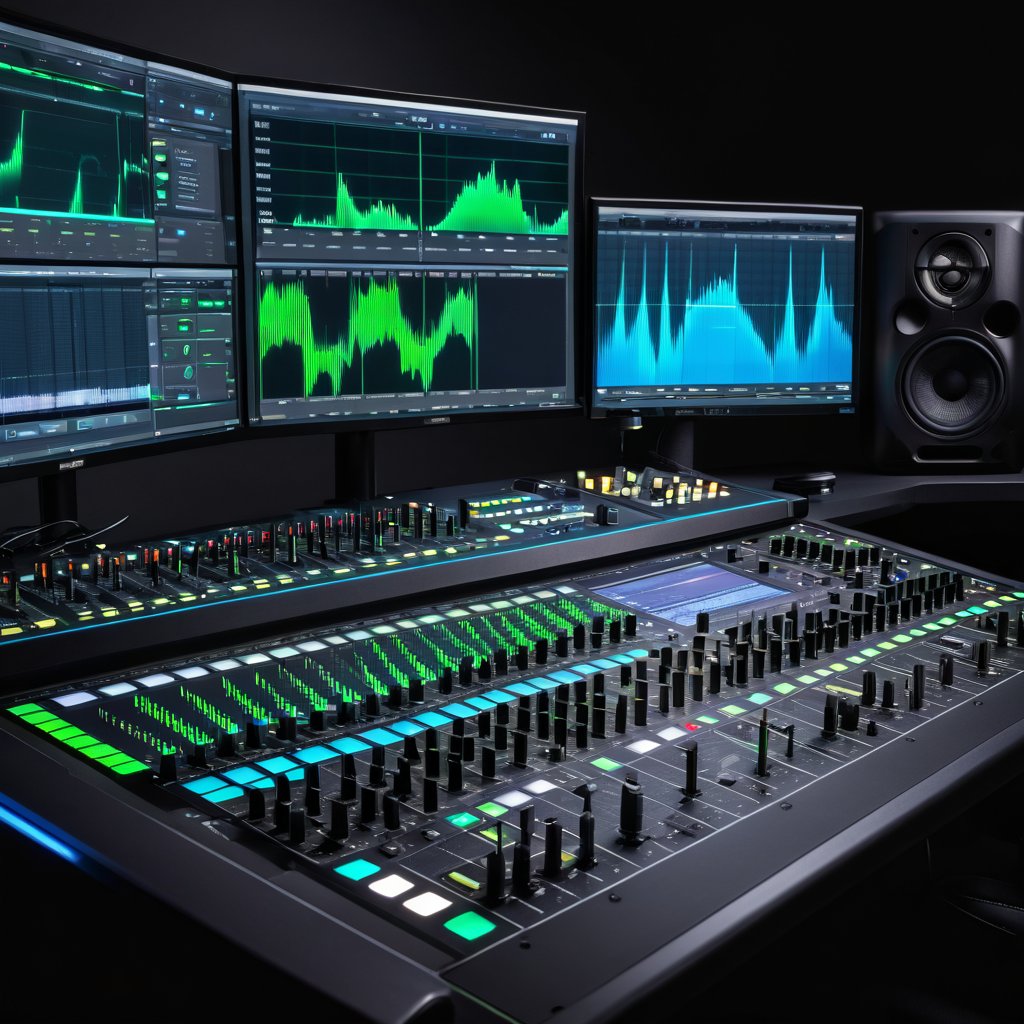
Creating immersive and dynamic audio for action games requires a blend of innovative audio design techniques and specialized game audio tools. Audio designers focus on crafting sounds that enhance gameplay experience, reacting fluidly to in-game events while maintaining high fidelity and performance efficiency.
One common audio design technique is adaptive audio, where sounds change in response to gameplay variables such as player actions, environment, or enemy proximity. This technique helps maintain player immersion by providing contextual sound feedback that evolves during play. Layering is another popular technique used to build complex audio textures by combining several sound elements—such as weapon fire, character movements, and ambient noise—into a cohesive soundscape that feels alive and responsive.
In addition to layering, the use of spatial audio techniques is crucial in action games, helping players locate sound sources in a 3D environment. Tools like binaural audio and 3D positional sound enhance gameplay by providing audio cues that align with on-screen action, improving situational awareness and reaction times.
To implement these audio design techniques effectively, game developers rely on powerful game audio tools. Digital audio workstations (DAWs) such as Ableton Live, Logic Pro, and Pro Tools enable sound designers to create, edit, and mix high-quality game audio assets. These platforms offer robust editing features, plugin support, and seamless integration with game development pipelines.
Middleware solutions like FMOD and Wwise are fundamental for integrating sound into game engines. These software tools offer real-time audio manipulation capabilities, adaptive music systems, and intuitive interfaces tailored for sound implementation without needing extensive coding. FMOD and Wwise allow designers to trigger sounds dynamically depending on game logic, proximity, or player state, making soundscapes feel alive and reactive.
Moreover, sound implementation workflows often involve direct integration with game engines such as Unity and Unreal Engine. Both engines support advanced audio features and middleware integration, simplifying the process of embedding complex audio behaviors within the game environment.
In summary, mastering audio design techniques like adaptive audio, layering, and spatial sound alongside utilizing comprehensive game audio tools such as DAWs, FMOD, and Wwise is essential for crafting compelling action game audio. These methods and tools combined ensure that the sound design not only complements the visual elements but also elevates the player’s engagement and immersive experience.
Creating Dynamic and Adaptive Audio
Designing dynamic audio that adapts in real-time requires the integration of interactive audio systems that respond fluidly to changes within the game environment. One common method involves layering multiple audio tracks that can be mixed and matched depending on the player’s actions or game events. These layers might include different intensities of music, environmental sounds, or character reactions, all of which shift seamlessly to maintain immersion.
Adaptive sound is often achieved using middleware tools that allow composers and sound designers to create audio assets that transition smoothly between different states. For instance, a combat encounter might trigger an energetic music layer, while exploration may activate softer ambient sounds. These changes are not predetermined but are instead controlled by the game engine based on variables like player health, location, or enemy proximity.
Dynamic audio systems also benefit from parameter-driven sound effects, where audio properties such as volume, pitch, or reverb react dynamically to game parameters. This interactive audio approach ensures the soundscape feels alive and responsive, enhancing player engagement by reflecting their choices and the evolving game world in real time.
Using Middleware for Audio Integration
In the complex workflow of action game audio design, middleware platforms such as Wwise and FMOD play a crucial role in streamlining sound integration. These tools act as intermediaries between the game engine and audio assets, enabling sound designers to implement, tweak, and optimize audio experiences without direct coding intervention. By leveraging audio middleware, developers can efficiently manage dynamic soundscapes, interactive music, and real-time audio effects that respond to gameplay events.
Wwise and FMOD offer powerful user interfaces that facilitate the creation of adaptive audio systems. They allow sound designers to assign audio states, triggers, and parameters that automatically adjust based on player actions and environmental changes within the game. This flexibility is particularly important in action games, where the pace and intensity often require seamless transitions and layered sound effects to enhance immersion.
Moreover, audio middleware simplifies collaboration between sound teams and programmers. Sound designers can independently update audio content and test changes without needing to recompile the entire game build. Both Wwise and FMOD support integration with popular game engines like Unity and Unreal Engine, making the implementation of complex audio behaviors more accessible and efficient.
In summary, the use of audio middleware such as Wwise and FMOD is indispensable for modern action game development. These tools help achieve sophisticated sound integration that elevates gameplay, enhances narrative delivery, and maintains a dynamic auditory experience throughout the game.
Challenges and Best Practices in Action Game Audio Design
Designing audio for action games presents unique challenges that can significantly impact the overall player experience. One of the primary audio design challenges is managing the complexity and intensity of sound elements without overwhelming the player. Action games often feature rapid gameplay with numerous simultaneous sound sources, such as gunfire, explosions, character movements, and environmental effects. Balancing these sounds to maintain clarity while enhancing immersion demands meticulous mixing and prioritization.
Another common challenge involves ensuring audio responsiveness and synchronicity with gameplay. Audio cues must align perfectly with player actions and game events to reinforce feedback and maintain engagement. Latency or mismatched sounds can break immersion and confuse players, reducing the perceived game audio quality.
Dynamic range management is also critical. Action games require impactful sounds that convey power and intensity, but excessively loud or abrupt audio can cause listener fatigue or mask other essential sounds. Effective use of compression, equalization, and spatial audio techniques can help maintain a balanced and immersive soundscape.
To overcome these audio design challenges, several best practices can be adopted. First, implementing an adaptive audio system that prioritizes sounds based on context and player focus ensures important cues are always audible. This approach helps maintain clarity without cluttering the soundscape.
Second, iterative testing with real gameplay scenarios is essential. This allows designers to fine-tune the audio balance, responsiveness, and overall quality based on actual player interaction rather than isolated test cases. Regular feedback cycles help identify and address issues early in development.
Third, leveraging middleware tools designed specifically for game audio can streamline the integration of complex sound behaviors and adapt audio content dynamically according to game states. These tools are invaluable for managing the complexity inherent in action game audio design.
Lastly, fostering close collaboration between audio designers, game developers, and testers ensures audio design aligns with gameplay goals and technical constraints. Open communication accelerates problem-solving and innovation, contributing to a higher standard of game audio quality.
By addressing the challenges of complexity, synchronization, and dynamic range with these best practices, action game audio design can achieve an immersive, responsive, and high-quality auditory experience that deeply engages players.
Balancing Audio Complexity and Performance
Maintaining high audio quality while optimizing for game performance constraints requires a delicate balance of audio complexity and system resources. Audio optimization is crucial in ensuring that sound design enhances the gaming experience without overloading the hardware. One effective strategy is to prioritize essential sounds and reduce the layers of non-critical audio elements during gameplay. This selective layering helps maintain clarity where it matters most, without compromising overall performance.
Another approach to performance balancing involves using efficient audio codecs and formats that retain sound fidelity while minimizing file sizes and memory use. Implementing real-time audio compression and adaptive audio streaming based on the player’s device capabilities can also optimize resource consumption dynamically. Additionally, limiting the number of concurrent audio channels and employing audio LODs (Levels of Detail) can reduce CPU load by scaling audio complexity according to the scene’s importance and distance from the player.
Game audio complexity can be further managed by scripting audio behaviors that trigger sounds contextually rather than continuously playing multiple tracks. This method not only saves processing power but also enhances immersion as sounds respond realistically to gameplay actions. Careful profiling and testing on target hardware ensures that the audio settings strike the right balance between immersive quality and smooth game performance, resulting in a polished and enjoyable auditory experience.
Ensuring Audio Accessibility
Creating inclusive game audio is essential to enhance the player experience for everyone, including those with hearing impairments. Audio accessibility in action games involves implementing techniques that allow all players to enjoy the game fully, regardless of auditory ability.
One effective technique is providing visual cues that correspond with important audio signals, such as footsteps, alerts, or enemy movements. These visual indicators can be icons, subtitles, or screen vibrations, ensuring that players who cannot hear the audio still receive critical information to succeed in the game.
Another approach involves customizable audio settings, allowing players to adjust volume levels for different sound types independently. For instance, separating dialogue, sound effects, and background music into adjustable channels lets players tailor their experience according to their hearing capabilities and preferences.
Additionally, offering sign language support or detailed subtitles for dialogue and important sound cues furthers audio accessibility. Clear, concise subtitles combined with descriptive tags help players understand the game’s audio environment without missing essential content.
Incorporating these strategies ensures your action game’s audio design is inclusive, improving the overall player experience by accommodating diverse needs. Prioritizing audio accessibility not only broadens your audience but also reflects a commitment to thoughtful, inclusive game design.

I’ve been playing video games since I was a kid, and that passion naturally led me to explore how they’re made. I love diving into game design concepts and sharing insights with fellow enthusiasts. When I’m not testing new titles, I’m tinkering with Unity and learning new programming tricks.