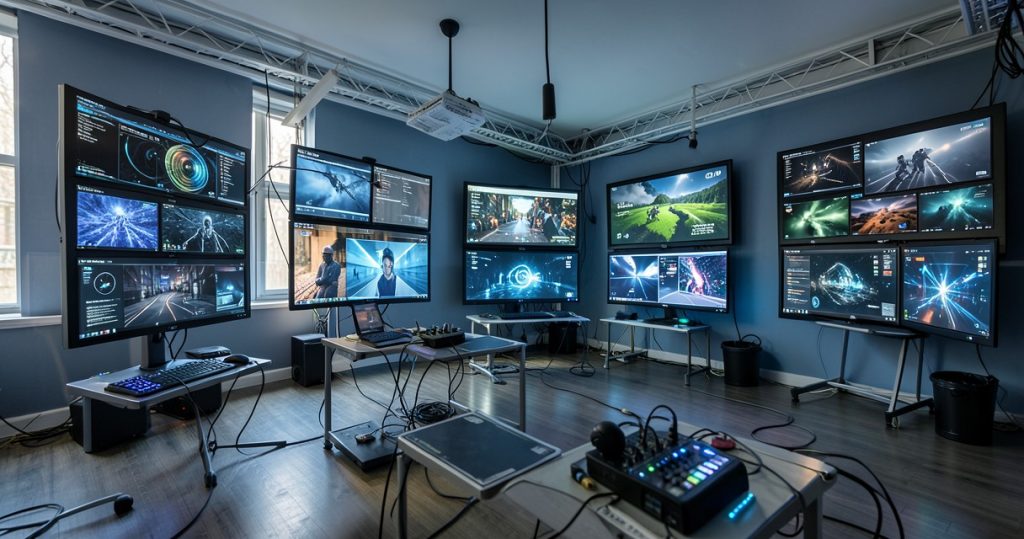

Virtual reality game development is an exciting and rapidly evolving field that combines technology, creativity, and interactivity to create immersive experiences for players. As VR technology continues to advance, understanding the essential elements of game development in this medium becomes increasingly important for aspiring developers. This article will explore the fundamental aspects you need to know about virtual reality game development, including the tools, techniques, and best practices that can help you succeed in this dynamic industry.
Understanding Virtual Reality Technology
To embark on a journey in virtual reality game development, it’s crucial to grasp the underlying technology. VR relies on headsets and motion tracking systems that provide users with a three-dimensional experience, making them feel as if they are within the game world. Popular VR headsets include the Oculus Quest, HTC Vive, and PlayStation VR, each offering unique features and capabilities. Familiarity with these devices will help you tailor your games to leverage their strengths and limitations, ensuring a more engaging experience for players.
Motion tracking technology is another essential component of VR. It allows players to interact with the virtual environment using their hands and body movements, enhancing immersion. Understanding how to implement tracking systems, such as those based on infrared sensors or cameras, is vital in creating responsive and interactive gameplay mechanics that keep players engaged.
Designing for Immersion
To craft an immersive experience, developers must focus on building engaging gameplay experiences as a core principle. Unlike traditional gaming, where players view the action through a screen, VR places them directly in the action. This means that game designers must consider factors such as spatial audio, realistic physics, and intuitive controls. To master spatial audio techniques, designers can explore various Game audio education resources for in-depth learning. For developers, Implementing audio in Unreal Engine can greatly enhance immersion through advanced 3D sound design techniques.
Effective Level design strategies are vital for creating a virtual environment that maximizes player immersion. Utilizing realistic textures and lighting can contribute to a believable world, while interactive elements encourage exploration. It’s important to create a balance between realism and gameplay, ensuring that players remain engaged without becoming overwhelmed by overly complex interactions or environments.
Choosing the Right Game Engine
When it comes to virtual reality game development, selecting the right game engine is paramount. Popular engines like Unity and Unreal Engine have robust support for VR development, offering tools and resources tailored specifically for creating immersive experiences. Unity, for example, provides a user-friendly interface, making it accessible for beginners, while also offering advanced capabilities for seasoned developers. Its extensive asset store allows for the integration of various VR assets, streamlining the development process.
On the other hand, Unreal Engine excels in delivering high-fidelity graphics, making it a preferred choice for developers aiming for visually stunning VR experiences. Understanding the strengths of each engine can help you make an informed decision based on your project’s requirements and your team’s expertise.
Implementing User Interaction
User interaction in virtual reality is distinct from traditional gaming due to the immersive nature of the medium. Developers must design intuitive control schemes that allow players to interact with the virtual world seamlessly. This often involves using hand controllers or gesture recognition systems that translate physical movements into in-game actions. It’s essential to create a user interface that complements the VR experience, ensuring that players can easily navigate menus and interact with objects without breaking immersion.
Testing user interactions with real players is vital during the development process. Gathering feedback on control responsiveness and overall usability can lead to refinements that enhance the player experience. Iterating on these elements based on player input can ultimately result in a more polished and enjoyable game.
Performance Optimization for VR
Understanding game development pipelines is essential for optimizing performance in virtual reality projects. VR games demand high frame rates to maintain a smooth and comfortable experience, as lower frame rates can lead to motion sickness. Developers should aim for a minimum of 90 frames per second to ensure fluid motion and responsiveness. This requires careful management of graphics, physics, and overall game complexity.
Techniques such as level of detail (LOD) management, occlusion culling, and efficient asset management can help improve performance. LOD management allows developers to reduce the complexity of distant objects, while occlusion culling prevents rendering objects that are not visible to the player. By implementing these strategies, developers can create visually appealing games that run smoothly on various VR platforms.
Testing and Quality Assurance
Thorough testing and quality assurance are essential in virtual reality game development. Given the unique challenges posed by VR, testing must go beyond traditional methods. Developers should conduct playtests with individuals who represent the target audience, ensuring that the game is enjoyable and accessible to players of all skill levels. Observing how players interact with the game can provide valuable insights into usability and design flaws.
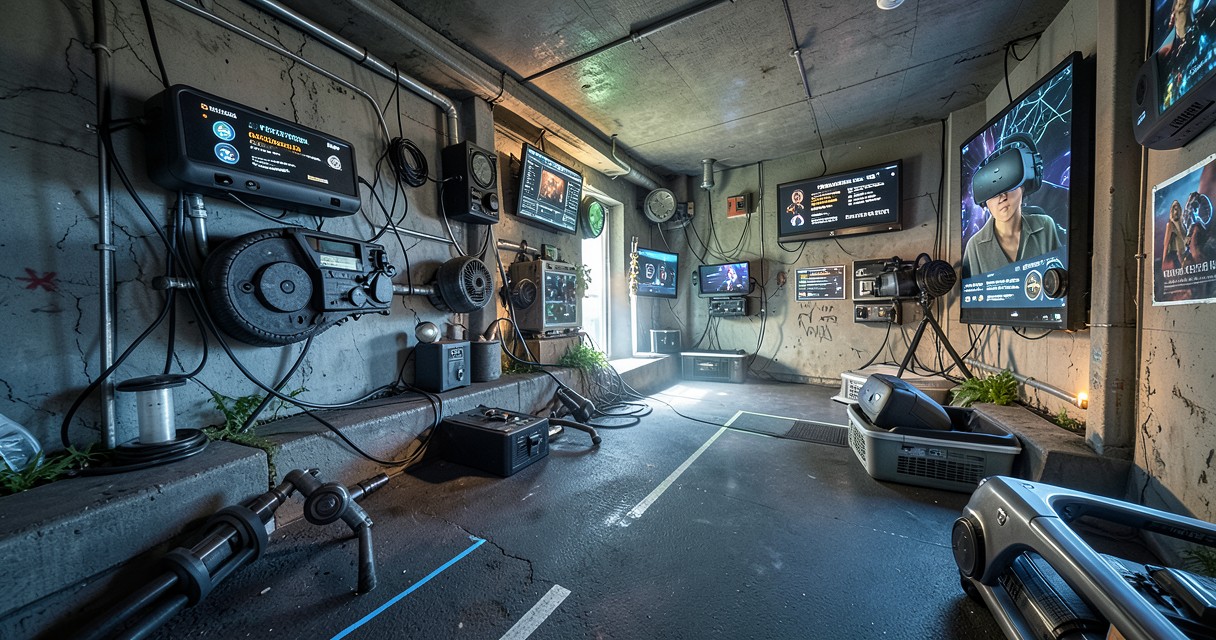
Quality assurance should also focus on identifying and resolving issues related to motion sickness, as some players may experience discomfort during VR gameplay. Ensuring that the game maintains a consistent frame rate and avoids abrupt movements can help mitigate these concerns. Regularly updating the game based on testing feedback can lead to a more refined final product.
Staying Updated with Industry Trends
The virtual reality landscape is continuously evolving, with new technologies and trends emerging regularly. Developers should stay informed about advancements in VR hardware, software, and user preferences. Engaging with the VR community through forums, conferences, and social media can provide insights into the latest innovations and best practices in virtual reality game development.
Additionally, exploring successful VR titles and analyzing what makes them engaging can inspire new ideas and approaches. Keeping an eye on industry leaders and trends can help developers adapt their strategies and remain competitive in a rapidly changing market. By staying updated, developers can better anticipate player needs and create experiences that resonate with audiences.

I’ve been playing video games since I was a kid, and that passion naturally led me to explore how they’re made. I love diving into game design concepts and sharing insights with fellow enthusiasts. When I’m not testing new titles, I’m tinkering with Unity and learning new programming tricks.