When studios scout for talent, the first thing that catches their eye is not a polished portfolio website, but the raw energy and technical range displayed in an artist works collection. In the competitive arena of game development, an artist works showcase must do more than look pretty; it must communicate the ability to iterate quickly, adapt to different visual styles, and contribute to a cohesive game vision. Studios are looking for problem solvers who can translate a design brief into compelling character concepts or environment props without constant hand-holding. The difference between a freelancer who gets hired and one who gets ignored often comes down to how well the artist works are organized, labeled, and presented in a context that speaks directly to the needs of a development team. It is about showing, not just telling, what you can bring to the table.
Curating a Cohesive Artist Works Narrative
Avoid treating your game sound design portfolio as a collection of unrelated pieces. Studios want to see a narrative arc, a sense of growth, or a consistent technical approach that suggests the artist can handle the ebb and flow of a production pipeline. A well-curated selection of artist works should demonstrate versatility within a coherent style, proving you can shift from gritty, low-poly aesthetics to sleek, high-fantasy concepts without losing your technical grounding. Think of your artist works as a story reel: each piece should lead naturally into the next, showcasing not just your skill, but your decision-making process. This approach helps art directors quickly gauge if your creative voice aligns with the project’s tone.
When selecting which artist works to feature, quantity rarely beats quality, especially in the early stages of recruitment. A focused portfolio of ten strong pieces that show clear range, such as three character designs, three environment concepts, and three UI or prop assets, is far more effective than fifty mediocre images. Studios often spend mere seconds scanning an initial submission, so every piece of artist works must earn its place. Include works that demonstrate your understanding of form, light, and color theory, but also prioritize pieces that show you can work within constraints, such as limited polygon counts or specific color palettes relevant to mobile or indie projects. This strategic curation signals that you understand the practical demands of game development.
Technical Presentation and File Management
Beyond the visual quality of the art itself, how you present your artist works technically can be a deal-breaker. File naming conventions might seem trivial, but for a studio manager juggling dozens of applicants, a chaotic folder structure is an immediate red flag. Artists should label files with project names, asset types, and version numbers for clarity. For instance, labeling a file “Hero_Protagonist_Final_v3” is infinitely more helpful than “final_v2_v3.jpg.” This level of professionalism in file management suggests you will bring the same organizational discipline to the studio’s internal pipelines and asset tracking systems.
Furthermore, the format and resolution of your artist works should align with the intended medium. Though 4K renders are visually striking, studios often focus on workflow efficiency for faster production. Providing a mix of turnarounds, close-ups, and context shots within your artist works portfolio demonstrates adaptability. Always include a brief description or an accompanying PDF sheet that explains the software used, the pipeline stage (concept, mid-production, final), and any specific technical challenges you overcame. This transparency saves the studio time and showcases your ability to communicate technical details effectively.
Leveraging Online Platforms for Visibility
In the digital age, where does an artist works showcase live? While a personal website is a great hub, studios frequent specific platforms where talent congregates. ArtStation remains the industry standard for many, but platforms like Behance or even specialized Discord communities for game dev can amplify your reach. The key is not just uploading images, but engaging with the community. Comment on other artist works, participate in challenges, and ensure your profile is updated regularly. Algorithms on these platforms favor active participants, meaning your artist works are more likely to be discovered by recruiters searching for specific skill sets.
However, simply having a presence is not enough; you must optimize your profiles for searchability within those platforms. Incorporate relevant keywords related to game development workflows into your bio and image descriptions. When describing your artist works, naturally integrate terms that studios search for, such as “stylized,” “low-poly,” “PBR,” or “pixel art,” depending on your specialty. This SEO-friendly approach ensures that when a studio filters their talent pool, your artist works surface higher in the results. Remember, the goal is to make it as easy as possible for a hiring manager to find you without you having to chase them down.
The Power of the Case Study Approach
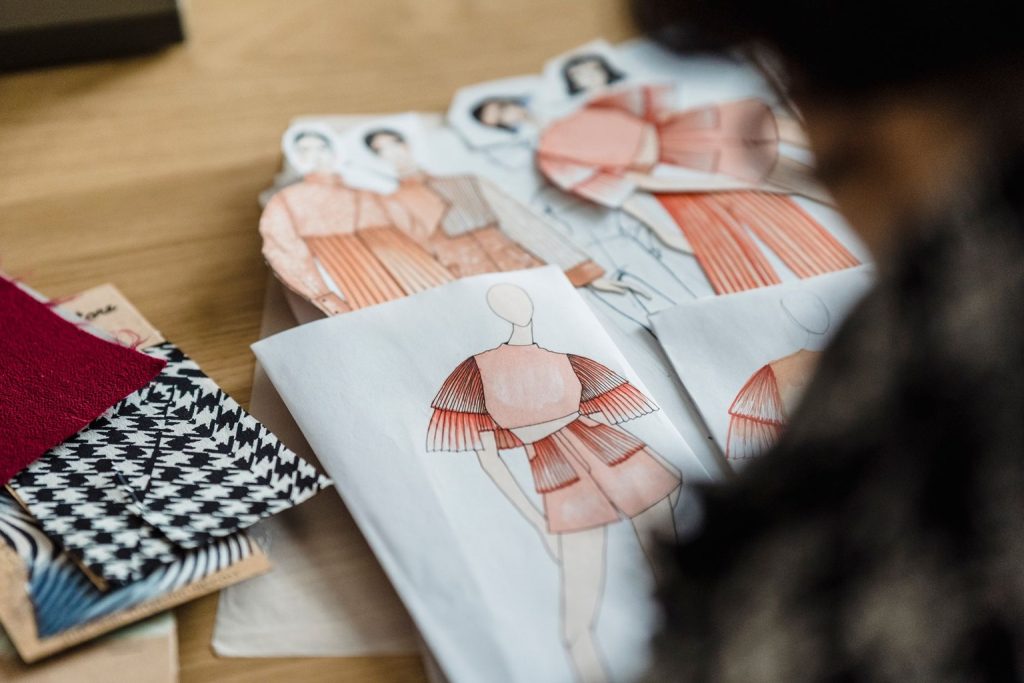
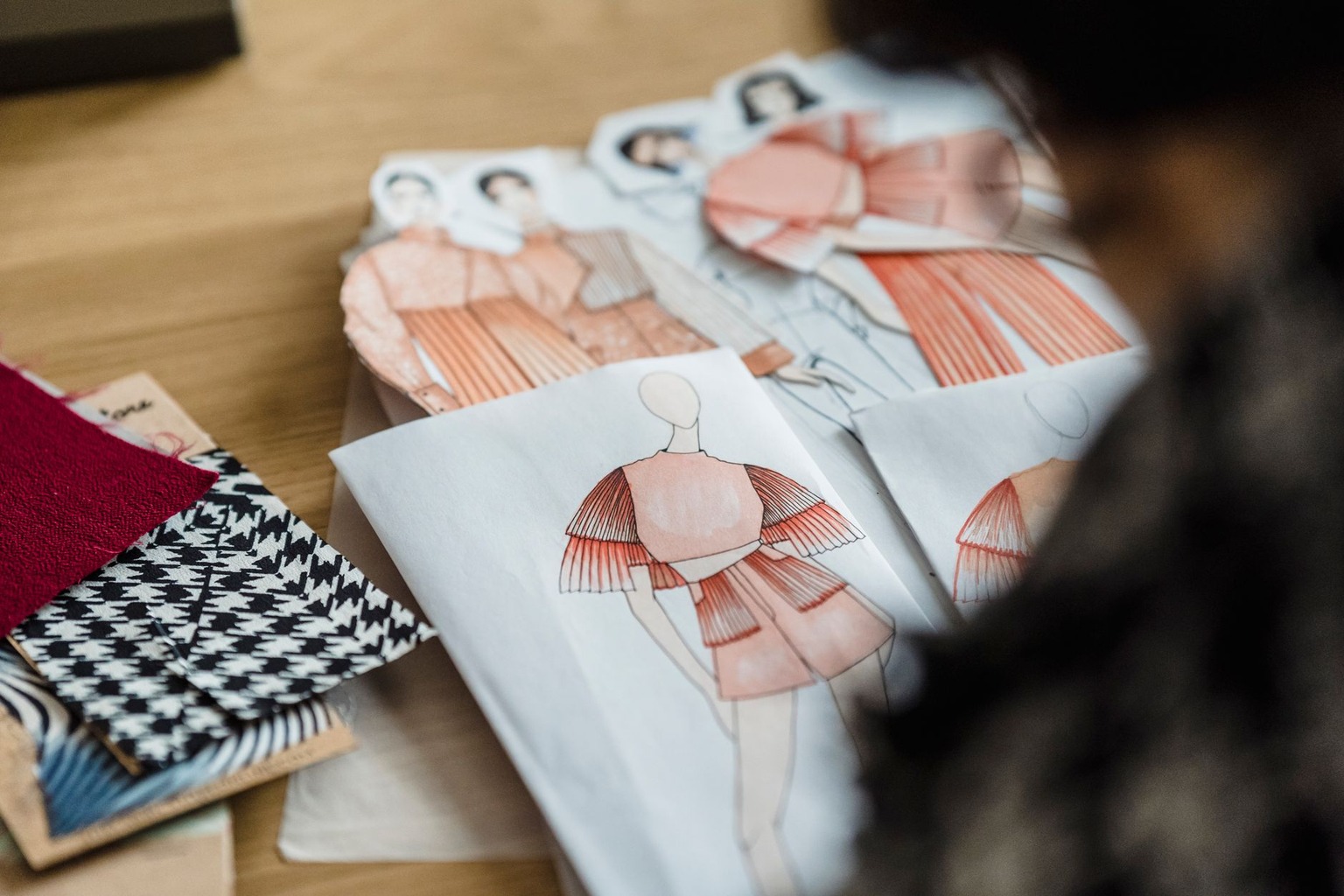
Rather than just posting a gallery of finished artist works, consider framing select pieces as case studies. This deeper level of exposition allows you to walk the viewer through your thought process, from initial thumbnail sketches to the final polished render. By documenting the evolution of a piece, you prove not only your artistic skill but your ability to iterate, take feedback, and solve problems, critical soft skills for any studio contract. A case study might include scans of your sketchbook, progress shots, and a final breakdown, offering a transparent look at your workflow.
This approach transforms your artist works from static images into a narrative of professional growth and technical proficiency. For instance, if you redesigned a character based on specific gameplay feedback, detail the changes you made and why. Did you adjust the silhouette for better readability in-engine? Did you modify the color palette to match the game’s mood? These details provide concrete evidence of your design thinking. Studios are investing in a collaborator, not just a pair of hands, and a case study approach proves you are a strategic thinker who adds value beyond the canvas.
Networking and the Hidden Job Market
A staggering number of studio contracts are filled through referrals and networking before a job ever hits a public board. Artists must actively engage within the game development ecosystem to stay relevant. Attending virtual game jams, participating in online critique sessions, and engaging with developers on social media can put your artist works in front of the right people. When you share your artist works in these contexts, frame them as solutions to specific problems or contributions to ongoing projects, rather than just self-promotion. This subtle shift in how you present your work can catch the eye of a lead artist looking for exactly the skill set you possess.
Moreover, contributing to open-source projects or mod communities can serve as a powerful form of artist works showcase. It demonstrates initiative, collaboration skills, and the ability to work within established codebases and asset pipelines. When you contribute to a mod or a community project, you are effectively doing a trial period of work that studios can observe. This “try before you buy” approach is often more convincing than any portfolio piece because it proves you can hit the ground running in a real development environment, reducing the risk for the studio when considering you for a contract.
Navigating Contract Terms and Expectations
Landing the interview is only half the battle; understanding what studio contracts entail is vital for long-term career sustainability. When discussing artist works and potential employment, clarify the rights to your work, the expected turnaround times, and the revision process. Some contracts might offer a flat fee per asset, while others pay by the hour or include royalties based on the game’s success. Being informed about these structures allows you to present your artist works pricing confidently and ensures there are no misunderstandings later. Always ask for a trial period or a sample project to demonstrate your capabilities before committing to a full-scale contract.
Additionally, discuss the tools and pipelines the studio uses. If they operate in Unity with specific shader graphs, or Unreal with particular material settings, aligning your artist works showcase and workflow to those tools can set you apart. Mentioning that you are already proficient in their preferred DAZ Studio, Blender, or Photoshop workflows demonstrates that you are a low-friction addition to their team. This technical alignment, combined with a stellar portfolio, makes you an attractive candidate for a studio looking to minimize onboarding time and maximize productivity from day one.

I’ve been playing video games since I was a kid, and that passion naturally led me to explore how they’re made. I love diving into game design concepts and sharing insights with fellow enthusiasts. When I’m not testing new titles, I’m tinkering with Unity and learning new programming tricks.