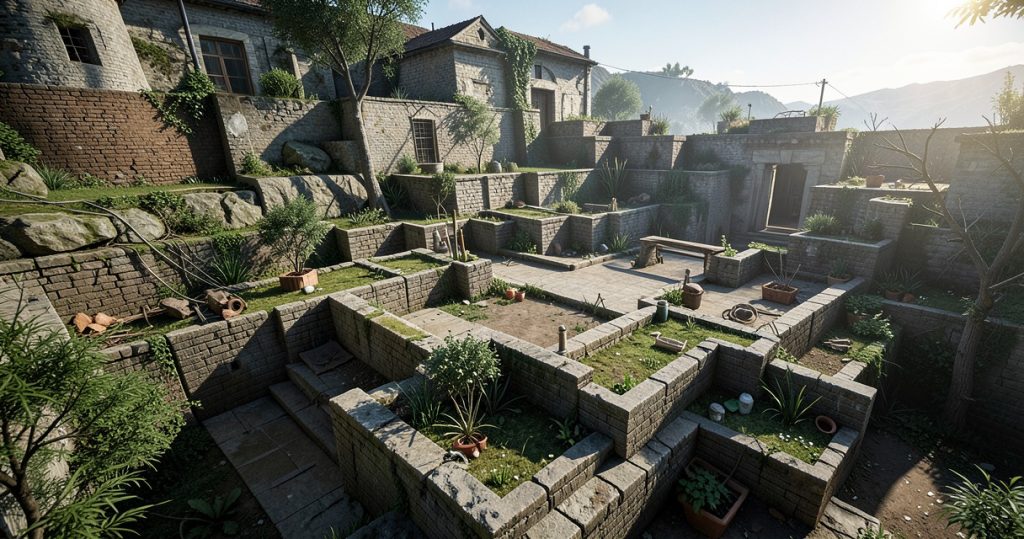
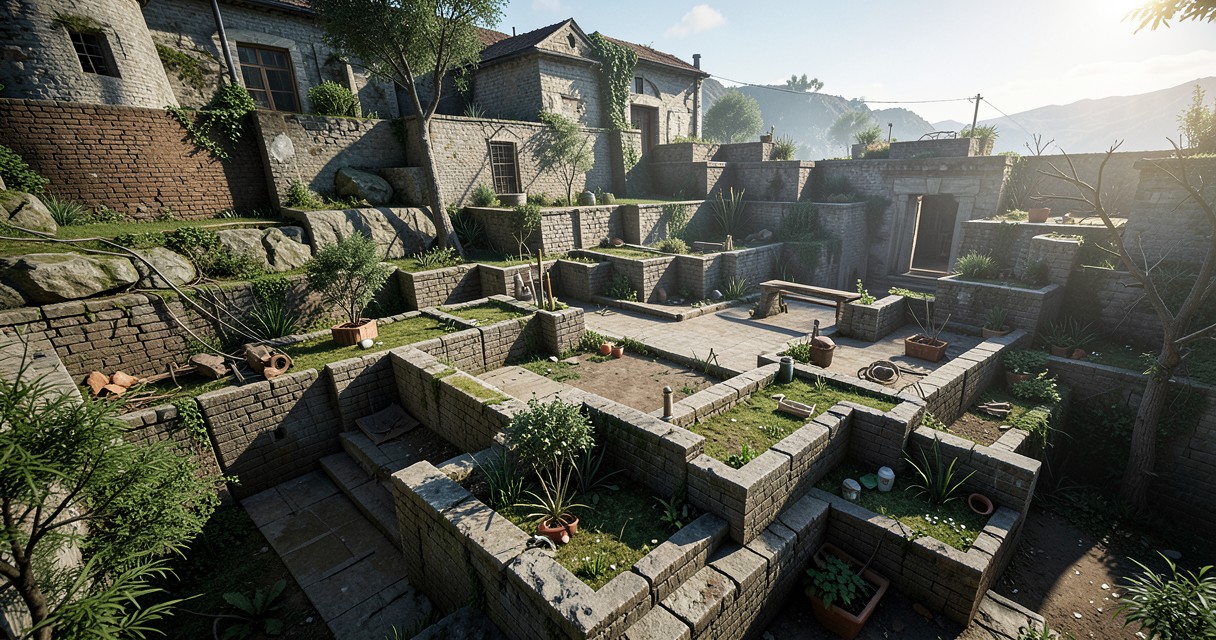
Level design is a critical aspect of game development that directly influences player engagement. Effective level design strategies can create immersive environments that captivate players and encourage them to explore, strategize, and connect with the game on a deeper level. This article will explore various level design strategies that enhance player engagement, providing insights and examples from the gaming industry.
Understanding Player Motivation
Before diving into specific level design strategies, it is essential to understand what motivates players. Players engage with games for various reasons, including challenge, exploration, narrative, and social interaction. By recognizing these motivations, designers can develop levels that cater to different player types. For instance, a level designed with exploration in mind might include hidden areas and secrets, rewarding players who venture off the beaten path. This approach not only enhances player engagement but also encourages replayability, as players may return to discover what they missed.
Creating a Sense of Progression
One effective level design strategy involves creating a clear sense of progression throughout the game. This can be achieved by gradually increasing the difficulty of challenges and introducing new mechanics at a steady pace. For example, in platformers like “Super Mario,” players start with simple jumps and gradually face more complex obstacles as they advance through the levels. This incremental challenge keeps players engaged, as they feel a sense of accomplishment with each completed level. Incorporating checkpoints and rewards for reaching milestones can further enhance this feeling of progression.
Utilizing Environmental Storytelling
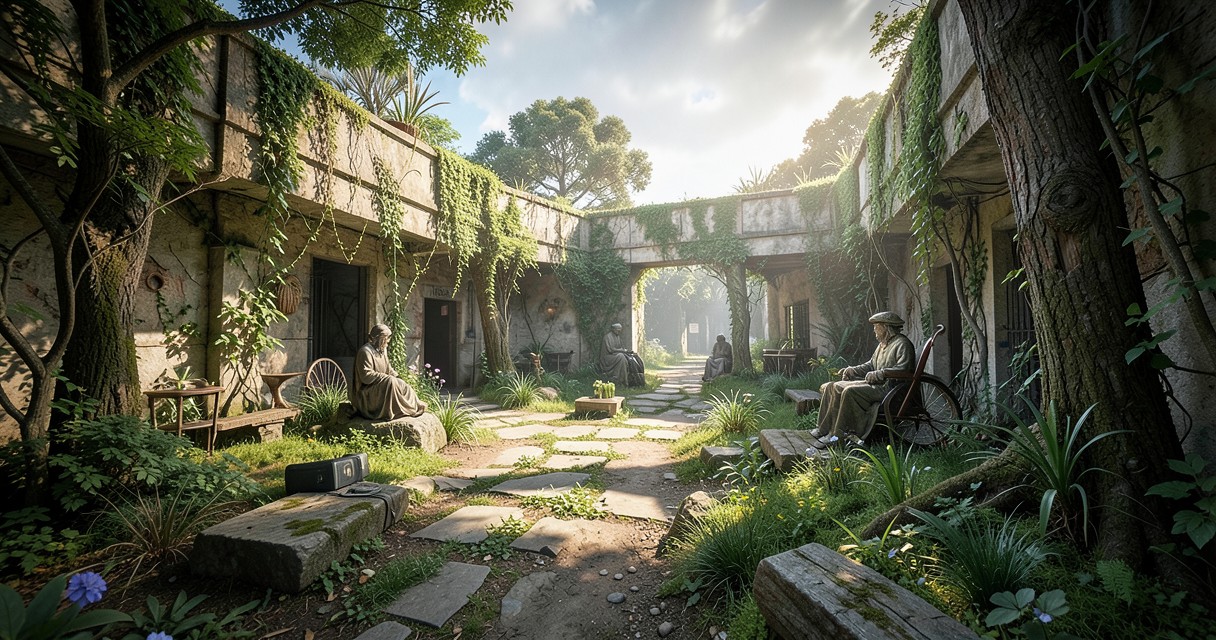
Environmental storytelling is a powerful tool in level design that can significantly enhance player engagement. By embedding narrative elements within the game environment, designers can convey stories and themes without relying solely on dialogue or cutscenes. Games like “The Last of Us” and “Dark Souls” excel at this, using their environments to tell rich backstories and create emotional connections with players. For instance, a decaying building may hint at a once-thriving community, inviting players to piece together the narrative as they explore. This strategy not only immerses players but also encourages them to pay attention to details, fostering a deeper connection to the game world.
Implementing Dynamic Challenges
Dynamic challenges are another effective level design strategy that can enhance player engagement. By introducing elements that change based on player actions, designers can create a more interactive and responsive experience. For example, in “Left 4 Dead,” the AI Director adjusts the game’s difficulty based on player performance, ensuring that the experience remains challenging without becoming frustrating. This adaptability keeps players on their toes and encourages them to refine their strategies, enhancing their overall engagement with the game.
Incorporating Feedback Mechanisms
Feedback mechanisms are crucial in level design as they provide players with immediate responses to their actions. This can take many forms, such as visual cues, audio feedback, or haptic responses. For instance, when a player successfully completes a challenge or finds a hidden item, providing celebratory sounds or visual effects can reinforce their success. Games like “Portal” effectively use feedback to enhance engagement, as players receive clear indicators of their progress and performance. By ensuring that players receive consistent feedback, designers can create a more satisfying and immersive experience.
Encouraging Social Interaction
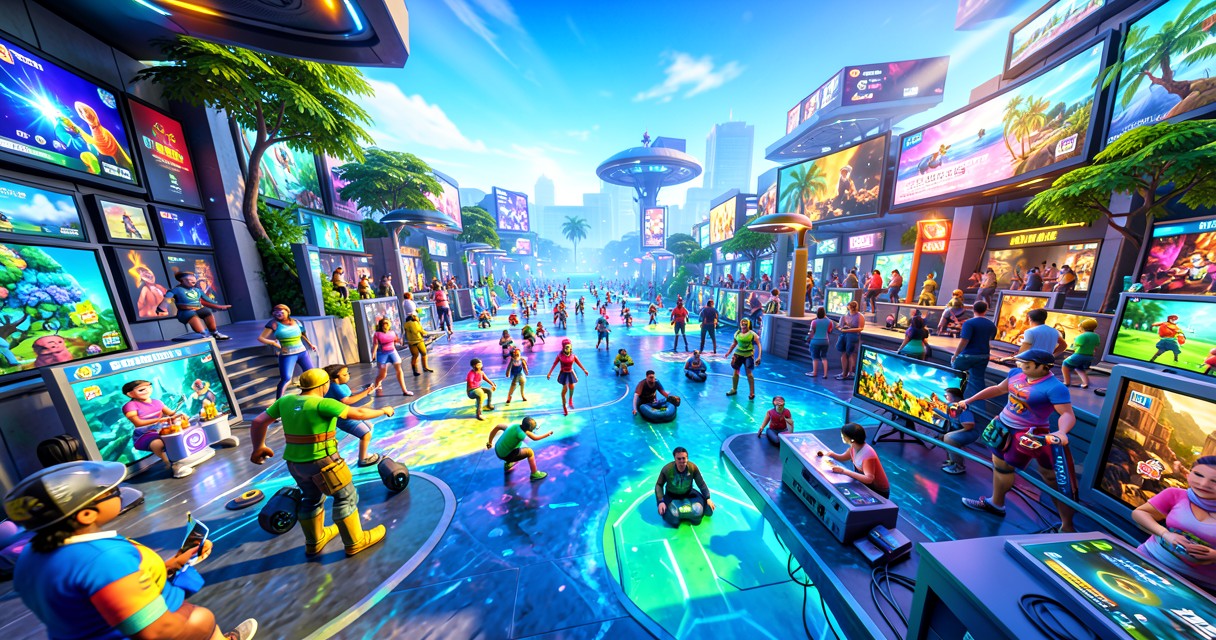
Incorporating social elements into level design can significantly enhance player engagement, especially in multiplayer games. Designing levels that encourage cooperation, competition, or social interaction can create memorable experiences. For example, in “Overwatch,” levels are designed with team-based strategies in mind, promoting collaboration among players. Additionally, incorporating features like leaderboards or achievement systems can foster a sense of community and friendly competition, encouraging players to engage with both the game and each other. This social aspect can be a powerful motivator, driving players to return and participate in the game regularly.
Balancing Accessibility and Challenge
Striking the right balance between accessibility and challenge is a vital level design strategy. Levels should be designed to accommodate a broad range of player skill levels while still providing enough challenge to keep experienced players engaged. This can be achieved through multiple difficulty settings, optional challenges, or scaling mechanics that adjust based on player performance. For instance, games like “Celeste” offer assistive features that allow players to customize their experience, making it accessible to newcomers while still offering a satisfying challenge for veterans. This inclusivity can enhance player engagement by ensuring that everyone can enjoy the game, regardless of their skill level.

I’ve been playing video games since I was a kid, and that passion naturally led me to explore how they’re made. I love diving into game design concepts and sharing insights with fellow enthusiasts. When I’m not testing new titles, I’m tinkering with Unity and learning new programming tricks.