Introduction to Game Sound Design
Game sound design is a crucial element in the world of game audio that involves creating and implementing sound effects, ambient noises, character sounds, and music to enhance the gaming experience. It is far more than just adding background noises; it is the art and science of crafting audio that complements the visuals and gameplay, making the virtual world feel alive and responsive. Understanding audio basics in game sound design is essential for developers and sound designers who want to deliver a more engaging and immersive experience to players.
At its core, game sound design serves several critical roles in gaming. One of the primary functions is to boost immersion, which is the sense of being fully absorbed in the game world. By using carefully designed sounds that match the game’s environment and actions, players feel like they are part of the story and setting. For instance, the rustling of leaves, footsteps on different surfaces, or echoes in a cavern all contribute to making the game world believable and dynamic.
In addition to immersion, game sound design plays a fundamental part in storytelling. Audio cues and sound effects help convey narratives and emotions without relying solely on visuals or text. Well-designed sound elements can signal danger, highlight achievements, or provide subtle hints to guide players through the gameplay. Sound design introduction often emphasizes this storytelling power because it turns games into multi-sensory experiences that resonate deeply with players.
Moreover, game sound design is an integral part of gameplay mechanics. Sounds inform players about their interactions with the game world, such as confirming a successful action, alerting them to unseen threats, or enhancing the impact of certain events. This interactivity in audio adds an extra layer of feedback and engagement, which is vital in creating a seamless and enjoyable gaming experience.
In summary, game sound design is much more than background noise; it is an essential component that enriches the entire gaming experience. By mastering game audio and mechanics, developers can create immersive worlds filled with life and emotion. Whether through subtle ambient sounds or dynamic audio effects, game sound design brings stories to life and transforms games into captivating adventures that players will remember.
The Role of Sound in Games
Sound plays a crucial game sound role by significantly enhancing the gameplay experience. It acts as an essential layer that brings virtual worlds to life, making the game environment feel more realistic and immersive. Whether it’s the subtle rustling of leaves, the roar of an explosion, or character dialogues, audio effects create an atmosphere that captivates players and keeps them engaged.
Beyond setting the scene, sound conveys emotion in ways visuals alone cannot. For instance, tense music can build suspense during critical moments, while joyful melodies can celebrate victories. This emotional connection deepens player investment, making the game’s story and characters more memorable.
Moreover, sound improves player feedback by providing real-time auditory cues about in-game actions. From the distinctive click of weapon reloads to enemy footsteps approaching, audio effects help players understand their environment and react accordingly. This feedback is vital for gameplay mechanics, ensuring players can make informed decisions quickly.
Overall, the integration of sound enhances game immersion by creating a richer, more believable experience. It complements visuals and gameplay elements to fully engage the player’s senses, elevating the overall enjoyment and depth of the gaming experience.
Overview of Sound Design Elements
In game sound design, several key sound elements work together to create an immersive auditory experience. These components include sound effects, music, dialogue, and ambient sound, each playing a distinct role in shaping the player’s engagement and emotional response.
Sound effects are crucial for providing feedback and enhancing gameplay actions. From the subtle click of a button to the explosive roar of a battle scene, sound effects help graphically illustrate the virtual world and make interactions feel tangible. They contribute to the realism and responsiveness of the game environment.
Music sets the tone and emotional backdrop throughout the game. It can heighten suspense, evoke excitement, or create a calming atmosphere depending on the scene. Skilled composers tailor the soundtrack to support the narrative arc and player progression, making music an integral element of game sound design.
Dialogue conveys story and character personality, driving the game’s plot forward. Clear and expressive voice acting allows players to connect with characters, adding depth to the gaming experience. Dialogue often works hand in hand with other sound elements for seamless storytelling.
Ambient sound encompasses background noises that enrich the game world’s realism. This can include environmental sounds like wind, birdsong, or urban bustle, which help establish setting and atmosphere. Ambient sound subtly anchors players in the game space, enhancing immersion through continuous sound design layers.
Core Techniques in Game Sound Design
Sound design techniques are crucial in creating immersive and engaging game audio experiences. Among the fundamental methods used in game sound design are layering, spatialization, and dynamic audio. Each technique plays a significant role in crafting rich, believable soundscapes that enhance gameplay and player immersion.
Layering involves combining multiple audio tracks to produce a richer, more complex sound. For instance, a single gunshot sound can be layered with various effects such as echo, mechanical clinks, and environmental reverberations to make it feel more lifelike and impactful. This technique allows sound designers to manipulate the audio in detailed ways, creating textures that are not achievable through a single sound source. Layering is an essential sound creation process that helps bring depth and variety to game audio effects.
Spatialization is the technique of positioning sounds in a three-dimensional space relative to the player’s perspective. This can be achieved through audio processing tools that simulate direction, distance, and environmental acoustics. Spatial audio processing enhances the realism of game worlds by making sounds appear to come from specific locations, helping players detect the direction of in-game events. Proper spatialization is vital for first-person shooters, VR games, and any genre where sound cues guide player interaction.
Dynamic audio refers to the system where game sounds change in response to gameplay conditions. This means that sounds are not static but adapt to the player’s actions, game state, or environment. For example, background music might intensify during combat or weather sounds might grow louder in a storm. Dynamic audio requires sophisticated sound design techniques and real-time audio processing to blend and adjust sounds seamlessly. It significantly enhances player immersion by reinforcing the game’s atmosphere and narrative in a responsive way.
Incorporating these core sound design techniques—layering, spatialization, and dynamic audio—ensures a more interactive and captivating audio experience in games. Mastering these methods equips game developers and sound designers with the tools needed to create compelling audio that resonates with players and elevates the overall quality of game audio effects.
Creating and Editing Sound Effects
Creating and editing sound effects is a crucial part of game sound design, involving both practical recording and digital manipulation techniques. One of the primary methods for sound effects creation is Foley recording, where everyday objects are used to mimic sounds needed in the game environment. For example, footsteps, cloth rustling, or weapon handling sounds can be recorded with a microphone in a controlled environment. Foley offers highly customizable and organic sounds that can be tailored to match the game’s unique atmosphere.
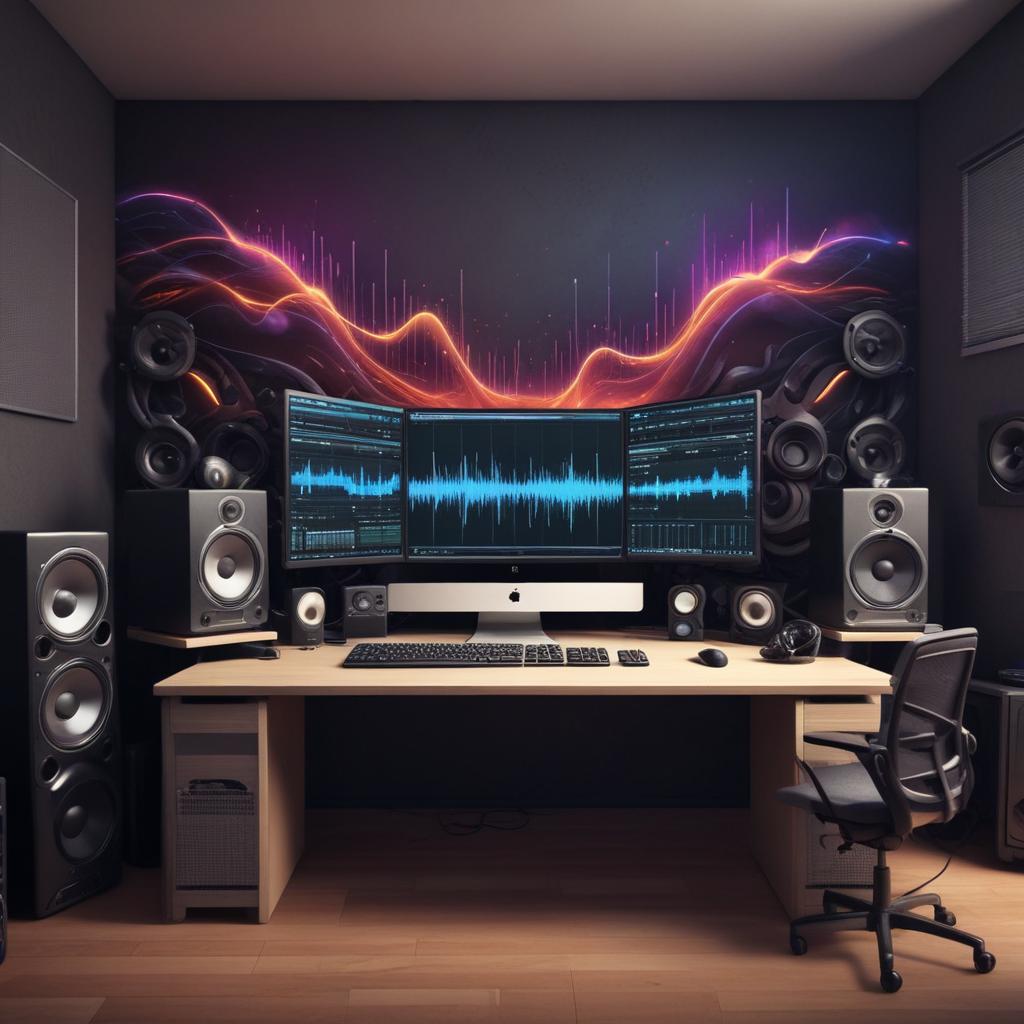
Once the raw sounds are recorded, editing sounds digitally allows for further refinement and creativity. Using digital audio workstations (DAWs), sound designers can cut, layer, pitch-shift, and apply various effects such as reverb, delay, or distortion to enhance the original recordings. This digital audio manipulation not only improves sound quality but also helps in creating entirely new textures and atmospheres that might be impossible to capture naturally.
The combination of Foley techniques with sophisticated digital audio tools enables the production of rich and immersive soundscapes. By experimenting with layering multiple sound effects and manipulating their properties, sound designers can achieve dynamic audio cues that respond naturally within the gaming environment. Understanding both hands-on Foley work and digital editing is essential for creating compelling sound effects that elevate the player’s experience.
Implementing Audio in Game Engines
Integrating sound into game engines is a crucial step in game audio implementation, allowing sound designers to bring their audio assets to life within interactive environments. Popular game engines like Unity and Unreal Engine provide robust platforms for sound integration, but often rely on external audio middleware to maximize flexibility and control. Middleware tools such as FMOD and Wwise are industry standards that streamline the process, enabling designers to implement, manipulate, and optimize audio directly inside the engine without extensive coding.
Using these middleware solutions, sound designers can import audio assets, create interactive sound events, and define complex behaviors such as adaptive music and real-time parameter changes. FMOD and Wwise serve as a bridge, translating audio designs into game engine-compatible formats and managing playback efficiently during gameplay. This integration supports dynamic audio that reacts to game states, player actions, and environmental factors, enhancing player immersion and game feel.
Both FMOD and Wwise offer user-friendly interfaces and comprehensive APIs that allow seamless synchronization with game engines. This synergy reduces development time and offers greater creative freedom by letting sound designers focus more on art and less on technical constraints. In summary, mastering game audio implementation involves leveraging these powerful middleware tools for smooth and effective sound integration within modern game engines.
Best Practices and Challenges in Game Sound Design
Game sound design presents a unique set of challenges that audio professionals must navigate to create an immersive and enjoyable experience. One of the primary sound design challenges is achieving a cohesive sound balance where all audio elements—from dialogue and sound effects to background music—complement rather than overpower each other. Balancing these elements requires careful attention to their relative volumes, frequency ranges, and spatial placement within the game world.
Optimizing game audio is another crucial aspect of the process. Sound designers must ensure that audio assets do not excessively consume system resources, which can affect game performance. This involves techniques such as using compressed audio formats, limiting the number of simultaneous sounds, and employing procedural audio generation where possible. Efficient game audio optimization helps maintain smooth gameplay without sacrificing auditory quality.
Best practices for sound balancing and optimization include consistently testing audio in different gameplay scenarios. This allows designers to identify any sounds that may be too loud, too soft, or distracting under various conditions. Additionally, leveraging adaptive audio techniques—where sounds dynamically change based on player actions or environmental factors—enhances the player’s engagement and immersion.
Another challenge is ensuring compatibility across diverse hardware setups, from high-end PCs to mobile devices. Sound designers must test extensively on multiple platforms to guarantee consistent audio quality. Utilizing middleware tools like FMOD or Wwise can aid in managing complex audio behaviors and streamlining cross-platform audio deployment.
Finally, thorough and ongoing testing is essential for identifying bugs or audio clipping issues that could detract from the player experience. Encouraging feedback from playtests helps refine the audio mix and ensures that sounds support gameplay effectively. By embracing these best practices, sound designers can overcome the inherent challenges of game sound design and deliver an optimized, balanced soundscape that enhances the overall game experience.
Optimizing Sound for Performance
Optimizing audio is crucial for maintaining smooth game performance and minimizing load times. One of the primary techniques to achieve this is sound compression. By compressing audio files, developers reduce their size without significantly compromising quality, which helps to conserve bandwidth and storage resources. Popular compression formats like Ogg Vorbis and MP3 are widely used in games for this purpose.
Effective resource management also plays a vital role in audio optimization. This includes carefully managing how audio assets are loaded and played during gameplay. Streaming large audio files instead of loading them entirely into memory can prevent performance bottlenecks. Additionally, implementing audio pooling—reusing sound instances rather than creating new ones repeatedly—helps reduce CPU overhead associated with sound playback.
Another technique involves adjusting the quality settings dynamically based on the device’s capabilities. This adaptive approach ensures that players on lower-end hardware experience smooth gameplay without being burdened by heavy audio processing. Developers can also prioritize essential sounds and reduce or temporarily disable less critical audio elements during intense gameplay moments to maintain optimal game performance.
In summary, audio optimization requires balancing quality and efficiency through sound compression, smart resource management, and adaptive playback strategies. These practices ensure that sound enhances the gaming experience without negatively impacting overall game performance or increasing load times.
Balancing Sound for Player Experience
Sound balancing is a crucial aspect of game sound design that directly influences the player experience. Effective audio mixing involves adjusting the volume levels and equalization of various sound layers—such as dialogue, background music, sound effects, and ambient sounds—to ensure clarity and immersion. Without proper sound balancing, important audio cues can be buried under louder elements, causing confusion or frustration for the player.
By carefully controlling volume and blending different audio layers, developers create a cohesive soundscape where every sonic element has its place. This not only enhances the emotional impact of the game but also provides players with clear auditory guidance, helping them respond to game events intuitively. For example, subtle sound effects indicating nearby threats must be audible yet not overpower the main soundtrack.
Good audio mixing requires an understanding of the player’s perspective and the game’s context, balancing excitement with auditory comfort. When done right, sound balancing elevates the gameplay experience by making it engaging without overwhelming the senses. It is an ongoing process during development, often involving adjustments based on player feedback and testing in different environments.
Overall, mastering sound balancing is essential for creating an immersive and enjoyable player experience, where every sound contributes meaningfully to the game’s world and narrative.

I’ve been playing video games since I was a kid, and that passion naturally led me to explore how they’re made. I love diving into game design concepts and sharing insights with fellow enthusiasts. When I’m not testing new titles, I’m tinkering with Unity and learning new programming tricks.