Game audio sits at the intersection of storytelling, player immersion, and technical execution, making it a discipline that demands both artistic sensibility and engineering precision. Aspiring sound designers, composers, and audio programmers often struggle to find structured pathways that bridge theory with the hands‑on demands of modern game engines. Fortunately, a growing ecosystem of educational resources now offers clear routes from beginner fundamentals to professional‑level mastery. By tapping into formal programs, online courses, community tutorials, software‑specific workshops, industry gatherings, and mentorship networks, developers can build a robust skill set that directly translates to higher‑quality soundscapes, adaptive music systems, and more engaging gameplay experiences.
Formal Training Programs for Game Audio
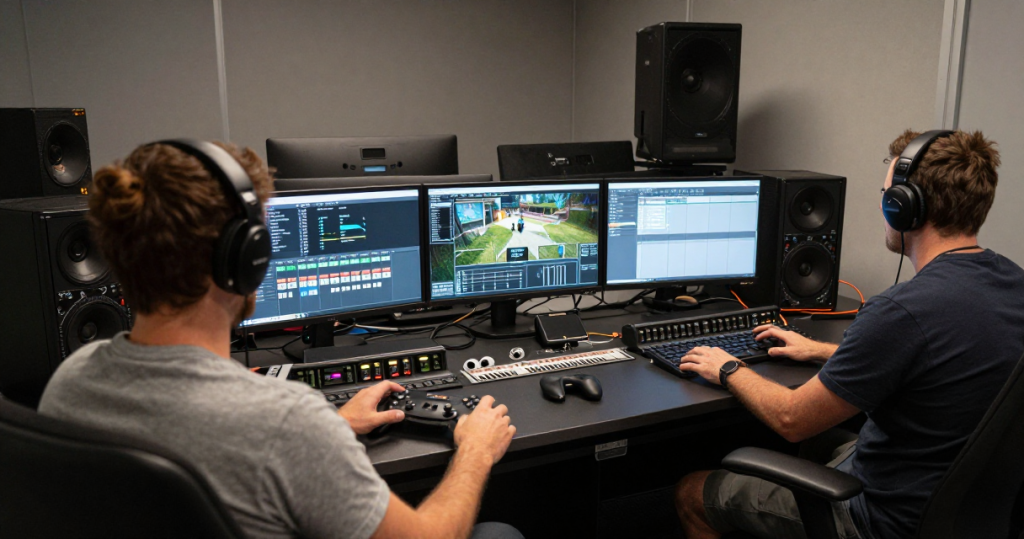
Universities and specialized institutes have begun to embed game audio curricula within broader game development degrees, providing students with accredited coursework that covers acoustics, interactive music theory, and spatial sound design. Programs such as the Bachelor of Science in Game Audio at the Savannah College of Art and Design allocate up to 30 credit hours to studio labs, where learners compose, mix, and implement audio assets in Unity or Unreal Engine under the guidance of industry veterans. Graduates leave with a portfolio of finished levels, a deep understanding of middleware like FMOD and Wwise, and often a network of alumni that facilitates entry‑level positions at studios worldwide.
Beyond degree programs, many technical schools offer intensive certificate tracks that compress core concepts into a single semester. These bootcamps focus on practical deliverables: students might produce a complete sound design document, record and edit Foley for a prototype, and script dynamic music cues using C# or Blueprint visual scripting. The condensed format appeals to professionals seeking career pivots, and the hands‑on assessment model ensures that participants can demonstrate competence to prospective employers without the time commitment of a full degree.
Online Courses and Certification Platforms
Digital learning platforms have democratized access to high‑quality game audio instruction, allowing learners to study at their own pace while still earning recognized credentials. Websites such as Coursera, Udemy, and Pluralsight host courses taught by seasoned audio engineers from studios like Blizzard and Naughty Dog, covering topics ranging from basic sound synthesis to advanced implementation of adaptive music systems. Many of these courses incorporate downloadable project files, enabling students to experiment directly within their preferred engine and receive automated feedback through integrated quizzes and peer review forums.
Certification programs offered by middleware developers provide another layer of credibility. FMOD’s “Certified Sound Designer” track, for example, requires candidates to complete a series of module exams that test both theoretical knowledge and practical proficiency in building complex audio events. Successful applicants receive a badge that can be displayed on resumes and professional profiles, signaling to recruiters that the holder can navigate the tool’s event‑driven workflow, optimize performance for mobile platforms, and troubleshoot common integration pitfalls.
Free Tutorials and Community Resources
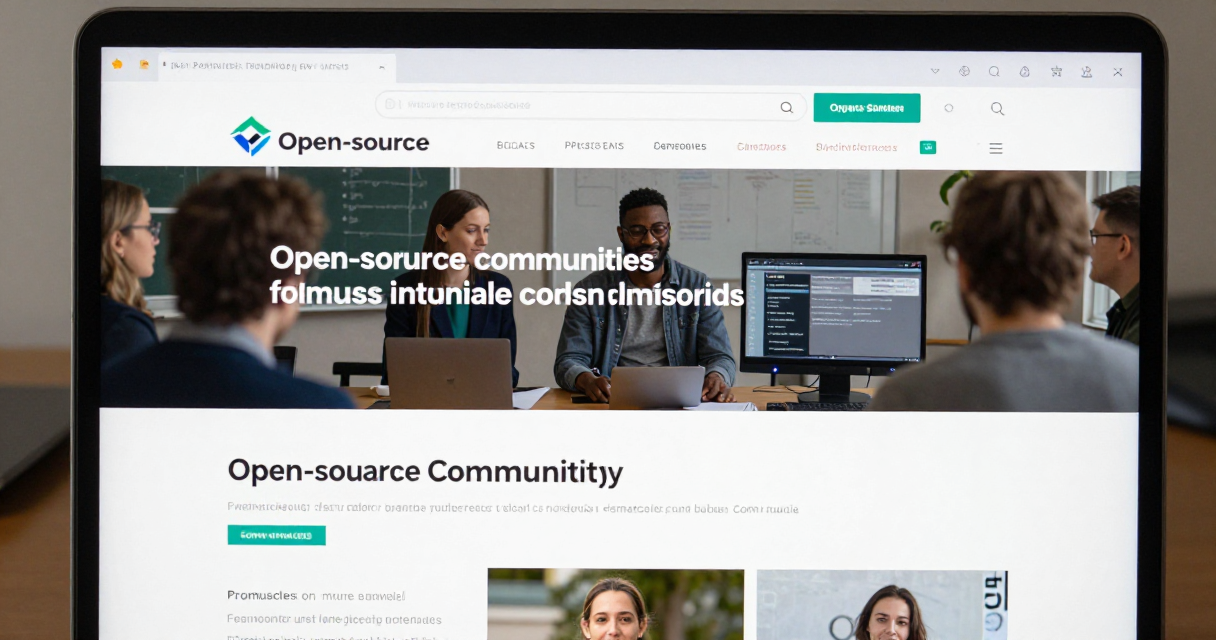
Open‑source communities and enthusiast forums continue to be invaluable reservoirs of practical knowledge, especially for those on a tight budget. Websites like GameAudio.org aggregate tutorials that walk readers through the creation of ambient soundscapes, the layering of combat audio, and the implementation of 3‑D positional effects using OpenAL or the built‑in audio pipelines of Godot Engine. Contributors often share project archives, allowing newcomers to dissect real‑world examples and adapt techniques to their own prototypes.
On Akinola Akinyemi they explain how to get into game audio—watch the beginner’s guide right here.
Channels like “Audio for Games” and “Game Audio Guild” frequently share detailed tutorials on the game sound design workflow, including field recording and interactive music scripting. These visual guides complement written documentation by illustrating the exact UI navigation required in popular tools, reducing the learning curve for developers who prefer a more visual teaching style. Community Discord servers further enrich the experience by offering live Q&A sessions, collaborative sound‑design challenges, and feedback loops that help creators refine their work in real time.
Specialized Software Workshops
Software vendors frequently host focused workshops that dive deep into the capabilities of their audio middleware, providing participants with insider tips that often go undocumented in public manuals. For instance, Wwise’s annual “Audio Integration Bootcamp” brings together developers for a three‑day intensive where they build a complete interactive music system from scratch, learn to profile CPU usage, and explore advanced features like real‑time parameter control. Attendees leave with a set of custom templates and a clear roadmap for scaling their audio projects across multiple platforms.
Similarly, FMOD offers regional webinars that address niche topics such as implementing binaural audio for VR experiences or optimizing sound assets for low‑end handheld devices. These sessions are typically led by engineers who have contributed directly to the engine’s core, ensuring that participants receive guidance that aligns with the latest updates and best practices. By participating, developers not only acquire technical proficiency but also gain early access to upcoming features, positioning them to stay ahead of industry trends.
Audio Design Conferences and Game Jams
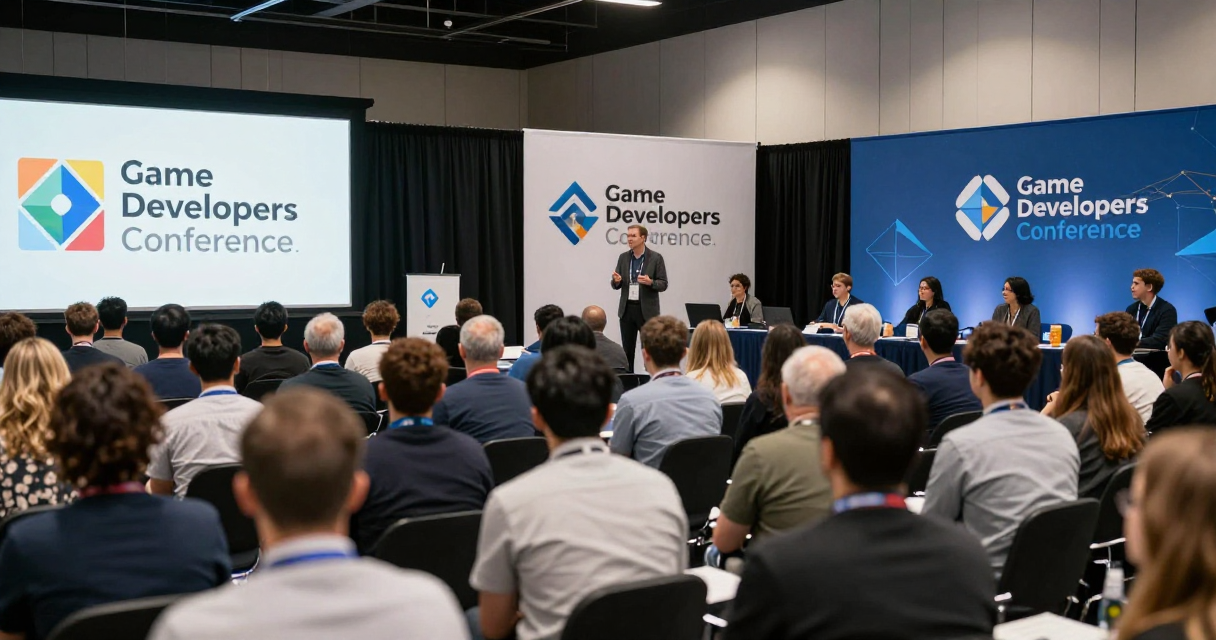
Industry conferences provide fertile ground for networking, skill acquisition, and exposure to emerging technologies. Events like the Game Developers Conference (GDC) host dedicated audio tracks where seasoned composers present case studies on adaptive scoring, while technical artists demonstrate real‑time sound synthesis pipelines. Workshops at these gatherings often include hands‑on labs where attendees prototype audio for a live demo, receiving immediate critique from peers and mentors.
Game jams that emphasize audio, such as the “AudioJam” series, challenge participants to create a complete soundscape within a 48‑hour window. These rapid‑development environments push creators to experiment with procedural audio, collaborate across disciplines, and iterate quickly under pressure. The resulting prototypes frequently become showcase pieces for portfolios, illustrating a developer’s ability to deliver polished audio under tight deadlines, a skill highly valued by studios seeking agile talent.
Mentorship and Portfolio Development Guides
One‑on‑one mentorship programs have emerged as a powerful way to accelerate learning, pairing aspiring audio professionals with experienced veterans who can provide tailored feedback on projects. Platforms like MentorMe and the Audio Guild’s mentorship initiative match mentees with mentors based on genre preference, technical focus, and career goals. Regular video calls allow mentors to review a mentee’s work‑in‑progress, suggest improvements to mixing techniques, and advise on industry standards for asset naming and documentation.
Alongside mentorship, structured guides assist developers in creating a strong portfolio in game audio to attract employers. Many guides suggest including RPG sound design techniques, such as ambient tracks and interactive effects, in a playable demo to showcase versatility. Including detailed design documents that outline the creative intent, technical implementation, and performance considerations demonstrates a thorough understanding of the production pipeline. By assembling a cohesive portfolio that reflects both artistic vision and technical execution, creators increase their visibility in a competitive job market.

I’ve been playing video games since I was a kid, and that passion naturally led me to explore how they’re made. I love diving into game design concepts and sharing insights with fellow enthusiasts. When I’m not testing new titles, I’m tinkering with Unity and learning new programming tricks.