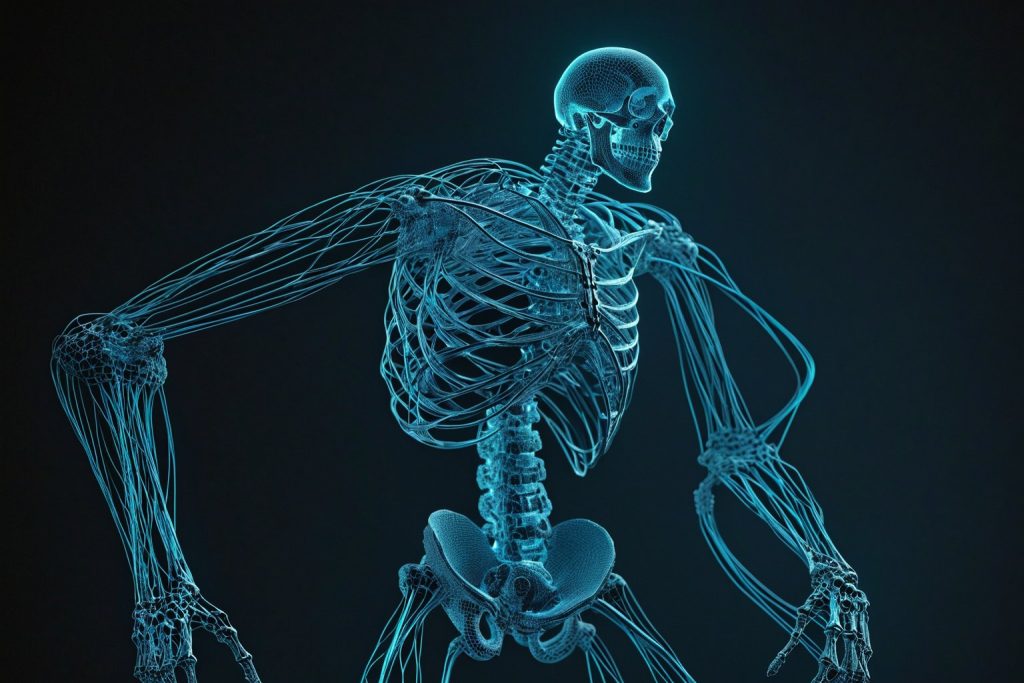
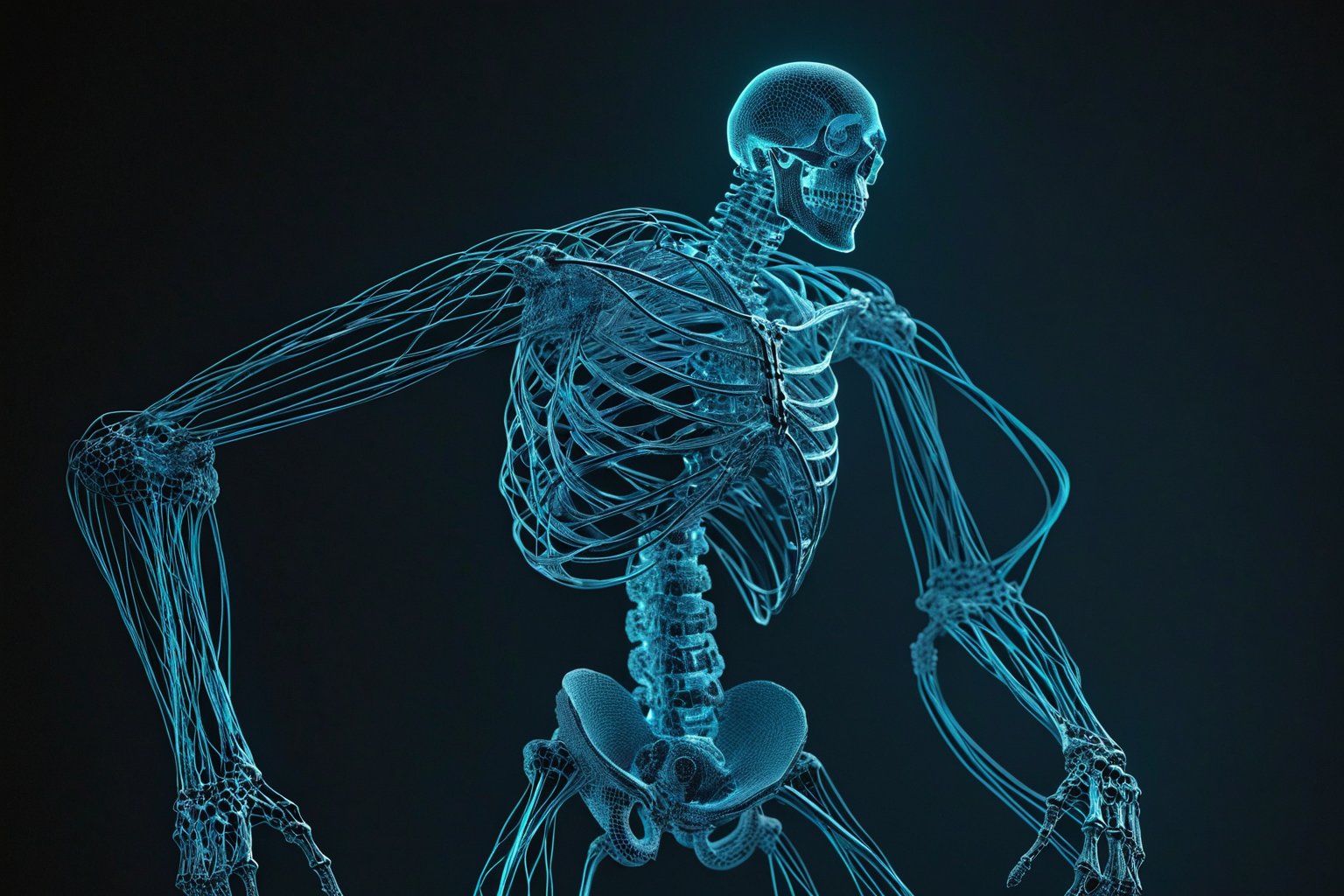
Creating a stylized character for a modern game requires balancing expressive design with technical constraints. Developers often face the challenge of maintaining a unique visual language while ensuring the rig performs reliably across different gameplay scenarios. The choice of animation technique fundamentally shapes how a character feels in motion, influencing everything from frame rate stability to the artist’s ability to iterate on personality. This article surveys the most effective approaches used in the industry, offering a comparative look at how each method handles the specific demands of stylized production.
Layered Deformation and Control Rigging
Layered deformation has become a staple for teams aiming to achieve high-fidelity stylized movement without rebuilding rigs from scratch. This approach separates the primary body shape from secondary layers such as cloth, hair, or exaggerated facial features. By using a base rig for overall movement and additional control rigs for these elements, animators can fine-tune the physics of each layer independently. For example, a character with oversized ears can have the ear rig driven by bone transforms while the body follows the main skeleton, allowing the ears to lag and settle in a way that feels organic to the stylized aesthetic. The primary advantage here is workflow efficiency; artists can reuse the core skeleton across multiple characters, applying unique deformation layers to differentiate them. However, this technique demands a solid understanding of how the weighting interacts between layers, as poor integration can lead to intersecting geometry or unexpected sliding during rapid pose changes.
In practice, layered deformation shines in projects where the art style leans into the exaggerated but still requires a degree of realism in weight and timing. Games like those featuring cel-shaded heroes benefit from this method because it allows the animators to push poses further than a standard skeletal rig would permit, while the secondary layers provide the “wobble” that sells the style. The technical artist must ensure that the influence weights are painted carefully around joints, particularly where the stylized silhouette might obscure the underlying mesh. When done correctly, this technique offers a middle ground between the rigidity of full-body IK and the chaos of fully simulated systems, providing a predictable yet expressive foundation for the character’s performance.
Procedural Motion Graphs
Procedural motion graphs represent a shift towards data-driven animation, where the rig is less a set of bones and more a network of potential states. In this system, the animation technique relies on a database of motion clips that the system stitches together based on the character’s current context, speed, and intended direction. For stylized characters, this is particularly useful for iterating on locomotion patterns that might be too complex to hand-animate frame-by-frame. A developer working on a 3D platformer, for instance, can define a set of “jump,” “dash,” and “land” clips, and the motion graph will blend them according to the player’s input and the character’s momentum. This results in a fluidity that feels less scripted and more responsive, which is a significant advantage in interactive media where player agency dictates the pace.
However, the complexity lies in the rigging phase. Setting up a motion graph requires meticulous authoring of the animation data, ensuring that the transitions between clips are seamless and that the stylized poses maintain their integrity during blending. If the rig’s control rigs are not aligned with the motion data, the character might slide or deform awkwardly at the joints. Furthermore, this technique often requires a robust state machine to manage the blend spaces, adding a layer of overhead to the technical design. Despite these hurdles, many studios find that the investment pays off in reduced animation production time, especially for characters that need to perform a wide variety of actions throughout a long play session.
Blend Shape Driven Rigging
Blend shape driven rigging is perhaps the most direct way to inject a strong visual personality into a stylized character. Instead of relying solely on bone deformation, this technique uses pre-computed mesh deformations, shapes that the rig interpolates between. This is the go-to method for characters with extreme facial expressions or body shapes that defy standard skeletal logic, such as characters that can stretch or squash dramatically. The animation technique here involves painting weights or using vertex groups to control how much of each blend shape is active at any given time. For instance, a character designed with a exaggerated “toon” look might have blend shapes for “wide eyes,” “stretched mouth,” and “inflated cheeks,” allowing the animator to trigger these with a single control parameter.
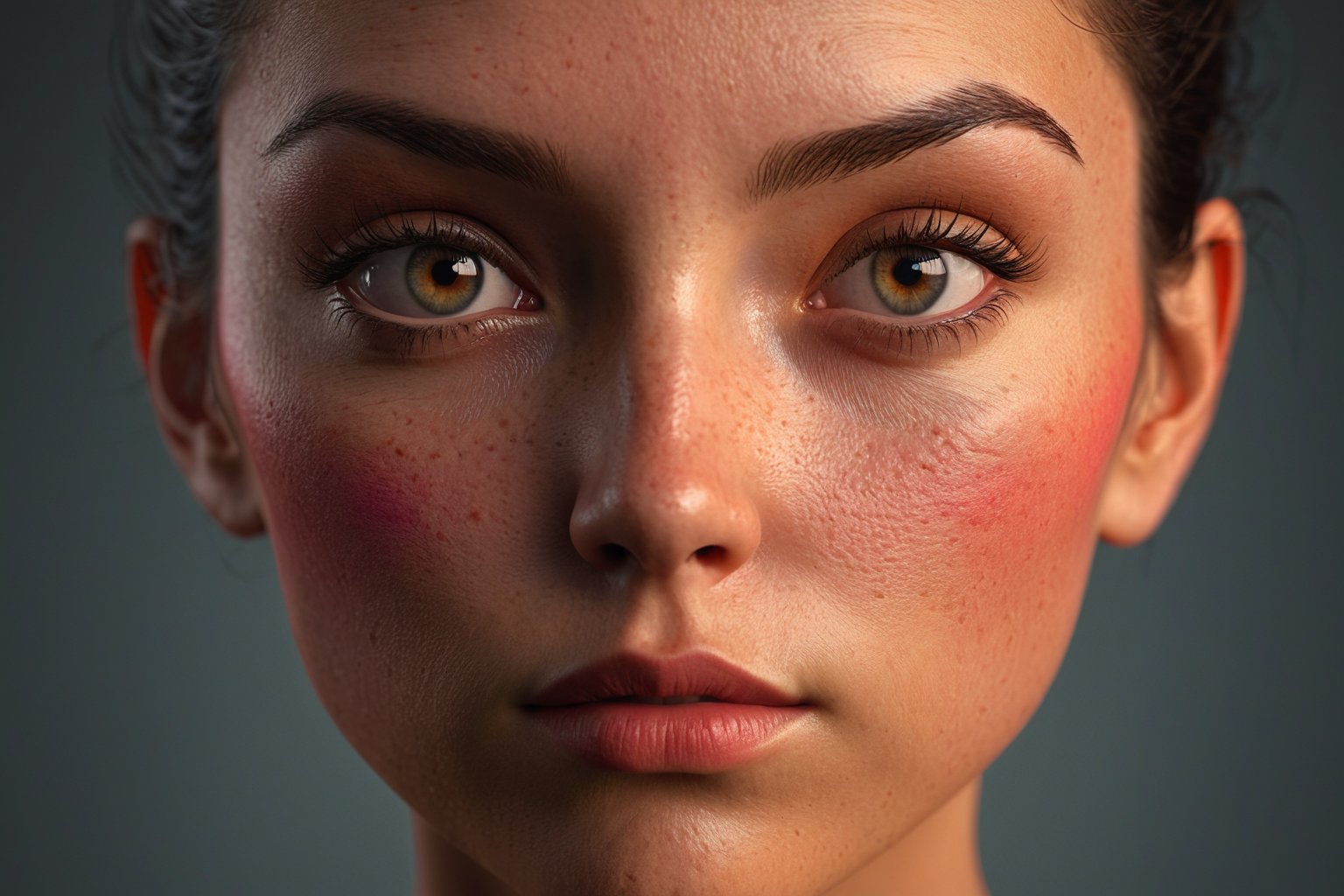
The strength of this approach lies in the predictability of the result; because the shapes are pre-computed, the artist knows exactly how the mesh will look when a particular blend shape is at 100% influence. This removes the guesswork often associated with bone-based deformation when trying to achieve specific stylized silhouettes. On the downside, blend shapes can be memory intensive, and managing a large library of them requires careful organization. If the game targets multiple platforms with varying hardware capabilities, the artist must be mindful of the draw call cost associated with high vertex count blend shapes. Nevertheless, for characters where the design is the primary selling point, think of the protagonists in many narrative-driven indie games, this technique offers unparalleled control over the visual language.
Inverse Kinematics with Constraint Solvers
Inverse Kinematics (IK) with constraint solvers is essential for stylized characters that need to interact believably with the environment, such as grabbing ledges, sitting on varied terrain, or performing context-sensitive actions. Unlike Forward Kinematics, where the animator rotates each bone individually, IK allows the animator to set a target position, and the solver calculates the joint angles required to reach that target. For stylized rigs, this technique is often paired with custom solvers that take into account the character’s unique silhouette. A classic example is a character with long, flowing hair or a large cape; an IK solver can be configured to keep the hair’s tip aimed at a specific point, ensuring that the stylized strands follow the movement of the body without clipping through the geometry.
Implementing IK for stylized characters requires a deep understanding of the constraint system. Standard solvers might struggle with the exaggerated ranges of motion typical in stylized designs, potentially snapping joints or creating unnatural twisting. Technical artists often write custom scripts or use specialized plugins that allow for “soft” constraints, where the joint has a range of motion but can slightly overshoot or undershoot to preserve the aesthetic. This technique is particularly vital for open-world games where the character must navigate unpredictable landscapes. By using IK with well-tuned constraints, developers can ensure that the character’s interactions with the world feel weighty and intentional, reinforcing the stylized design language rather than fighting against it.
Procedural Facial Rigging Blends
Facial animation is often the hardest part of selling a stylized character, as the subtleties of expression are what convey emotion to the player. Procedural facial rigging blends takes the concept of blend shapes and adds a layer of procedural control, often driven by audio input or parameter curves. In this animation technique, the rig might use a set of control sliders that an animator keyframes, but the actual deformation is calculated on the fly based on the proximity of those sliders to one another. This allows for “micro-expressions” that would be too tedious to animate manually, such as a slight twitch of the eyebrow or a dimple that appears only when the character smiles broadly. The procedural aspect means that the rig can adapt to different voice actors or emotional intensities without requiring a complete re-animate of the scene.
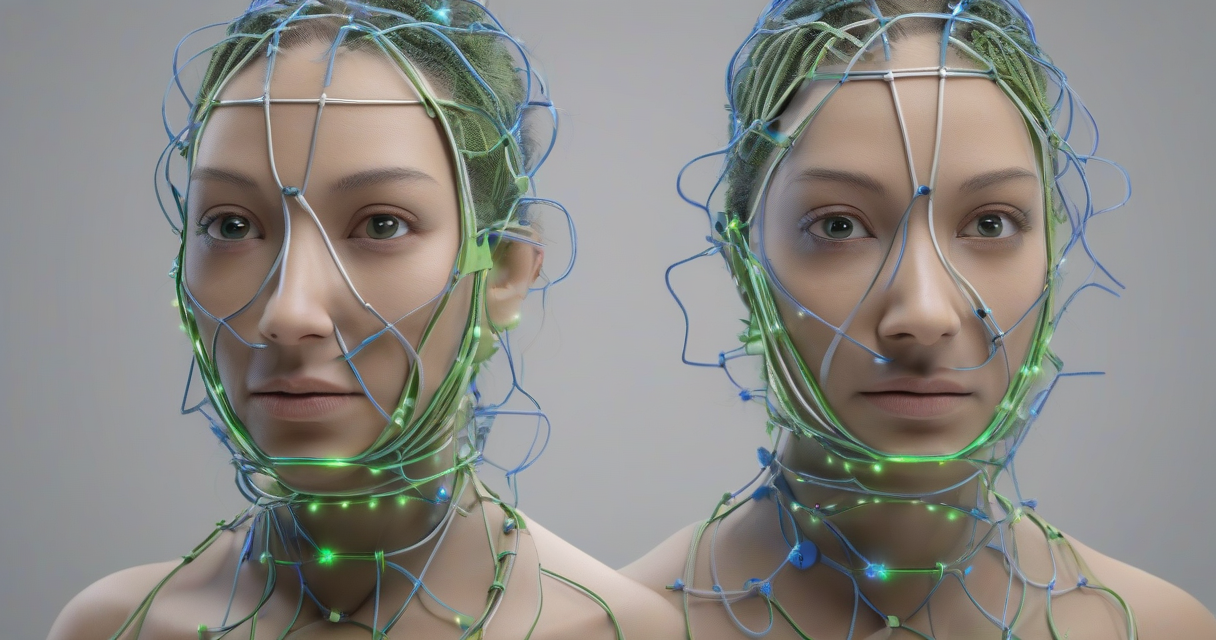
Setting up a procedural facial rig demands a careful balance between the control rig and the underlying mesh topology. If the topology is too dense, the procedural calculations can become sluggish; if too sparse, the expressions might look blocky or lose the subtle nuances that define the style. Many studios opt for a hybrid approach, using a base set of bones for major head turns and blinks, supplemented by procedural blends for the finer details. This combination ensures that the character remains responsive and expressive while keeping the rig manageable. For games heavy on dialogue and character interaction, this technique is often the difference between a character that feels lifeless and one that feels like a personality-driven entity.
Simulation Based on Particle Systems
While traditionally associated with effects, particle system driven simulation is increasingly being used to drive character animation, particularly for stylized elements like tails, ears, or flowing garments. This animation technique treats the character’s appendages not as skeletal bones but as a collection of particles influenced by forces such as gravity, wind, or the character’s own acceleration. For a stylized character, this can result in motion that feels “springy” or “elastic,” perfectly matching the exaggerated physics often found in comic book or cartoon adaptations. The developer defines the initial state and the forces, and the system calculates the position of each particle every frame, resulting in motion that feels dynamic and unscripted.
The technical challenge with this approach is ensuring that the simulated elements do not interfere with the core gameplay mechanics. In a fast-paced action game, a tail simulated via particles might obscure the player’s hitbox or clip through the environment if the solver isn’t tuned correctly. However, when optimized, this technique offers a level of organic movement that is difficult to achieve with keyframed bones alone. It is particularly effective for characters designed with a “bouncy” or “wacky” aesthetic, where the movement should feel slightly disconnected from the laws of realistic physics. By layering these simulations under the main rig, studios can add a final polish of life to the character, making the stylized design feel alive and reactive to the player’s actions.

I’ve been playing video games since I was a kid, and that passion naturally led me to explore how they’re made. I love diving into game design concepts and sharing insights with fellow enthusiasts. When I’m not testing new titles, I’m tinkering with Unity and learning new programming tricks.