

Game mechanics form the backbone of any interactive experience, turning abstract ideas into concrete actions that players can see, feel, and influence. In a well‑crafted title, these systems dictate how a character moves, how a puzzle resolves, and how a story progresses, creating a loop that pulls the player deeper into the world. Designers often start by defining the core interaction, jump, shoot, trade, and then layer complexity to reward mastery. When the loop feels satisfying, players naturally spend more time exploring edge cases and hidden content. This intrinsic pull is what separates a casual pastime from a memorable adventure that players return to long after the first launch.
Game mechanics: Core loops that hook players
At the heart of every engaging title lies a core loop that repeats with slight variations, providing a sense of continuity and purpose. A classic example can be found in platformers where the loop consists of running, jumping, collecting an item, and reaching a checkpoint, each iteration nudging the player toward the next challenge. By adjusting the difficulty of each segment, developers can maintain a steady rhythm that feels neither too easy nor overly punishing. Metrics from playtests often reveal that players who complete three to five cycles in a row are more likely to persist through later, more demanding sections. The loop’s simplicity also allows newcomers to grasp the fundamentals while giving veterans room to experiment with advanced techniques.
Feedback mechanisms amplify the core loop by reinforcing successful actions and signaling failure in a clear, immediate way. Visual cues such as particle effects, sound cues like a satisfying chime, and haptic responses on controllers all contribute to a multi‑sensory affirmation that the player’s input mattered. For instance, in rhythm games, a perfect hit triggers a burst of color and a subtle vibration, creating a dopamine spike that encourages repeat attempts. Designers track these responses through telemetry, noting which feedback types generate the highest retention rates. By fine‑tuning the timing and intensity of these signals, developers can turn a simple loop into an addictive rhythm that keeps players coming back for more.
Player agency through meaningful choices
Providing players with genuine agency means offering decisions that have tangible consequences within the game world. Open‑world RPGs often illustrate this by allowing players to align with different factions, each path unlocking unique quests, gear, and narrative outcomes. When a choice feels weighty, players invest emotionally, discussing outcomes with friends and revisiting the game to explore alternate routes. Designers quantify agency by measuring the branching factor of decision trees, aiming for a balance where each branch offers distinct experiences without overwhelming development resources. The result is a living world where every action feels purposeful, encouraging deeper exploration and replayability.
To keep choice meaningful, developers must avoid “illusion of choice” pitfalls where options appear different but converge to the same result. A well‑known misstep occurs when dialogue selections lead to identical cutscenes, eroding trust and diminishing engagement. By mapping out decision outcomes early in the design phase, teams can ensure that each branch diverges sufficiently to affect gameplay, character relationships, or world state. Playtesting with diverse player groups helps uncover hidden redundancies, allowing designers to refine or expand branches that feel underutilized. This disciplined approach transforms player decisions from superficial toggles into core pillars of the experience.
Progression systems that keep momentum
Progression systems serve as the scaffolding that guides players from novice to expert, rewarding effort with new abilities, gear, or narrative milestones. In action‑RPGs, experience points translate into skill points that unlock new combat moves, creating a sense of growth that mirrors the player’s increasing competence. Data from long‑term players often shows a spike in session length after each major upgrade, indicating that tangible rewards reignite motivation. Developers frequently employ “soft caps” that gradually increase the difficulty of earning the next level, ensuring that advancement feels earned rather than handed out. This pacing maintains a steady sense of achievement without overwhelming the player with sudden difficulty spikes.
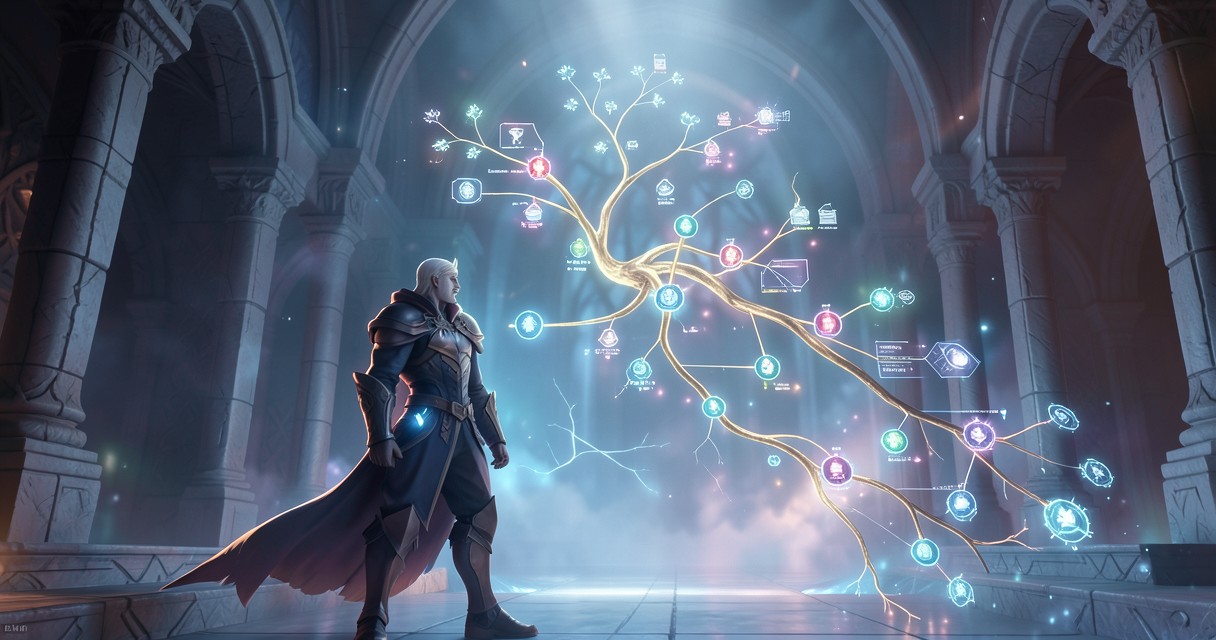
Balancing linear and non‑linear progression pathways allows players to tailor their journey to personal playstyles. Some gamers prefer grinding for rare loot, while others enjoy story‑driven milestones that unlock new areas. By offering parallel tracks, such as side quests, crafting, or PvP arenas, developers accommodate a broader audience and increase overall session diversity. Analytics tools can track which paths dominate player time, informing future updates that either expand popular routes or invigorate neglected ones. This dynamic adjustment keeps the experience fresh and ensures that the progression system remains a compelling reason to return day after day.
Risk and reward: Designing tension
Introducing calculated risk into gameplay creates tension that fuels excitement and encourages strategic thinking. In survival shooters, players might decide whether to venture into a high‑danger zone for rare resources, weighing potential loss against the promise of powerful upgrades. Studies show that players who perceive a clear payoff for taking risks are more likely to experiment with daring tactics, boosting overall engagement. Designers often implement visual or auditory warnings, such as an ominous soundtrack or a flashing hazard indicator, to signal heightened danger without breaking immersion. This blend of anticipation and consequence keeps players on edge, heightening the emotional stakes of each decision.
Reward structures must be calibrated to match the level of risk, ensuring that successes feel proportional to the challenge overcome. For example, a rogue character who successfully ambushes an elite enemy might receive a substantial experience boost, rare equipment, or a narrative accolade that influences future interactions. Balancing these rewards involves iterative testing, where developers adjust drop rates and experience curves until player feedback indicates a satisfying equilibrium. When the system feels fair, players are more inclined to repeat high‑risk encounters, deepening their mastery and fostering a lasting attachment to the game.
Social mechanics and community dynamics
Integrating social mechanics transforms a solitary experience into a shared adventure, leveraging the natural human desire for connection. Multiplayer titles often embed cooperative objectives, leaderboards, or guild systems that encourage players to collaborate and compete. Data from online communities reveal that games featuring clan wars or shared construction projects see higher daily active user counts than solo‑only counterparts. By designing mechanics that reward teamwork, such as shared loot pools or synchronized puzzles, developers foster a sense of belonging that extends beyond the screen. This communal bond frequently translates into word‑of‑mouth promotion, expanding the player base organically.

Effective social design also anticipates potential toxicity and provides tools for moderation and positive reinforcement. Features like reputation systems, commendations, or in‑game voting empower players to shape their community’s culture. Monitoring metrics such as report rates and match abandonment can guide developers in tweaking these systems to promote healthy interaction. When players feel safe and recognized, they are more likely to invest time in long‑term goals, such as building a competitive team or contributing to a shared world. The resulting ecosystem becomes a living extension of the core gameplay, enriching the overall experience.
Iterating and testing mechanics in early builds
Rapid prototyping allows designers to validate core ideas before committing extensive resources to full production. By building stripped‑down versions of key systems, such as a basic combat loop or a simplified puzzle, teams can gather player feedback within days rather than weeks. Metrics like completion rate, error frequency, and player‑reported frustration help pinpoint areas that need refinement. For instance, a prototype of a stealth mechanic might reveal that line‑of‑sight detection feels too unforgiving, prompting adjustments to enemy perception ranges. This data‑driven approach ensures that the final implementation feels polished and intuitive.
Continuous iteration also encourages creative risk‑taking, as early builds are cheap to modify and discard. Developers can experiment with unconventional mechanics, like gravity‑flipping platforms or time‑rewind abilities, without jeopardizing the overall schedule. Playtest sessions with diverse audiences uncover hidden synergies or conflicts between systems, guiding balanced integration. By documenting each iteration’s outcomes, teams build a knowledge base that informs future projects, reducing the learning curve for subsequent titles. This disciplined cycle of prototype, test, and refine keeps the development process focused on delivering mechanics that truly resonate with players.

I’ve been playing video games since I was a kid, and that passion naturally led me to explore how they’re made. I love diving into game design concepts and sharing insights with fellow enthusiasts. When I’m not testing new titles, I’m tinkering with Unity and learning new programming tricks.