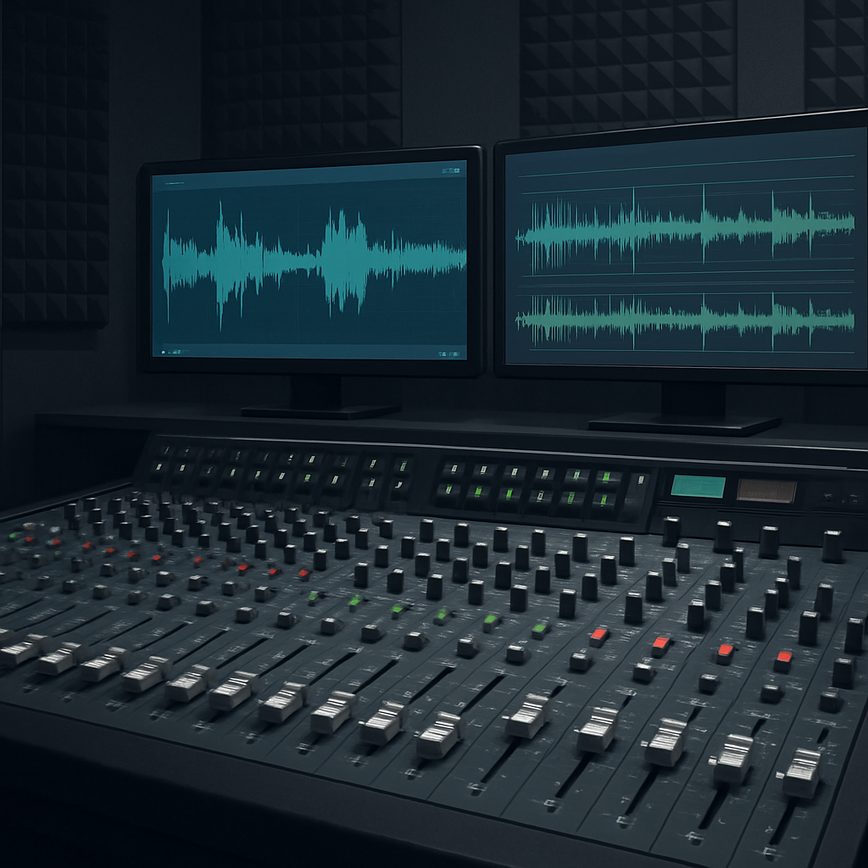
Introduction to Mixing and Mastering Game Audio
In the realm of game audio, the processes of mixing and mastering hold vital importance in shaping the overall auditory experience. Game audio is not just about creating sound effects or background music; it is about crafting an immersive soundscape that draws players deeper into the gameplay. Mixing basics lay the foundation for this by ensuring that every audio element, from dialogue and sound effects to ambient noises and music tracks, is balanced, clear, and positioned correctly within the game’s sound field. Without proper mixing, critical sounds may become obscured or overpowering, detracting from the gaming experience.
Mixing involves adjusting the levels, panning, equalization, and effects of individual audio components to create a cohesive and dynamic sound environment. This process helps to direct the player’s attention, enhances realism, and supports the narrative and emotional tone of the game. For instance, a subtle shift in audio panorama can signify an approaching enemy, while carefully mixed background music can heighten tension or excitement without distracting from gameplay.
Following mixing, mastering provides the final polish to the game’s audio production. This stage involves refining the overall sound with techniques such as compression, limiting, and equalization to ensure consistency and optimal loudness across different playback devices and environments. Mastering is essential for preserving the integrity and clarity of the audio, making sure that even subtle nuances are preserved as players experience the game through headphones, speakers, or gaming consoles.
Together, mixing and mastering in game audio production transform disparate sound elements into a unified and captivating soundscape. This not only enhances the aesthetic appeal but also contributes significantly to the immersive gameplay experience, enabling players to feel truly connected to the virtual world. Understanding these roles and their impact on audio production is fundamental for anyone looking to create engaging, high-quality game audio.
What is Mixing in Game Audio?
Audio mixing in the context of game sound mixing is a crucial process that involves balancing and processing various audio elements to create an immersive experience for players. This stage comes after the individual sounds, such as dialogue, sound effects, and music, have been recorded or synthesized. Mixing techniques in game audio focus on ensuring that each of these elements coexists harmoniously without overpowering one another, while also adapting dynamically to the gameplay environment.
During the mixing phase, audio engineers carefully adjust volume levels, panning, equalization, and spatial effects to achieve clarity and emotional impact. Dialogue must be clear and intelligible, often taking priority over background sounds to maintain narrative flow. Sound effects add realism and feedback, and they are mixed to punctuate actions without becoming distracting. Music, on the other hand, sets the tone and atmosphere, requiring subtle balancing so it complements rather than competes with other audio layers.
Advanced mixing techniques also involve using automation to modify audio elements in real time, depending on gameplay situations. For example, the intensity of music might swell during combat and soften during exploration. Reverb and spatial audio processing further enhance immersion by giving sounds a sense of location and environment within the game world. Overall, effective audio mixing in games is a delicate art that ensures all sound components contribute effectively to the player’s experience.
Understanding Mastering for Games
Audio mastering in the realm of game audio mastering serves as the crucial final step in the audio production process, ensuring that all sound elements come together cohesively with a final audio polish. This phase focuses on achieving the optimal volume levels, balancing frequencies, and controlling the dynamic range so that the game’s audio sounds consistent and professional regardless of the playback environment. Mastering engineers make careful level adjustments to prevent any part of the mix from overpowering others while maintaining the intended intensity and emotional impact.
Dynamic control is essential during mastering to manage the differences between quiet and loud sounds, making sure softer details are audible without sacrificing the power of louder passages. This is especially important in games where sound effects, dialogue, and music need to work harmoniously across various scenes and gameplay situations. A well-mastered audio mix can enhance player immersion by delivering clarity and impact simultaneously.
Furthermore, mastering ensures that the audio is tailored for different playback systems, from high-end headphones and surround sound setups to more modest speakers commonly found on gaming consoles and mobile devices. This adaptability is a cornerstone of game audio mastering, guaranteeing a polished sound that translates well and maintains high quality no matter the player’s equipment. Ultimately, the mastering stage delivers the important final audio polish that completes the game’s auditory experience and supports its overall production value.
Techniques and Tools for Effective Game Audio Mixing
Effective game audio mixing requires a blend of technical skill, creativity, and the right set of mixing tools. At the core of mixing game audio is the task of balancing diverse sound elements—such as dialogue, sound effects, music, and ambient sounds—so that each component complements the others without overpowering the overall soundscape. To achieve this balance, audio engineers and sound designers rely heavily on a combination of audio plugins and sound design techniques that enhance the clarity, presence, and impact of game audio effects.
One of the most popular techniques in game audio mixing is dynamic range control, typically achieved through compressors and limiters. These plugins help manage the volume levels of audio elements, ensuring that louder sounds don’t overwhelm quieter ones and maintaining a consistent auditory experience for the player. Equalization (EQ) is another essential tool used to carve out space in the frequency spectrum, allowing sound designers to enhance or reduce specific frequencies so each sound effect or piece of music fits well within the overall mix.
Reverb and delay plugins are frequently used to add depth and space, simulating realistic environments or creating atmospheric effects that immerse players deeper into the game world. Advanced reverb tools can be precisely tailored to reflect the acoustics of different game settings—ranging from tight indoor spaces to vast open areas—greatly enriching the player’s sensory experience.
When it comes to software, digital audio workstations (DAWs) such as Pro Tools, Ableton Live, and Reaper remain industry favorites for mixing game audio. These platforms offer extensive plugin support and flexible routing options, making them ideal for handling complex multi-layered audio projects. Additionally, specialized middleware like FMOD and Wwise integrate seamlessly with game engines, allowing real-time adaptive audio behaviors driven by gameplay events.
Sound designers also turn to creative audio plugins like spectral analyzers, multi-band compressors, and harmonic exciters to sculpt and polish sound effects. These tools enable precise control over tone and texture, helping to highlight key game audio effects that define the game’s unique sonic identity. Moreover, automation features allow dynamic changes in volume, panning, and effects parameters, providing a more interactive and engaging auditory experience.
In summary, mastering game audio mixing involves integrating these mixing tools and plugins with a strong understanding of sound design principles. By carefully balancing and enhancing sound elements, game audio mixers create immersive and emotionally compelling soundscapes that significantly elevate the player’s experience.
Essential Mixing Techniques
Equalization (EQ) is a fundamental tool in game audio mixing, allowing sound designers to shape the tonal balance of each element. By boosting or cutting specific frequency ranges, EQ helps to carve out space for different sounds, ensuring clarity and preventing frequency masking. Proper EQ use enhances the distinctiveness of game audio elements, making the overall mix more immersive and intelligible.
Compression controls the dynamic range of sounds, smoothing out volume fluctuations and maintaining consistency. In game audio, compression can help sounds stay audible amid intense action scenes without overwhelming the player. It also adds punch and presence, which can be crucial for effects like explosions or character voices.
Reverb is essential for creating a sense of space and environment in a game. It simulates natural reflections, helping to position sounds within a virtual scene. The right reverb settings can make a game world feel vast, intimate, or anything in between, greatly enhancing the spatial quality of the audio and player immersion.
Panning distributes sound across the stereo field, giving a directional cue to the player. Effective use of panning helps create a 3D audio experience, allowing players to pinpoint the location of sounds relative to their in-game position. Together with EQ, compression, and reverb, panning is key to crafting a dynamic and engaging game audio landscape.
Popular DAWs and Plugins for Game Audio
When working on game audio, selecting the right digital audio workstation (DAW) and audio plugins is crucial for achieving professional mixing and mastering results. Industry-standard DAWs such as Ableton Live, Pro Tools, and Logic Pro X are widely favored for their robust features and seamless integration with game sound software. Each offers unique tools tailored to different stages of audio production, from composing to final mastering, making them indispensable in the game audio workflow.
Ableton Live is praised for its powerful real-time editing capabilities, making it ideal for dynamic sound design and rapid iteration. Pro Tools, a staple in professional studios, excels in precision editing and mastering, ensuring that game audio meets the highest sonic standards. Logic Pro X combines user-friendly interfaces with an extensive library of built-in instruments and effects, providing game audio professionals with versatile options.
Regarding audio plugins, tools such as Waves plugins, iZotope RX, and FabFilter are particularly beneficial for game audio mixing and mastering. Waves offers a comprehensive suite of equalizers, compressors, and reverbs specifically optimized for various audio sources. iZotope RX is renowned for its audio repair capabilities, essential for cleaning up dialogue and sound effects. FabFilter’s intuitive interface and high-quality sound make its plugins ideal for detailed tonal shaping and dynamic control, crucial for crafting immersive game soundscapes.
Utilizing these DAWs and plugins in tandem creates a powerful toolkit that enhances the quality and creativity of game audio projects, ensuring sound designers and mixers can deliver immersive and polished audio experiences.
Best Practices in Mastering Game Audio for Different Platforms
Mastering game audio for different platforms requires tailored strategies to ensure optimal sound quality, compatibility, and player experience. Each platform—consoles, PC, and mobile devices—presents unique audio environments and technical specifications that influence the mastering process.
For console audio, it’s essential to consider the home theater-like setup common among users. Consoles often support advanced surround sound formats, so mastering should focus on spatial audio accuracy and dynamic range to maximize immersion. Use higher bit-depth and sample rates where possible, and test across the console’s supported audio outputs, including headphones, stereo systems, and surround sound setups. Loudness normalization adhering to the platform’s standards is crucial to avoid audio clipping or distortion during gameplay.
PC audio mastering allows more flexibility but also demands careful consideration of diverse hardware configurations. Gamers might use anything from high-end sound cards with multi-channel speakers to basic stereo headphones. Hence, mixing for a balanced stereo output that translates well on most systems is important, while still preserving the capability to engage with surround sound on capable setups. Since PC platforms often allow varying frame rates and settings, caution must be taken in how audio syncs with gameplay to ensure the sound remains tight and responsive.
When mastering audio for mobile game sound, optimization is key due to hardware constraints like smaller speakers and limited processing power. Prioritize clarity and intelligibility over bass-heavy mixes, and compress audio files efficiently without compromising transparency. Mobile environments are often noisy, so audio cues need to be distinctly audible and easily discernible. Additionally, consider mono compatibility and volume normalization to maintain consistent playback levels across different devices and situations.
Across all platforms, ensure final masters are tested on actual hardware to validate compatibility and performance. Adhering to platform-specific guidelines and leveraging platform mastering tools will reduce playback issues and elevate the user experience. By addressing the unique needs of console audio, PC audio, and mobile game sound, developers can deliver polished, immersive, and enjoyable game audio that resonates well with their audience.
Mastering for Console and PC Games
Mastering for console audio mastering and PC game sound requires a detailed approach to ensure high fidelity audio that enhances the player’s immersive experience. Both platforms often support surround sound formats, which means mastering engineers must focus on spatial accuracy and consistency across multiple speaker channels.
When mastering for consoles, it is essential to consider the specific hardware capabilities and audio output options of the target system. Consoles typically support multi-channel audio formats like Dolby Atmos or DTS:X, so the final master must maintain clarity and separation in complex soundscapes without losing dynamic range. Careful equalization and compression are crucial to prevent audio artifacts and preserve the depth of the mix.
PC game sound, on the other hand, can vary widely depending on user hardware and software setups. Therefore, mastering should prioritize flexibility and scalability, ensuring the audio performs well both in stereo and surround sound environments. High fidelity audio is a priority, with a focus on maintaining crisp highs, robust mids, and controlled lows to complement the diverse range of gaming experiences on PCs.
Overall, mastering for console and PC games demands a balance between technical precision and artistic intent. Delivering polished, immersive audio that leverages the capabilities of both platforms will elevate the gaming experience, making sound a defining feature of gameplay engagement.
Mastering Audio for Mobile Games
Mastering audio for mobile games presents unique challenges due to bandwidth constraints and device limitations. Mobile platforms often require compressed audio formats to minimize file size and streaming data usage, which can degrade sound quality if not handled properly. This compression can introduce artifacts, reduce dynamic range, and alter the balance of frequencies, impacting the overall mobile sound quality.
To combat these challenges in mobile audio mastering, it’s crucial to start with a well-balanced mix that anticipates the effects of compression. Engineers often employ tools like multiband compression and equalization to preserve clarity and punch in the audio after compression. Monitoring audio on actual mobile devices under real-world conditions helps ensure the final sound translates well across various hardware capabilities.
Additionally, using higher bitrate audio assets where possible and selectively compressing less critical elements can help maintain quality without overwhelming bandwidth limits. Techniques like dynamic range compression are often carefully applied to optimize how sound is perceived on small speakers, maintaining impact while avoiding distortion. Ultimately, successful mobile audio mastering balances technical constraints with creative adjustments to deliver a polished, immersive experience despite the inherent limitations of mobile platforms.

I’ve been playing video games since I was a kid, and that passion naturally led me to explore how they’re made. I love diving into game design concepts and sharing insights with fellow enthusiasts. When I’m not testing new titles, I’m tinkering with Unity and learning new programming tricks.