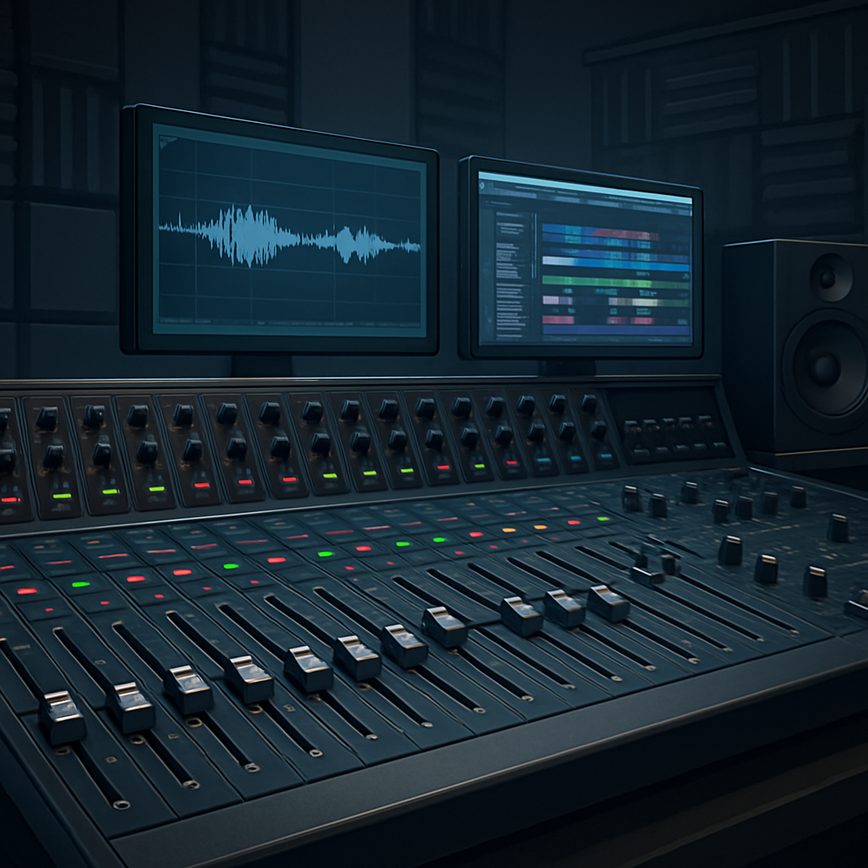
Introduction to Game Audio Optimization
Game audio is a critical component in creating immersive and engaging gaming experiences. Proper audio optimization ensures that sound elements such as background music, sound effects, and dialogue not only enhance gameplay but also run smoothly across different devices and platforms. Without audio optimization, games may suffer from excessive load times, audio distortions, or inconsistent sound quality, which can detract from the player’s overall experience.
Audio optimization in games involves balancing quality and performance to deliver the best possible sound within the constraints of hardware and software. This process requires sound designers and developers to carefully manage audio assets, choosing appropriate file formats, bit rates, and compression techniques to minimize memory usage and CPU load while maintaining clear and impactful audio. Efficient audio optimization allows games to run seamlessly, even on lower-end devices, without sacrificing the richness of the soundscape.
Sound design is a fundamental part of audio optimization. It involves creating and organizing sound assets that support the game’s narrative and gameplay mechanics. Effective sound design integrates ambient sounds, spatial audio cues, and dynamic music that react to player actions and game events. By optimizing how these sounds are mixed and triggered, developers can create a more immersive and responsive audio environment.
Basic concepts of game audio optimization include audio layering, where multiple sound elements are combined to provide depth; audio prioritization, which ensures that critical sounds are heard clearly without being drowned out; and streamlining audio playback to avoid delays or glitches. Additionally, adjusting audio volume levels and implementing audio middleware tools help maintain consistency and quality throughout the gameplay experience.
In summary, game audio optimization is essential for producing high-quality sound that complements gameplay without overburdening system resources. By understanding and applying core principles of sound design and technical optimization, developers can significantly enhance player immersion and satisfaction in their games.
What is Game Audio Optimization?
Game audio optimization refers to the process of enhancing the quality and performance of sound within a video game. This involves meticulous audio processing techniques that ensure sounds are clear, immersive, and well-balanced, contributing to a more engaging player experience. By optimizing game audio, developers can reduce unwanted noise, improve sound clarity, and ensure that audio cues are delivered precisely when needed.
Effective game audio optimization is crucial because sound plays a key role in immersing players into the game world. High-quality audio processing helps create realistic environments by delivering spatial audio effects, dynamic soundscapes, and consistent sound quality regardless of the device being used. This not only enhances the emotional impact of the game but also aids in gameplay by providing important auditory feedback.
Without proper game audio optimization, sound quality can suffer from delays, distortion, or imbalances that distract players and degrade the overall experience. By focusing on these technical aspects, game developers ensure that every footstep, explosion, or musical cue is finely tuned to support the narrative and gameplay mechanics. Ultimately, game audio optimization elevates the player’s immersion, making the gaming experience more memorable and enjoyable.
Benefits of Optimized Game Audio
Effective audio optimization in games offers numerous benefits that significantly enhance both player immersion and overall audio performance. By carefully managing audio resources and implementing efficient sound processing techniques, developers can ensure that sounds play seamlessly without taxing the system’s CPU or memory. This leads to smoother gameplay experiences, minimizing lag or audio glitches that could disrupt immersion.
Optimized audio also contributes to a richer, more believable game environment. High-quality sound that responds accurately to game events and player actions helps to draw players deeper into the game world, creating a more engaging and emotionally resonant experience. When audio performance is finely tuned, subtle sound details like ambient noises, directional cues, and dynamic music transitions can be delivered clearly and vividly, enhancing realism.
Moreover, by reducing unnecessary audio processing overhead, optimization extends the battery life of portable gaming devices and decreases load times on all platforms. This technical efficiency supports longer play sessions and improved accessibility, particularly on lower-spec hardware. Ultimately, the benefits of optimized game audio are evident in both the technical performance and the immersive quality of modern games, making it a crucial aspect of game development.
Techniques for Effective Game Audio Optimization
Effective game audio optimization is essential to ensure immersive and smooth gaming experiences without compromising performance. Various optimization techniques can be applied to streamline audio assets and improve overall sound quality while reducing resource consumption. One fundamental technique involves compressing audio files using formats and codecs designed for efficiency, such as Ogg Vorbis or MP3, which maintain decent sound fidelity at smaller file sizes. This reduces memory usage and accelerates loading times.
Another critical technique is implementing audio middleware tools like FMOD or Wwise, which provide powerful audio tools tailored for game development. These middleware platforms offer real-time sound processing and dynamic mixing features that respond to gameplay contexts. By leveraging these tools, developers can control audio layers, effects, and priorities more precisely, optimizing resource allocation without sacrificing audio complexity.
Sound processing techniques also play a vital role in audio optimization. Utilizing methods such as dynamic range compression ensures that the audio stays within an audible range without peaking too high or fading out. Filtering and equalization selectively enhance or reduce frequencies to prevent overcrowding in the mix and improve clarity. Additionally, audio occlusion and spatialization techniques simulate realistic sound propagation, so games only process and play audio that is relevant to the current scene, reducing unnecessary load.
Looping and sample rate conversion are practical optimization strategies as well. Looping short audio clips effectively minimizes memory usage for repetitive sounds like background music or environmental noises. Lowering the sample rate of non-critical sounds further reduces data size and processing demands. However, it’s important to balance optimization with maintaining a pleasing audio experience so that sound quality does not degrade noticeably.
Incorporating optimization techniques alongside specialized audio tools transforms game audio from a potential performance bottleneck into a seamless aspect of gameplay. Strategic sound processing, compression, and resource management allow developers to deliver crisp, dynamic audio that enhances immersion while keeping system demands efficient. These approaches ensure that audio assets contribute positively to the experience without overwhelming the hardware.
Audio Compression and Formats
Efficient audio compression and the choice of file formats are crucial in game audio optimization to save resources without sacrificing sound quality. Different compression methods impact the balance between file size and audio fidelity, making some more suitable for games than others.
| Compression Method | File Formats | Sound Quality | Use in Games |
|---|---|---|---|
| Lossless Compression | FLAC, ALAC, WAV (compressed) | High – preserves original audio data | Used mainly for source files or when highest quality is needed |
| Lossy Compression | MP3, AAC, OGG Vorbis | Good to Very Good – some quality loss but smaller file sizes | Widely used in games to balance quality and resource savings |
| Uncompressed | WAV, AIFF | Best – no quality loss | Rarely used in final games due to large file sizes; preferred during development |
| Proprietary Formats | ADX (CRI Middleware), XMA (Xbox) | Optimized for platform/hardware | Used for enhanced performance on specific platforms |
Choosing the right audio compression method and file format depends on the game’s target platform, desired sound quality, and resource constraints. Lossy formats like OGG Vorbis are popular for their balance between compression and sound quality, making them ideal for most game audio. Lossless formats are reserved for high-quality assets, while proprietary formats offer specialized optimization for certain hardware.
Real-Time Audio Processing
Real-time processing plays a crucial role in enhancing game audio by allowing audio effects to be applied instantly without noticeable latency. This immediate response is vital for maintaining immersion and ensuring that sound effects align perfectly with the on-screen action. Audio effects such as reverb, delay, and dynamic equalization can be adjusted dynamically as the gameplay unfolds, creating a rich and responsive sound environment.
Latency is a significant concern in game audio, as any delay between an action and its corresponding sound can break the player’s sense of presence. Real-time audio processing techniques minimize latency by using optimized audio pipelines and efficient algorithms that handle the processing workload swiftly. This allows developers to implement complex audio effects without sacrificing performance or causing disruptions.
Furthermore, real-time processing enables adaptive audio systems that react to player behavior and game states in real time. For example, the intensity of background music or environmental sounds can shift smoothly based on the game scenario, all processed on-the-fly to maintain a seamless experience. By leveraging these capabilities, game developers can create more immersive and emotionally engaging audio landscapes that respond fluidly to gameplay.
Challenges and Best Practices in Game Audio Optimization
Game audio optimization presents a unique set of challenges that developers must address to deliver an immersive and seamless auditory experience. One of the primary challenges is managing limited hardware resources. Games, especially on mobile and consoles, often have stringent CPU and memory constraints. Audio processing can be resource-intensive, requiring efficient compression and mixing techniques to avoid performance bottlenecks without sacrificing sound quality.
Another common issue is maintaining audio clarity and consistency across different playback environments and devices. Players may use headphones, TV speakers, or external sound systems, each producing varied acoustic results. Balancing audio levels and frequencies is crucial to ensure that dialogue, sound effects, and background music remain distinct and intelligible under all conditions.
Latency and synchronization with game events also pose significant challenges. Delays in audio playback can disrupt gameplay immersion, especially for interactive sound effects or timed musical cues. Developers must implement precise audio timing and buffering strategies to ensure sounds trigger exactly when intended in relation to on-screen action.
To overcome these challenges, best practices include employing audio middleware tools like FMOD or Wwise, which facilitate advanced audio management and optimization. Such tools offer dynamic mixing capabilities, spatial audio simulation, and adaptive sound state machines that respond intelligently to gameplay changes, improving performance and user experience.
Efficiently using audio middleware also means adopting a modular sound design approach, where audio assets are broken down into smaller components and triggered contextually. This reduces memory load and enables more flexible audio variation, keeping the game sound lively without overwhelming system resources.
Regular profiling and testing of audio on target platforms are also critical. Developers should identify performance bottlenecks and quality issues early through iterative testing and user feedback. Optimizing audio codecs, sample rates, and bit depths tailored to the game’s needs ensures a balanced approach to quality and resource use.
In summary, while challenges like resource constraints, playback variability, and synchronization complicate game audio optimization, adopting robust middleware solutions, modular sound design, and rigorous testing forms a solid foundation of best practices. This approach not only resolves common audio issues but also elevates the overall gaming experience through polished, immersive soundscapes.
Common Audio Optimization Challenges
When optimizing game audio, developers frequently encounter various challenges that can hamper the overall performance and user experience. One of the most common issues is audio glitches, which manifest as abrupt distortions, pops, or dropouts in the sound. These glitches often arise due to inefficient buffering or processing delays, particularly in resource-constrained environments. Addressing these requires careful management of audio data streams and timely decoding to maintain seamless playback.
Performance issues represent another significant hurdle. Real-time audio processing can be highly demanding, especially when multiple sound sources, effects, and spatial audio calculations are involved simultaneously. This heavy load can lead to increased CPU usage, causing frame rate drops and latency that degrade the game’s responsiveness. Optimizing audio algorithms and balancing quality with processing demands is crucial to mitigating these performance setbacks.
Hardware limits also play a pivotal role in shaping audio optimization strategies. Different gaming platforms and devices possess varying capabilities in terms of audio channels, processing power, and memory allocation. Developers must adapt their audio assets and middleware configurations accordingly to ensure compatibility and smooth operation across all target hardware. This often involves compressing sounds, limiting concurrent audio sources, and leveraging platform-specific audio APIs to maximize efficiency without sacrificing the richness of the soundscape.
Best Practices for Optimizing Game Audio
Optimizing game audio requires a combination of strategic audio mixing and careful performance tuning to ensure a seamless and immersive player experience. One of the best practices for effective audio mixing is to prioritize audio layers by their importance and frequency range. This means keeping dialogue clear and upfront while ensuring sound effects and background music do not compete for the same auditory space. Utilize tools such as equalization (EQ) to carve out frequency niches for each audio element, reducing muddiness and enhancing clarity.
Another key practice is dynamic volume adjustment based on gameplay context, which helps maintain balance without overwhelming the player. Implement sidechain compression where necessary to momentarily lower less important sounds when critical audio cues happen. Regularly monitor your mix across various devices and headphones to identify and fix inconsistencies in audio quality.
Performance tuning is equally important to avoid audio-related hitches that can negatively impact gameplay. Optimize audio file formats and compression settings to reduce memory usage without sacrificing sound quality. Use audio middleware or game engine profiling tools to track CPU and memory usage for audio processes. This monitoring allows developers to identify bottlenecks and optimize asset loading strategies and playback concurrency limits.
Finally, maintaining an organized audio asset library with consistent naming conventions and metadata can save time and reduce errors during development. By following these best practices for audio mixing and performance tuning, developers can create a rich auditory environment that enhances player engagement and overall game performance.

I’ve been playing video games since I was a kid, and that passion naturally led me to explore how they’re made. I love diving into game design concepts and sharing insights with fellow enthusiasts. When I’m not testing new titles, I’m tinkering with Unity and learning new programming tricks.