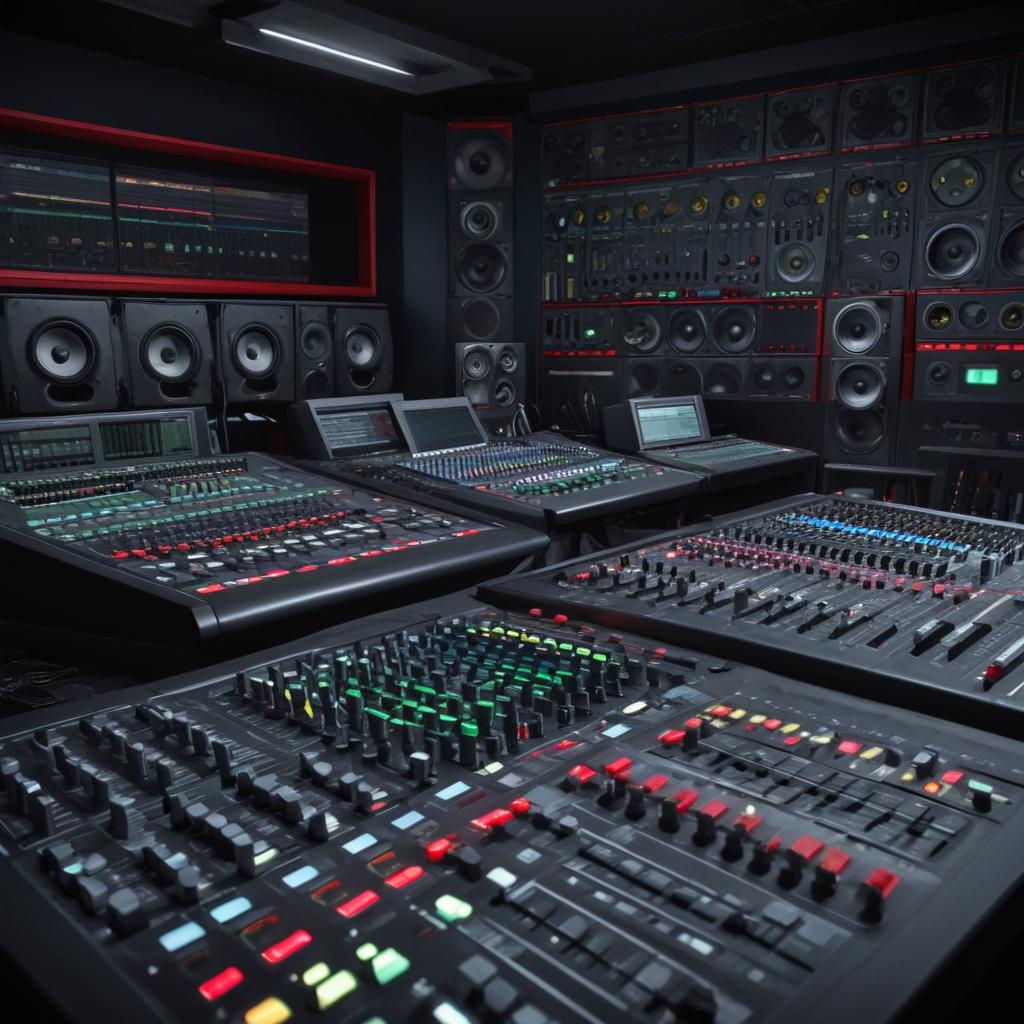
Layering involves combining various audio tracks, such as background ambiance, character sounds, and environmental effects, to build complex audio environments. Integration tools facilitate the mixing process by giving designers control over volume levels, spatial positioning, and real-time audio effects, ensuring that every sound fits harmoniously within the game’s world.
Another critical aspect of these authoring tools is the ability to trigger sounds based on game events. Whether it’s footsteps reacting to different surfaces, weapon fire, or interactive dialogue, sound designers can set precise rules and conditions that determine when and how sounds play. This dynamic triggering enhances player immersion by closely aligning audio feedback with the gameplay context.
Modern sound design and integration tools often come with user-friendly interfaces that streamline the workflow, enabling designers to audition changes instantly and iterate quickly. By combining layering, mixing, and triggering capabilities, these tools empower creators to deliver an engaging and responsive audio experience that elevates the overall game atmosphere.
Real-Time Audio Processing
Real-time audio processing is a powerful feature of modern audio middleware that significantly enhances the gaming experience by allowing dynamic manipulation of sound effects during gameplay. This capability enables developers to apply and modify audio effects on the fly, responding instantly to player actions or environmental changes within the game world.
With real-time audio processing, middleware can adapt sounds based on various factors such as distance, movement, or interaction with objects, creating a rich and immersive soundscape. It processes audio effects like reverberation, echo, filtering, and modulation instantaneously without pre-rendering, ensuring that the audio environment evolves naturally alongside the gameplay.
This dynamic approach to audio processing allows for more nuanced and responsive sound design. For example, the middleware might increase the intensity of footsteps as a character runs or change the ambiance when entering different areas. The ability to manipulate audio effects in real-time also supports adaptive music scores that shift in tone and complexity based on game events, further deepening player engagement.
Overall, real-time audio processing by middleware offers developers the tools to create fluid, responsive soundscapes that react seamlessly to gameplay, enhancing the realism and emotional impact of games. This adaptability truly transforms how players experience audio within interactive environments.
Compatibility and Integration
Audio middleware plays a crucial role in modern game development by offering seamless compatibility and integration with a wide range of game engines and platforms. This integration is designed to streamline the development process, allowing sound designers and developers to work more efficiently without worrying about technical barriers. With built-in support for popular game engines such as Unity, Unreal Engine, and proprietary engines, audio middleware ensures that audio assets can be easily imported, managed, and manipulated within the development environment.
By providing robust integration tools and APIs, audio middleware enables developers to synchronize audio events with gameplay mechanics, creating immersive and responsive soundscapes. This compatibility extends across diverse platforms, from PC and consoles to mobile devices and virtual reality systems, ensuring that audio performance and quality remain consistent. The streamlined workflow minimizes the need for redundant coding and debugging of audio-related features, allowing teams to focus on creative aspects and polish the overall game experience.
Moreover, audio middleware supports collaboration between multiple departments, bridging the gap between audio designers and programmers. Its flexibility in integrating with various game engines makes it an indispensable tool that accelerates development while maintaining a high standard of audio fidelity. Ultimately, this compatibility and integration empower game studios to deliver captivating audio experiences that enhance gameplay and player engagement.
Popular Audio Middleware Solutions
In the realm of game development and immersive media industries, audio middleware software plays a crucial role in delivering dynamic and high-quality sound experiences. Among the most renowned audio middleware solutions are Wwise and FMOD, both of which have become industry standards due to their robust features, flexibility, and ease of integration.
Wwise, developed by Audiokinetic, is one of the leading audio middleware platforms widely used across various gaming and VR projects. It offers an extensive suite of tools for audio design, mixing, and real-time audio processing. Wwise’s interactive capabilities allow sound designers to create adaptive audio environments that respond to gameplay events, enhancing immersion and player engagement. Its integration with major game engines such as Unity and Unreal Engine streamlines the workflow, making it accessible for both small indie studios and large AAA developers.
On the other hand, FMOD, created by Firelight Technologies, is another top contender in the audio middleware software market. Known for its easy-to-use interface and powerful audio engine, FMOD supports a wide range of platforms and offers real-time audio manipulation tools. FMOD Studio enables sound designers and developers to build complex audio behaviors, including 3D spatialization and interactive music, without extensive programming knowledge. Its extensive documentation and active community further contribute to its popularity in the game development sector.
Both Wwise and FMOD empower sound designers by providing granular control over audio assets and behaviors, ensuring that soundscapes dynamically adapt to player actions and game environments. They support numerous audio formats and deliver optimized performance, which is critical for maintaining high-quality audio across different hardware specifications. These audio middleware solutions bridge the gap between creative sound design and technical implementation, making the process of integrating audio into games more efficient and effective.
Choosing between Wwise and FMOD often depends on specific project needs, budget constraints, and team preferences, but both remain excellent options for anyone looking to elevate their game’s audio design. Their continued development and support highlight the growing importance of audio middleware software in creating rich, immersive interactive experiences in both games and various immersive media formats.
Audiokinetic Wwise
Wwise, developed by Audiokinetic, is a comprehensive sound engine widely recognized and adopted by professionals in the game audio industry. It offers an extensive range of features designed to streamline the creation, integration, and management of audio content within interactive environments. Wwise allows sound designers and audio programmers to effectively control sound behaviors and spatialization, ensuring immersive and dynamic auditory experiences tailored to gameplay mechanics.
One key strength of Wwise is its flexible and powerful authoring tool, which supports real-time audio mixing, advanced effects processing, and adaptive music systems. The middleware integrates seamlessly with popular game engines such as Unity and Unreal Engine, enhancing workflow efficiency and collaboration across development teams. Its robust API empowers developers to customize and automate audio behaviors to meet specific project requirements.
The user base of Wwise spans from indie developers to major AAA studios, reflecting its versatility and reliability. Professionals choose Wwise for its ability to handle complex audio scenarios while maintaining performance optimization, making it an industry standard. Audiokinetic’s ongoing updates and dedicated community support further solidify Wwise’s reputation as a leading sound engine in interactive media production.
FMOD Studio
FMOD Studio is a powerful audio middleware solution widely used in the field of audio design for interactive media such as video games and virtual reality experiences. It provides sound designers and developers with an intuitive and flexible platform to create complex audio behaviors without extensive coding knowledge. FMOD Studio stands out for its real-time audio mixing capabilities, interactive music systems, and dynamic sound event handling, making it ideal for crafting immersive soundscapes that respond fluidly to player actions.
The key capabilities of FMOD include multi-track audio editing, seamless integration with popular game engines, and an optimized runtime engine that supports various platforms. Sound designers can leverage FMOD’s visual interface to build layered audio events, implement dynamic parameters, and create adaptive music that changes with gameplay conditions. Additionally, FMOD offers robust plug-in support and scripting options to tailor audio behavior to the specific needs of each project.
One of FMOD’s primary advantages is its interactive workflow that enables real-time iteration, allowing audio creators to hear changes immediately and adjust sounds on the fly. This iterative process significantly improves efficiency and creativity in audio development. Moreover, FMOD Studio’s middleware approach bridges the gap between audio design and implementation, simplifying collaboration between sound designers and developers. Overall, FMOD empowers teams to deliver engaging and responsive audio experiences that enhance the overall quality and immersion of interactive content.
Introduction to Audio Middleware
Audio middleware is specialized software that acts as an intermediary layer between a game engine and the audio content within a game. It is designed to help sound designers and audio programmers effectively manage, implement, and control game audio without the need to write complex code or directly manipulate the game engine’s sound systems. This makes audio middleware a crucial tool in modern game development, particularly for creating rich and immersive interactive sound experiences.
As games have evolved, the complexity and scope of their audio requirements have increased dramatically. Gone are the days when simple background music and basic sound effects were sufficient. Today’s games demand dynamic, adaptive soundscapes that respond in real-time to player actions and in-game events. Audio middleware enables this level of interactivity by providing a suite of tools that facilitate advanced audio behaviors such as spatialization, mixing, layering, and real-time parameter control. This allows developers to seamlessly integrate sound with gameplay mechanics, enhancing overall immersion.
One of the primary benefits of using audio middleware is the separation of audio production from game programming. Sound designers can work independently within the middleware environment, crafting and tuning audio assets and behaviors without involving programmers in every step. This division of labor speeds up development cycles and reduces bottlenecks. Middleware also supports a wide range of audio formats and standards, ensuring compatibility across diverse platforms and game engines.
In the context of interactive media, audio middleware is indispensable for creating nuanced sound interactions that adapt fluidly to the player’s context and decisions. It empowers creators to design audio that reacts naturally and intuitively, enriching the narrative and gameplay experience. By managing complex audio logic and providing intuitive interfaces, audio middleware enables higher quality game audio production, elevating the player’s engagement and emotional connection with the game world.
Ultimately, audio middleware is at the heart of modern game audio design, bridging the gap between sound artistry and technical implementation. Its importance cannot be overstated, as it enables the creation of interactive sound environments that are essential to the immersive, dynamic nature of contemporary games.
Definition and Purpose
Audio middleware is specialized software that acts as an intermediary between audio production tools and game engines or other interactive media platforms. Its primary purpose is to streamline the integration and management of audio assets, allowing sound designers and developers to focus on creating immersive audio experiences without dealing with complex coding or manual adjustments. Essentially, it serves as a bridge that enables seamless communication between audio content and the software environment in which it operates.
The definition of audio middleware encompasses its role in simplifying audio implementation. It provides an overview of key functions such as real-time audio processing, adaptive sound behavior, and efficient asset management. By using audio middleware, developers can dynamically modify audio playback based on in-game events, player actions, or environmental changes, enhancing the overall interactivity and realism of the soundscape.
The main functions and benefits of audio middleware include improved workflow efficiency, flexibility in sound design, and optimized audio performance. It reduces the need for repeated audio integration tasks, saving development time and resources. Additionally, it supports a wide range of audio formats and effects, empowering sound designers to craft detailed and responsive audio environments. In summary, audio middleware is an essential tool that bridges creative vision and technical implementation, ensuring high-quality audio production in interactive media.
Common Uses in Gaming and Media
Audio middleware plays a crucial role in game audio, serving as the bridge between creative sound design and interactive gameplay mechanics. In gaming, it enables dynamic soundscapes that respond to player actions in real-time, enhancing immersion and emotional impact. This technology allows developers to integrate adaptive music, environmental sounds, and character voices seamlessly without the need for extensive programming.
In virtual reality (VR), audio middleware is essential for creating spatial audio experiences that provide directional cues and realistic sound placement, which are vital for user immersion. By simulating how sounds change based on position and environment, audio middleware improves the sense of presence and interaction within VR worlds.
Interactive media beyond gaming also benefits from audio middleware, such as in augmented reality (AR), interactive installations, and multimedia performances. Here, it manages complex audio triggers and mixes that adapt fluidly to user input and environmental variables, enabling more engaging and responsive sound environments.
Overall, the uses of audio middleware span from enhancing the narrative storytelling in games to supporting innovative audio experiences in emerging interactive platforms. Its ability to handle intricate audio logic efficiently makes it an indispensable tool for developers and sound designers working within any interactive media landscape.
Key Features and Components of Audio Middleware
Audio middleware software is an essential tool in modern game and application development, serving as a bridge between audio content creators and developers. These tools come equipped with distinct features and technical components that streamline the process of integrating complex soundscapes and interactive audio effects. Understanding these features and components is crucial for leveraging the full potential of audio middleware.
One of the primary features of audio middleware is its real-time audio engine. This engine processes and manipulates sound assets on the fly, allowing for dynamic audio playback that can respond instantly to in-game events or user interactions. Unlike static audio files, this capability ensures a richer, more immersive experience, adapting sound to the environment and gameplay context.
Another crucial component is the sound asset management system. This feature organizes and categorizes audio files, metadata, and parameters within a centralized framework. It enables sound designers and developers to efficiently manage extensive libraries of sound effects, music tracks, and dialog, ensuring that assets are easily accessible and systematically deployed during development and runtime.
Audio middleware typically includes a graphical user interface (GUI) for authoring and editing audio behaviors without deep programming knowledge. This visual environment allows users to design complex audio logic, trigger events, and control parameters using interactive graphs and nodes. The GUI facilitates collaboration between sound designers and programmers, reducing development time and enhancing creativity.
Key technical components also encompass scripting and automation capabilities. Middleware often supports custom scripting languages or integrates with existing ones, allowing developers to automate repetitive tasks and create sophisticated audio interactions tailored to their project needs. This flexibility is vital for implementing adaptive music systems, layered sound effects, and context-sensitive audio cues.
Furthermore, audio middleware supports integration with various game engines and platforms through plugins or APIs. This interoperability ensures that audio tools can be seamlessly incorporated into the broader development pipeline, enabling synchronous updates and real-time testing across different environments. Compatible middleware also offers robust debugging and profiling tools to optimize audio performance and troubleshoot issues.
In summary, the features and components of audio middleware—ranging from real-time engines and asset management to GUIs, scripting, and integration capabilities—form a comprehensive toolkit for audio professionals. These audio tools empower creators to design, implement, and refine immersive soundscapes that enhance user experience and elevate the overall quality of interactive media.
Sound Design and Integration Tools
Sound design and integration tools are essential components in modern game development, providing creators with powerful authoring tools to craft immersive audio experiences. These tools allow sound designers to layer multiple sound elements seamlessly, creating rich and dynamic soundscapes that respond to gameplay.
Layering involves combining various audio tracks, such as background ambiance, character sounds, and environmental effects, to build complex audio environments. Integration tools facilitate the mixing process by giving designers control over volume levels, spatial positioning, and real-time audio effects, ensuring that every sound fits harmoniously within the game’s world.
Another critical aspect of these authoring tools is the ability to trigger sounds based on game events. Whether it’s footsteps reacting to different surfaces, weapon fire, or interactive dialogue, sound designers can set precise rules and conditions that determine when and how sounds play. This dynamic triggering enhances player immersion by closely aligning audio feedback with the gameplay context.
Modern sound design and integration tools often come with user-friendly interfaces that streamline the workflow, enabling designers to audition changes instantly and iterate quickly. By combining layering, mixing, and triggering capabilities, these tools empower creators to deliver an engaging and responsive audio experience that elevates the overall game atmosphere.
Real-Time Audio Processing
Real-time audio processing is a powerful feature of modern audio middleware that significantly enhances the gaming experience by allowing dynamic manipulation of sound effects during gameplay. This capability enables developers to apply and modify audio effects on the fly, responding instantly to player actions or environmental changes within the game world.
With real-time audio processing, middleware can adapt sounds based on various factors such as distance, movement, or interaction with objects, creating a rich and immersive soundscape. It processes audio effects like reverberation, echo, filtering, and modulation instantaneously without pre-rendering, ensuring that the audio environment evolves naturally alongside the gameplay.
This dynamic approach to audio processing allows for more nuanced and responsive sound design. For example, the middleware might increase the intensity of footsteps as a character runs or change the ambiance when entering different areas. The ability to manipulate audio effects in real-time also supports adaptive music scores that shift in tone and complexity based on game events, further deepening player engagement.
Overall, real-time audio processing by middleware offers developers the tools to create fluid, responsive soundscapes that react seamlessly to gameplay, enhancing the realism and emotional impact of games. This adaptability truly transforms how players experience audio within interactive environments.
Compatibility and Integration
Audio middleware plays a crucial role in modern game development by offering seamless compatibility and integration with a wide range of game engines and platforms. This integration is designed to streamline the development process, allowing sound designers and developers to work more efficiently without worrying about technical barriers. With built-in support for popular game engines such as Unity, Unreal Engine, and proprietary engines, audio middleware ensures that audio assets can be easily imported, managed, and manipulated within the development environment.
By providing robust integration tools and APIs, audio middleware enables developers to synchronize audio events with gameplay mechanics, creating immersive and responsive soundscapes. This compatibility extends across diverse platforms, from PC and consoles to mobile devices and virtual reality systems, ensuring that audio performance and quality remain consistent. The streamlined workflow minimizes the need for redundant coding and debugging of audio-related features, allowing teams to focus on creative aspects and polish the overall game experience.
Moreover, audio middleware supports collaboration between multiple departments, bridging the gap between audio designers and programmers. Its flexibility in integrating with various game engines makes it an indispensable tool that accelerates development while maintaining a high standard of audio fidelity. Ultimately, this compatibility and integration empower game studios to deliver captivating audio experiences that enhance gameplay and player engagement.
Popular Audio Middleware Solutions
In the realm of game development and immersive media industries, audio middleware software plays a crucial role in delivering dynamic and high-quality sound experiences. Among the most renowned audio middleware solutions are Wwise and FMOD, both of which have become industry standards due to their robust features, flexibility, and ease of integration.
Wwise, developed by Audiokinetic, is one of the leading audio middleware platforms widely used across various gaming and VR projects. It offers an extensive suite of tools for audio design, mixing, and real-time audio processing. Wwise’s interactive capabilities allow sound designers to create adaptive audio environments that respond to gameplay events, enhancing immersion and player engagement. Its integration with major game engines such as Unity and Unreal Engine streamlines the workflow, making it accessible for both small indie studios and large AAA developers.
On the other hand, FMOD, created by Firelight Technologies, is another top contender in the audio middleware software market. Known for its easy-to-use interface and powerful audio engine, FMOD supports a wide range of platforms and offers real-time audio manipulation tools. FMOD Studio enables sound designers and developers to build complex audio behaviors, including 3D spatialization and interactive music, without extensive programming knowledge. Its extensive documentation and active community further contribute to its popularity in the game development sector.
Both Wwise and FMOD empower sound designers by providing granular control over audio assets and behaviors, ensuring that soundscapes dynamically adapt to player actions and game environments. They support numerous audio formats and deliver optimized performance, which is critical for maintaining high-quality audio across different hardware specifications. These audio middleware solutions bridge the gap between creative sound design and technical implementation, making the process of integrating audio into games more efficient and effective.
Choosing between Wwise and FMOD often depends on specific project needs, budget constraints, and team preferences, but both remain excellent options for anyone looking to elevate their game’s audio design. Their continued development and support highlight the growing importance of audio middleware software in creating rich, immersive interactive experiences in both games and various immersive media formats.
Audiokinetic Wwise
Wwise, developed by Audiokinetic, is a comprehensive sound engine widely recognized and adopted by professionals in the game audio industry. It offers an extensive range of features designed to streamline the creation, integration, and management of audio content within interactive environments. Wwise allows sound designers and audio programmers to effectively control sound behaviors and spatialization, ensuring immersive and dynamic auditory experiences tailored to gameplay mechanics.
One key strength of Wwise is its flexible and powerful authoring tool, which supports real-time audio mixing, advanced effects processing, and adaptive music systems. The middleware integrates seamlessly with popular game engines such as Unity and Unreal Engine, enhancing workflow efficiency and collaboration across development teams. Its robust API empowers developers to customize and automate audio behaviors to meet specific project requirements.
The user base of Wwise spans from indie developers to major AAA studios, reflecting its versatility and reliability. Professionals choose Wwise for its ability to handle complex audio scenarios while maintaining performance optimization, making it an industry standard. Audiokinetic’s ongoing updates and dedicated community support further solidify Wwise’s reputation as a leading sound engine in interactive media production.
FMOD Studio
FMOD Studio is a powerful audio middleware solution widely used in the field of audio design for interactive media such as video games and virtual reality experiences. It provides sound designers and developers with an intuitive and flexible platform to create complex audio behaviors without extensive coding knowledge. FMOD Studio stands out for its real-time audio mixing capabilities, interactive music systems, and dynamic sound event handling, making it ideal for crafting immersive soundscapes that respond fluidly to player actions.
The key capabilities of FMOD include multi-track audio editing, seamless integration with popular game engines, and an optimized runtime engine that supports various platforms. Sound designers can leverage FMOD’s visual interface to build layered audio events, implement dynamic parameters, and create adaptive music that changes with gameplay conditions. Additionally, FMOD offers robust plug-in support and scripting options to tailor audio behavior to the specific needs of each project.
One of FMOD’s primary advantages is its interactive workflow that enables real-time iteration, allowing audio creators to hear changes immediately and adjust sounds on the fly. This iterative process significantly improves efficiency and creativity in audio development. Moreover, FMOD Studio’s middleware approach bridges the gap between audio design and implementation, simplifying collaboration between sound designers and developers. Overall, FMOD empowers teams to deliver engaging and responsive audio experiences that enhance the overall quality and immersion of interactive content.

I’ve been playing video games since I was a kid, and that passion naturally led me to explore how they’re made. I love diving into game design concepts and sharing insights with fellow enthusiasts. When I’m not testing new titles, I’m tinkering with Unity and learning new programming tricks.