What Are Game Jams?
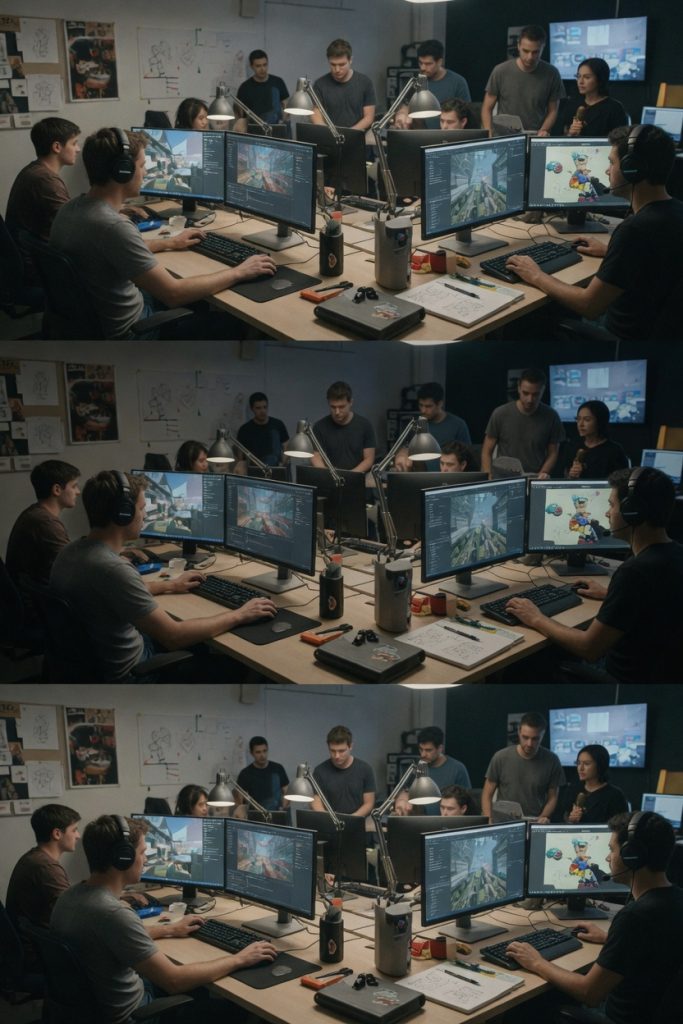
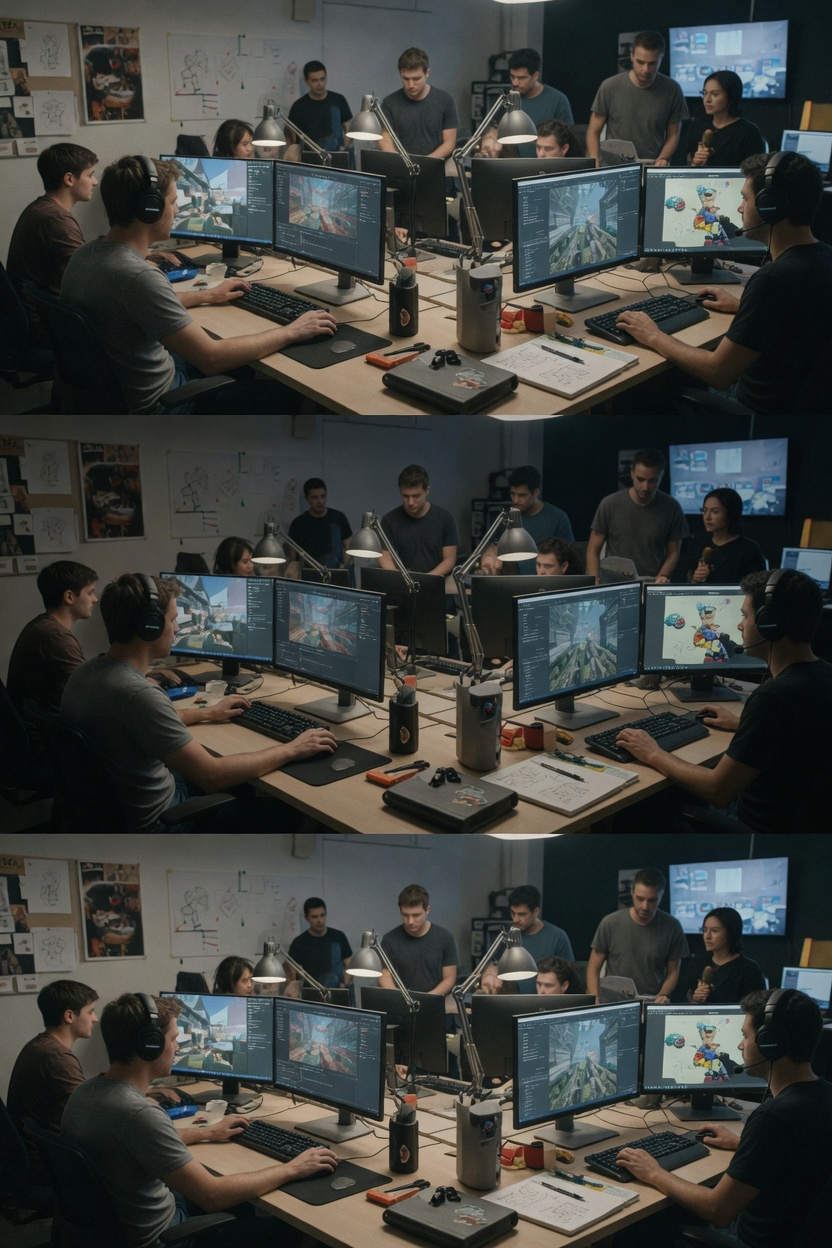
Game jams are dynamic game development events that challenge participants to create complete games from scratch within a very short time frame. These jam events are popular among hobbyists and professionals alike because they provide a structured way to boost creativity and rapid prototyping. By setting strict deadlines, they help individuals focus on the essentials of game design and implementation, which is perfect for learning game dev in an immersive setting without the usual commercial pressures.
Usually, game jams run for 24 to 72 hours, pushing teams to work efficiently and make quick choices about what to include in their projects. Themes are revealed at the start, ranging from abstract concepts to specific genres, which sparks innovative ideas that might not be explored otherwise. This limited duration ensures high energy and forces developers to prioritize core mechanics over extensive polishing.
The format of these events greatly supports learning game dev as participants must overcome technical hurdles rapidly and often learn new skills on the fly. Feedback from the community helps refine abilities, while the pressure builds resilience and time management, key traits for any game developer. Collaboration frequently emerges as teams combine talents across programming, art, and audio to deliver playable experiences.
Popular examples like Ludum Dare demonstrate the power of game jams in nurturing talent. This particular jam event has been running for decades and has launched many successful careers by providing a platform for experimentation and networking within the game development community. Overall, game jams remain essential for fostering creativity and continuous growth in game development.
Key Benefits of Game Jams for Learning
Participating in game jams offers numerous benefits of game jams for those seeking to master game development. The primary advantage is the hands-on experience, which allows developers to create functional games quickly. This direct involvement helps in skill building across various disciplines, from programming to user interface design.

Time management skills are sharpened as participants must plan and execute their ideas within tight schedules. This aspect of game dev practice is crucial for professional success, teaching prioritization and focus. Collaboration with other participants enhances learning through shared ideas and division of labor.
Networking in jams builds valuable connections within the community, opening doors to mentorship and joint projects. Receiving feedback from judges and peers provides insights that are hard to obtain elsewhere. This guidance helps refine skills and avoid common pitfalls in game creation.
Furthermore, the competitive yet supportive environment motivates continuous improvement. Developers learn to iterate rapidly based on testing, which is a core part of effective game development. The variety of themes challenges creativity, pushing boundaries and fostering innovation. Over time, regular participation leads to measurable progress in abilities and confidence. Game jams also expose participants to new tools and technologies, broadening their expertise. The sense of community reduces isolation often felt in solo learning, making the journey more engaging and less daunting. These events are powerful tools for anyone serious about advancing in the field of game development.
Building Technical Skills Quickly
Game jams provide a unique platform for aspiring developers to enhance their technical skills through intense, focused efforts. Engaging in programming in jams forces individuals to apply theoretical knowledge in real-time scenarios, leading to profound understanding and retention. The pressure of deadlines within these events promotes rapid learning, as participants must master new concepts swiftly to complete their projects.
Utilizing popular game engines during these jams accelerates the process even further. Developers experiment with tools and frameworks they might not have encountered otherwise, gaining hands-on experience that traditional learning methods often lack. This practical application extends beyond coding to include art creation and game design principles, ensuring a well-rounded skill set.
Under strict time constraints, participants learn to prioritize tasks and optimize their workflows. They discover efficient ways to implement features, debug issues on the spot, and iterate based on feedback. Such experiences build resilience and adaptability, crucial traits for any game developer.
Furthermore, the collaborative atmosphere in game jams encourages sharing of techniques and solutions, amplifying the learning curve. By the end of a jam, individuals often find their technical skills have improved dramatically, equipping them with the confidence to tackle more complex projects in the future. This method of immersive, constraint-driven learning proves invaluable for continuous growth in the field of game development.
How to Get Started with Game Jams
Embarking on starting game jams opens up exciting opportunities for aspiring developers. For your first game jam, the initial step involves discovering suitable events through various game jam platforms. Websites like itch.io host numerous jams year-round, allowing you to filter by theme, duration, and experience level. Signing up early ensures you receive updates and can plan accordingly. This approach helps beginners dive in without feeling lost or overwhelmed by options.
On GDevelop’s channel they explain how to tackle your first game jam—you can watch it right here.
When preparing for participation, adhere to key beginner tips that emphasize simplicity and focus. Select a jam that aligns with your current abilities rather than jumping into advanced competitions. Research past winners on these platforms to understand expectations. Additionally, familiarize yourself with the submission process to avoid last-minute issues during the intense final hours of the event.
Choosing the right tools is essential for success in your first game jam. Stick with engines you know well, such as Unity for 2D games or Godot for lighter projects. Install necessary plugins beforehand and test your setup thoroughly. Create a basic project template to save time once the jam begins. This technical prep reduces stress significantly while allowing creative energy to flow freely.
Forming teams adds a collaborative dimension to game jams. Many game jam platforms offer community sections where you can post your skills or look for members. Discuss roles upfront, like programmer, artist, or designer, to ensure balanced contributions. Virtual teams work well if in-person meetings are not feasible, fostering communication through shared documents and regular check-ins.
Finally, mental and technical preparation cannot be overlooked when starting game jams. Build resilience by setting small milestones and practicing quick decision-making under time constraints. Technically, organize your files, back up regularly, and learn basic debugging techniques in advance. Stay positive, as game jams are learning experiences first and foremost, helping you grow with every submission.
Best Practices for Maximizing Learning
Game jams provide an intense but rewarding environment for skill development. To maximize educational value, start by setting clear learning goals tailored to your current needs. Whether it is improving coding efficiency or exploring new design principles, having defined objectives helps maintain focus during the event and directs your energy toward meaningful growth.

Effective participation involves more than just creating a game; it requires strategic planning and adaptability. Incorporate game jam tips such as breaking tasks into manageable chunks, scoping features realistically, and seeking feedback from peers early and often. These practices enhance productivity while fostering a deeper learning experience that extends beyond the final submission.
Documenting progress is another critical strategy. Keep detailed records of your decisions, code changes, creative processes, and daily challenges through journals or version control notes. This habit not only helps during the jam but also provides rich material for later review, clearly highlighting key learning outcomes achieved throughout the intense development cycle.
Post-jam reflection allows you to consolidate everything you have learned. Spend dedicated time evaluating your project, the obstacles faced, solutions implemented, and how well initial goals were met. This thoughtful analysis turns raw experiences into lasting knowledge and reveals patterns that inform future game development efforts.
Finally, do not let the momentum fade after the event ends. Iterating on projects after the event enables you to apply insights gained and build upon your initial work. By polishing mechanics, fixing issues, and expanding features, you reinforce new skills and create stronger portfolio pieces that demonstrate tangible professional growth over time.

I’ve been playing video games since I was a kid, and that passion naturally led me to explore how they’re made. I love diving into game design concepts and sharing insights with fellow enthusiasts. When I’m not testing new titles, I’m tinkering with Unity and learning new programming tricks.