Introduction to Game Jams
Game jams are popular game development events where participants come together to create video games within a limited timeframe, usually ranging from 24 to 72 hours. These events encourage creativity, quick thinking, and collaboration, focusing on rapid prototyping and innovative game design rather than polished final products. The primary goal of a game jam is to foster learning, experimentation, and community engagement among game developers, designers, artists, and enthusiasts.
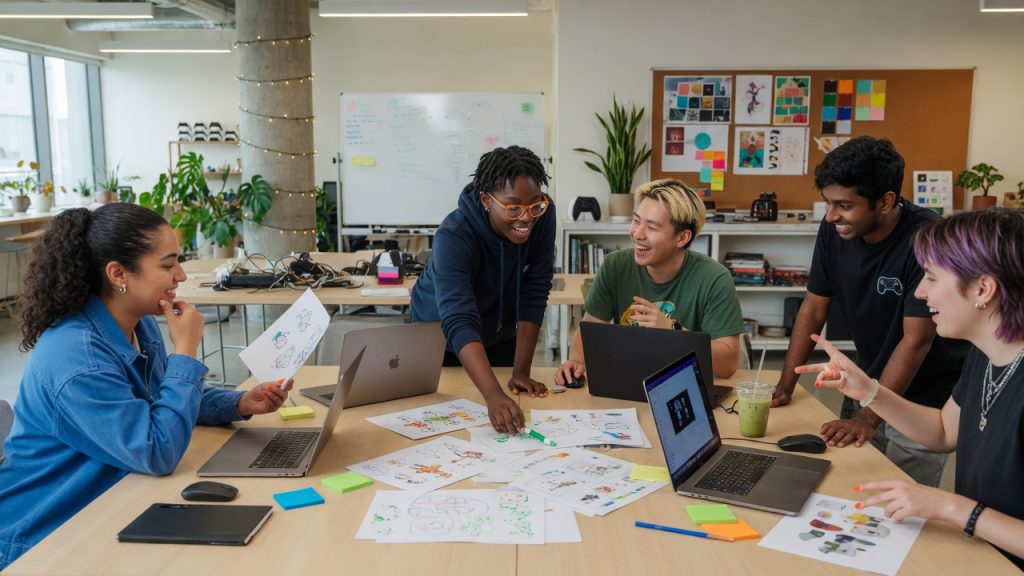
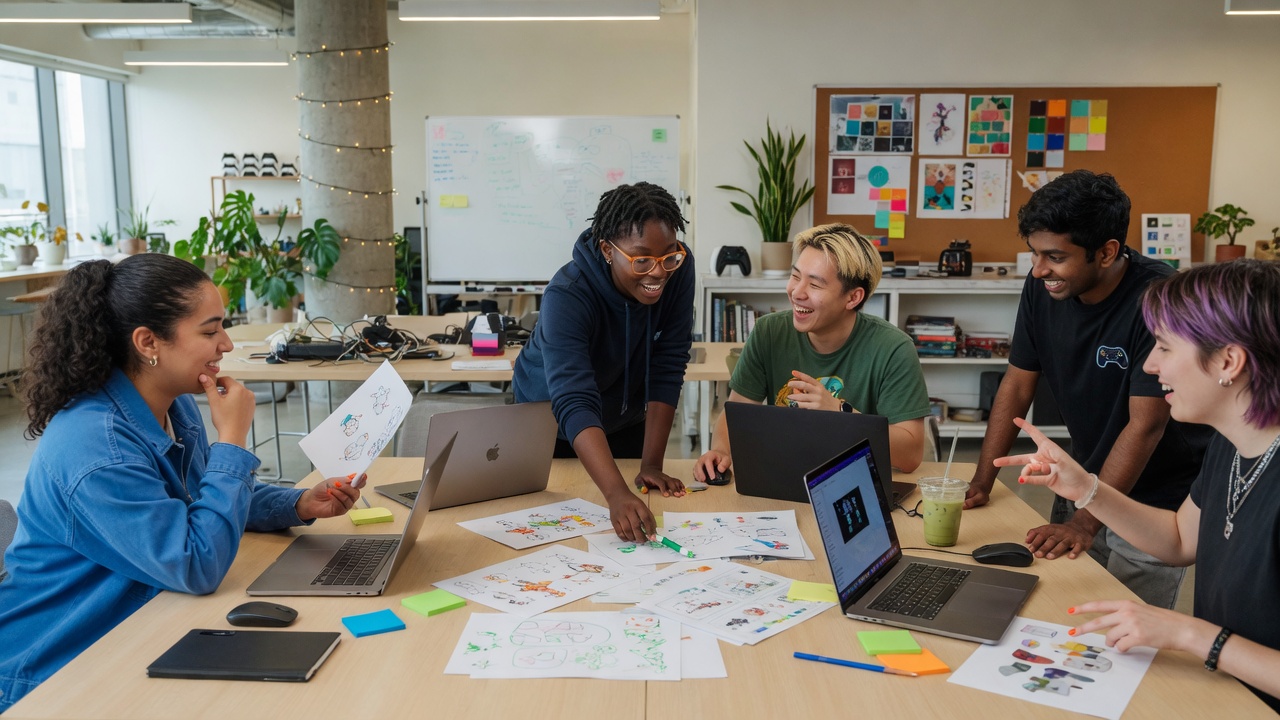
At their core, game jams bring together individuals from diverse backgrounds and skill sets to work collaboratively on small game projects. The event typically begins with a theme announcement, which serves as a creative constraint to inspire and challenge participants. Attendees then form teams or work solo to brainstorm ideas, develop concepts, and build playable game versions within the allotted time. This format not only pushes the limits of creative problem-solving but also helps cultivate a strong sense of camaraderie and collective achievement.
Game jams vary in size and scope—from local meetups and university-hosted events to large international competitions coordinated online. Regardless of their format, these gatherings tend to emphasize hands-on experience, experimentation, and rapid iteration. Due to the short duration, game jams are excellent opportunities for participants to test new tools, mechanics, or storytelling techniques without the pressure of commercial success or extensive polish.
In addition to being a platform for game development education, game jams often serve as a community-building experience. They encourage networking, mentoring, and sharing of knowledge, which can lead to future collaborations or even career opportunities. By emphasizing collaboration and creative freedom, game jams help foster an inclusive environment where both novice and experienced developers can grow and learn together, ultimately enriching the broader gaming industry.
Key Benefits of Joining Game Jams
Participating in game jams offers numerous benefits that extend well beyond just creating a game in a tight timeframe. One of the most significant advantages is the rapid skills development participants experience. Game jams push developers, artists, designers, and writers to think creatively and solve problems quickly. This environment encourages experimentation with new tools, techniques, and ideas, enhancing both technical and creative abilities. For many, these events serve as a practical learning ground where theoretical knowledge is transformed into real-world application.
Another key benefit lies in the opportunity for networking in game dev. Game jams bring together a diverse group of people passionate about games from various backgrounds and skill levels. This mix creates a unique atmosphere that fosters collaboration and knowledge sharing. Participants often meet future colleagues, mentors, or collaborators, expanding their professional network significantly. The connections made during these events can lead to new projects, job opportunities, or long-term partnerships within the game development community.
Beyond professional networking and skills enhancement, game jams also contribute to personal growth. They encourage participants to manage time effectively, work under pressure, and adapt to unexpected challenges. These experiences build resilience and confidence, which are valuable traits both within and outside the game development industry. Moreover, completing a game within such a constrained schedule gives a strong sense of achievement and motivation to keep honing one’s craft.
Finally, the collaborative nature of game jams cultivates teamwork and communication skills. Participants learn how to clearly convey ideas, give and receive feedback constructively, and work jointly towards a shared goal. These interpersonal skills are crucial in any professional setting and add immense value to a developer’s profile.
In summary, the benefits of game jams are multifaceted, covering rapid skills development, valuable networking in game dev, and personal and professional growth. Engaging in these events is an excellent way for individuals to accelerate their development journey, expand their professional circles, and gain experiences that contribute significantly to their careers.
Skill Enhancement and Learning Opportunities
Participating in game jams offers an unparalleled opportunity for learning game development through hands-on experience. These intense, time-bound events challenge individuals to rapidly create game prototypes, which fosters significant skill improvement in coding, game design, and creative problem-solving. The pressure to deliver quickly encourages participants to refine their technical abilities and ability to iterate fast, ensuring they develop a better understanding of rapid prototyping methods.
In a typical game jam, developers must integrate coding skills with game design principles to produce a functional and engaging game within a limited timeframe. This combination of disciplines pushes participants to strengthen their skills in both areas simultaneously, helping them better grasp how code translates into an interactive experience. By experimenting with new tools and techniques during the jam, developers and designers expand their technical toolkit and gain confidence in their abilities.
Moreover, game jams create a collaborative environment where participants often share insights, feedback, and peer support. This culture of learning helps accelerate skill improvement by providing immediate opportunities to apply lessons and adapt strategies. Overall, game jams serve as a powerful platform for anyone looking to boost their coding and design skills while embracing the dynamic challenges of rapid game development.
Networking and Community Building
Participating in game jams offers a unique opportunity to engage deeply with the game dev community. These events bring together developers from various backgrounds and skill levels, creating a collaborative environment where networking naturally thrives. By working side by side in intense, creative sprints, participants build meaningful connections that often extend beyond the jam itself.
Game jams foster collaboration by encouraging developers to share ideas, give constructive feedback, and help each other overcome challenges in real-time. This spirit of cooperation not only enhances individual projects but also strengthens the broader game development community by nurturing relationships grounded in mutual support and shared passion.
Moreover, game jams often attract industry professionals, offering participants the chance to meet and learn from experienced developers, publishers, and other key figures. These connections can lead to valuable mentorship, career opportunities, and collaborations that might be difficult to attain through traditional networking channels. Ultimately, the sense of community and the networks built during game jams can provide ongoing support and inspiration throughout one’s game development journey.
Portfolio and Career Advancement
Participating in game jams is an excellent way to build a strong game dev portfolio that stands out to potential employers. These events challenge you to create complete projects in a limited timeframe, demonstrating your ability to deliver results under pressure. The games you develop during these jams serve as tangible examples of your skills and creativity, making them powerful additions to your resume.
Beyond just showcasing your technical abilities, game jams highlight your teamwork and collaboration skills. Many jams encourage or require working in teams, providing you the opportunity to prove your communication and cooperation capabilities. Employers highly value these soft skills, as they are crucial for successful project development in professional environments.
Moreover, the experience gained from participating in multiple game jams contributes significantly to your career growth. You not only expand your network by connecting with other developers and industry professionals but also continuously learn new tools and techniques. This proactive approach to resume building shows dedication and passion, helping you advance your career in the competitive game development field.
Tips for Maximizing Your Game Jam Experience
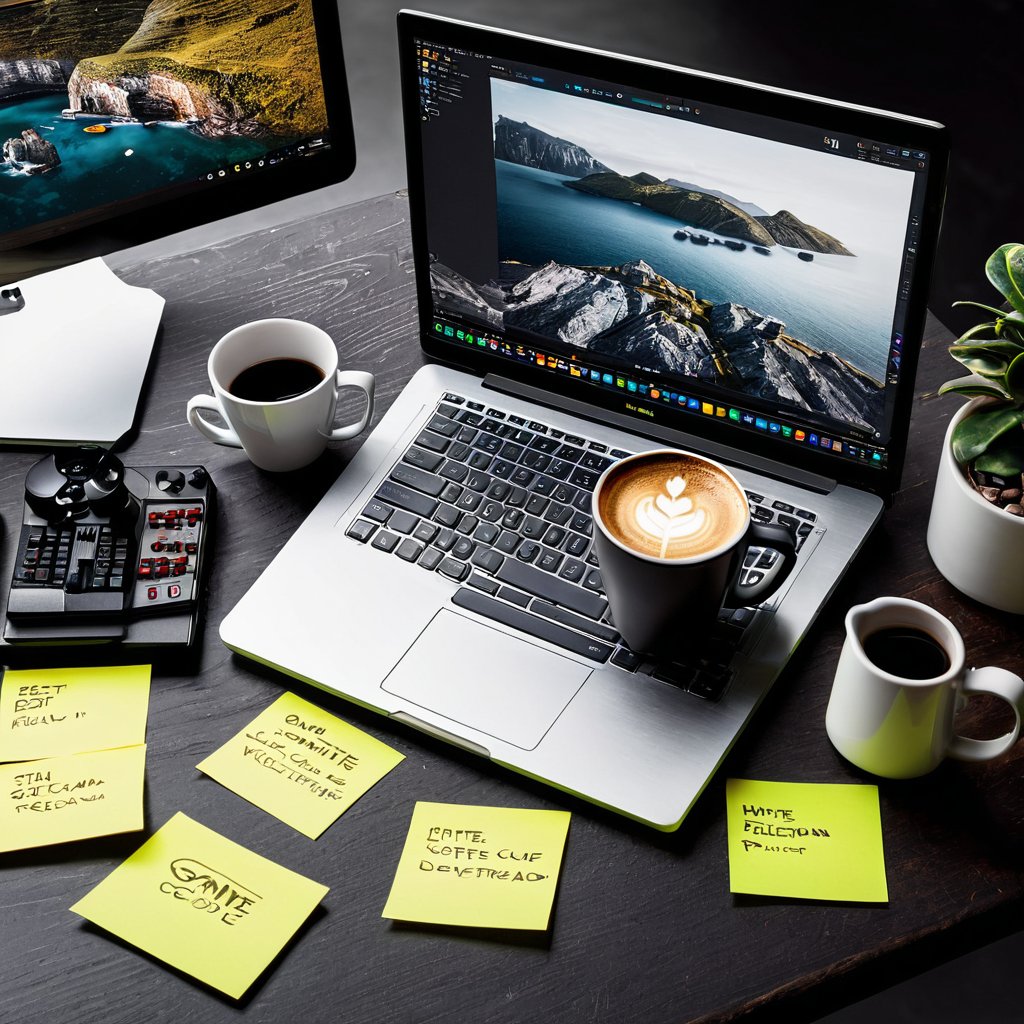
Participating in a game jam can be an exhilarating and rewarding experience, but to truly benefit from it, having a solid game jam strategy is essential. Preparation plays a crucial role in ensuring your successful participation and making the entire process smoother and more enjoyable.
First, familiarize yourself with the rules and theme of the game jam well in advance. Understanding the framework you’ll be working within allows you to brainstorm ideas quickly once the event starts. This also helps in setting realistic goals that fit the jam’s timeframe, which is vital for successful participation.
Next, assemble a balanced team or decide on your scope if you’re working solo. While a small team with diverse skills—like programming, art, and sound design—can cover many bases, working alone requires careful planning to ensure you don’t overcommit. Prioritize core mechanics and ditch non-essential features early to focus on a complete, polished game.
Another key piece of advice is to use familiar tools and frameworks. Game jams are high-pressure environments with tight deadlines, so leaning on tried-and-tested software helps avoid technical issues and saves valuable time. If you have a set of reusable assets or code snippets, prepare them beforehand to accelerate development.
Time management is critical. Break down your work into manageable phases, such as brainstorming, prototyping, building, polishing, and testing. Allocate time for unexpected challenges and always leave a buffer for final adjustments. Remember, a well-polished simple game often fares better than an ambitious but incomplete project.
Effective communication and collaboration also enhance your game jam experience. If you’re part of a team, check in regularly, share updates, and keep the workflow transparent to avoid duplicated efforts or misaligned expectations. Use version control systems and collaborative platforms to keep everything organized.
Finally, remain open-minded and enjoy the creative freedom game jams offer. Use the event to experiment with new ideas, learn from others, and push your limits without fear of failure. Taking a positive attitude toward the entirety of your journey amplifies the benefits you reap from the jam.
Preparation and Time Management
Effective time management is crucial when participating in a game jam, where deadlines are tight and creativity must flow rapidly. To optimize your output and maximize learning, start with thorough game jam preparation. This involves understanding the jam’s rules, theme, and time constraints before the event begins. Planning your workflow by breaking down tasks into manageable chunks helps prevent feeling overwhelmed and ensures steady progress throughout the jam.
One strategy is to create a flexible schedule that outlines key milestones such as concept development, prototyping, and polishing. Allocate specific time blocks for brainstorming, coding, testing, and debugging. Remember to include short breaks to maintain focus and avoid burnout. Prioritizing tasks based on their impact on the final game can help you adjust efforts dynamically and stay on track with essential elements.
Collaboration can also enhance time management; clearly define roles if you work within a team to reduce overlapping efforts and confusion. Utilize tools like task lists, timers, and progress trackers to monitor your advancement and adapt your plan as needed. By combining careful planning with disciplined time management, you create a structured yet flexible approach to game jam preparation that leads to higher quality results and a richer learning experience.
Collaboration and Communication
Successful completion of game jam projects heavily relies on effective teamwork and communication skills. Within the fast-paced environment of a game jam, clear communication ensures that every team member understands their roles and responsibilities, enabling smoother coordination and reducing potential misunderstandings. When team members openly share ideas and feedback, collaborative projects benefit from diverse perspectives, leading to more innovative and well-rounded game designs.
Teamwork in game jams is not just about dividing tasks but about creating a synergy where each member’s strengths are maximized. Excellent communication skills facilitate this process by fostering an environment where challenges can be addressed promptly and solutions can be developed collectively. Moreover, the interaction during these collaborative projects helps participants strengthen their ability to articulate ideas clearly, listen actively, and resolve conflicts constructively.
Ultimately, the game jam experience highlights that the combination of strong teamwork and communication skills is crucial for meeting tight deadlines and achieving a shared vision. Teams that master these abilities tend to deliver higher quality games and enjoy a more fulfilling creative process, making the experience both productive and rewarding.

I’ve been playing video games since I was a kid, and that passion naturally led me to explore how they’re made. I love diving into game design concepts and sharing insights with fellow enthusiasts. When I’m not testing new titles, I’m tinkering with Unity and learning new programming tricks.