What Are Game Jams?
Game jams are creative challenges and game development events where participants come together to design and create video games within a set time frame, often ranging from 24 to 72 hours. These events focus on rapid prototyping, innovation, and collaboration, encouraging developers to experiment with new ideas and push their creative boundaries. The core definition of a game jam highlights its nature as a time-constrained opportunity for game creators to innovate and build games from scratch or develop existing concepts into playable prototypes.
The primary purpose of game jams is to foster creativity and learning within the game development community. They serve as a platform for developers, artists, musicians, and writers to collaborate, share knowledge, and gain experience in a low-pressure environment. By participating in game jams, developers can explore unusual ideas that might not be feasible in larger commercial projects, providing a fertile ground for experimentation and skill growth. This makes game jams invaluable for both novices and seasoned professionals looking to hone their craft or try out new technologies and design philosophies.
Developers participate in game jams for various reasons. Many join to connect with like-minded individuals, building networks and finding collaborators for future projects. Others see game jams as a chance to challenge themselves, testing their ability to create a complete game within a strict deadline. The competitive yet friendly atmosphere of these events also motivates participants to push their limits and improve their workflow. Additionally, the feedback and exposure gained through showcasing their work at game jams can open doors to job opportunities, community recognition, and continued personal development.
In summary, game jams represent a unique and dynamic segment of the game development world. They are defined not just by the games produced but by the spirit of innovation, collaboration, and rapid creativity that fuels them. Whether for learning, networking, or the sheer joy of creating, game jams offer a compelling experience for anyone passionate about game development.
History and Origin of Game Jams
The history of game jams dates back to the early 2000s, emerging as a unique way for game developers to collaboratively create games in a compressed timeframe. The origins of game jams can be traced to small local gatherings where developers challenged themselves to create games in just 24 to 48 hours. These events were driven by pure passion for game development and creativity under pressure.
One of the key milestones in the history of game jams was the launch of the first Global Game Jam in 2009, which significantly expanded the concept on an international scale. This marked a turning point, as thousands of participants worldwide connected through a shared goal, vastly increasing the visibility and impact of game jams. The early game jams were often experimental and community-driven, fostering a supportive environment where ideation and rapid prototyping were encouraged.
Over time, game jams have evolved to include themed challenges, industry participation, and developmental workshops, contributing to the growth of independent game creation and innovation. They have become important incubators for ideas, networking, and learning within the game development community. Today, the history of game jams reflects a vibrant culture of collaboration, creativity, and continuous evolution that continues to inspire new generations of game developers worldwide.
Common Formats and Rules
Game jams typically follow a variety of formats, but most share common structural elements. The format often dictates the duration, the team size, and the development scope. Common formats include solo, duo, and team-based jams, with participants collaborating either remotely or in person. The timing is a crucial aspect; many game jams last 48 hours, while some extend to a week or even longer. These strict time limits encourage rapid creativity and efficient project management.
Rules are established to ensure fairness and creativity within the competition. They often require participants to create entirely new content during the jam period, which means no pre-made assets or previously started projects are allowed. Some game jams enforce specific development tools or platforms, while others leave these choices open to the developer’s preference.
Themes play a pivotal role in game jams by setting a common creative direction. Themes are usually announced at the start and range from abstract concepts to more concrete ideas, inspiring unique interpretations from participants. Themes also help to level the playing field and foster innovation, as developers must conceptually align their projects while experimenting with gameplay mechanics.
Together, these elements—formats, rules, timing, and themes—define the structure and spirit of game jams. They challenge developers to think quickly, work collaboratively, and produce something original within a constrained timeframe, making game jams distinctive and exciting events for the gaming community.
Benefits of Participating in Game Jams

Participating in game jams offers a multitude of benefits for developers at all experience levels. One of the most significant advantages is skill improvement. Game jams provide a unique environment where developers can experiment with new tools, techniques, and ideas under tight time constraints. This fast-paced setting challenges participants to think creatively and solve problems quickly, which accelerates learning and enhances their overall development abilities.
Another key benefit is the invaluable opportunity for networking. Game jams attract a diverse community of developers, artists, designers, and enthusiasts from around the world. By collaborating with others or simply sharing ideas and feedback, participants can build connections that often lead to future collaborations or career opportunities. This sense of community fosters mutual support and inspiration, making game jams not only a learning experience but also a social one.
Moreover, participating in game jams can significantly boost a developer’s portfolio. The games created during these events can be showcased to potential employers or clients, demonstrating a developer’s range of skills, creativity, and ability to deliver under pressure. These projects serve as tangible proof of their capabilities and passion for game development, which can be crucial when seeking jobs or freelance gigs.
In addition to improving skills and expanding networks, game jams encourage continuous learning. Participants often explore new genres or game mechanics they might not typically try, broadening their understanding of what game development entails. This experimentation nurtures innovation and keeps developers motivated to push the boundaries of their craft.
In summary, the benefits of participating in game jams extend well beyond the immediate creation of a game. They play a critical role in skill development, networking with like-minded individuals, and growing an impressive portfolio. For anyone serious about advancing in the game development industry, taking part in these events is an invaluable experience that combines learning, community building, and professional growth all in one dynamic setting.
Skill Development and Learning
Participating in game jams offers a unique opportunity to rapidly develop a broad set of skills crucial for game development. These events challenge participants to create a game within a limited timeframe, encouraging quick thinking and problem-solving abilities. One of the primary skills gained during game jams is programming. Developers refine their coding skills by working under pressure to implement game mechanics, optimize performance, and debug efficiently. This hands-on experience accelerates learning and fosters adaptability to new tools and languages.
In addition to programming, game jams heavily focus on game design. Participants experiment with gameplay concepts, storytelling, and user experience, allowing them to understand what engages players and how to create meaningful interactions. The fast pace stimulates creativity and innovation, pushing developers to think outside the box and iterate quickly on their ideas.
Moreover, game jams boost teamwork skills, as many participants collaborate in small teams. Working closely with others, they learn effective communication, project management, and conflict resolution. This environment nurtures a collaborative spirit and helps individuals understand the importance of each role in the game development process—from designers and artists to programmers and sound engineers.
Overall, game jams are an intense, immersive learning experience that significantly enhances coding, design, and teamwork skills, making them invaluable for anyone interested in game development.
Community and Networking Opportunities
Game jams provide a unique environment that fosters a strong sense of community among participants, bringing together developers, designers, artists, and enthusiasts from diverse backgrounds. These events serve as vibrant hubs where people passionate about game development can connect, share ideas, and collaborate in real time.
One of the most valuable aspects of game jams is the networking opportunities they create. Participants often have the chance to meet industry professionals, mentors, and influencers who can offer guidance, support, and even potential career opportunities. This interaction helps build lasting relationships that extend beyond the jam itself.
Collaboration is at the heart of game jams, encouraging developers to form teams that harness complementary skills to produce innovative projects within tight deadlines. These partnerships often evolve into ongoing collaborations or full-fledged game dev teams. The shared experience of creating a game under pressure strengthens bonds and enhances communication and teamwork skills.
Ultimately, participating in game jams opens doors to a wider community dedicated to growth, learning, and creativity in game development. Whether you are an aspiring developer or an established professional, the connections made during these events can significantly influence your career and passion for game creation.
How to Get Started with Game Jams

Getting started with game jams can be an exciting journey for both new and experienced developers. The first step in joining game jams is finding the right events that match your interests and skill level. Popular platforms like itch.io, Game Jolt, and Global Game Jam regularly host game jam events where you can explore upcoming opportunities. Additionally, local game development communities and social media groups often share announcements about regional or niche game jams.
Once you’ve identified a game jam you’d like to join, preparation is key. Thoroughly read the rules and themes well in advance to align your ideas with the jam’s requirements. Preparing your development tools, such as game engines, graphic software, and sound editors, beforehand can help you make the most of the limited time available during the jam. It’s also helpful to gather a small library of assets or code snippets that you can freely use to speed up the development process.
For first-time participants, there are a few invaluable tips to keep in mind. Focus on manageable scope – it’s better to create a small, polished game than an ambitious, incomplete one. Collaborate and communicate effectively if you’re working in a team. Remember that game jams are as much about experimentation and learning as they are about competition. Don’t hesitate to ask for help or feedback from the community; many jam participants are supportive and willing to share resources.
Utilizing available resources can also enhance your game jam experience. Online tutorials, forums, and game development blogs provide inspiration and technical support. Some jams offer mentorship programs or workshops, which are excellent for gaining skills and confidence. Finally, document your progress and reflect on the experience after the jam, as this can be a valuable learning tool for future projects.
Choosing the Right Game Jam
Choosing game jams that fit your interests, skill levels, and schedules is essential to having a rewarding experience. With numerous types of game jams available, including theme-based, genre-specific, or open-ended formats, it’s important to identify what excites you most. For newcomers, starting with beginner-friendly or community-driven jams can help build skills without overwhelming pressure.
One key consideration is the difference between online vs offline game jams. Online jams offer flexibility, allowing you to participate from anywhere and fit development around your personal schedule. Offline jams, conducted in physical locations, provide opportunities for in-person collaboration and networking but require dedicated time and travel.
Themes play a significant role in narrowing down your choices. Some jams enforce strict themes that challenge creativity within constraints, while others allow more freedom, appealing to those who want to experiment without limits. Reflect on your current availability and motivation: shorter jams might fit tighter schedules, while longer events give more time to polish your game.
Ultimately, choosing game jams is about aligning the type of event, participation mode, and theme with your personal goals. This improves both your skills and enjoyment, making each jam a valuable step in your game development journey.
Preparation and Tools
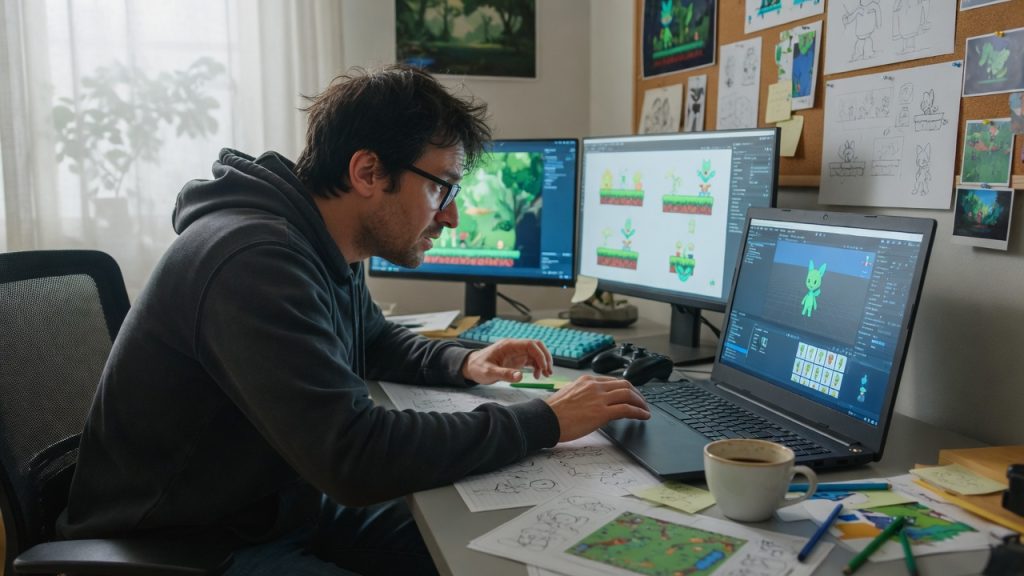
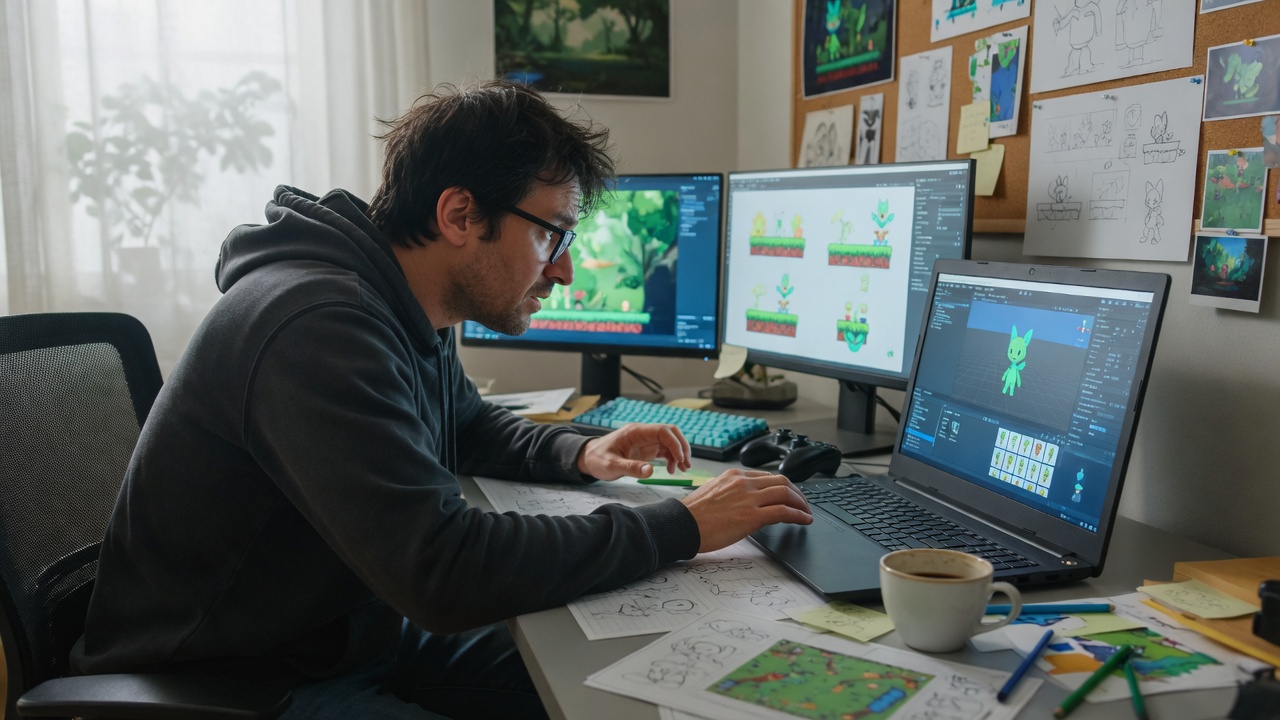
Proper preparation is key to a successful game jam experience. Start by ensuring you have the right software tools for your game development process. This typically includes game engines like Unity or Unreal Engine, graphic design software such as Photoshop or GIMP, and sound editing tools like Audacity. Depending on your game concept, you might also need specialized software for programming, animation, or level design.
In addition to software, having the appropriate hardware is just as important. Make sure your computer meets the necessary specifications to run your chosen tools smoothly to avoid technical interruptions. External devices like graphic tablets, microphones, or game controllers can also enhance your development and testing workflows during the jam.
Forming a team can greatly improve the scope and quality of your game jam entry. Collaborate with people whose skills complement your own to cover different aspects such as coding, design, sound, and storytelling. Clear communication and role assignments early on help streamline the process and ensure everyone contributes effectively.
Ultimately, thorough preparation, equipped with the right tools and a well-formed team, sets the foundation for a productive and enjoyable game jam. Taking these steps increases your chances of bringing a compelling and polished game concept to life within the limited timeframe.

I’ve been playing video games since I was a kid, and that passion naturally led me to explore how they’re made. I love diving into game design concepts and sharing insights with fellow enthusiasts. When I’m not testing new titles, I’m tinkering with Unity and learning new programming tricks.