In the realm of game development, sound design plays an integral role in shaping the player’s experience. As games become increasingly immersive, the demand for high-quality audio has surged, making it essential for sound designers to utilize advanced tools. Game audio plugins are vital resources that help in crafting engaging soundscapes, creating realistic environments, and enhancing gameplay through audio cues. This article delves into the various types of game audio plugins that are indispensable for sound designers, exploring their functions and how they can elevate the overall sound design in video games.
Understanding Game Audio Plugins
Game audio plugins are software components that add specific audio processing capabilities to digital audio workstations (DAWs) or game engines. They enable sound designers to manipulate sounds in various ways, such as effects processing, spatial audio, and sound synthesis. By integrating these plugins into their workflow, designers can achieve a level of audio fidelity that enhances the player’s immersion and emotional connection to the game. The right selection of game audio plugins can significantly streamline the sound design process, allowing for more creativity and experimentation.
Types of Game Audio Plugins
There are several categories of game audio plugins, each serving distinct purposes in sound design. Effects plugins, such as reverb, delay, and distortion, are used to alter audio signals and create unique sound textures. For instance, a reverb plugin can simulate the acoustics of different environments, adding depth to sound effects and background music. Additionally, spatial audio plugins are crucial for creating a three-dimensional sound field, allowing players to perceive sounds coming from various directions, enhancing realism in gameplay.
Essential Effects Plugins for Sound Design
Among the most critical game audio plugins are effects plugins that help shape the audio landscape of a game. For example, convolution reverb plugins can mimic real-world spaces, enabling designers to place sounds within a believable auditory environment. Similarly, dynamics processors like compressors and limiters help manage audio levels, ensuring that dialogue, sound effects, and music coexist harmoniously. By mastering these effects plugins, sound designers can create a polished and professional audio experience that captivates players.
Spatial Audio and Immersion
Spatial audio plugins have revolutionized how sound is perceived in gaming. These plugins allow for the simulation of sound in a three-dimensional space, making it possible for players to identify the direction and distance of sounds. Technologies like binaural audio and Ambisonics are increasingly popular in game design, as they provide an immersive listening experience. By using game audio plugins that support these technologies, developers can enhance player engagement, making the game world feel more alive and interactive.
Sound Synthesis Plugins
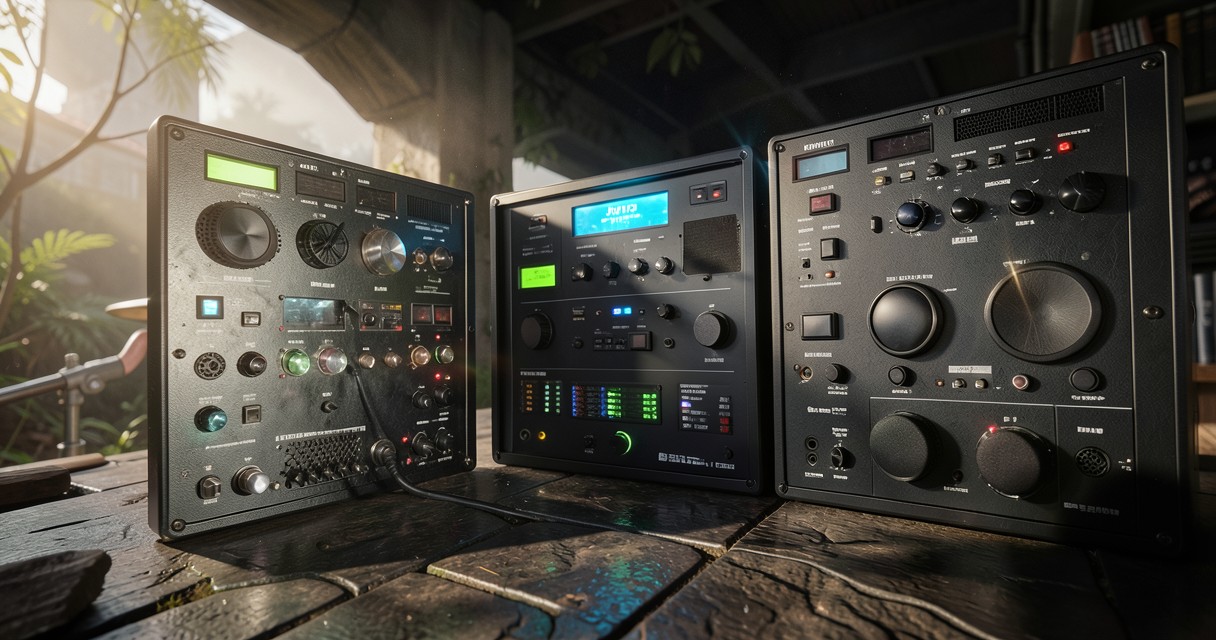
Sound synthesis plugins are another essential category for sound designers. These plugins generate audio signals from scratch, allowing for the creation of unique sound effects and music. From synthesizers that emulate classic sounds to more experimental plugins that offer granular synthesis, the possibilities are vast. Designers can use these tools to craft distinctive sounds that set their games apart, whether it’s a futuristic laser blast or a haunting ambient texture. The flexibility of sound synthesis plugins empowers sound designers to push creative boundaries.
Free and Affordable Game Audio Plugins
While many high-end game audio plugins come with a hefty price tag, numerous free and affordable options are available that provide excellent functionality. For instance, plugins like Spitfire Audio LABS offer high-quality instruments at no cost, while others like TDR Nova provide powerful dynamics processing for free. Utilizing these budget-friendly game audio plugins can help indie developers and small studios achieve professional-quality sound without breaking the bank, making high-quality audio accessible to all creators.
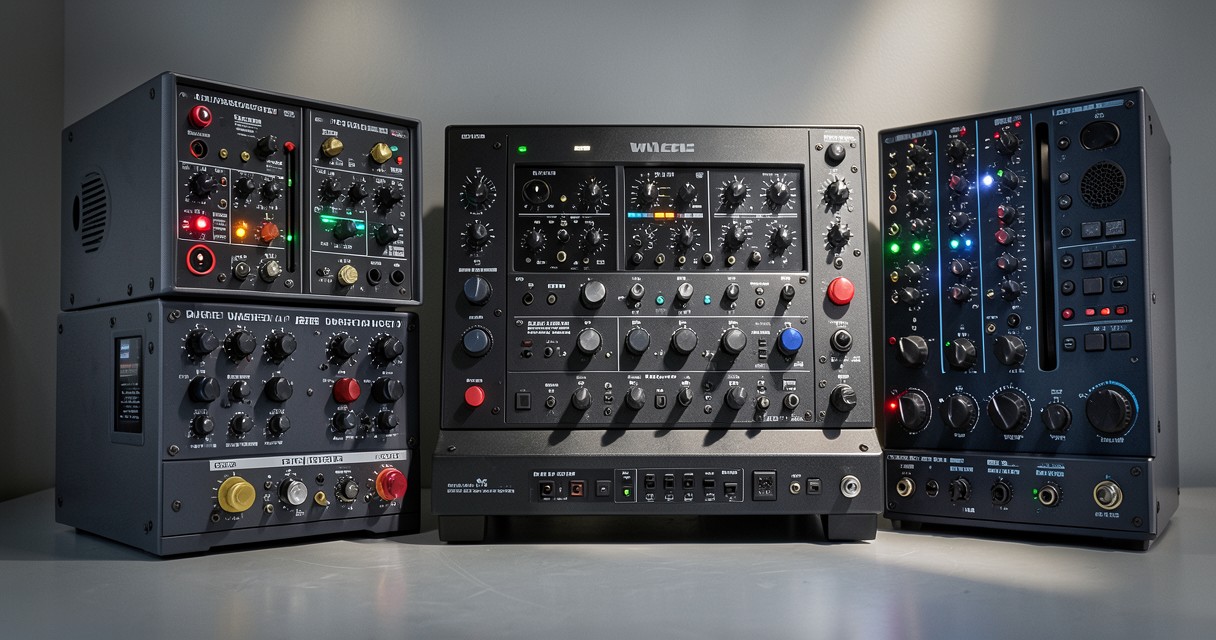
Integrating Game Audio Plugins into Your Workflow
To maximize the benefits of game audio plugins, sound designers should carefully consider how to integrate them into their workflow. This involves understanding the capabilities of each plugin and how they can complement the game engine being used. For instance, integrating spatial audio plugins into Unreal Engine or Unity can enhance the audio experience significantly. By establishing a structured workflow that incorporates these tools, sound designers can streamline their processes, allowing for more efficient sound creation and implementation in their projects.
Future Trends in Game Audio Plugins
The landscape of game audio plugins is continually evolving, with advancements in technology and user demands driving innovation. One emerging trend is the integration of machine learning algorithms into audio processing, enabling more intelligent sound manipulation and adaptive audio environments. Additionally, as virtual reality and augmented reality gaming continue to grow, plugins that cater specifically to these platforms will become increasingly important. By staying updated on the latest trends and advancements in game audio plugins, sound designers can remain competitive and continue to create captivating audio experiences.

I’ve been playing video games since I was a kid, and that passion naturally led me to explore how they’re made. I love diving into game design concepts and sharing insights with fellow enthusiasts. When I’m not testing new titles, I’m tinkering with Unity and learning new programming tricks.