The Importance of Collaboration in Game Jams
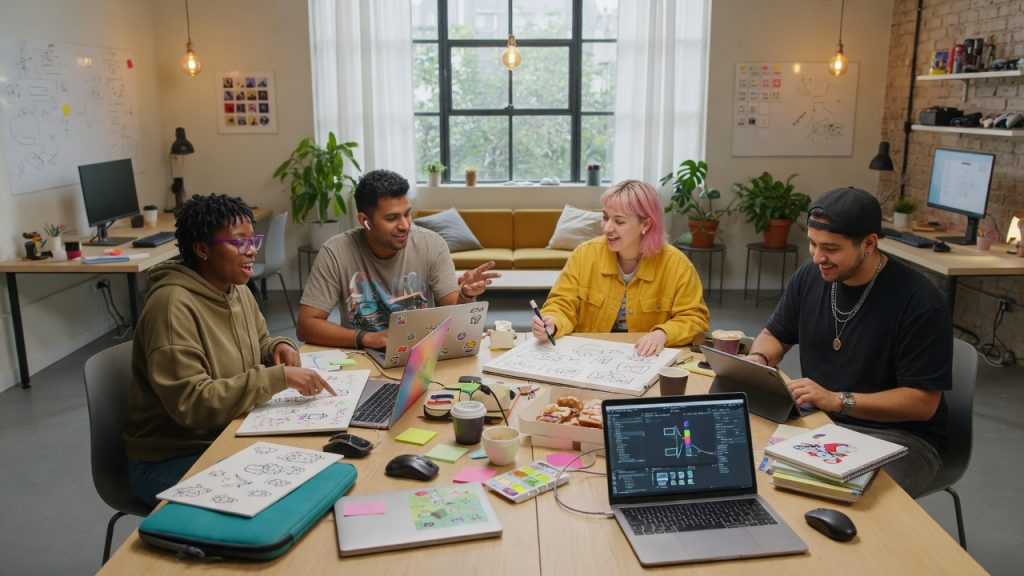
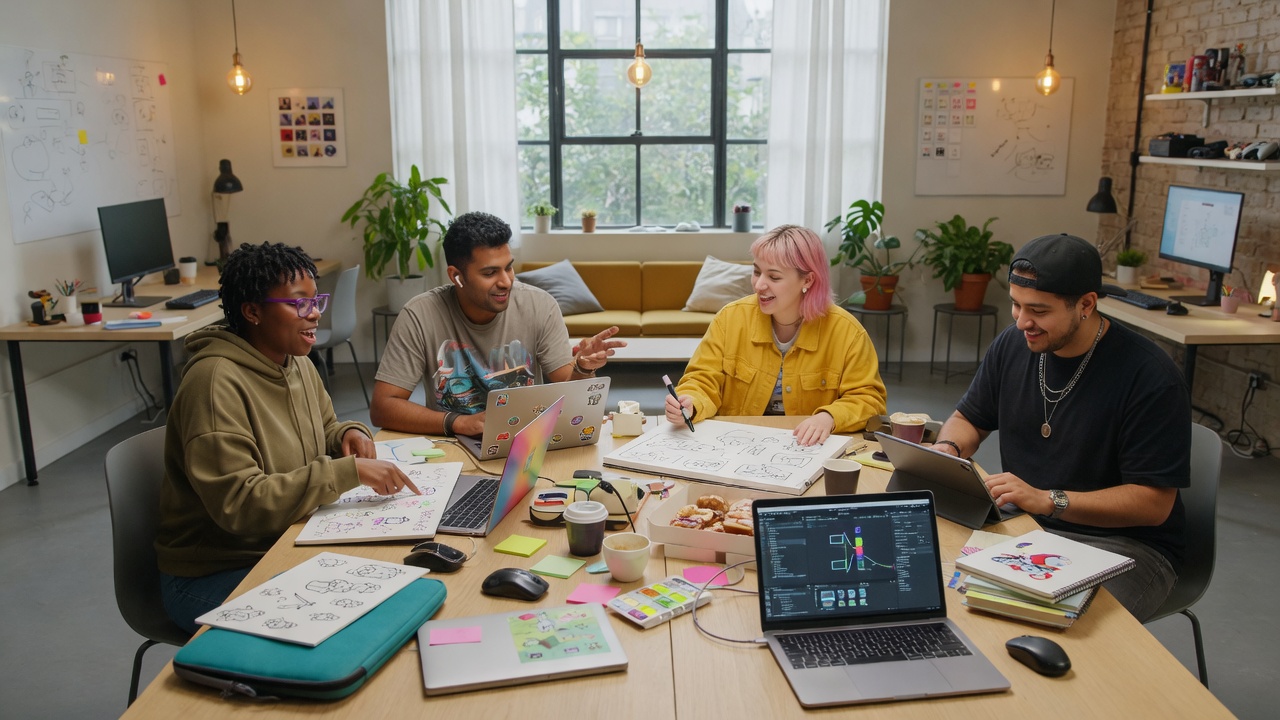
Collaboration is a cornerstone of success in game jams, where the intense pressure of limited time and high creativity demands effective teamwork. Game jams bring together diverse talents—from programmers and artists to sound designers and writers—and it is through collaboration that these varied skills coalesce into a cohesive and engaging game experience.
One of the primary reasons collaboration is crucial during game jams is that it significantly enhances creativity. When team members openly share ideas and feedback, they spark innovative concepts that may not arise in isolation. This creative synergy helps teams quickly explore different approaches, uncover unique gameplay mechanics, and develop visually captivating stories that resonate with players.
Beyond creativity, collaboration also accelerates the game development process. Game jams are typically constrained by tight deadlines, so dividing tasks among team members allows simultaneous progress in multiple areas such as coding, designing, and testing. This division of labor streamlines workflows, reduces bottlenecks, and ensures that more features and polish can be added in the limited timeframe.
Moreover, teamwork and effective communication foster a supportive environment where members can troubleshoot challenges more efficiently. Rather than struggling alone with technical or artistic problems, collaborators pool their knowledge and skills to find solutions faster, maintaining momentum throughout the event.
The combination of enhanced creativity, faster development, and mutual problem-solving leads to better overall game outcomes. Games born from strong collaboration often exhibit greater polish, innovation, and balance. Such qualities increase the chances that the game will stand out in the competitive jam environment and appeal to players and judges alike.
In summary, collaboration is integral to the success of any game jam. Teamwork not only fuels creativity but also speeds up development and improves the quality of the final product, demonstrating that collective effort in game development is more powerful than working alone.
Benefits of Teamwork in Game Jams
Teamwork offers numerous benefits in game jams, making the development process both efficient and enjoyable. One of the primary advantages is the combination of diverse skill sets within game jam teams. Each member contributes their unique expertise, whether in coding, art, design, sound, or storytelling, which collectively enhances the quality of the game. This diversity allows teams to tackle various aspects of game creation simultaneously, speeding up the workflow and ensuring a more polished final product.
Another benefit is the shared workload that naturally comes with working in teams. Game jams often operate under tight time constraints, and distributing tasks among team members prevents burnout and helps maintain steady progress. When responsibilities are shared, it becomes easier to manage the demanding schedule and meet deadlines without sacrificing creativity or quality.
Improved problem-solving is also a significant advantage of teamwork. Collaborative environments encourage brainstorming and the exchange of ideas, which can lead to innovative solutions for challenges encountered during development. Team members can support each other, offer different perspectives, and quickly troubleshoot issues, making the entire process smoother and more effective.
In summary, the benefits of teamwork in game jam teams include leveraging diverse skills, distributing workload effectively, and enhancing problem-solving capabilities. These factors not only improve the game’s outcome but also enrich the overall experience of participating in a game jam.
Challenges of Collaborating Under Time Constraints
Collaborating in game jams presents unique challenges, especially when teams face intense time constraints. One of the primary obstacles is effective time management. With limited hours to design, develop, and polish a game, teams often struggle to allocate their tasks efficiently, leading to rushed work and incomplete features. The pressure of the ticking clock can heighten stress levels, causing miscommunication or misunderstandings among team members at critical moments.
Another significant challenge is balancing creative differences under the game jam pressure. Rapid decision-making is required to keep the project moving forward, which can sometimes sideline valuable input or cause conflicts. Additionally, technical difficulties or unexpected bugs become more daunting when there is little time for thorough testing and debugging, potentially jeopardizing the game’s quality.
To overcome these challenges effectively, clear communication and defined roles are essential from the beginning. Teams should prioritize features and set realistic goals that fit within the time frame, using time management techniques like timeboxing to stay on track. Leveraging collaborative tools and maintaining a flexible mindset can help adapt to changes quickly. By fostering a supportive environment and focusing on incremental progress, teams can reduce the impact of time pressure and deliver a cohesive game despite the intense constraints.
Effective Collaboration Strategies for Game Jams
Successfully navigating a game jam requires strong collaboration strategies that keep the team aligned and productive. Clear team communication is fundamental; utilizing real-time chat tools like Discord or Slack allows instant feedback and helps avoid misunderstandings. Scheduling brief, regular check-ins or stand-up meetings keeps everyone updated on progress and blockers, fostering transparency throughout the jam.
Assigning clear roles early in the process ensures that responsibilities are well distributed. Typical roles include programmer, designer, artist, and sound engineer, but flexibility is key since team members may need to wear multiple hats depending on the jam’s scope. Clarifying who owns each task reduces overlap, streamlines decision-making, and helps maintain focus on priorities.
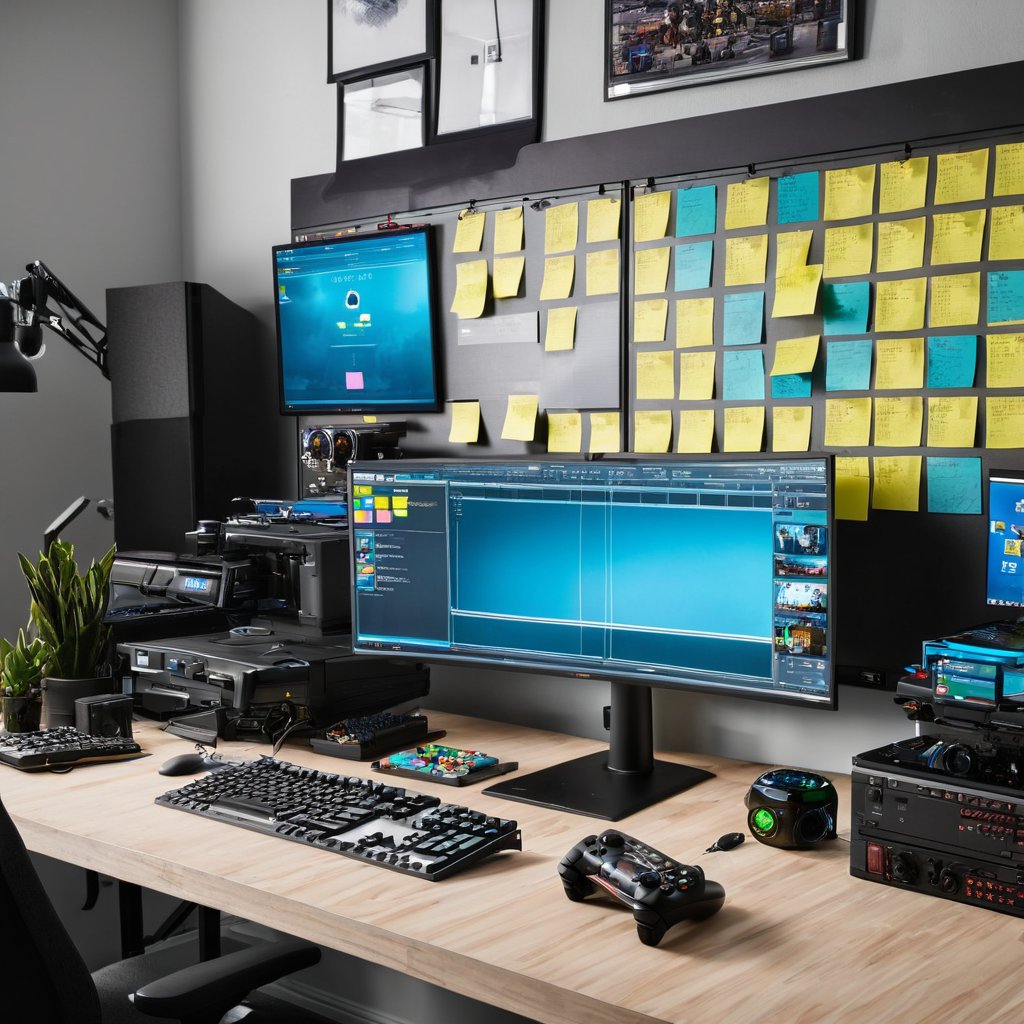
Implementing an agile workflow can significantly enhance the team’s ability to adapt and iterate quickly. Breaking down the development process into manageable sprints or milestones allows frequent evaluation of progress and course correction. Tools like Trello or Jira can facilitate task tracking and prioritization, making the workflow both visible and manageable for the entire team.
Sharing assets and code through collaborative platforms such as GitHub or Google Drive centralizes resources, preventing version control issues and ensuring everyone has access to the latest materials. It’s important to establish naming conventions and organize folders logically to save time and ease navigation.
Encouraging open feedback and fostering a supportive atmosphere motivates team members to contribute their best ideas. Encouraging inclusivity and active listening not only improves the quality of the game but also strengthens the team dynamic, making intense jam sessions more enjoyable and productive.
In summary, effective collaboration in game jams hinges on clear team communication methods, defined role assignments, and an agile game jam workflow. By integrating these strategies, teams can optimize their creative process and deliver innovative games within tight deadlines.
Role Assignment and Specialization
Assigning specific roles and responsibilities early in a game jam team is crucial for streamlining the collaboration process. When each member knows their designated role, whether it’s programming, design, sound, or project management, it minimizes confusion and overlapping efforts. This clarity allows team members to focus deeply on their area of specialization, enhancing both the quality and speed of the work produced.
Specialization ensures that each aspect of the game is handled by someone with the relevant skills and strengths. For example, having a dedicated artist means visuals receive the detailed attention they require, while programmers can concentrate on the core mechanics and code optimization. This focused approach reduces bottlenecks and allows for more efficient task completion under tight deadlines.
Moreover, early role assignment helps establish clear lines of communication and accountability within the game jam team. Team members understand who to contact for specific issues, which speeds up problem-solving and decision-making. Overall, defining roles and embracing specialization from the outset is key to improving productivity and ensuring a smooth, collaborative game development experience during the intense and fast-paced environment of a game jam.
Communication Tools and Techniques
During intense game jam sessions, maintaining clear and consistent communication among team members is crucial. Utilizing effective communication tools can streamline collaboration and prevent misunderstandings. Popular team chat platforms like Discord, Slack, and Microsoft Teams offer real-time messaging, voice channels, and file sharing capabilities, making them indispensable for game jams. These platforms help teams stay connected and quickly resolve issues as they arise.
In addition to team chat, collaboration software such as Trello, Asana, and Notion can greatly enhance task management and project tracking. These tools allow members to assign tasks, set deadlines, and keep track of progress, ensuring everyone is on the same page. Integrating these project management tools with communication apps can help create a seamless workflow, reducing the risk of overlooking critical tasks or deadlines.
Some useful techniques include establishing regular check-ins or stand-up meetings to align the team on priorities and challenges. Using clear, concise messaging and avoiding information overload helps keep communication efficient and effective. Additionally, encouraging an open atmosphere where team members feel comfortable asking questions or providing feedback further boosts collaboration quality during the fast-paced game jam environment.
Iterative Development and Feedback Loops
In the fast-paced environment of a game jam, iterative development and continuous feedback are crucial for success. Iterative development allows teams to build a basic version of their game early on, then refine and improve it in cycles based on testing and player feedback. This approach helps identify and solve problems quickly, ensuring the game evolves in a functional and engaging manner within tight deadlines.
Feedback loops play a vital role in this process. By regularly sharing progress with team members and potentially even other participants, developers can gather diverse perspectives that highlight areas for improvement. Constant feedback encourages open communication and collaboration, enabling the team to make informed decisions and adapt efficiently to challenges during the game jam.
Maintaining an iterative workflow ensures continuous improvements, preventing the team from getting stuck on any one aspect for too long. This flexibility is essential within the limited timeframe of a game jam, where speedy iteration contributes to creating polished features and a cohesive final product. Ultimately, iterative development combined with ongoing feedback fosters a collaborative environment that maximizes creativity and productivity under pressure.
Case Studies: Successful Collaborative Game Jam Projects
Game jams are intensive, collaborative events where developers, artists, and designers come together to create games in a short span of time. The secret to many game jam success stories lies in the strength of their collaboration. By examining case studies of successful collaborative projects, we can uncover valuable insights and lessons that can guide future participants toward similar achievements.
One exemplary case is the game “Keep Talking and Nobody Explodes,” which originated in a jamming environment where clear communication and teammate trust were essential. The developers split responsibilities—one player acted as the defuser, while others provided instructions from a manual. This project underscored the power of teamwork and communication, vital tools for any game jam collaborative project. The key takeaway was how well-structured roles and trust among members can elevate a project from concept to a polished game within tight deadlines.
Another successful case was the entry “Fold It” in various biology-themed game jams, where multidisciplinary collaboration played a crucial role. Programmers worked closely with scientists and researchers to translate complex scientific data into engaging gameplay mechanics. This project showed that a game jam success depends heavily on leveraging diverse skill sets and knowledge bases, ensuring that collaborators complement each other’s strengths and weaknesses.
Beyond role allocation and diverse skills, time management and flexibility emerged as universal lessons from these collaborative projects. Many successful teams adapted their plans on the fly, responding to unforeseen challenges or new creative directions. Being open to iteration and maintaining a shared vision allowed these groups to push boundaries while still delivering a cohesive product on time.
Lastly, documentation and feedback loops within teams greatly contributed to sustained momentum and reduced misunderstandings. Teams that established regular check-ins and used tools to track tasks prevented overlaps and ensured progress alignment. Such organizational strategies are often underrated but are crucial for collaborative projects aiming for success within the fast-paced environment of game jams.
In conclusion, these case studies highlight that strong collaboration is the backbone of game jam success. Clear communication, role clarity, multidisciplinary collaboration, flexibility, and good organizational practices are the pillars that support effective teamwork. Embracing these lessons can enhance both the creative process and the final outcomes in any game jam collaborative project.
Indie Game Development Teams
Indie games often thrive on the passion and creativity of small, dedicated teams, especially in the fast-paced environment of game jams. Successful indie teams frequently credit their achievements to clear communication and well-structured collaboration. These teams share inspiring collaboration stories where they divided tasks according to each member’s strengths, making the most efficient use of their time.
One notable example is the team behind the hit game developed during a weekend game jam. They implemented agile workflows, regularly syncing to adjust priorities and quickly resolve any issues, which helped maintain a consistent momentum. This approach minimized misunderstandings and kept the team aligned toward a common goal.
Effective use of collaboration tools also played a crucial role. By centralizing communications and using task tracking software, the team ensured that everyone was transparent about their progress. This fostered trust and kept delays to a minimum, illustrating how a well-managed workflow can significantly impact the success of indie games produced in a limited timeframe.
These real-world collaboration stories offer valuable lessons for aspiring indie developers. By embracing teamwork fundamentals and structured workflows, indie teams can overcome the typical challenges of game jams and create polished, memorable experiences.
Large-scale Game Jam Collaborations
Large teams participating in game jams face unique challenges in collaboration and project management. Successful large-scale game jam collaborations often rely on clear role assignments and structured communication channels to maintain productivity. For instance, teams might designate specific subgroups for art, programming, sound, and design, allowing each to focus on their specialty while coordinating tightly with others. This division of labor minimizes confusion and overlaps, crucial in the fast-paced environment of game jams.
Another common tactic involves using digital project management tools such as Trello, Discord, or Slack, which facilitate real-time coordination and task tracking. Effective game jam collaboration in large teams hinges on frequent updates and transparency, ensuring everyone stays aligned with the evolving project goals and deadlines. Leaders often adopt agile methodologies, holding quick stand-ups or sync-up meetings to address bottlenecks and redistribute tasks dynamically.
Handling coordination challenges also means managing creative differences and maintaining team morale under pressure. Large teams benefit from setting a shared vision early, fostering open communication to resolve conflicts, and celebrating small wins to keep motivation high. By combining rigorous project management practices with flexible collaboration tactics, large teams can harness their collective skills and succeed in complex game jam environments.

I’ve been playing video games since I was a kid, and that passion naturally led me to explore how they’re made. I love diving into game design concepts and sharing insights with fellow enthusiasts. When I’m not testing new titles, I’m tinkering with Unity and learning new programming tricks.