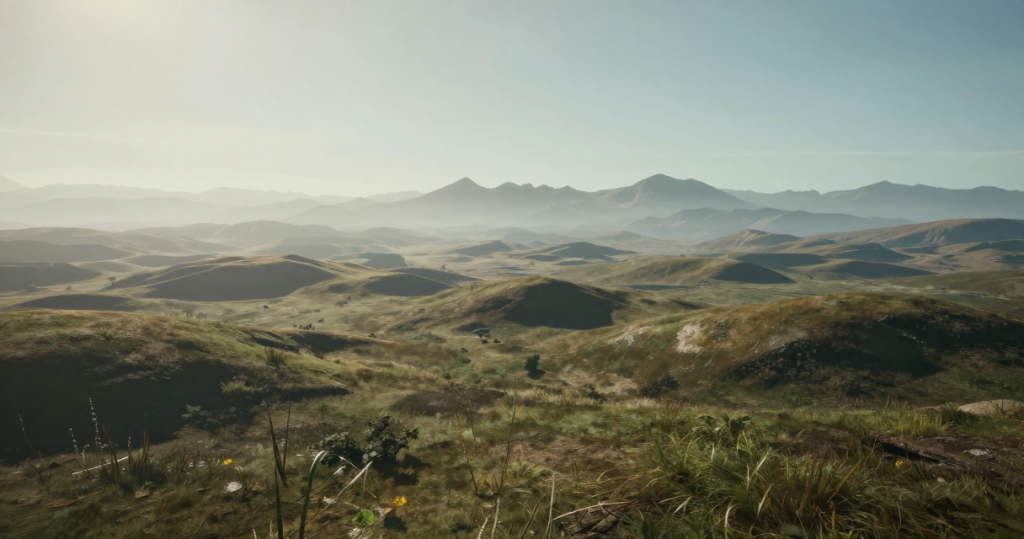
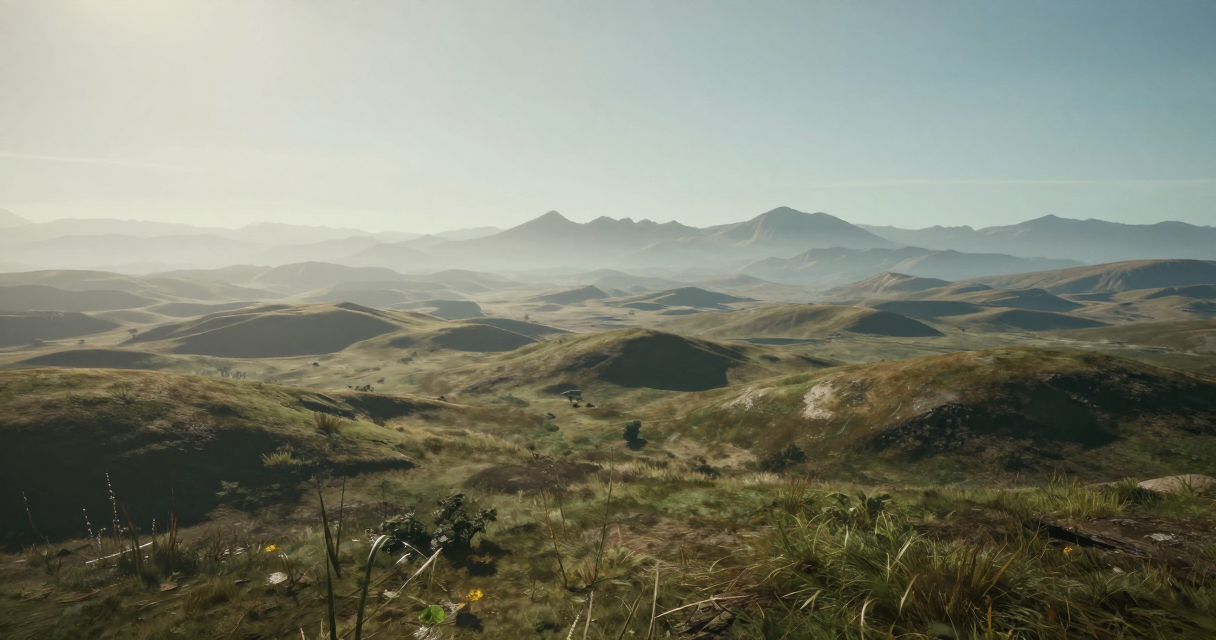
Modern open-world design demands systems that can deliver vast geography without breaking player immersion. Developers face the constant challenge of streaming massive environments while maintaining frame rates and visual fidelity. The technical solutions employed range from simple texture tiling to complex multi-resolution meshes that adapt to player speed. Selecting the right approach depends on the target hardware, the desired artistic style, and the specific gameplay loops planned for the experience.
Texture Streaming and Virtual Textures
Texture streaming remains one of the most critical components of large scale world rendering. Engines utilize virtual texture arrays to stream only the mip levels visible to the camera, reducing memory footprint significantly. This technique allows a single massive texture atlas to serve countless unique surfaces, from rocky cliffs to urban facades. By prioritizing high-resolution data for areas the player can currently see and downgrading distant land to lower detail, the system keeps GPU load manageable. Games like No Man’s Sky demonstrate how procedural generation combined with virtual texturing can create billions of unique planets while streaming only what is necessary for the current view distance.
Mesh LOD and Geometry Culling
Level of Detail (LOD) systems for geometry ensure that distant objects do not consume unnecessary processing power. Triangulated meshes are generated at multiple resolutions, and the engine swaps between them based on distance from the player camera. Beyond simple LOD, occlusion culling prevents rendering objects blocked by other geometry, further freeing up resources. Modern implementations also incorporate nanite-style virtual geometry, where the engine essentially builds the mesh in real-time based on screen coverage. This approach allows for film-quality detail on objects that are still miles away, creating a sense of scale that feels limitless without sacrificing performance.

Chunk-Based World Partitioning
Dividing the game world into manageable chunks is a time-tested strategy for handling large scale environments. Each chunk contains its own set of assets, lighting data, and streaming flags. When a player crosses a boundary, the engine streams in the new chunk and fades out the old one. This method allows for seamless transitions and efficient memory management, as only active chunks reside in fast memory. Open-world RPGs frequently use this architecture to balance a massive map with the constraints of console and PC hardware, ensuring that loading screens are minimized and exploration feels fluid.
Procedural Generation and Data Compression
Procedural generation serves as a powerful tool for creating large scale worlds with limited storage budgets. Algorithms can generate terrain, vegetation, and even architecture on the fly, requiring only a small seed value to reconstruct the entire landscape. Coupled with data compression techniques like texture compression and mesh optimization, this reduces the disk footprint dramatically. The result is a world that feels expansive and diverse, yet occupies a fraction of the space traditional hand-crafted assets would require. This technique is especially prevalent in survival and sandbox titles where the promise of an endless frontier is a core selling point.
Audio Streaming and Spatial Audio Integration
While visuals often take center stage, audio streaming plays an equally vital role in large scale open games. Streaming vast soundscapes, from distant thunder to bustling city ambience, requires careful management of audio channels and compression formats. Spatial audio engines integrate with the world partition system, ensuring that sounds fade naturally as the player moves between zones. This creates a cohesive auditory experience that reinforces the sense of a living, breathing world. Properly implemented, audio streaming prevents the “pop-in” effect commonly associated with visual assets, maintaining immersion across the entire play area.
 games — Procedural Generation and Data Compression
Procedural gen” width=”1536″ height=”1024″ style=”max-width:100%;height:auto”/>
For open games featuring multiplayer, large scale streaming must contend with network latency and bandwidth limits. The server must decide which portions of the world to replicate to each client, often using a radius-based approach around each player character. Interest management techniques determine which entities and environments are relevant to specific users, reducing the amount of data transmitted. Synchronization protocols ensure that players in the same general area see a consistent version of the world, while distant areas may vary slightly to save bandwidth. This balance between consistency and efficiency is the hallmark of successful large scale networked open-world designs.

I’ve been playing video games since I was a kid, and that passion naturally led me to explore how they’re made. I love diving into game design concepts and sharing insights with fellow enthusiasts. When I’m not testing new titles, I’m tinkering with Unity and learning new programming tricks.