Introduction to Music Composition for Games
Music composition for games involves creating original soundtracks and musical pieces specifically designed to accompany and enhance the gaming experience. Unlike traditional music composition, game music must be dynamic and adaptive, responding to the player’s actions and in-game events. Composers craft pieces that can loop seamlessly, change intensity, or shift mood depending on the gameplay, which makes the composition process unique and technically demanding.
Game music plays a crucial role in immersing players into the game world. It sets the tone, builds atmosphere, and often helps convey emotions and narrative elements without the need for words. Effective music composition in video game scores can heighten tension during suspenseful moments, provide relaxation during exploration, or energize players in combat scenarios. This emotional engagement significantly enhances the overall gameplay experience.
Furthermore, game music serves as an auditory guide, subtly encouraging exploration and signaling important gameplay cues. Through clever motifs and recurring themes, music composition in games can establish memorable identities for characters, locations, or story arcs, contributing to a richer and more cohesive game world. Well-composed game music often remains in players’ minds long after they finish playing, adding to a game’s lasting impact and cultural presence.
In today’s gaming industry, music composition is recognized as an essential aspect of game development. It requires a blend of musical creativity and technical know-how, including familiarity with music production software, sound design, and interactive audio systems. Composers must collaborate closely with game designers to ensure the music aligns perfectly with the game’s pace, narrative, and mechanics. Altogether, effective game music composition dramatically enhances player immersion and creates a compelling, emotionally resonant gaming experience.
Role of Music in Game Design
Music plays a crucial role in game design by shaping the overall atmosphere and enhancing the player’s immersive experience. Through carefully crafted audio, game composers can influence the mood of a scene, heightening tension during suspenseful moments or uplifting the player’s spirits during triumphant victories. The audio impact is essential in creating a believable and engaging world, making players feel more connected to the game environment.
Beyond atmosphere, music significantly affects player emotions, guiding their reactions and deepening their engagement with the storyline. Subtle shifts in melody or rhythm can evoke feelings of excitement, fear, or nostalgia, often without players consciously realizing it. This emotional guidance not only enriches gameplay but also solidifies the narrative by tying key story elements to auditory cues.
Moreover, music in game design serves as a storytelling device. Dynamic soundtracks change in response to player actions and game progress, creating a seamless narrative flow that words or visuals alone cannot achieve. The integration of music with gameplay mechanics helps to communicate plot developments and character emotions, making the story more compelling and memorable. In essence, music is a powerful tool that enhances the storytelling experience while reinforcing the immersive qualities of game design.
Types of Music Used in Games
In video games, music plays a crucial role in setting the tone and enhancing the player’s immersion. One popular style is ambient music, which creates an atmospheric background that subtly influences the game environment without overpowering it. Ambient music typically features smooth, continuous soundscapes that enrich exploration and build tension or relaxation depending on the scene.
Dynamic music, also known as adaptive music, is another key type used in games. This style shifts and changes in response to player actions or game events, creating a fluid and responsive audio experience. For example, the music may intensify during combat and soften in exploration phases, making the soundtrack feel alive and directly connected to the gameplay. Dynamic music ensures that the audio experience remains engaging and relevant throughout play.
Interactive soundtracks take player involvement a step further by allowing direct or indirect influence over the music through gameplay mechanics. This could mean the player triggering music changes by choices, abilities, or environmental interactions. Interactive music fosters a deeper connection between the player and the game world, making each session unique. Collectively, ambient music, dynamic music, and interactive soundtracks form the foundation of game audio design, enhancing storytelling and emotional impact.
Techniques and Tools for Composing Game Music
Creating music tailored for video games involves a variety of composition methods and specialized tools designed to meet the interactive and dynamic nature of the medium. One of the foundational techniques in game music composition is adaptive or interactive scoring, where the music changes in response to gameplay events to enhance immersion. This often requires composers to create modular pieces of music that can seamlessly transition or layer based on in-game actions or environments.
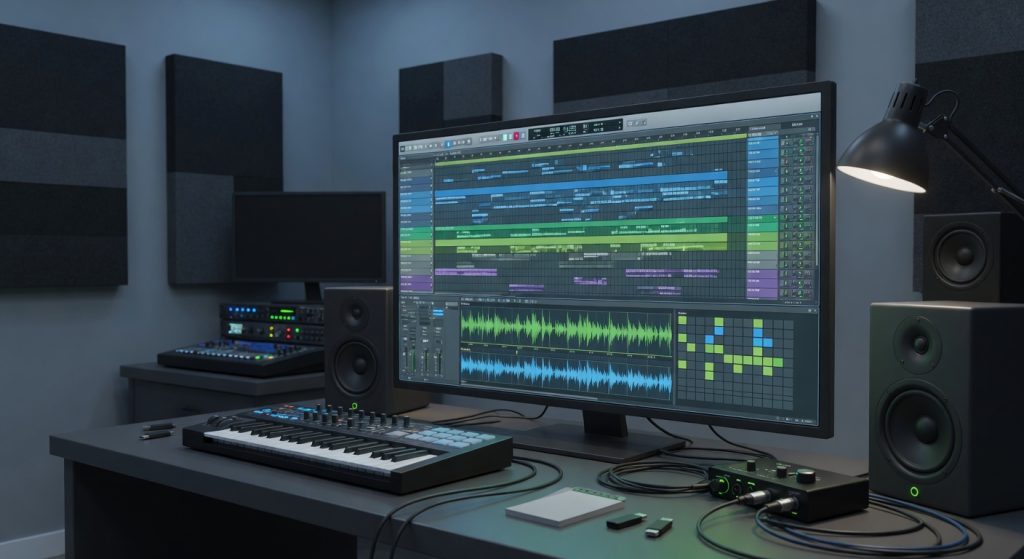
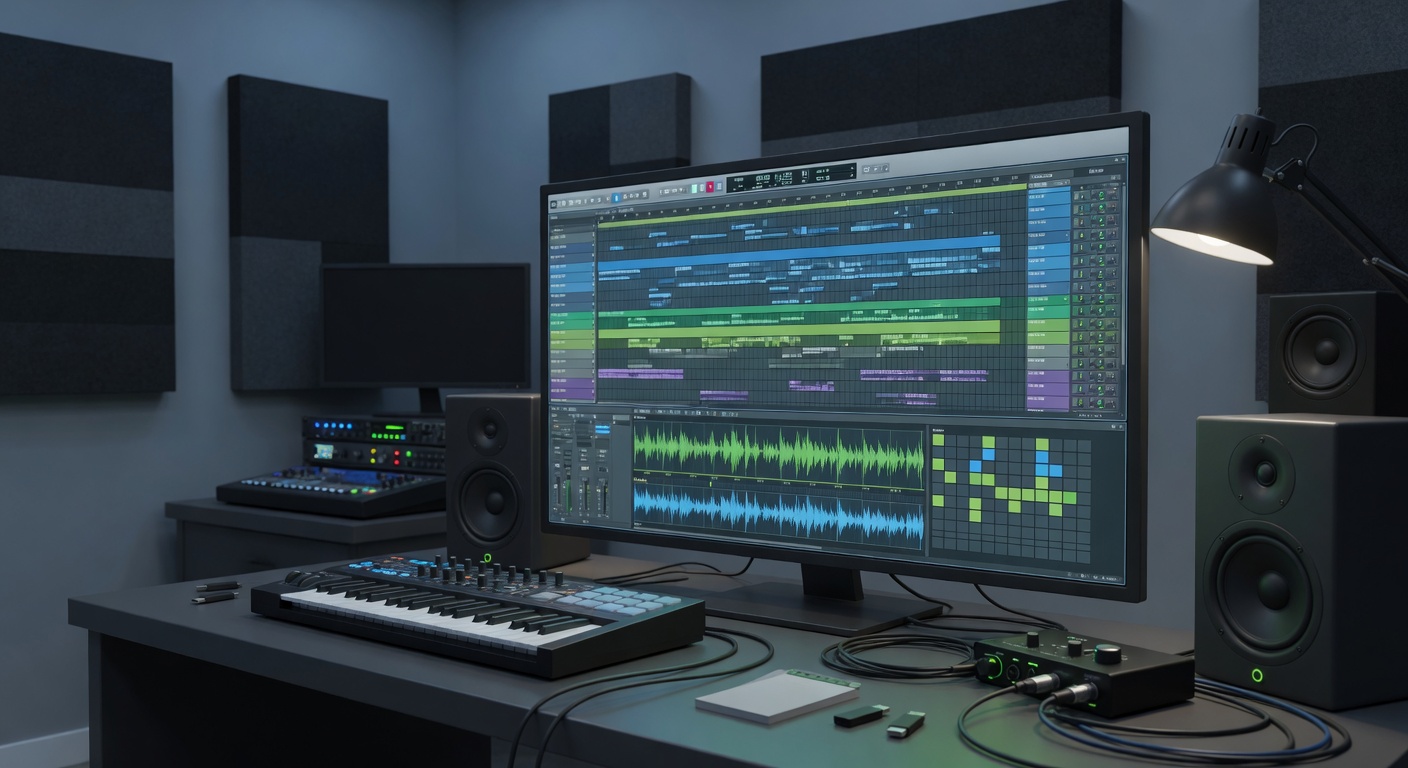
To execute these complex musical structures effectively, many composers turn to composition software and digital audio workstations (DAWs). DAWs like Ableton Live, FL Studio, and Logic Pro offer robust environments for music production, allowing composers to create, edit, and arrange intricate musical pieces with precision. These platforms support a range of plugins and virtual instruments that broaden the palette of sounds, from orchestral instruments to synthesized effects, catering to diverse game audio styles.
In addition to traditional DAWs, specialized tools for game audio integration play a crucial role. Middleware software such as FMOD and Wwise enables composers to implement adaptive music by linking musical elements with game triggers. This technology allows the music to respond fluidly to the player’s actions and game states, making the auditory experience feel personalized and dynamic without interrupting gameplay flow.
Another important technique in modern composition is the use of loop-based music structures, which help maintain a consistent atmosphere during repetitive or lengthy game sections. Composers design seamless loops that can extend as long as necessary without becoming distracting. This method, combined with layering and triggered musical cues, ensures that the soundtrack remains engaging throughout the player’s experience.
Finally, collaboration tools integrated within many composition software packages facilitate the iterative process of game music production. Composers often work closely with game developers to refine the music based on gameplay feedback, ensuring that the soundtrack not only complements the visual and narrative elements but also enhances the overall emotional impact of the game.
Using Digital Audio Workstations (DAWs)
Digital Audio Workstations (DAWs) are essential tools in modern music production, especially for composers working on game soundtracks. These sophisticated composition software platforms provide a versatile environment where composers can create, manipulate, and arrange music with precision and flexibility tailored to the unique demands of games.
DAWs allow composers to layer sounds, experiment with different instruments, and easily tweak arrangements to match the pace and mood of gameplay. Their integrated features include MIDI sequencing, virtual instruments, and sound effects, which help composers craft immersive audio experiences without the need for a physical studio.
One of the key advantages of using a DAW in game music production is the ability to manipulate audio in real-time, making it easier to adapt compositions dynamically to changes in the game environment. This flexibility is crucial for interactive soundtracks that respond to player actions, enhancing engagement and immersion.
Moreover, DAWs streamline the workflow by enabling composers to organize complex musical ideas into manageable tracks and sections. This organizational power is vital for developing adaptive scores that need to loop seamlessly or shift fluidly between different musical themes depending on gameplay scenarios.
Overall, DAWs empower game music composers to push creative boundaries while maintaining control over every aspect of their soundtrack, making these tools indispensable in the world of video game music production.
Implementing Adaptive Music Techniques
Adaptive music is a powerful tool in game music integration, allowing composers to create dynamic soundtracks that respond to gameplay events and player actions. One common technique is layering, where multiple musical layers or stems can be added or removed depending on the game state. For example, a base rhythm might play continuously, with additional layers like melody or percussion introduced during intense combat or exploration segments, creating an interactive audio experience that evolves naturally.
Another effective method is the use of parameter-driven music systems. These systems adjust musical elements such as tempo, intensity, or instrumentation in real-time based on gameplay variables. For instance, a player’s health, proximity to enemies, or environmental changes can trigger smoother transitions or shifting motifs that enhance immersion. This technique ensures the music feels closely tied to the game world and player experience.
Implementing adaptive music also involves careful integration with the game engine’s audio middleware, such as FMOD or Wwise. These tools allow audio designers to script conditional triggers and transitions that manage how music responds to in-game events without disrupting flow. Techniques like crossfading between tracks or using seamless loops ensure smooth, non-disruptive audio shifts, maintaining the emotional momentum of gameplay.
By combining layering, parameter-driven changes, and intelligent middleware integration, composers can craft truly interactive audio experiences. Adaptive music not only enhances the atmosphere but also helps narrate the game’s story in a visceral, evolving way that static soundtracks cannot achieve.
Challenges and Best Practices in Game Music Composition
Composing music for games presents a unique set of composition challenges that require careful consideration and creativity. Unlike traditional music, game audio must adapt dynamically to the player’s actions and the evolving narrative, which demands a versatile approach from composers. One of the primary challenges is creating a soundtrack that can loop seamlessly without becoming repetitive or annoying. This requires skillful sound design and a deep understanding of musical variation to keep the player engaged throughout extended gameplay sessions.
Another significant challenge is the integration of music with other game audio elements such as sound effects and dialogue. Achieving a balanced mix where the music enhances rather than overwhelms the gameplay experience is crucial. Composers must collaborate closely with sound designers to ensure that the auditory elements support the game’s atmosphere and emotional tone without clashing or causing auditory fatigue. This balancing act is essential for maintaining immersion and effective storytelling.
Technical constraints also pose hurdles in game music composition. Hardware limitations on certain gaming platforms can restrict the complexity and quality of audio playback, forcing composers to find creative solutions, such as simplifying arrangements or using fewer audio channels. Additionally, the implementation of adaptive music systems, where the score reacts to game events, requires a strong understanding of middleware tools and the game engine’s audio capabilities.
To overcome these challenges, best practices have emerged within the industry. Composers often create modular music pieces that can be layered or triggered based on gameplay context, allowing for a fluid and responsive audio experience. Employing techniques such as motif development and thematic variation helps maintain coherence while providing enough diversity to prevent monotony. Regular playtesting and feedback loops between composers, sound designers, and developers are essential to refine the audio and address any issues in real time.
Ultimately, successful game music composition hinges on an understanding of both artistic and technical aspects of game audio and sound design. By embracing the interactive nature of the medium and collaborating effectively with the development team, composers can create soundtracks that significantly enhance the player’s emotional connection and immersion, elevating the overall gaming experience.
Balancing Music with Game Sound Effects
Achieving the right audio balance between music and sound effects is crucial in game sound design. The goal is to ensure that music enhances the player’s experience without overshadowing essential gameplay sounds like dialogue, footsteps, or environmental cues. Effective sound mixing strategies involve carefully adjusting the volume levels and frequency ranges of both music and effects to maintain clarity and prevent auditory clutter.
One key technique is dynamic mixing, where the music volume subtly lowers when important sound effects occur, allowing players to hear crucial in-game sounds clearly. This prevents the music from overpowering action cues that might be vital for gameplay. Additionally, using audio filters to carve out distinct frequency spaces can help both music and sound effects coexist harmoniously. For example, reducing bass frequencies in music when deep sound effects occur keeps each element distinct.
Sound designers should also consider the context of the game scene. Intense action sequences might require sound effects to be more prominent, while quieter moments can allow for richer musical presence. Consistent testing and player feedback help refine the balance, ensuring that neither music nor sound effects dominate, but instead collaborate to create an immersive audio landscape that supports gameplay rather than competes with it.
Optimizing Compositions for Diverse Platforms
When composing music for games, ensuring cross-platform audio compatibility is essential for reaching a broader audience. Different game platforms—from consoles and PCs to mobile devices and web browsers—each have unique audio processing capabilities and limitations. To optimize music for these diverse platforms, composers must consider factors such as audio file formats, compression techniques, and system hardware constraints.
Effective music optimization starts with creating compositions that maintain their integrity despite compression and varying playback environments. Using dynamic range compression carefully can help retain clarity on devices with limited audio fidelity. Additionally, choosing versatile instrumentation and sound palettes ensures that the music translates well across different sound systems and speaker qualities inherent to game platforms.
Moreover, composers should test their tracks on multiple gaming systems to confirm consistent audio performance. This cross-platform testing reduces the risk of unintended distortions or volume inconsistencies that might disrupt player immersion. Integrating middleware tools and adaptive audio technologies can further enhance the game’s musical experience by adjusting audio playback in real time based on device capabilities.
Ultimately, understanding the technical specifications and user environments of various game platforms allows composers to craft music that sounds compelling everywhere, enhancing gameplay and player engagement through finely tuned, platform-aware audio design.

I’ve been playing video games since I was a kid, and that passion naturally led me to explore how they’re made. I love diving into game design concepts and sharing insights with fellow enthusiasts. When I’m not testing new titles, I’m tinkering with Unity and learning new programming tricks.