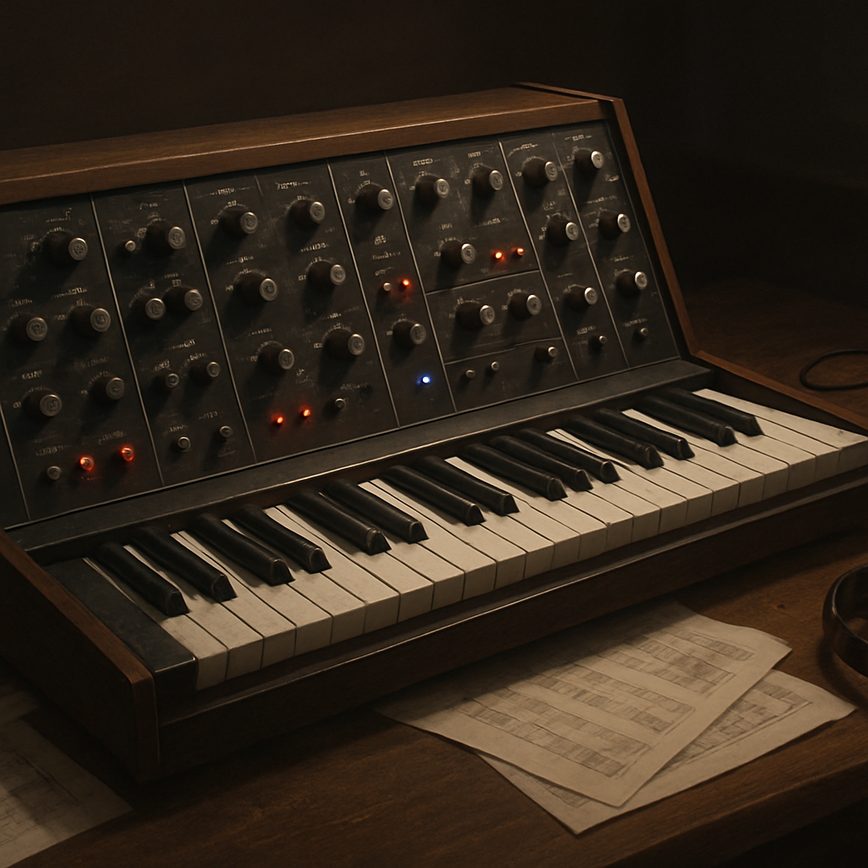
Introduction to Synthesized Sounds in Games
Synthesized sounds refer to audio created through electronic means rather than recorded from real-world sources. In the context of game audio, sound synthesis involves generating sounds using algorithms and digital signal processing techniques. This method allows game developers and sound designers to craft unique auditory experiences that can be tightly integrated with gameplay mechanics and narrative elements.
The significance of synthesized sounds in video game sound design lies in their versatility and adaptability. Unlike sampled audio, which relies on pre-recorded clips, synthesized sounds can be manipulated in real-time to respond dynamically to player actions and environmental changes. This flexibility enables the creation of immersive soundscapes that enhance player engagement and provide a richer gaming experience.
Game audio professionals use various sound synthesis techniques such as subtractive synthesis, FM synthesis, granular synthesis, and wavetable synthesis. Each approach offers distinct sonic characteristics and creative possibilities. For example, FM synthesis is widely known for producing complex, bell-like tones and metallic timbres that can evoke futuristic or otherworldly atmospheres in games.
Furthermore, synthesized sounds can be more cost-effective compared to recording live instruments or Foley effects, especially when unique or fantastical sound elements are required. This has historically made sound synthesis a popular choice for game audio, particularly in early video games and indie projects where budget constraints are significant.
In summary, synthesized sounds play a crucial role in game audio by providing a broad sonic palette and the ability to adapt sounds interactively. Their inclusion contributes to the overall aesthetic and emotional impact of video games, making sound synthesis an indispensable tool for modern game audio design.
History of Sound Synthesis in Gaming
The history of sound synthesis in gaming is a fascinating journey that mirrors the rapid technological advances within the video game industry itself. Early game music history reveals a reliance on simple, monophonic tones generated by basic sound chips, which could only produce limited sounds. These primitive efforts laid the groundwork for a future where synthesized music would play a critical role in gaming experiences.
As hardware evolved, the adoption of more sophisticated synthesis methods allowed developers to create richer and more immersive soundscapes. The evolution of sound synthesis saw a transition from simple beeps to intricate waveforms generated through techniques like frequency modulation (FM) and wavetable synthesis. This progression not only enhanced the auditory experience but also shaped the emotional impact of game narratives and gameplay.
Throughout the 1980s and 1990s, game music history is marked by the rise of iconic synthesized soundtracks that became a staple of the gaming culture. The introduction of dedicated sound cards and increased processing power enabled composers to experiment with digital synthesis and sampling, leading to the lush, complex scores heard in many beloved titles. This period highlighted the significant role that synthesized sounds played, evolving beyond background noise into an integral element of game design.
Today, the history of sound synthesis evolution in gaming continues as modern games utilize advanced synthesis alongside recorded audio to create immersive, dynamic sound environments, bridging past innovations with future possibilities.
Types of Synthesized Sounds in Games
| Type of Synthesis | Description | Usage in Games |
|---|---|---|
| FM Synthesis | Frequency Modulation (FM) synthesis creates complex timbres by modulating one waveform with another. It produces bright, metallic, and bell-like sounds. | Commonly used in retro and arcade games for distinctive sounds and effects, giving a digital edge while being resource-efficient. |
| Wavetable Synthesis | Wavetable synthesis uses different waveforms stored in tables which are scanned through to generate evolving, rich timbres with great variety. | Favored in modern games for dynamic textures and realistic instrument emulations, allowing smooth transitions between tones. |
| Analog Synthesis | Analog synthesis generates sound using electrically controlled oscillators and filters, producing warm and organic tones. | Utilized in games seeking vintage or classic soundscapes, often for atmospheric or ambient backgrounds. |
Benefits of Using Synthesized Sounds in Games
Game developers increasingly prefer synthesized sounds over recorded audio assets due to the multiple benefits and advantages they offer in game audio design. One of the primary reasons for this preference is sound flexibility. Synthesized sounds can be generated, manipulated, and customized dynamically, allowing for a level of control that traditional recorded sounds simply cannot match. This flexibility gives developers the ability to create unique audio elements tailored perfectly to the gameplay experience.
Another significant benefit is the efficiency in resource management. Synthesized sounds usually require less storage space compared to recorded audio files. This reduction in memory usage is crucial, especially for games with vast or procedurally generated environments, where numerous sound assets would otherwise be needed. By relying on synthesis, developers can keep file sizes manageable while still providing rich audio experiences.
Synthesized sounds also offer consistency and scalability, which are essential in game audio design. Unlike recorded sounds that may vary in quality or tone due to recording conditions, synthesized sounds deliver consistent output every time. Additionally, sound parameters can be easily scaled or altered on the fly to match different game scenarios without the need to re-record or source new audio files.
Moreover, the use of synthesized sounds enables innovative sound design techniques that blend seamlessly with game mechanics. This allows developers to create interactive audio environments where sounds can respond to player actions or environmental changes in real time, enhancing immersion and engagement. The adaptability of synthesized sound elements makes them perfect for futuristic themes, abstract environments, or any scenario needing dynamic and evolving soundscapes.
In summary, the benefits of synthesized sounds in games—ranging from sound flexibility and efficient storage to consistency and innovative potential—make them a preferred choice for game developers. These advantages empower game audio design by enabling more immersive, responsive, and unique audio experiences that recorded audio assets alone cannot provide.
Cost and Storage Efficiency
Synthesized sounds play a crucial role in making game development more cost-effective and efficient. Traditional audio assets, such as recorded sound effects and music tracks, often require significant storage space, which can lead to higher development expenses and challenges related to file management. By contrast, synthesized sounds are generated algorithmically in real-time, drastically reducing the amount of storage space needed for audio files.
This reduction in storage space directly translates to lower costs for developers, as less memory and disk space are consumed. Furthermore, because synthesized sounds are created on the fly, game developers can avoid the expense associated with producing, recording, and licensing large libraries of audio clips. This efficiency not only cuts down on initial production costs but also simplifies the process of updating or expanding audio assets within the game.
In addition to the savings in storage and production, synthesized audio offers flexibility in adapting sounds dynamically based on gameplay context, without requiring multiple pre-recorded variations. All these factors contribute to making synthesized sounds a preferred choice for developers aiming to optimize both cost and storage space while maintaining high-quality audio experiences in their games.
Customization and Dynamic Audio
Synthesized sounds provide unmatched flexibility in game audio, enabling real-time changes that enhance player immersion. Unlike pre-recorded sounds, synthesized audio can be manipulated on the fly to respond seamlessly to gameplay events. This customization allows developers to craft dynamic soundscapes that evolve based on player actions, game environments, and narrative progress.
Dynamic sound in games leverages procedural audio techniques, where parameters such as pitch, tempo, and timbre are adjusted interactively. This real-time adaptation results in a richer, more engaging experience as the audio shifts fluidly to match the intensity or mood of the gameplay. Adaptive audio systems use these synthesized elements to reflect changes in the game world instantly, from weather effects to character movements.
The power of interactive sound lies in its ability to react to player input without delay, creating an immersive auditory feedback loop. Synthesized sounds can be layered and combined dynamically, allowing for complex soundscapes that traditional sampled audio cannot replicate easily. This capability not only supports creativity but also enhances gameplay mechanics by providing audio cues that inform and guide players intuitively.
With customization at its core, synthesized audio fosters a unique, adaptive gameplay experience that evolves with each player’s journey. By integrating these dynamic sound techniques, game developers can deliver soundtracks and effects that are as responsive and fluid as the games themselves.
Challenges and Future of Synthesized Sounds in Gaming
Synthesized sounds have revolutionized gaming audio by offering dynamic and versatile soundscapes without relying heavily on recorded samples. However, several challenges and limitations still restrict their full potential in delivering truly immersive auditory experiences. One of the primary challenges is the complexity of generating highly realistic and emotionally resonant sounds purely through synthesis. While synthesized sounds excel in creating abstract or electronic effects, they often struggle to convincingly mimic natural or orchestral instruments, which can detract from the immersive quality in certain game genres. This limitation is largely attributed to the inherent constraints of current synthesis algorithms and the computational power required for real-time sound generation.
Another significant limitation lies in the integration and balancing of synthesized sounds within complex game audio environments. Modern games often involve layering multiple sound sources, including dialogue, environmental sounds, and music, which demands sound designers to precisely blend synthesized audio so that it complements rather than overwhelms other audio elements. The lack of sophisticated tools tailored for seamless integration of synthesized sounds sometimes forces developers to rely on pre-recorded samples, limiting innovation in sound design.
Despite these challenges, the future of synthesized sounds in gaming holds promising trends that could redefine game sound innovation. Advances in artificial intelligence and machine learning are beginning to enhance synthesis techniques, enabling more nuanced and adaptive sound generation that can respond dynamically to gameplay. This evolution allows for not only more realistic and diverse soundscapes but also highly personalized audio experiences based on player interactions.
Moreover, the integration of procedural audio with virtual reality (VR) and augmented reality (AR) platforms is expected to push synthesized sounds to new heights. As immersive technologies demand highly responsive and spatially accurate audio, synthesis methods that can operate with low latency and significant flexibility will be crucial. This encourages ongoing research into hybrid approaches combining synthesis and high-quality sample libraries to capitalize on the strengths of both techniques.
In summary, while synthesized sounds in gaming currently face challenges related to realism and integration, the intersection of AI, procedural audio, and immersive technology opens exciting avenues for future trends. Game sound innovation will increasingly rely on overcoming present limitations to craft richer, more dynamic auditory experiences that evolve alongside gameplay and player expectations.
Technical Limitations and Perception
Technical limits have always played a significant role in shaping the quality of synthesized sounds in games. Early hardware restrictions imposed constraints on audio fidelity, leading to lower sound quality compared to recorded audio. These limitations affected the richness, depth, and realism of the audio experience, often resulting in simpler, more artificial-sounding game music and effects. However, over time, advancements in technology have greatly improved sound synthesis capabilities, enabling higher audio fidelity and more complex soundscapes.
Player perception is key when considering the use of synthesized sounds. The expectations of modern players have evolved alongside technological progress, calling for better sound quality and more immersive audio environments. When technical limits are noticeable, they can detract from the gaming experience, causing players to feel less engaged. On the other hand, a carefully crafted synthesized sound that embraces its distinctive character can enhance the artistic direction of a game without compromising quality.
Understanding the balance between technical limits and player perception is essential for audio designers. By recognizing how audio fidelity impacts player immersion, developers can make informed choices about when to use synthesized sounds and how to optimize them within given hardware constraints. This balance ensures that synthesized sounds continue to be a viable and creative element in game audio, catering both to nostalgia and to contemporary expectations of sound quality.
Innovations and Emerging Technologies
The landscape of synthesized sounds in games is rapidly evolving, driven by groundbreaking innovations such as AI sound synthesis, procedural audio, and VR audio technologies. AI sound synthesis leverages machine learning algorithms to create dynamic and highly realistic audio textures that adapt in real-time to gameplay, offering a level of immersion previously unattainable. This technology can generate a vast array of sounds on the fly, reducing the need for static, pre-recorded samples and enabling more responsive audio environments.
Procedural audio further transforms sound design by using algorithmic methods to produce audio content, allowing sounds to change dynamically based on game physics, player interactions, and environmental factors. This approach enhances the realism and variability of game audio, making each playthrough unique and aurally engaging. It also significantly optimizes memory usage by generating sounds in real-time rather than relying on extensive sound libraries.
In the realm of VR audio, next-gen sound technologies are crucial for creating immersive 3D soundscapes that respond accurately to player movements and spatial orientation. These advancements enable games to deliver highly realistic audio spatialization, enriching virtual reality experiences with precise directional cues and environmental depth. Together, these innovations in AI sound synthesis, procedural audio, and VR audio are shaping the future of next-gen sound, setting new standards for how synthesized sounds are created and utilized in interactive entertainment.

I’ve been playing video games since I was a kid, and that passion naturally led me to explore how they’re made. I love diving into game design concepts and sharing insights with fellow enthusiasts. When I’m not testing new titles, I’m tinkering with Unity and learning new programming tricks.