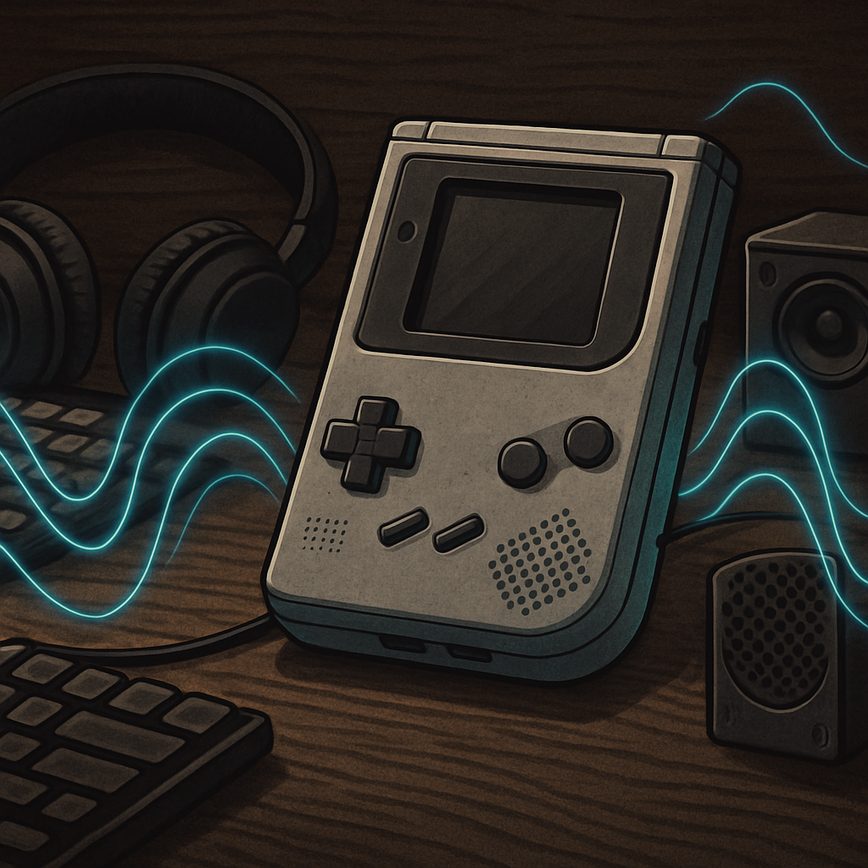
Introduction to Sound Loops in Games
Sound loops play a crucial role in the world of game audio, serving as a foundational element that enhances the player’s immersive experience. By seamlessly repeating audio segments such as background music or ambient sounds, looping sounds create a continuous auditory environment that keeps players engaged without distraction or abrupt interruptions. Unlike static sound effects, sound loops maintain a consistent atmosphere that can adapt to different gameplay scenarios, whether it’s the tense beat of a suspenseful chase or the serene ambiance of an open-world exploration.
In video games, background music often relies on sound loops to sustain the mood and energy throughout various levels or scenes. These loops are carefully crafted to be unobtrusive yet compelling, helping to build emotional connections with the game’s narrative and setting. Without effective looping sounds, the audio landscape might feel disjointed or repetitive in a way that detracts from the overall experience. Properly implemented sound loops create a smooth, uninterrupted flow that subtly influences player behavior and heightens engagement.
Beyond just music, sound loops are used for environmental audio cues—such as the rustling of leaves, flowing water, or distant city noise—that bring game worlds to life. These looping sounds contribute to a game’s realism by creating a sense of place and space, helping players to feel as if they are truly part of the virtual environment. This auditory consistency reinforces immersion and encourages players to explore and interact with their surroundings more deeply.
Overall, sound loops are indispensable in game audio design. They provide a crucial layer of sonic texture that supports storytelling, sets the tone, and enhances the emotional impact of gameplay. Through the clever use of looping sounds, game developers can craft richer, more engaging experiences that keep players coming back for more.
What Are Sound Loops?
Sound loops, often referred to as audio loops, are segments of sound or music that are designed to repeat seamlessly. In the context of game sound basics, they serve as continuous background audio elements that create atmosphere or mood without interruption. Unlike one-shot sounds, which are single audio events such as a gunshot or a character’s jump sound, sound loops play repeatedly to maintain a consistent audio presence.
The definition of sound loops highlights their repetitive nature, which distinguishes them from dynamic music. Dynamic music in games typically changes according to gameplay events or player actions, often layering or transitioning between tracks to reflect the evolving game environment. In contrast, sound loops remain consistent, providing a stable auditory backdrop that enhances immersion without distracting changes.
Audio loops are crucial in game design because they help build a believable world and maintain the game’s emotional tone. Developers use them to represent environments such as the hum of a spaceship engine, ambient forest sounds, or rhythmic electronic beats in a futuristic cityscape. Their seamless repetition ensures that players are continuously enveloped in the game’s soundscape, which aids in enhancing engagement and player experience.
Importance of Sound Loops in Game Design
Sound loops play a crucial role in building the overall game atmosphere by providing a continuous auditory backdrop that subtly enhances the environment. This repetitive yet seamless audio element helps to establish the mood and tone of different game scenes, immersing players in the virtual world and making the setting more believable. Whether it is the ambient sounds of a forest, the hum of futuristic machinery, or the rhythmic beat of battle drums, sound loops contribute significantly to creating a cohesive and engaging game atmosphere.
Beyond setting the scene, sound loops are essential for maintaining audio immersion throughout gameplay. Unlike short sound effects that trigger once, loops play continuously without noticeable gaps, minimizing distractions and keeping players focused on the experience. This steady stream of sound supports consistent engagement, allowing players to feel connected to the game’s world without interruptions that break immersion. Sound loops effectively mask silence, which can often feel unnatural and disengaging, thus enhancing the overall player experience.
Furthermore, sound loops contribute to pacing within gameplay by aligning audio cues with the game’s rhythm and flow. They can indicate the passage of time, upcoming challenges, or changes in intensity, subtly guiding player emotions and reactions. By supporting gameplay pacing, sound loops ensure that the audio experience matches the visual and interactive elements, creating a synchronized and harmonious environment. In this way, sound loops become a powerful tool for designers to shape player experience through both mood and timing.
Types of Sound Loops Used in Games
Sound loops are a fundamental element in the design of immersive gaming experiences, providing continuous audio that enhances the atmosphere and gameplay. There are several types of sound loops commonly used in games, each serving a unique purpose and contributing to the overall auditory environment. The main categories include ambient loops, music loops, and sound effect loops.
Environmental ambient loops are perhaps the most subtle yet essential sound loops in a game. These loops recreate the natural sounds of the game’s setting, such as the rustling of leaves, distant animal calls, or the gentle hum of a city. Ambient loops add depth to the gaming world by making it feel alive and responsive without overwhelming the player. They are typically seamless and low-key, working in the background to maintain immersion and provide a sense of place.
Music loops are another critical type of sound loop that dramatically influence the emotional tone and pacing of gameplay. These loops often consist of background music tracks that repeat to maintain a consistent mood throughout a scene or level. Music loops can vary from serene and calming to intense and fast-paced, adapting to different stages or events within the game. Unlike ambient loops, music loops are more noticeable and are carefully composed to complement the game’s narrative and action, enhancing player engagement.
Sound effect loops, or effect loops, provide repeated audio cues that correspond to specific in-game actions or objects, such as machinery whirring, footsteps, or magical spells. These loops help reinforce the sense of interaction and realism in the game world. Effect loops are typically short and precise, triggered by player actions or environmental changes to provide immediate feedback. They interplay closely with both ambient and music loops, contributing to a rich and layered soundscape.
Together, these types of sound loops create a dynamic and engaging sound environment that enhances the player’s experience. Environmental ambient loops set the tone and environment, music loops guide emotional responses and tempo, and sound effect loops respond to player interaction and game mechanics. Properly crafted and integrated, these loops support immersion and make the virtual world feel more tangible and captivating.
Ambient and Environmental Sound Loops
Ambient sounds and environmental loops are essential tools in creating a believable and continuous game atmosphere. These sound loops serve to immerse players in the game world by providing a constant auditory backdrop that mirrors real-life environments. From the soft rustling of leaves in a forest to the distant hum of city traffic, these loops help set the mood and tone for different game locations.
By carefully designing ambient sounds and environmental loops, game developers can guide players’ emotions and enhance their overall experience. These loops, often subtle and layered, ensure that the game world feels alive and dynamic, avoiding silence that can break immersion. Consistent ambient soundscapes reinforce the setting, whether it’s a peaceful countryside, an eerie cave, or a bustling marketplace.
Moreover, environmental loops can be interactive, adapting to player actions or changes in the game environment. For example, weather-related sounds like rain, wind, or thunder can intensify or fade away, responding to in-game events to keep the atmosphere authentic and engaging. Thus, ambient sounds play a crucial role in shaping a game’s unique identity and captivating players through continuous, enveloping sound design.
Music Loops in Gameplay
Music loops play a crucial role in creating an immersive gameplay experience by providing a continuous and dynamic auditory backdrop. Unlike traditional music tracks with a definite beginning and end, looping tracks in games are designed to repeat seamlessly, allowing the music to adapt fluidly to the length and intensity of gameplay. This adaptability helps maintain the player’s engagement without causing distraction or fatigue.
In gameplay music, loops are carefully crafted to match changes in the game’s environment or player actions. For example, they may subtly shift or evolve in response to in-game events such as entering a battle or exploring a new area, thus enhancing the emotional and narrative depth. These adaptive music loops ensure the musical atmosphere remains consistent and relevant throughout the player’s journey.
To achieve seamless repetition, composers use various techniques such as crossfading, beat matching, and precise timing of musical phrases. These methods prevent noticeable breaks or awkward transitions when the loop restarts. Additionally, layering multiple looping tracks allows composers to build complexity and variation, keeping the audio experience fresh and engaging without interrupting the flow of gameplay.
Creating Effective Sound Loops for Games
Creating effective sound loops is a fundamental skill in game audio production, ensuring that background music and ambient sounds enhance the gaming experience without interruption. The key to successful sound loop creation lies in achieving seamless playback, which requires careful attention to technical details such as loop points and precise audio editing.
The process begins with selecting appropriate loop points within your audio track. Loop points mark where the audio should start and end to create a continuous sound without noticeable gaps or abrupt changes. Identifying these points requires a detailed listen to determine where the audio naturally repeats. Ideally, loop points should be placed where the waveform crosses zero amplitude to avoid clicks or pops during playback.
Once the loop points are established, audio editing software is used to fine-tune the segment. This includes trimming any excess sound before the start point and after the end point, as well as adjusting fades if necessary. Crossfading techniques can also be employed to blend the end of the loop smoothly back into the start, further enhancing loop seamlessness. Precise editing eliminates jarring transitions that can distract players and break immersion.
Another important consideration in sound loop creation is maintaining consistent audio levels throughout the loop. Abrupt changes in volume or frequency can draw attention to the loop and reduce the natural feel of the game’s sound environment. Equalization and dynamic range compression tools can help balance the audio, ensuring a smooth and steady sound that supports the gameplay.
Testing your loops in the actual game environment is also crucial. Different game engines and playback systems may affect how the loop sounds in real-time. By evaluating the loops within the game, you can identify any issues with playback timing or audio artifacts and make necessary adjustments. This iterative process is key to achieving a professional-grade sound loop that enhances the overall game audio production.
In summary, effective sound loop creation involves a blend of careful loop point selection, meticulous audio editing, and thorough testing. Focusing on these technical aspects ensures your loops play back seamlessly, enriching the gaming experience with continuous, immersive audio.
Technical Aspects of Looping Audio
Creating seamless audio loops requires careful attention to technical details, starting with the selection of precise loop points. Loop points define where the audio segment will begin and end, and their accurate positioning is crucial to avoid audible clicks or gaps during playback. Typically, loop points are selected at zero-crossings of the waveform, where the audio signal passes through the zero amplitude line. This ensures a smooth transition and maintains the natural rhythm of the sound.
In addition to manual selection, audio editing software plays a vital role in refining loop points and achieving seamless looping. Tools such as Adobe Audition, Audacity, or specialized digital audio workstations provide visual waveform editing, allowing sound designers to zoom in and fine-tune these points with precision. Many of these programs also offer crossfade looping functions, which blend the end and start of the loop to mask any minor imperfections.
When working within audio editing software, it’s important to consider the sample rate and bit depth to maintain audio quality throughout the loop. Additionally, normalizing and equalizing the looped segment can help balance sound levels and frequency response, ensuring consistency during repeated playback. Mastery of these technical aspects enables developers and sound designers to craft immersive and uninterrupted audio loops that enhance the gaming experience.
Best Practices for Game Audio Looping
When implementing sound loops in games, following best practices is essential to ensure a seamless and immersive audio experience. First and foremost, maintaining high audio quality is critical; poorly recorded or compressed loops can distract players and diminish the overall game atmosphere.
Matching loop timing precisely is another crucial factor. The loop should end and restart seamlessly without any audible gaps or overlaps, which can break the player’s immersion. Carefully align the audio clip’s start and end points, and consider tempo and rhythm to ensure smooth transitions that feel natural within the game’s environment.
Additionally, testing loops extensively within the game environment is vital to verify their effectiveness. Testing helps to identify any inconsistencies or issues that may not be apparent in isolation. By evaluating loops in various gameplay scenarios, developers can adjust volume levels, EQ settings, and layering to create a balanced and dynamic soundscape.
In summary, adhering to best practices—maintaining audio quality, carefully matching loop timing, and thorough in-game testing—will maximize the impact of sound loops. Properly executed loops enhance player immersion and contribute significantly to the overall game design.

I’ve been playing video games since I was a kid, and that passion naturally led me to explore how they’re made. I love diving into game design concepts and sharing insights with fellow enthusiasts. When I’m not testing new titles, I’m tinkering with Unity and learning new programming tricks.