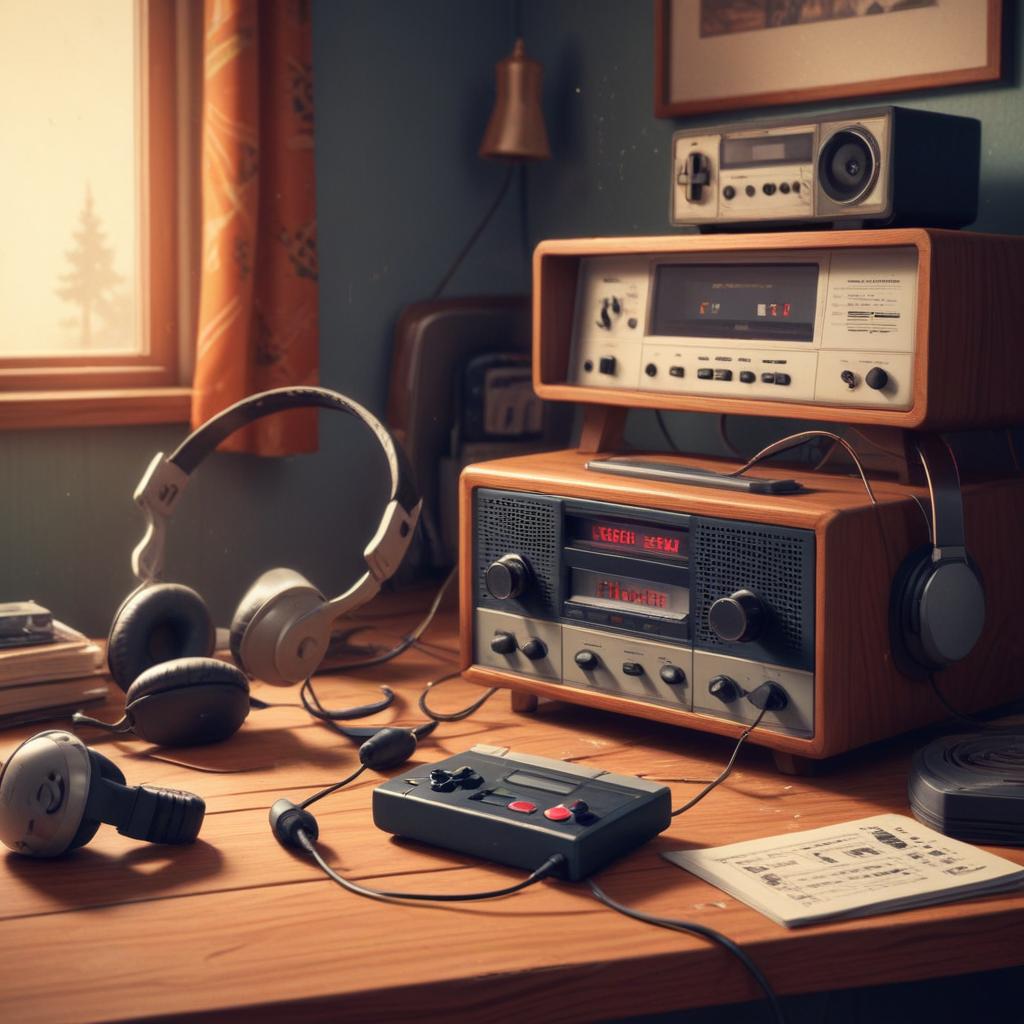
The Importance of Background Music in Games
Background music plays a fundamental role in creating a compelling game experience. It is much more than just an auditory backdrop; background music actively shapes the player’s emotional and psychological engagement within the game world. By setting the tone and atmosphere, it draws players deeper into the narrative and environment, significantly enhancing game immersion.
When thoughtfully composed and integrated, background music amplifies the sense of presence, making the virtual world feel real and alive. It helps players emotionally connect to the storyline and characters, elevating their overall player experience. This emotional connection can form long-lasting memories and positive associations with the game, increasing player satisfaction and loyalty.
The audio impact of background music goes hand in hand with visual elements, complementing and reinforcing what players see on the screen. By using various musical techniques such as tempo changes, key shifts, and thematic motifs, game designers can influence players’ emotions—whether to build suspense, evoke joy, or create tension. This nuanced control over mood and pacing is critical for maintaining player interest and engagement throughout gameplay.
Moreover, background music can provide subtle cues and feedback, guiding players’ actions and enhancing their interaction with the game environment. For example, dynamic music shifts can signal changes in game scenarios, alerting players to imminent threats or rewarding achievements. This interactive aspect of background music contributes not only to immersion but also to gameplay mechanics, making it an essential component of modern game design.
In summary, background music is a vital element that profoundly affects game immersion, emotional connection, and the overall player experience. By carefully crafting the audio landscape, developers ensure that players are fully absorbed in the game world, experiencing every moment with greater intensity and enjoyment.
Enhancing Emotional Engagement
Background music plays a crucial role in shaping the emotional tone of a game, effectively enhancing emotional engagement. The dynamic interplay between music and feelings influences how players perceive the game atmosphere and react to various scenarios. Carefully composed soundtracks can evoke a wide range of emotions, from tension and suspense to joy and triumph, guiding players through the narrative and deepening their connection to the story.
Music acts as an emotional cue that subtly informs players’ decisions, often encouraging them to feel cautious in risky situations or inspired during moments of achievement. The rhythm, tempo, and harmony of background music blend seamlessly with visual elements to create an immersive environment where players become emotionally invested. This heightened emotional engagement not only enriches the gaming experience but also motivates players to explore and interact more deeply with the game world.
Moreover, the relationship between music and feelings in a game atmosphere strengthens storytelling by reinforcing the mood of each scene. Whether it’s a haunting melody in a horror game or an uplifting tune in an adventure quest, music guides the player’s emotional journey, making moments memorable and impactful. Thus, background music is indispensable in crafting an engaging and emotionally resonant gaming experience.
Improving Game Immersion
Background music plays a crucial role in enhancing game immersion by subtly shaping the player’s emotional and psychological experience. Carefully composed background sounds create an auditory environment that complements the visual elements, drawing players deeper into the game world. This sonic backdrop not only sets the mood but also establishes context, allowing players to connect more intimately with the storyline and characters.
Moreover, background music helps maintain player focus by providing a continuous auditory anchor amidst the dynamic and sometimes chaotic visual stimuli of gameplay. It fills the silence and helps prevent distractions, enabling players to concentrate on important game mechanics and objectives. The steady presence of background sounds can also signal changes in game states, such as approaching danger or the completion of a quest, thus guiding player attention effectively.
When background music is synchronized with gameplay pacing and emotional beats, it creates a seamless experience that feels natural and engaging. This integration supports sustained player engagement and satisfaction, making the game world feel more alive and responsive. Ultimately, well-designed background music elevates game immersion by anchoring players in the experience and keeping their focus sharply tuned to the unfolding adventure.
Types of Background Music Used in Games
Background music in games spans a wide array of music genres, each carefully selected to complement the atmosphere and gameplay experience. Game soundtracks are designed to immerse players, evoke emotions, and enhance storytelling by matching the tone of different game settings. Understanding the video game music types commonly employed helps in appreciating their role and the artistry behind game audio design.
One of the most prevalent genres in game soundtracks is orchestral music, often used in epic adventure and fantasy games. Its rich, layered compositions with strings, brass, and percussion provide an expansive and cinematic feel, ideal for grand battles, heroic quests, and dramatic moments. This type of music can adapt dynamically to gameplay intensity, reinforcing the emotional stakes of the narrative.
Electronic music genres, including synthwave, techno, and ambient electronica, frequently dominate sci-fi and futuristic game settings. Their synthetic sounds and repetitive beats underscore a high-tech atmosphere or fast-paced action sequences. These game soundtracks help create an immersive environment that marries well with cyberpunk aesthetics, space explorations, or high-speed racing.
Chiptune and 8-bit music styles hark back to the early days of video gaming, often employed in retro or indie games to evoke nostalgia. These video game music types utilize simple melodies and synthesized tones reminiscent of classic arcade and console titles, resonating with fans of vintage gaming culture and complementing pixel art visuals.
Ambient music is another versatile genre widely used in open-world and exploration games. Its subtle, mood-setting soundscapes provide background audio that enhances immersion without distracting from the gameplay. This style is perfect for serene environments, mysterious locations, or moments of calm between action sequences, contributing to world-building through sound.
Other specialized genres include jazz, folk, and ethnic music, which are often selected to give games cultural authenticity or to set a specific historical period. For example, folk tunes may enrich games set in rural or medieval contexts, while jazz might characterize urban or noir-style narratives. These diverse music genres add depth and uniqueness to game soundtracks by aligning closely with the story and setting.
In summary, the variety of music genres used in game soundtracks—from orchestral to electronic, chiptune to ambient—serve distinct purposes in reinforcing the game environment and emotional tone. By matching video game music types to their respective settings, composers enhance player engagement and make the gaming experience more memorable.
Dynamic and Adaptive Music
Dynamic and adaptive music plays a crucial role in enhancing the gaming experience by responding directly to player actions and in-game events. Unlike static soundtracks that maintain a fixed arrangement, adaptive music evolves in real-time, shifting its tone, intensity, and rhythm to match the ongoing gameplay. This responsiveness ensures that the audio landscape remains immersive and engaging, creating a powerful emotional connection between the player and the game environment.
Adaptive music is carefully designed to transition smoothly between different musical layers or tracks as players navigate the game world or trigger specific events. For instance, when a player encounters an enemy, the music might dynamically intensify to heighten suspense, while successfully completing a challenge could be accompanied by uplifting melodies. This dynamic soundtrack approach provides immediate auditory feedback, reinforcing the player’s sense of accomplishment and immersion.
By integrating game responsiveness into audio design, composers use adaptive music to maintain a seamless and fluid sound environment that adapts to various gameplay scenarios. This technique enriches storytelling and gameplay mechanics by aligning the emotional tone of the soundtrack with the game’s pacing and narrative developments. Consequently, dynamic soundtracks not only elevate the sensory experience but also deepen player engagement by making the audio an active participant in the gaming journey.
Looped and Ambient Music
Looped music and ambient sounds play a crucial role in creating immersive game environments by offering continuous background loops that enhance the gaming experience without overwhelming the player. These background loops are designed to seamlessly repeat, ensuring that the soundscape remains consistent and engaging for extended periods. Unlike more dynamic or melodic tracks that might draw attention, looped music provides a subtle auditory backdrop that complements gameplay without causing distraction.
Ambient sounds, often integrated within these background loops, contribute to the atmosphere by simulating environmental elements like wind, water, distant wildlife, or urban noise. This combination of looped music and ambient sounds creates a layered sound environment that helps players feel more connected to the game world. By maintaining a steady presence, these audio elements support the narrative and gameplay without interfering with the player’s focus or actions.
The effectiveness of looped and ambient music depends largely on careful composition and sound design. Tracks are composed to avoid noticeable repetition points, making transitions between loop endings and beginnings unintrusive. This approach ensures that players are rarely pulled out of the game’s immersion due to jarring audio shifts. Ultimately, looped music and ambient sounds serve as an essential tool for developers who wish to enrich their games’ environments while keeping the player comfortably engaged.
The Role of Composers and Technology in Game Music
Game composers play a crucial role in the creation of immersive and emotionally resonant gaming experiences. Their task goes beyond simply writing music; they must understand the narrative, gameplay mechanics, and emotional beats of the game to craft compositions that enhance and elevate the player’s journey. Composers often start by developing thematic material—melodies and motifs that can be adapted to reflect different gameplay situations, such as tension, exploration, or triumph.
The creation process involves close collaboration with game designers and sound designers to ensure that the music aligns perfectly with the overall sound design and game audio production. Sound design elements such as ambient effects, character sounds, and interface audio must blend seamlessly with the background music to create a cohesive auditory experience.
Modern music technology is indispensable for game composers. Digital audio workstations (DAWs) such as Ableton Live, Logic Pro, and FL Studio provide powerful environments for composing, arranging, and producing game music. These platforms support virtual instruments, sample libraries, and effects plugins that enable composers to create rich, dynamic soundscapes tailored to the game’s aesthetic.
In addition to composition tools, game audio production increasingly relies on middleware software like FMOD and Wwise. These tools allow composers and sound designers to implement and optimize music interactively within the game engine. They provide features such as real-time parameter control, adaptive music layering, and seamless transitions that respond directly to gameplay events, enhancing player immersion.
Technology also aids in optimizing background music for performance, ensuring that audio assets are compressed effectively without sacrificing quality. This is particularly important in games with limited memory or processing power. By leveraging these advanced tools, composers can deliver high-quality, dynamic music that adapts fluidly to the game environment, enriching the player’s overall experience.
Collaboration Between Composers and Developers
Successful game development relies heavily on the seamless collaboration between composers and developers. This partnership is essential to ensure that the background music not only enhances the auditory experience but also complements the gameplay and narrative effectively. Throughout the audio design process, both parties must maintain clear and continuous communication to align their creative visions and technical requirements.
Music collaboration begins early in the project, where composers get insights into the game’s storyline, characters, and mechanics. This understanding allows them to craft themes and motifs that resonate with the game’s emotional tone and pacing. Developers provide valuable feedback on how the music interacts with gameplay elements, such as triggering certain tracks during specific events or adjusting the intensity based on player actions.
The workflow typically involves iterative exchanges where composers produce drafts, and developers test these in the game environment to evaluate their effectiveness. This back-and-forth helps refine the score, ensuring the audio complements the interactive experience without overpowering it. By integrating music design into the overall development pipeline, the team creates a cohesive atmosphere that supports storytelling and immersion.
In essence, the collaboration between game composers and developers is a dynamic process that bridges artistic expression with technical execution. Together, they shape an engaging audio experience that elevates the game’s impact, ultimately enhancing player engagement and satisfaction.
Technological Advances Enhancing Game Music
Recent technological advances have significantly elevated the quality and flexibility of game music, transforming the auditory experience for players. Modern audio software now incorporates sophisticated real-time music processing capabilities that allow soundtracks to adapt dynamically to gameplay events. This real-time audio processing ensures that the music remains immersive and synchronized with the player’s actions, providing a seamless and responsive auditory environment.
Another major development is the integration of advanced sound engines within game development platforms. These sound engines offer powerful tools for composers and sound designers to create complex, layered audio tracks that can change fluidly depending on in-game conditions. By utilizing these engines, game developers can implement adaptive soundscapes that evolve with the narrative, player choices, or environmental factors, greatly enhancing the emotional impact of the gameplay.
The combination of cutting-edge audio software and robust sound engines enables real-time music to move beyond simple background accompaniment to become an interactive, integral element of the game design. These technologies allow for nuanced control over musical transitions, spatial audio placement, and dynamic effects, ensuring the music supports both the mood and mechanics of the game at any given moment. As these tools continue to improve, the potential for innovative and immersive game music experiences only grows.

I’ve been playing video games since I was a kid, and that passion naturally led me to explore how they’re made. I love diving into game design concepts and sharing insights with fellow enthusiasts. When I’m not testing new titles, I’m tinkering with Unity and learning new programming tricks.