Introduction to Recording Sound Effects
Recording sound effects is the process of capturing audio elements that are used to enhance the auditory experience in various forms of media such as films, video games, television shows, and theater productions. This task involves the deliberate and precise capturing of sounds that can range from natural environmental noises to artificial and synthesized effects. Sound effects recording serves as a foundational aspect of audio production, ensuring that the sounds heard by the audience are clear, impactful, and appropriate to the context in which they are used.
An intro to sound effects highlights the importance of this process by emphasizing how sound effects can influence the mood, add realism, and provide cues that support storytelling. Without properly recorded sound effects, media content can appear flat or less immersive, as the auditory dimension is critical to engaging viewers or listeners. Whether it is the subtle rustle of leaves or the dramatic crash of a thunderstorm, carefully recorded sound effects allow creators to evoke emotions and create an atmosphere that visuals alone cannot achieve.
Audio capture basics for sound effects require knowledge of the right equipment and techniques. Professional microphones, recording devices, and sometimes specialized tools are used to achieve high-quality and authentic sounds. The environment where the recording takes place must also be considered, as background noise or poor acoustics can diminish the effectiveness of the sound effect. Additionally, sound designers and recordists often employ creative methods such as Foley to produce sounds that enhance the narrative in a way that pre-recorded libraries cannot always match.
In media production, recording sound effects is crucial because it adds depth and realism to the final product. It supports the storytelling by reinforcing actions, creating suspense, indicating off-screen events, and enriching the overall sensory experience of the audience. Ultimately, mastering sound effects recording can elevate the quality of a production, making it more professional and captivating, which is why it remains an essential skill for audio engineers and sound designers alike.
Essential Equipment for Sound Effects Recording
When it comes to recording high-quality sound effects, having the right recording gear is crucial. The essential sound equipment for capturing crisp, clear audio begins with selecting the proper microphones. Different microphones cater to different sound capturing needs; for example, shotgun microphones excel at gathering focused sounds from a distance, while lavalier microphones are great for capturing subtle noises close-up.
In addition to microphones, audio recorders play a pivotal role in the sound effects recording process. Portable recorders allow you to capture sounds on location with ease, offering high-resolution audio quality and the ability to connect multiple microphones simultaneously. Look for recorders with low noise ceilings and multiple input options to ensure you can handle diverse recording scenarios.
Another important aspect of your sound equipment setup is the use of windshields, shock mounts, and boom poles. These accessories help reduce unwanted noises such as wind or handling sounds, thereby improving the overall quality of your recordings. Proper mounting solutions also ensure the microphones stay steady and positioned correctly during capture.
When setting up your recording gear, always consider the environment and the specific sound effects you aim to capture. A multi-microphone setup can be beneficial for complex soundscapes, allowing layers of audio to be recorded separately and mixed later. High-quality headphones are also a must-have to monitor recordings and detect any background noise or technical issues in real-time.
In summary, investing in reliable microphones, versatile audio recorders, and complementary sound equipment will greatly enhance your ability to produce professional-grade sound effects. When these tools come together, they allow you to capture the finest details and nuances, ensuring your recordings are clear, vibrant, and ready for use in any project.
Choosing the Right Microphone
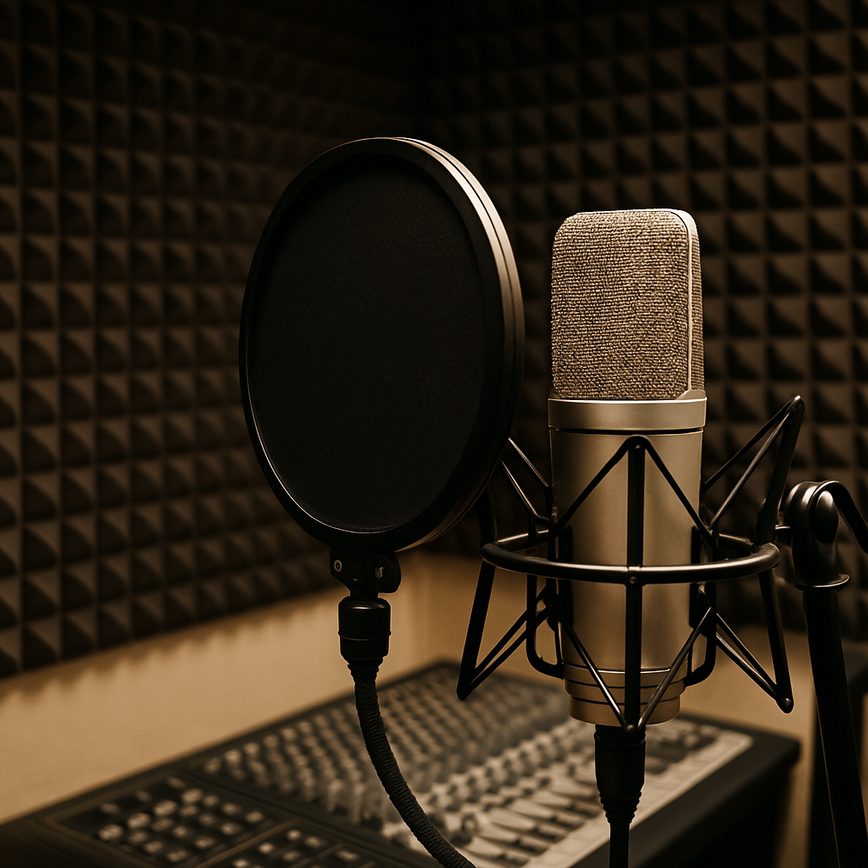
When it comes to recording sound effects, selecting the appropriate microphone is crucial for capturing the desired audio quality. There are several microphone types to consider, each suited for different recording scenarios. Dynamic microphones are robust and handle high sound pressure levels well, making them ideal for loud and explosive sound effects. Condenser microphones, on the other hand, are highly sensitive and excellent at capturing detailed and nuanced sounds, perfect for subtle effects like footsteps or whispering sounds.
Ribbon microphones offer a warm, natural sound and are great for recording vintage or atmospheric effects, though they tend to be more fragile. Lavalier microphones are small and discreet, useful for recording close-up sounds or for capturing sound effects on the move. Shotgun microphones, known for their directional pickup patterns, are perfect for isolating specific sounds in noisy environments.
When selecting the best microphones for your recording needs, consider the sound source, environment, and desired audio texture. For example, a condenser mic might be the best choice for capturing the crispness of glass breaking, while a dynamic mic could be better suited for booming explosions. Additionally, pay attention to microphone polar patterns; omnidirectional mics capture sound from all directions, whereas cardioid mics focus on sounds directly in front, reducing background noise.
Ultimately, recording mic selection should balance technical specifications and the specific characteristics of the sound effect. Testing different microphone types with your sound sources will help you identify the best microphones to achieve professional and vivid recordings for any project.
Audio Recorders and Accessories
When capturing high-quality sound effects, choosing the right audio recorders and accessories is essential. Field recorders are the most common type of recording devices used in this context. These portable devices are designed for outdoor and on-site recording, offering excellent preamps, multiple input options, and durability to withstand various environments. Popular models often feature high-resolution audio capture, multiple tracks recording, and easy integration with external microphones.
Alongside the recorder itself, several audio accessories are crucial to ensure clean, professional sound capture. Windshields or dead cats help reduce wind noise, especially during outdoor recordings. Shock mounts are used to isolate the microphone from handling noise and vibrations, which can be disruptive to the final audio. High-quality cables and connectors also play a vital role in maintaining a noise-free signal chain between microphones and recorders.
Additionally, headphones are indispensable accessories for monitoring sound in real-time, allowing the recordist to catch any unwanted background noise or distortion immediately. Power banks or extra batteries are also necessary to keep the recording devices active during extended sessions. Lastly, carrying cases protect the recorders and accessories when moving between locations, ensuring all equipment stays safe and organized.
Techniques and Best Practices for Recording Sound Effects
Capturing clear, professional sound effects requires a combination of the right recording techniques and best practices. To achieve high-quality sound effect capture, it is essential to prepare both your environment and equipment adequately before beginning the recording process.
First, control your recording environment by minimizing background noise and echo. Choose a quiet location or use soundproofing materials to reduce unwanted sounds. This ensures that your recorded sound effects are clean and free from distracting interference. Additionally, using directional microphones and placing them close to the sound source helps focus the capture on the desired sound, improving clarity and detail.
Next, pay close attention to microphone placement. Experiment with angles and distances to find the optimal position that best captures the natural characteristics of the sound effect. For example, placing a microphone slightly off-axis can reduce harshness, while a closer position will catch subtle nuances. Recording at multiple distances and perspectives can give you more options during post-production.
Another critical aspect of effective sound effect capture is setting proper recording levels. Ensuring that your input gain is high enough to capture detail, but not so high that it causes distortion or clipping, is essential for professional results. Always leave some headroom to accommodate unexpected peaks in volume. Monitoring your recordings with quality headphones or speakers helps you identify and correct issues early.
Using high-quality equipment, such as uncompressed audio recorders and reliable microphones, also significantly impacts the final sound quality. Regularly check and maintain your gear to avoid issues like noise or signal loss. Incorporating techniques like foley recording—creating sound effects from everyday objects—can add realism and creativity to your sound library.
Finally, maintain organized recording sessions by taking detailed notes about each sound effect captured. Documenting microphone types, placement, environment conditions, and settings will help you replicate successful techniques in future recordings and streamline your workflow.
By applying these recording techniques and best practices, you can consistently capture clear, professional sound effects that enhance the auditory experience of your projects.
Location Scouting and Environmental Considerations
When recording location sound, choosing the right spot is crucial for capturing clear and usable audio. The primary goal is to find a location with minimal environment noise that can interfere with the sound effects you are trying to record. Start by scouting various locations and listening carefully for background noises like traffic, wind, or human activity that may disrupt the recording. Areas with natural sound isolation, such as dense forests or secluded indoor spaces, can help reduce unwanted ambient noise.
Managing environmental noise involves both pre-recording and on-site strategies. Use directional microphones and windshields to limit extraneous sounds and control the audio input. Additionally, consider the time of day for recording; quieter periods like early morning or late evening often provide better conditions for sound isolation. Always bring soundproofing materials or portable barriers if possible to minimize reflections and external noise interference where necessary.
Ultimately, successful location sound recording hinges on careful planning and paying attention to the environment. By choosing a location with favorable acoustic properties and actively managing environmental noise, you ensure the best possible sound quality for your project.
Recording and Editing Tips
When it comes to capturing high-quality sound effects, there are several essential recording tips to keep in mind. First, ensure that your recording environment is as quiet and controlled as possible to minimize background noise. Using a directional microphone can help isolate the sounds you want to capture. Pay attention to microphone placement and distance from the sound source, as this can drastically affect the tone and clarity of your recording. Experiment with different angles and positions to find the best acoustic response.
Once you have your recordings, basic editing sound effects is a crucial step in post-production to enhance the overall quality. Use audio editing software to trim unnecessary silence or unwanted noise. Applying noise reduction tools can help clean up the recording without compromising the natural sound. Equalization (EQ) adjustments allow you to emphasize important frequencies, bringing clarity and presence to your sound effects. Additionally, subtle compression can even out volume levels, making your sounds more consistent and polished.
During post-production, it’s important to listen critically and make iterative edits to achieve the best possible sound. Layering multiple recordings can add depth and realism, while time-stretching or pitch-shifting effects can provide creative variations. Always keep your intended use in mind, whether it’s for games, films, or other media, and tailor your recording and editing process accordingly. By following these recording tips and editing sound effects practices, you can significantly improve the quality and impact of your audio creations.

I’ve been playing video games since I was a kid, and that passion naturally led me to explore how they’re made. I love diving into game design concepts and sharing insights with fellow enthusiasts. When I’m not testing new titles, I’m tinkering with Unity and learning new programming tricks.