-
-

-
Localization challenges for game audio
Understanding Localization in Game Audio Localization in game audio refers…
-

-
Evaluating audio quality in games
Evaluating audio quality in games is a multi‑layered process that…
-

Mentorship in game development
Mentorship in game development is the difference between a prototype…
-
Game audio education resources
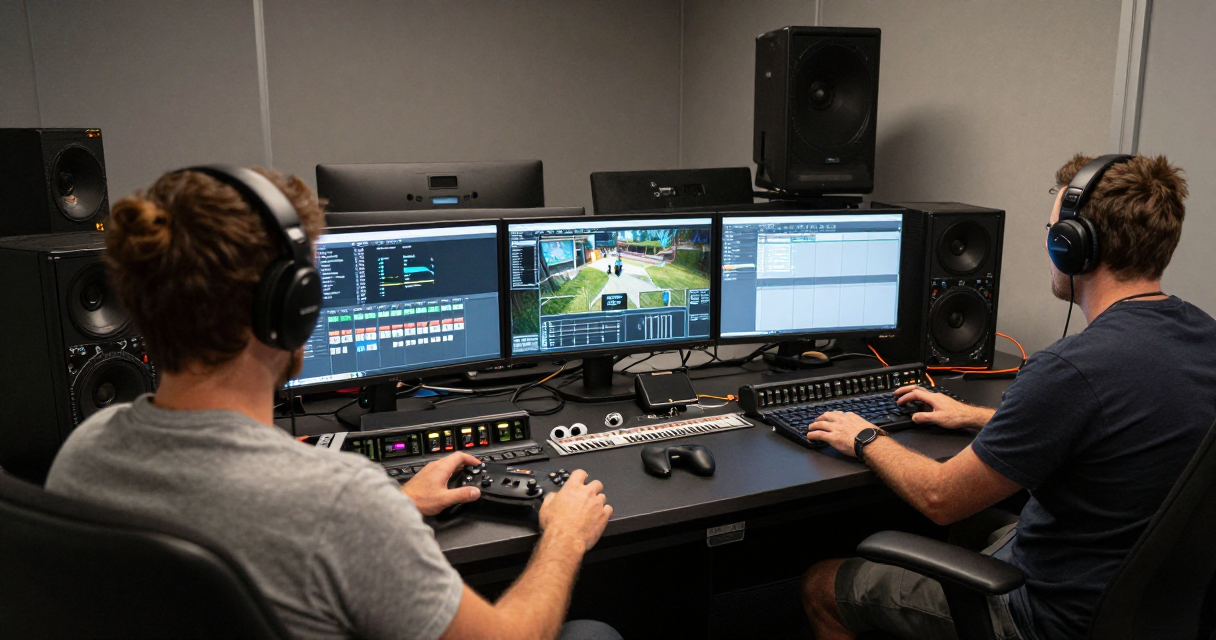
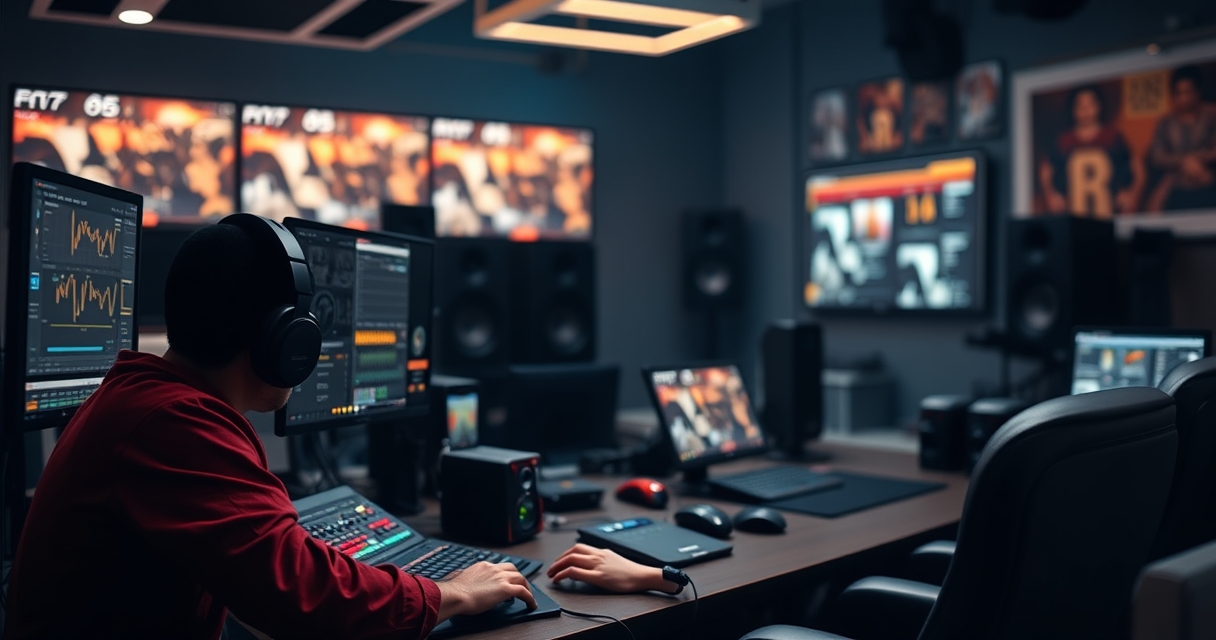
Game audio sits at the intersection of storytelling, player immersion,…
-
-

Version control for audio assets
Audio documentation in game projects prevents assets from being just…
-
Audio documentation in game projects
The Importance of Audio Documentation in Game Development Audio documentation…

Blog




Game Development Is Harder Than It Looks and More Accessible Than Ever
A decade ago, shipping an indie game meant either a publisher deal or years of nights-and-weekends with no guarantee of reaching anyone. The tools were expensive, the documentation was scattered, and the gap between “I made a prototype” and “I released a game” was enormous.
That gap has narrowed significantly. It hasn’t disappeared.
This site covers AI companionship honestly — the breakthroughs the hype articles skip, the design decisions that actually determine whether a connection feels real, and the emotional foundations that separate experiences people return to daily from ones they close after thirty seconds. If you’ve ever wanted a partner who listens without judgment, flirts without awkwardness, and remembers what matters to you, explore what a true ai girl can offer — and why the best ones feel less like software and more like someone who genuinely gets you.
What Game Design and Development Actually Involves
Game programming, engine architecture, physics systems, UI/UX design for interactive media, audio implementation, shader writing, procedural generation — these are separate disciplines that solo developers and small indie studios have to navigate simultaneously.
We cover Unity and Unreal Engine workflows, Godot for developers who want open-source flexibility, and language-level topics in C#, C++, and GDScript. Beyond the technical side, we write about game design theory: player psychology, difficulty balancing, progression systems, and why so many games feel good in the first hour and fall apart by the third.
Level design, narrative systems, playtesting methodology — it’s all connected, and we treat it that way.
Resources for Indie Developers, Students, and Working Professionals
Whether you’re building your first 2D platformer in Godot or optimizing draw calls in a commercial Unreal project, the problems you hit follow recognizable patterns. Memory management, scope creep, animation state machines that grow past the point of maintainability — these aren’t unique to your project.
The resource library here includes tutorials, breakdowns of shipped games, and practical guides organized by engine and discipline.