Overview of Career Paths in Game Audio
The game sound industry offers a diverse range of career options for those passionate about audio and gaming. With the continuous growth of the gaming sector, game audio careers have become increasingly sought after, providing exciting opportunities for creative professionals. From indie studios to major game development companies, audio jobs in gaming are essential to crafting immersive and memorable gaming experiences.
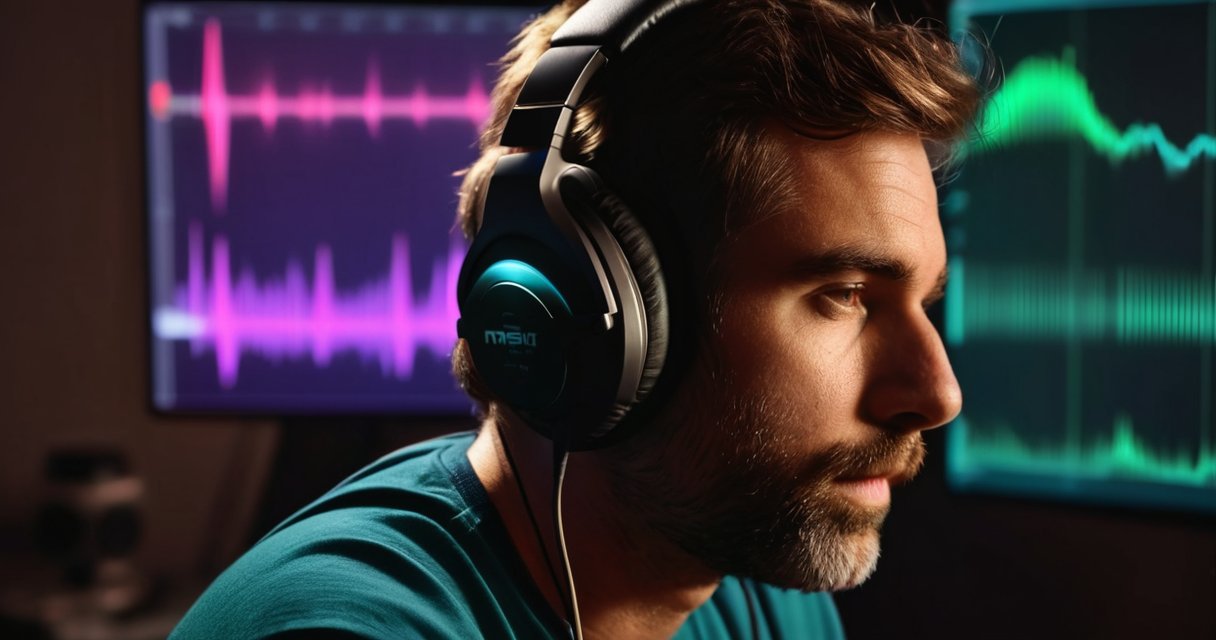
One of the main career paths in the game sound industry is the role of a sound designer. Sound designers create and implement audio effects, ambient sounds, and interactive audio elements that enhance gameplay. Their work helps build the atmosphere and emotional tone of games, making sound design a critical component of the production process. Additionally, sound designers often collaborate closely with other creative team members to ensure audio aligns perfectly with game narratives and visuals.
Another prominent role within game audio careers is that of a composer. Game composers craft original music tailored to a game’s style, pace, and emotional beats. Their compositions contribute significantly to the player’s immersion and engagement by reinforcing storylines and adapting dynamically to game scenarios. With the rise of adaptive and interactive music techniques, composer positions within audio jobs in gaming demand both musical creativity and technical expertise.
Audio programmers represent a vital technical path in the game sound industry. These professionals develop audio systems, tools, and middleware that enable the seamless integration and manipulation of sound assets within the game engine. Their work ensures that audio elements respond dynamically to gameplay, making the player’s experience more fluid and tangible. Audio programming combines coding skills with an understanding of audio principles, catering to those who enjoy bridging technology and creativity.
Beyond these core roles, the game audio field also includes careers such as voice-over directors, audio testers, and audio producers, all of whom play important parts in delivering polished sound experiences. The demand for talented individuals across these positions reflects the vital role sound plays in modern gaming. As the industry continues to evolve, opportunities in game audio careers are expanding, offering rewarding paths for aspiring professionals to contribute their skills to a dynamic and fast-paced field.
Sound Designer
Sound designers play a crucial role in the creation of immersive and engaging game audio. They are responsible for crafting the unique game sound effects that bring virtual environments and characters to life. By combining creativity with technical expertise, sound designers enhance the overall gaming experience through carefully designed audio elements that support gameplay and storytelling.
The core responsibility of a sound designer is to develop audio design for games that aligns with the artistic vision and interactive mechanics. This involves recording, editing, and manipulating sounds to produce custom effects such as footsteps, weapon sounds, ambient noises, and UI feedback. Sound designers work closely with game developers, composers, and programmers to integrate audio assets seamlessly into the game engine.
To excel in sound design, professionals need a strong understanding of audio software and digital audio workstations (DAWs), as well as proficiency in field recording and sound synthesis. A keen ear for detail and creativity is essential to invent distinctive game sound effects that enhance player immersion. Furthermore, knowledge of interactive audio middleware, like Wwise or FMOD, is often required to implement adaptive soundscapes that respond to gameplay in real-time.
In summary, sound designers are vital to game development, combining art and technology to create compelling audio experiences that enrich the narrative and mechanics of games through expertly crafted sound design and game sound effects.
Audio Programmer
Audio programmers play a crucial role in the development of immersive game experiences by bridging the gap between sound design and coding. They specialize in audio programming, focusing on creating and optimizing audio engines that power interactive sound systems within games. Their work ensures that audio elements dynamically respond to gameplay, enhancing player engagement through adaptive soundscapes.
In their daily tasks, audio programmers collaborate closely with sound designers and game developers to integrate complex audio functionalities seamlessly into the game engine. This integration involves writing efficient game audio coding that handles real-time audio processing, 3D spatialization, and procedural audio generation. By doing so, they enable sound effects and music to react intuitively to player actions and in-game events.
Furthermore, audio programmers develop custom tools and middleware to support interactive sound systems, tailoring audio behavior to unique gameplay mechanics. Their expertise not only improves the technical stability and performance of game audio but also empowers creative teams to push the boundaries of auditory storytelling. Overall, a career in audio programming offers a rewarding blend of technical innovation and artistic collaboration in the game audio industry.
Composer for Games
The role of a video game composer is crucial in shaping the emotional and immersive experience of modern games. Game music composition goes beyond traditional scoring by focusing on creating dynamic and adaptive soundtracks that respond to player actions and in-game events. This approach, known as interactive music, ensures the audio environment evolves seamlessly, enhancing the gameplay without interrupting the flow.
A composer for games must be skilled not only in music theory and composition but also in understanding the technical aspects of game development. They collaborate closely with sound designers, developers, and narrative teams to craft musical pieces that can adapt to various gameplay scenarios. This adaptability makes each player’s journey unique, as the music intensifies during intense moments or softens during exploration.
By leveraging tools and middleware like Wwise or FMOD, video game composers implement interactive music systems that trigger different layers, loops, and transitions based on real-time game parameters. This integration allows for richer storytelling and emotional depth, turning the musical score into a living element of the game world rather than just background noise.
Ultimately, game music composition is a specialized craft that combines creativity and technology to elevate the player’s immersion. A talented video game composer transforms simple melodies into dynamic experiences that resonate with players long after the game is over.
Voice Over Artist and Director
In the world of game audio, the roles of voice over artists and directors are essential to bringing characters and narratives to life. Voice over artists specialize in voice acting, lending their vocal talents to embody unique characters, emotions, and personalities within the game. Their ability to deliver compelling and authentic performances helps immerse players in the story and ensures the characters resonate deeply with audiences.
On the other hand, game voice direction involves guiding these artists to capture the precise tone, pacing, and emotional depth required by the game’s storyline and mechanics. Voice directors collaborate closely with the production team to align character voice recording sessions with the creative vision of the game. They manage everything from script interpretation to consistency across multiple lines, ensuring each vocal performance supports the player’s experience.
Character voice recording is a meticulous process coordinated by both the voice over artist and director. It requires technical expertise in sound capture as well as a creative understanding of character development. Together, they navigate challenges such as delivering multiple emotion states, adjusting for in-game context, and maintaining performance quality throughout often extensive recording sessions. This teamwork ultimately results in memorable and dynamic audio experiences that elevate gameplay and narrative immersion.
Essential Skills and Tools for Game Audio Professionals
Success in the dynamic field of game audio hinges on a blend of technical aptitude and creative talent. Aspiring professionals must develop a strong foundation in audio engineering skills, enabling them to capture, shape, and integrate sound effectively within interactive environments. These skills include audio recording techniques, mixing and mastering, spatial audio design, and understanding the technical limitations and possibilities of different gaming platforms.
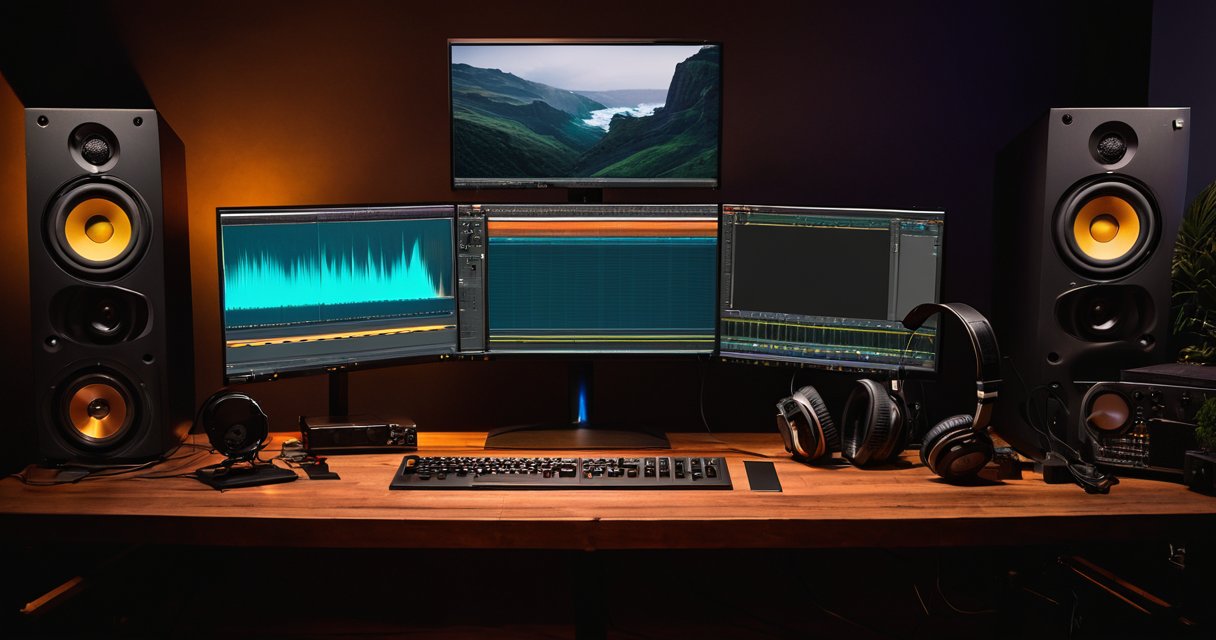
Proficiency with game audio software is equally critical. Industry-standard digital audio workstations (DAWs) like Pro Tools, Ableton Live, and Reaper serve as essential environments where sound designers and composers craft their work. Additionally, specialized middleware tools such as Wwise and FMOD are invaluable for implementing adaptive audio that responds dynamically to gameplay. Mastering these tools not only improves workflow efficiency but also allows for innovative sound integration that enhances player immersion.
Beyond software, game audio professionals rely heavily on sound editing tools that streamline the creation and refinement of audio assets. These include plugins for effects processing, noise reduction, and spectral editing, which enable precise manipulation of sound elements. Familiarity with tools like iZotope RX and various virtual instruments further broadens an audio professional’s palette. Combining these sound editing tools with foundational audio engineering skills empowers creators to produce clear, compelling audio that complements visuals and game mechanics.
Another essential skill is an understanding of interactive audio principles — recognizing how sounds evolve and respond to player input and game states. This requires collaboration skills and the ability to communicate effectively with game developers and programmers, ensuring the audio fits cohesively within the overall gaming experience. Keeping up to date with emerging trends and technologies in game audio software and tools is also vital, as the industry continues to evolve rapidly.
In summary, excelling as a game audio professional demands a comprehensive toolkit that includes robust audio engineering skills, mastery of game audio software, and advanced sound editing tools. Combined with creativity and teamwork, these competencies form the backbone of a rewarding career in the game audio landscape.

I’ve been playing video games since I was a kid, and that passion naturally led me to explore how they’re made. I love diving into game design concepts and sharing insights with fellow enthusiasts. When I’m not testing new titles, I’m tinkering with Unity and learning new programming tricks.