

Launching an indie game is an exciting journey that requires careful planning and execution. The world of indie game publishing offers developers a chance to bring their unique visions to life without the constraints often found in traditional publishing. To successfully navigate this process, it is essential to understand the steps involved in indie game publishing. This article outlines the key stages from initial concept to post-launch strategies, ensuring your game reaches its intended audience effectively.
Understanding the Market and Audience
Before diving into the development of your game, it’s crucial to conduct thorough market research. Understanding the current trends in the gaming industry and identifying your target audience can significantly impact your game’s success. Analyze similar games in your genre, study their strengths and weaknesses, and take note of player feedback. This will help you identify gaps in the market that your game can fill, thus enhancing your position in the competitive landscape of indie game publishing.
Your audience’s preferences will guide many decisions, from gameplay mechanics to visual style. Engage with potential players through forums, social media, and gaming communities. This dialogue can provide invaluable insights into what players are looking for, allowing you to tailor your game to meet their expectations and desires.
Developing Your Game Concept
Once you have a clear understanding of your market and audience, it’s time to develop your game concept. This involves creating a unique game idea that resonates with your target demographic. Focus on defining the core gameplay mechanics, story elements, and artistic direction. A well-defined game concept will serve as the foundation for your development process.
Choosing the Right Development Tools
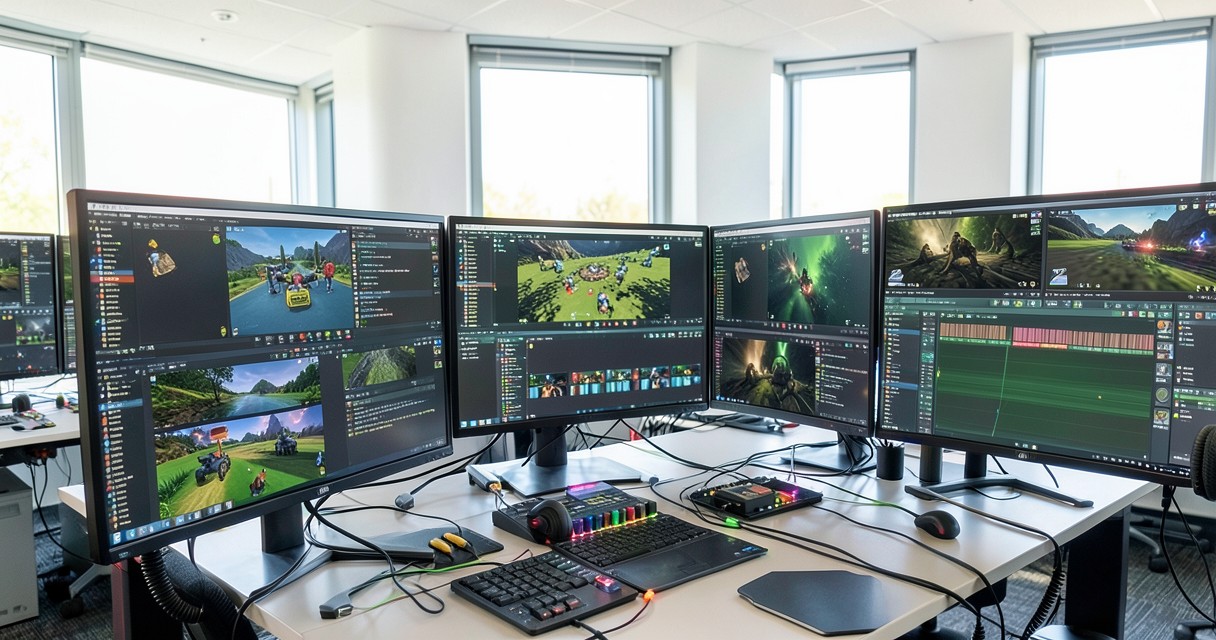
The tools you choose for game development can significantly influence the quality and efficiency of your project. There are various game engines available, each with its own set of features and capabilities. Popular options include Unity, Unreal Engine, and Godot, which cater to different skill levels and project types. Selecting the right engine is a critical step in indie game publishing as it can affect your game’s performance and scalability.
Building a Development Team
While some indie developers work solo, building a small team can significantly enhance your project’s quality and efficiency. Look for individuals who share your vision and possess complementary skills, such as programming, art, sound design, and marketing. Collaborating with others can bring fresh ideas and perspectives, ultimately leading to a more polished final product.
Creating a Marketing Strategy
Effective marketing is essential for the success of your indie game. Start building your game’s presence early in the development process. Create a website and utilize social media platforms to share updates, artwork, and gameplay footage. Engaging with your audience through regular content can help generate interest and excitement leading up to your launch.
Selecting Distribution Platforms
Choosing the right distribution platforms is a vital aspect of indie game publishing. Different platforms have varying requirements, audience demographics, and revenue-sharing models. Popular platforms include Steam, itch.io, and the Epic Games Store, each offering unique advantages and challenges. Research these platforms to determine which aligns best with your game and target audience.

Post-Launch Support and Community Engagement
The launch of your indie game is just the beginning. Post-launch support is crucial for maintaining player engagement and satisfaction. Be prepared to address any bugs or issues that players encounter and consider implementing updates based on community feedback. This responsiveness can foster a loyal player base and encourage word-of-mouth marketing.

I’ve been playing video games since I was a kid, and that passion naturally led me to explore how they’re made. I love diving into game design concepts and sharing insights with fellow enthusiasts. When I’m not testing new titles, I’m tinkering with Unity and learning new programming tricks.