Overview of Game Artist Responsibilities
A game artist plays a crucial role in the game design and development process, bringing creative visions to life through visual storytelling. Their primary responsibility is to create the artwork that shapes the look and feel of the game, including characters, environments, textures, and user interface elements. Within the game artist role, there is a strong emphasis on collaboration with other team members such as game designers, programmers, and animators to ensure that the visual assets align seamlessly with the overall game mechanics and narrative.
Game art responsibilities begin with conceptualizing and sketching initial designs, which set the tone for the game’s aesthetic style. After these concepts are approved, game artists develop detailed 2D or 3D assets that are optimized for gameplay performance while maintaining high visual quality. Another key aspect of the game artist role is to adapt and refine artwork based on technical requirements and feedback from testing phases, which helps deliver a polished final product.
Additionally, game artists must stay current with industry trends and advances in technology to incorporate innovative techniques and tools into their workflow. This ongoing learning helps enhance creativity and efficiency within the game art responsibilities. Ultimately, the game artist overview reveals a profession that requires both artistic talent and technical skills, as these professionals bridge the gap between imaginative designs and the interactive world of the game.
In summary, a game artist’s role encompasses a wide range of responsibilities from initial concept art to final asset creation, all centered around delivering visually compelling and immersive experiences. Their contributions significantly impact the player’s engagement and enjoyment, making them indispensable members of the game development team.
Concept Art and Visual Development
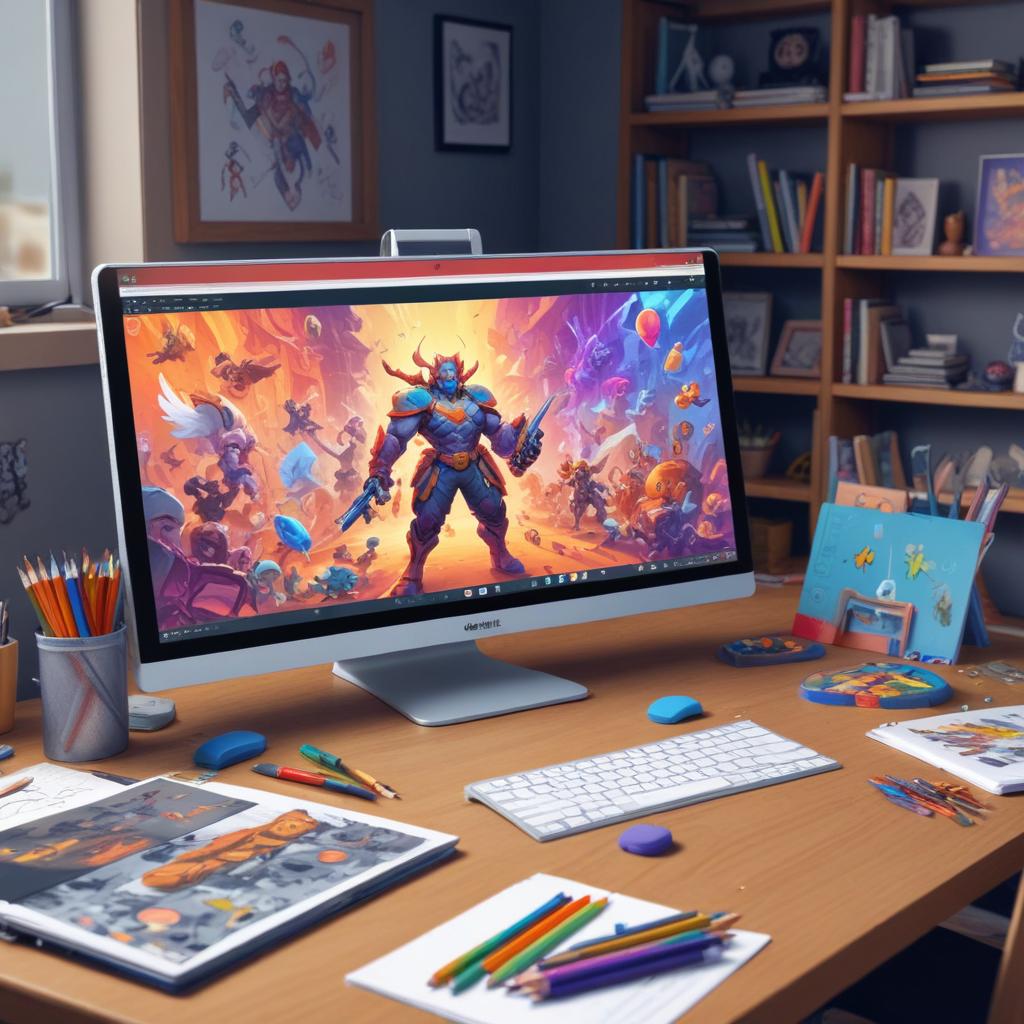
Concept art and visual development are crucial stages in the game creation process, where game artists lay the foundation for the game’s overall aesthetic and atmosphere. By designing detailed concept art, artists provide a clear vision of characters, environments, props, and other visual elements before the actual production begins. This early artistic direction ensures that the game’s look and feel align with the intended story and gameplay experience.
Game artists work closely with the art direction team to develop visual styles that support the game’s narrative and engage players emotionally. Through iterative sketches and digital paintings, they explore various artistic approaches, refining color palettes, lighting schemes, and design motifs to achieve a cohesive and immersive world. These concept pieces serve as blueprints for 3D modelers, animators, and texture artists to follow.
Visual development goes beyond static images and includes crafting mood boards, environmental layouts, and user interface elements that together shape the gameplay experience. The collaborative process ensures that every visual component harmonizes with the game aesthetics to create an engaging, memorable world. Ultimately, the concept art and visual development tasks are pivotal in setting the tone, style, and visual identity that define the game.
3D Modeling and Texturing
The process of creating 3D models and texturing is a fundamental responsibility of a game artist, essential to bring the visual elements of a game to life. It begins with 3D modeling, where artists construct the digital skeleton of characters, props, and environment art using specialized software. This phase involves shaping the geometry to form detailed and accurate representations of the game’s assets, ensuring they fit the artistic style and technical requirements of the project.
Once the 3D model is created, the texturing process adds depth and realism by applying detailed surface qualities. Texturing involves painting or mapping images onto the model’s surface, giving it color, patterns, and material properties such as metal, wood, or fabric. For character design, textures reveal skin tone, clothing details, and facial features, enhancing the personality and immersion. Similarly, props and environment art receive careful texturing to mimic real-world materials, contributing to the game’s atmosphere and storytelling.
Throughout the process, game artists must balance visual quality with performance constraints, optimizing models and textures to run efficiently within the game’s engine. Attention to detail in this phase ensures that every character, prop, and environment element looks cohesive and believable, supporting the overall gameplay experience and artistic vision.
Collaboration and Workflow in Game Art Production
In the fast-paced environment of game development, effective game art collaboration is essential for creating cohesive and visually stunning products. Game artists don’t work in isolation; they must seamlessly integrate with other departments such as design, programming, and production to align on the project’s vision and technical requirements. This cross-departmental synergy not only ensures that artwork fits gameplay mechanics and storytelling but also fosters innovation by combining diverse perspectives.
The team workflow in game art production typically involves a structured process that begins with concept art and extends through modeling, texturing, animation, and finally integration into the game engine. Game artists collaborate closely with game designers to understand the narrative and look-and-feel goals, and with programmers to ensure art assets are optimized for performance and compatibility. Regular communication and feedback loops are established via daily stand-ups, design reviews, and milestone checkpoints, enabling artists to iterate rapidly and meet evolving project demands.
Managing art production workflows requires game artists to be highly organized and adaptable. Tools such as project management software, version control systems, and asset databases help streamline their tasks by facilitating asset tracking, revision history, and clear documentation. This organization is crucial to avoid bottlenecks and ensure timely delivery of art assets that meticulously match the game’s technical specifications and artistic direction. Furthermore, artists often synchronize their work with sound designers, animators, and writers to maintain a unified game world experience.
Moreover, collaboration in the game development process extends beyond the immediate art team, involving producers and quality assurance teams who provide critical insights and ensure the art meets production standards and user expectations. By fostering transparent, collaborative environments and aligning goals across departments, game art teams can efficiently manage their workflow, tackle challenges proactively, and contribute significantly to the success of the game.
Working with Game Designers and Developers
Collaboration between game artists, game designers, and game developers is essential to creating a cohesive and immersive gaming experience. Game artists work closely with game designers to understand the visual requirements and artistic direction that will bring the game’s concept to life, ensuring that every artistic element supports the planned gameplay and story. Regular communication and feedback loops with game developers allow artists to align their visuals with functional game mechanics, optimizing both aesthetics and performance.
This team collaboration involves frequent discussions to balance creative vision with technical feasibility. Game designers provide the framework and mechanics, while game artists contribute by designing characters, environments, user interfaces, and animations that enhance the narrative and user engagement. Meanwhile, developers provide input on how to implement these artistic assets within game engines and optimize them for smooth gameplay. This seamless integration of art and development ensures that the final product is visually stunning and technically sound.
Throughout development, game artists iterate on their work based on feedback from designers and developers, refining visual elements to better fit the game’s evolving requirements. This collaborative dynamic fosters innovation and problem-solving, enabling the team to overcome challenges and deliver a polished game that meets both artistic standards and functional goals. Ultimately, successful interaction between game artists, game designers, and developers is key to producing engaging games where visuals and gameplay harmonize perfectly.
Using Art Tools and Software
Game artists rely heavily on a variety of art tools and software to bring their creative visions to life. These digital art tools are essential for designing, modeling, texturing, animating, and integrating game assets seamlessly into the development pipeline. Some of the most popular game art software includes Adobe Photoshop and Illustrator, which are widely used for creating detailed 2D artwork and textures.
For 3D asset creation, artists typically turn to software like Autodesk Maya, Blender, and 3ds Max. These programs provide powerful tools for modeling, sculpting, rigging, and animating characters and environments. Blender, in particular, is favored for being an open-source tool with robust features covering the entire 3D art pipeline. Additionally, ZBrush is a specialized digital art tool used for intricate sculpting and high-resolution detailing, making it popular among character artists.
Game art software does not stop at creation; integration tools like Substance Painter are crucial for texture painting and material creation, allowing artists to add realistic surface details and effects. Unity and Unreal Engine also serve as platforms where digital art tools mesh directly with game engines to facilitate the placement and optimization of assets, ensuring smooth gameplay experiences.
Mastering these digital art tools empowers game artists to produce high-quality visuals that resonate with players, making them indispensable in modern game development workflows.
Skills and Qualifications Required for Game Artists
To succeed as a game artist, a blend of artistic and technical skills is essential. Game artist skills are not limited to just creating visually appealing characters or environments; they also involve a deep understanding of how these elements interact within a game’s mechanics and storytelling. Developing a strong foundation in both artistic skills and qualifications is crucial for anyone aiming to thrive in this competitive field.
Firstly, artistic skills form the backbone of a game artist’s expertise. This includes proficiency in traditional art techniques such as drawing, painting, and color theory. A keen eye for detail and the ability to visualize concepts creatively are also vital. Game artists must be adept at creating characters, textures, environments, and animations that resonate with the game’s narrative and appeal to the target audience. Mastery of digital art tools, including software like Adobe Photoshop, Illustrator, and 3D modeling programs such as Blender or Maya, is often required.
On the technical side, game artists need to understand the software and hardware limitations within game development. Knowledge of game engines like Unity or Unreal Engine can greatly enhance a game artist’s effectiveness, enabling them to create assets that are optimized and functional within the gaming environment. Familiarity with scripting languages or the ability to collaborate closely with programmers can also be advantageous, facilitating smoother integration of art assets into the game.
Qualifications for game artists typically include a degree or diploma in game design, fine arts, computer graphics, or a related field. However, practical experience and a comprehensive portfolio often hold more weight than formal education alone. Participating in game jams, internships, and collaborative projects can provide invaluable hands-on experience and enhance a game artist’s qualifications.
In addition to technical and artistic prowess, game artists should possess strong communication skills and the ability to work well in a team. Game development is highly collaborative, requiring artists to take feedback constructively and adapt their work accordingly. Being open to continual learning and staying updated on industry trends are also important qualifications that help game artists remain competitive and innovative.
In summary, the essential game artist skills and qualifications are a blend of artistic creativity, technical knowledge, and collaborative abilities. Mastery in both artistic skills and technical competencies, along with relevant qualifications and experience, are key to establishing a successful career as a game artist.
Artistic and Creative Skills
Game artists must possess a strong foundation in artistic and creative skills to bring game worlds to life. Creativity is essential, as it allows artists to develop unique and compelling characters, environments, and visual elements that engage players. Drawing skills are fundamental, providing the ability to sketch concepts, refine character designs, and illustrate detailed scenes with precision and originality.
Understanding color theory is another critical skill for game artists. This knowledge helps artists choose harmonious color palettes that evoke the desired mood and atmosphere within the game’s visuals. Mastery of color theory ensures that the visual elements are balanced, direct player attention effectively, and enhance overall storytelling through color symbolism and contrast.
Visual storytelling is a vital aspect that combines creativity, drawing skills, and color theory. Game artists use these talents to convey narratives and emotions without relying solely on text or dialogue. Through well-crafted imagery, they communicate the story’s essence, setting, and character personalities, enriching the player’s immersive experience. Together, these artistic abilities empower game artists to transform ideas into vivid, dynamic visual experiences that captivate and inspire players around the world.
Technical and Software Proficiency
Game artists must possess strong technical skills to excel in their roles. A deep understanding of 3D software is essential, as it forms the foundation of creating complex models and environments that bring games to life. Mastery of tools such as Blender, Maya, or 3ds Max enables artists to construct detailed characters, objects, and settings accurately and efficiently. Alongside 3D modeling software, familiarity with animation software is crucial for crafting fluid, realistic movements and interactions within the game world.
Software proficiency extends beyond just the basic use of these programs; it requires artists to understand the technical constraints and capabilities of the game engine. This knowledge ensures that creations are optimized for performance without sacrificing visual quality. Additionally, game artists often need to collaborate with programmers and designers, making it important to be comfortable with version control systems and file management workflows that support team collaboration.
Continuous learning and adapting to new software trends and updates are part of maintaining technical skills relevant to the industry. The ability to quickly grasp new tools and techniques not only enhances personal productivity but also contributes to the overall success of the game development process. Therefore, a game artist’s software proficiency is a vital component of their technical skillset, enabling them to produce visually stunning and technically sound game assets.

I’ve been playing video games since I was a kid, and that passion naturally led me to explore how they’re made. I love diving into game design concepts and sharing insights with fellow enthusiasts. When I’m not testing new titles, I’m tinkering with Unity and learning new programming tricks.