Understanding Game Sound Design
sound design in video games plays a significant role in shaping player experience and immersion. It encompasses everything from ambient sounds that create atmosphere to sound effects that enhance gameplay and music that sets the emotional tone. Poor sound design can detract from even the most visually stunning games, making it essential for developers to understand common pitfalls in this critical area. By recognizing and avoiding these mistakes, developers can create a more engaging and memorable gaming experience.
Neglecting the Importance of Sound Effects
One of the most frequent mistakes in game sound design is the underutilization or neglect of sound effects. Many developers focus heavily on music, often overlooking the need for sound effects that enhance interaction and feedback. For instance, the sound of footsteps, gunfire, or environmental sounds can significantly impact how players perceive their surroundings and actions. When these elements are missing or poorly executed, players may feel disconnected from the game world.
To avoid this mistake, developers should prioritize creating a diverse library of sound effects that match the game’s theme and style. This library can include sounds for character actions, environmental interactions, and UI feedback, ensuring that every aspect of player interaction is supported by appropriate audio cues.
Ignoring Audio Mixing and Balancing
A critical aspect of sound design is audio mixing and balancing. Developers often make the mistake of allowing music to overpower sound effects or vice versa. This imbalance can lead to frustrating gameplay experiences where players cannot hear important audio cues, such as enemy movements or alerts. A well-mixed audio environment ensures that all elements are audible and clear, enhancing gameplay and immersion.
To achieve proper mixing, developers should spend time adjusting levels, panning, and equalization. It is advisable to conduct thorough playtesting with varied audio equipment to ensure that the sound design translates well across different systems. This attention to detail can make a significant difference in player satisfaction.
Overusing or Misusing Background Music
Background music is a powerful tool in sound design, but its overuse or inappropriate application can detract from the gaming experience. Developers sometimes opt for continuous music loops that do not match the intensity or mood of the gameplay, leading to a disjointed experience. For example, an action-packed sequence may be accompanied by calm, soothing music, which can confuse players and diminish the impact of the scene.
To create a more cohesive audio experience, developers should tailor music to the game’s pacing and emotional tone. Dynamic music that changes based on gameplay events can create a more immersive atmosphere. Implementing adaptive music systems allows for real-time changes that respond to player actions, increasing engagement and emotional connection.
Neglecting the Role of Spatial Audio
Spatial audio is essential for creating an immersive game environment. However, many developers fail to implement effective spatial sound techniques, leading to a flat audio experience. Without proper spatial audio, players may struggle to determine the direction of sounds, which can be critical in fast-paced or competitive gameplay scenarios.
Investing in spatial audio technology can significantly enhance the player experience. Utilizing 3D audio techniques allows sounds to come from specific directions, making the game world feel more alive. Implementing positional audio can also help players locate enemies or important objects based on sound cues, adding depth and realism to the gameplay.
Forgetting About Accessibility in Sound Design
The importance of Accessibility in game sound design is frequently underestimated. Developers sometimes fail to consider players with hearing impairments or those who may be playing in environments where sound cannot be used effectively. This oversight can alienate a portion of the player base and limit the game’s reach.
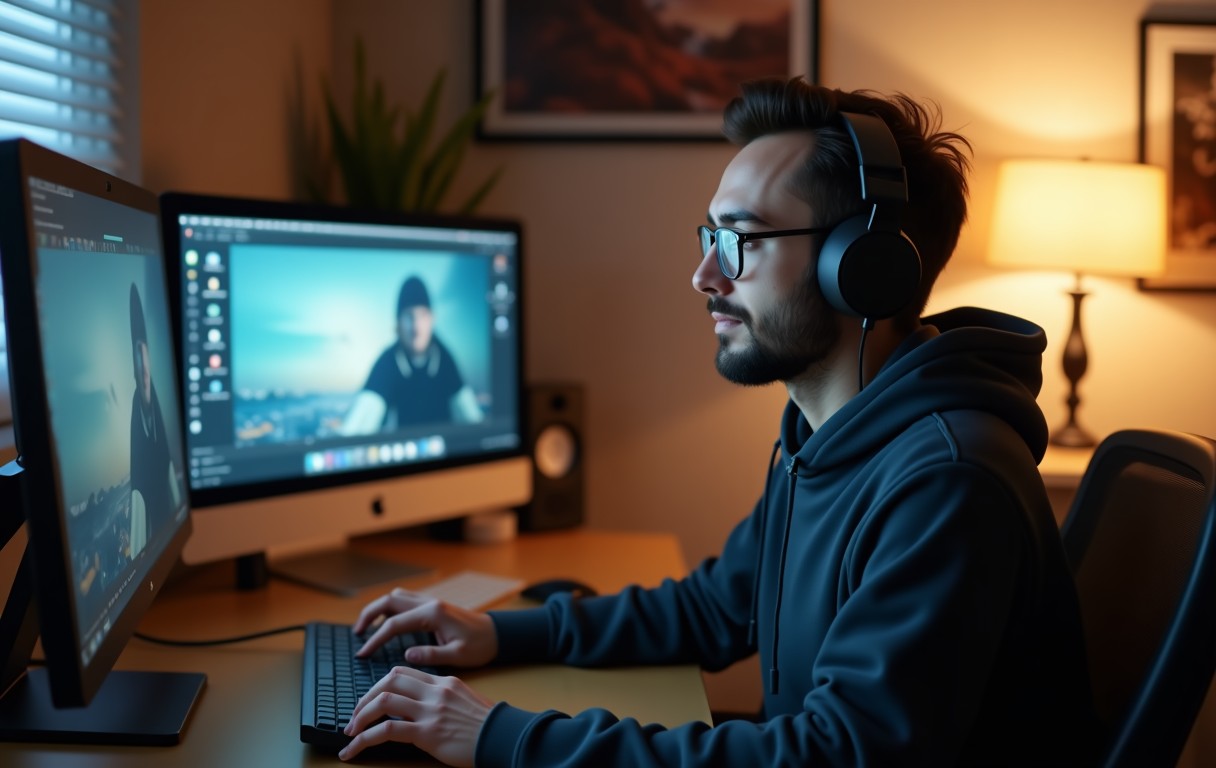
To create an inclusive gaming experience, developers should incorporate visual indicators for critical audio cues or allow players to customize audio settings. Providing subtitles for important dialogue and sound effects can also enhance accessibility. By considering these factors during the sound design process, developers can ensure that their games are enjoyable for all players.
Failing to Iterate Through Playtesting
Sound design is not a one-time task. It requires ongoing iteration and refinement based on player feedback. Many developers make the mistake of finalizing sound elements too early in the development process, without adequate playtesting. This can result in sound design that does not resonate with players or fails to meet their expectations.
Conducting regular playtests and gathering feedback on sound design can provide invaluable insights. Developers should pay attention to how players react to audio elements and make adjustments accordingly. This iterative process can lead to a more polished and engaging audio experience that enhances overall gameplay.
Conclusion: Embracing Sound Design Best Practices
Sound design is a complex and multifaceted aspect of game development that requires careful consideration and expertise. By avoiding common mistakes such as neglecting sound effects, misbalancing audio, misusing background music, overlooking spatial audio, failing to prioritize accessibility, and not iterating through playtesting, developers can create a more immersive and enjoyable gaming experience. Embracing sound design best practices not only enhances the quality of the game but also deepens the emotional connection players have with the game world.

I’ve been playing video games since I was a kid, and that passion naturally led me to explore how they’re made. I love diving into game design concepts and sharing insights with fellow enthusiasts. When I’m not testing new titles, I’m tinkering with Unity and learning new programming tricks.