

Understanding Time Management in Game Jams
Effective time management is crucial in the fast-paced environment of game jams, where participants face tight deadlines and high productivity demands. Unlike traditional game development, game jams typically last anywhere from 24 to 72 hours, requiring teams to work under intense pressure. This condensed timeframe makes managing time not just a helpful skill but a vital necessity to ensure project completion and quality.
One of the primary challenges in game jams is balancing creativity with efficiency. Participants must quickly brainstorm, design, code, test, and polish their games. Without a well-structured plan, valuable hours can be lost to indecision or redundant tasks. Effective time management helps in setting realistic goals, prioritizing core features, and allocating resources efficiently to different phases of development.
A critical aspect of managing time during game jams is understanding and adapting to the strict deadline. Since the deadline is non-negotiable, participants must be adept at breaking down their workflow into manageable chunks, estimating task durations accurately, and regularly reassessing progress. This flexibility allows teams to pivot focus onto the most impactful elements of their game without wasting time on less essential details.
Additionally, productivity in game jams is often hindered by fatigue and burnout due to long hours and high stress. Efficient time management involves setting short breaks and rotating tasks to maintain mental clarity and sustained energy levels. It also means being realistic about what can be achieved, avoiding feature creep, and maintaining team communication to resolve issues quickly.
In summary, mastering time management tailored to the unique demands of game jams can make the difference between a completed, polished game and an unfinished project. By focusing on structured planning, adaptability to deadlines, and maintaining productivity, participants can maximize their creative output and enjoy the exhilarating challenge that game jams offer.
Common Time Management Challenges
One of the most significant challenges in time management during game jams is dealing with tight deadlines. These events typically span a very short period, often 24 to 72 hours, which forces participants to work quickly and efficiently. The pressure to complete a playable game within such constraints can lead to stress and sometimes burnout, making it difficult to maintain a productive pace throughout the event.
Task overload is another common issue faced by game jam participants. With multiple aspects to handle — including game design, coding, art creation, sound design, and testing — it’s easy to become overwhelmed. Without careful planning and effective delegation, important tasks can be neglected, or too much time can be spent on less critical features, jeopardizing the overall quality and completion of the project.
Maintaining focus under pressure is crucial but challenging. Distractions, fatigue, and the stress of imminent deadlines can easily disrupt concentration. Staying organized and sticking to a clear plan can help reduce anxiety and keep the team on track. Prioritizing tasks and breaking down goals into manageable chunks allows for steady progress, reducing the feeling of being overwhelmed.
Effective time management in game jams demands balancing these challenges: meeting strict deadlines, managing a heavy workload, and sustaining focus despite stress. Developing strategies to handle these common obstacles can significantly improve the chances of successfully completing a game within the limited timeframe.
Benefits of Effective Time Management
Effective time management during game jams plays a crucial role in enhancing the overall efficiency and productivity of participants. When time is allocated wisely, teams can focus on the essential tasks without unnecessary distractions or delays. This streamlined approach not only boosts work output but also allows developers to address challenges promptly and effectively.
Moreover, managing time well directly influences the quality of the final project. By pacing the development process, teams have the opportunity to refine their ideas, test gameplay thoroughly, and fix bugs. This results in a more polished and engaging game that stands out in a competitive environment. The careful balance of time also ensures that creativity is not sacrificed for speed, allowing for innovative and thoughtful game design.
Another significant benefit of effective time management is the increased satisfaction among participants. When deadlines are respected and tasks are clearly organized, stress levels drop, and collaboration improves. Participants feel more accomplished and motivated, which fosters a positive atmosphere throughout the game jam. Success in meeting goals within the limited timeframe greatly contributes to a fulfilling experience for all involved.
Practical Strategies for Managing Time During Game Jams

Effective time management during game jams is crucial to ensure productive and successful outcomes. One of the best strategies to optimize your time is through proper planning. Start by breaking down the entire project into smaller, manageable tasks. This will give you clear visibility of what needs to be done and help avoid feeling overwhelmed.
Prioritization is another key strategy. Identify the most important and time-sensitive tasks first, focusing on core game mechanics, essential asset creation, and critical bug fixes. Use methods like the Eisenhower Matrix to categorize tasks into urgent, important, and less critical. Prioritizing helps ensure that the most impactful work gets done even if time runs short.
Time blocking is an effective technique to safeguard dedicated periods for specific tasks. By allocating fixed time slots for coding, designing, testing, and breaks, you reduce distractions and increase focus. Use timers or apps to commit to these blocks, helping to maintain a structured rhythm throughout the game jam.
In addition, maintain an evolving schedule that adapts to your progress and obstacles encountered. Review your plan periodically and adjust time allocations as needed. Flexibility in scheduling allows you to respond to unexpected challenges without derailing the whole project timeline.
Combining these strategies—planning, prioritization, time blocking, and effective scheduling—creates a powerful framework to optimize your time usage. This approach not only enhances productivity but also improves the quality of the game you develop. Remember, the goal is to work smarter, not just harder, within the limited time of a game jam.
Task Prioritization and Scope Management
In the fast-paced environment of a game jam, effective prioritization and scope management are essential. Focusing on the most critical tasks ensures your limited time is used wisely and your project’s goals remain achievable.
Here are key strategies to identify essential features and keep the scope manageable:
- Define the MVP (Minimum Viable Product): Start by outlining the core gameplay mechanics and features that your game cannot do without. The MVP represents the smallest set of functionalities that deliver a complete and enjoyable experience.
- Rank tasks by priority: After identifying the MVP, list all tasks and features, then prioritize them based on their impact on player experience and feasibility within the time frame.
- Limit the scope: Be realistic about what can be completed by choosing to implement only the high-priority features. Avoid adding nice-to-have elements that could delay the core experience.
- Focus on incremental progress: Break down larger features into smaller, manageable tasks that can be completed step-by-step. This helps maintain momentum and ensures steady progress.
- Regularly reassess priorities: As development progresses, revisit your task list to re-prioritize based on current progress, challenges encountered, and shifts in team capacity.
By mastering prioritization and scope control, teams can achieve a balanced workflow that maximizes focus on delivering a polished and enjoyable game within the game jam’s strict time limits.
Using Time Blocking and Breaks
Time blocking is an effective strategy to maintain focus and enhance productivity during intense game jam sessions. By dividing your work into dedicated blocks of time, you create a structured schedule that allocates specific periods for coding, design, testing, and other tasks. This approach minimizes distractions and helps you concentrate deeply on one task at a time.
Incorporating scheduled breaks within your time blocks is equally important for energy management. Short breaks between focused work sessions give your brain a chance to rest and recharge, preventing mental fatigue and burnout. For example, following the Pomodoro Technique—working for 25 minutes then taking a 5-minute break—can keep your attention sharp and your stamina sustained throughout the jam.
Effective breaks involve stepping away from your screen, stretching, hydrating, or taking a brief walk. These activities restore your energy levels and improve overall well-being, enabling you to return to your work with renewed focus. Regularly scheduled breaks also help in managing stress, which is crucial during the high-pressure environment of a game jam.
By combining time blocking with strategic breaks, you optimize both your focus and energy management. This balance allows you to work intensely without burning out, ultimately enhancing the quality of your contributions and the enjoyment of the game jam experience.
Tools and Techniques for Time Tracking
Effective time tracking is essential during game jams to ensure productivity and keep the project on schedule. Various tools and productivity apps can assist developers and teams in monitoring how they spend their time and optimizing their workflow. Applications like Toggl Track and RescueTime offer detailed insights into the hours devoted to different tasks, helping users identify time sinks and improve focus.
For teams, tools such as Clockify and Harvest provide collaborative time tracking features, allowing members to log their hours and managers to monitor progress collectively. These apps encourage transparency and accountability, which are vital during the rapid development cycles of game jams.
Additionally, integrating time tracking with project management platforms like Trello, Asana, or Jira can streamline task monitoring and enhance overall productivity. Pomodoro timers, such as Focus Booster or Pomodone, are also popular for maintaining concentration by breaking work periods into manageable intervals with regular breaks, preventing burnout during intense sessions.
Ultimately, selecting the right tools for monitoring and optimizing time usage depends on personal or team preferences and the specific demands of the game jam. Yet, consistently tracking time and reviewing the data can lead to better time management and more successful game development outcomes.
Team Coordination and Communication for Effective Time Use
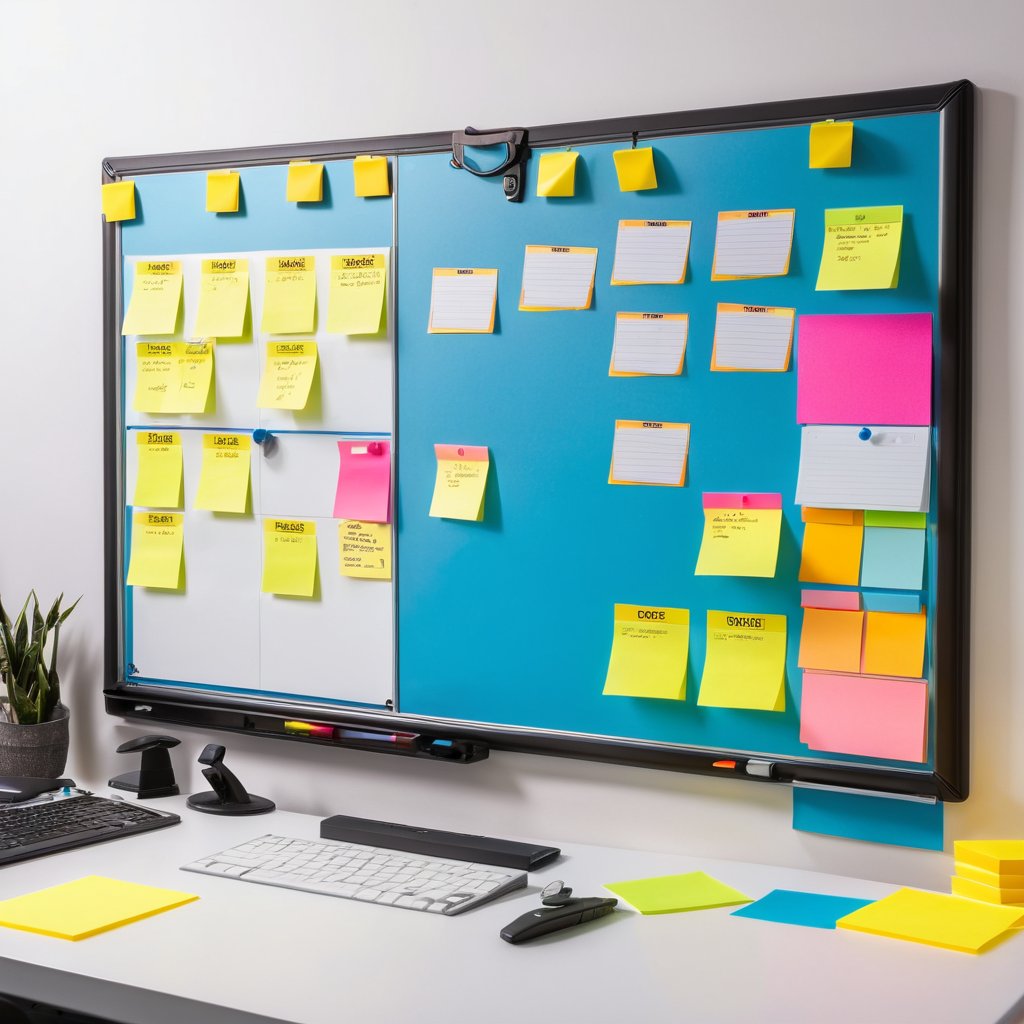
In the fast-paced environment of game jams, effective teamwork is essential to maximize time efficiency and achieve successful project outcomes. Good communication and coordination among team members create a structured workflow that prevents misunderstandings and redundant efforts. When everyone is on the same page, tasks are clearly allocated, deadlines are met, and the overall process flows smoothly.
Teamwork in game jams goes beyond just sharing responsibilities; it requires continuous collaboration where members actively engage, share ideas, and provide constructive feedback. This dynamic communication fosters a positive environment and ensures that potential issues are identified and resolved promptly, saving valuable time and avoiding bottlenecks. Moreover, open channels of communication enable quick decisions and adaptability—critical traits when working under tight time constraints.
Coordination tools and strategies, such as task boards or scheduled check-ins, help synchronize efforts and keep everyone informed about progress and challenges. These practices reduce overlaps in work and help prioritize essential tasks, allowing the team to focus on what truly matters. By aligning individual efforts with the collective goal, the team enhances both productivity and morale, ultimately improving the quality of the game within limited time frames.
Furthermore, effective communication encourages a culture of transparency and trust. Team members feel empowered to share their workload challenges or suggest improvements, which enhances collaboration and prevents burnout. When communication is clear and respectful, conflicts are minimized, allowing the team to dedicate their energy fully to development and creative problem-solving.
In summary, the synergy between teamwork, communication, and coordination is pivotal to managing time efficiently in game jams. By establishing robust communication practices and maintaining close coordination, teams can optimize their collective time use, navigate the rapid pace of game development, and deliver cohesive, polished projects that reflect their combined efforts.
Assigning Roles and Responsibilities
Clear role assignment within a team is essential for maximizing efficiency during a game jam. When every member understands their specific team roles and responsibilities, coordination becomes smoother, and the chances of duplicating efforts or experiencing confusion drastically decrease. This clarity empowers each participant to focus on their designated tasks without unnecessary interruptions or overlap, which can otherwise waste valuable time and hinder progress.
Defining responsibilities helps establish accountability, ensuring all critical aspects of the project are addressed promptly. It also fosters better communication as team members know exactly whom to approach for updates or assistance related to their areas of expertise. With well-defined roles, the team functions like a cohesive unit, enhancing workflow and accelerating development speed.
Moreover, role assignment allows for optimal use of individual skills, aligning tasks with members’ strengths. This strategic distribution not only improves the quality of work but also boosts morale by giving team members a clear sense of purpose and ownership. In the high-pressure environment of a game jam, where every minute counts, these benefits are crucial to achieving the best possible outcome efficiently.
Ultimately, clearly defining who is responsible for what reduces misunderstandings and time lost in juggling or redoing tasks. It ensures the team moves forward in a coordinated and efficient manner, making the difference between a chaotic experience and a successful, well-managed project.
Regular Check-Ins and Status Updates
Scheduling regular check-ins and providing frequent updates are essential practices for effective time management during game jams. These syncs ensure that all team members stay aligned on project goals, current tasks, and any challenges that may arise. By maintaining consistent communication, the team can quickly identify potential roadblocks and adjust plans accordingly to stay on track.
Progress tracking through these updates allows everyone to be aware of what has been completed and what still needs attention. This transparency fosters accountability and encourages collaboration, making it easier to redistribute work if someone falls behind or encounters difficulties. Regular communication also boosts morale by keeping the team connected and motivated throughout the intense game jam period.
Implementing a routine for check-ins doesn’t need to be time-consuming; even brief meetings or quick status messages can significantly impact the overall workflow. The key is consistency and openness, creating an environment where issues are flagged early and solutions are discussed promptly. This proactive approach helps optimize the use of limited time and resources, ultimately increasing the chances of delivering a polished and complete game within the deadline.

I’ve been playing video games since I was a kid, and that passion naturally led me to explore how they’re made. I love diving into game design concepts and sharing insights with fellow enthusiasts. When I’m not testing new titles, I’m tinkering with Unity and learning new programming tricks.