Introduction to Machine Learning in Sound Design
Machine learning, a subset of artificial intelligence (AI), is revolutionizing many creative fields, and sound design is no exception. At its core, machine learning involves training algorithms to recognize patterns and make decisions based on data without being explicitly programmed for every task. This capability is especially powerful in audio technology, where complex soundscapes and intricate audio details require subtle manipulation and innovative approaches.
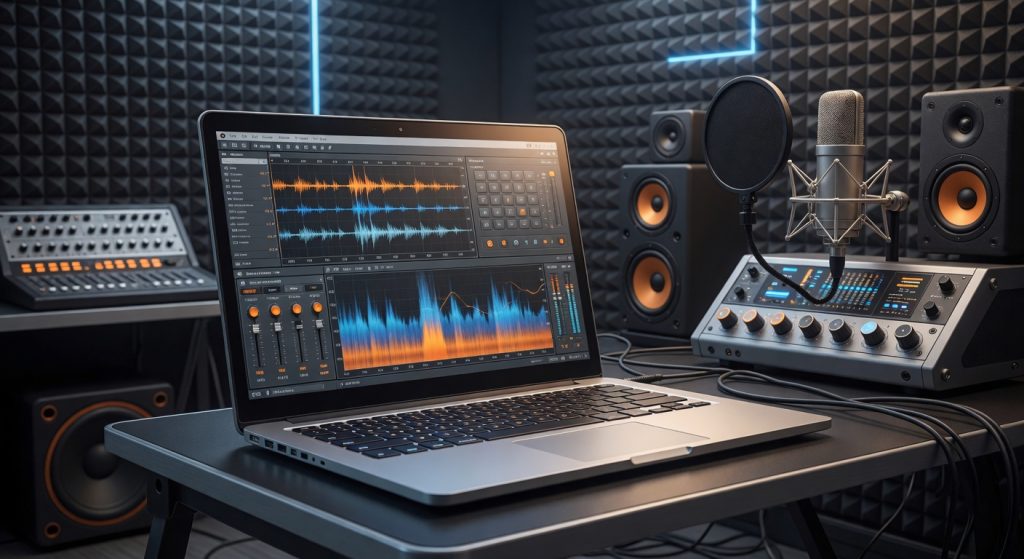
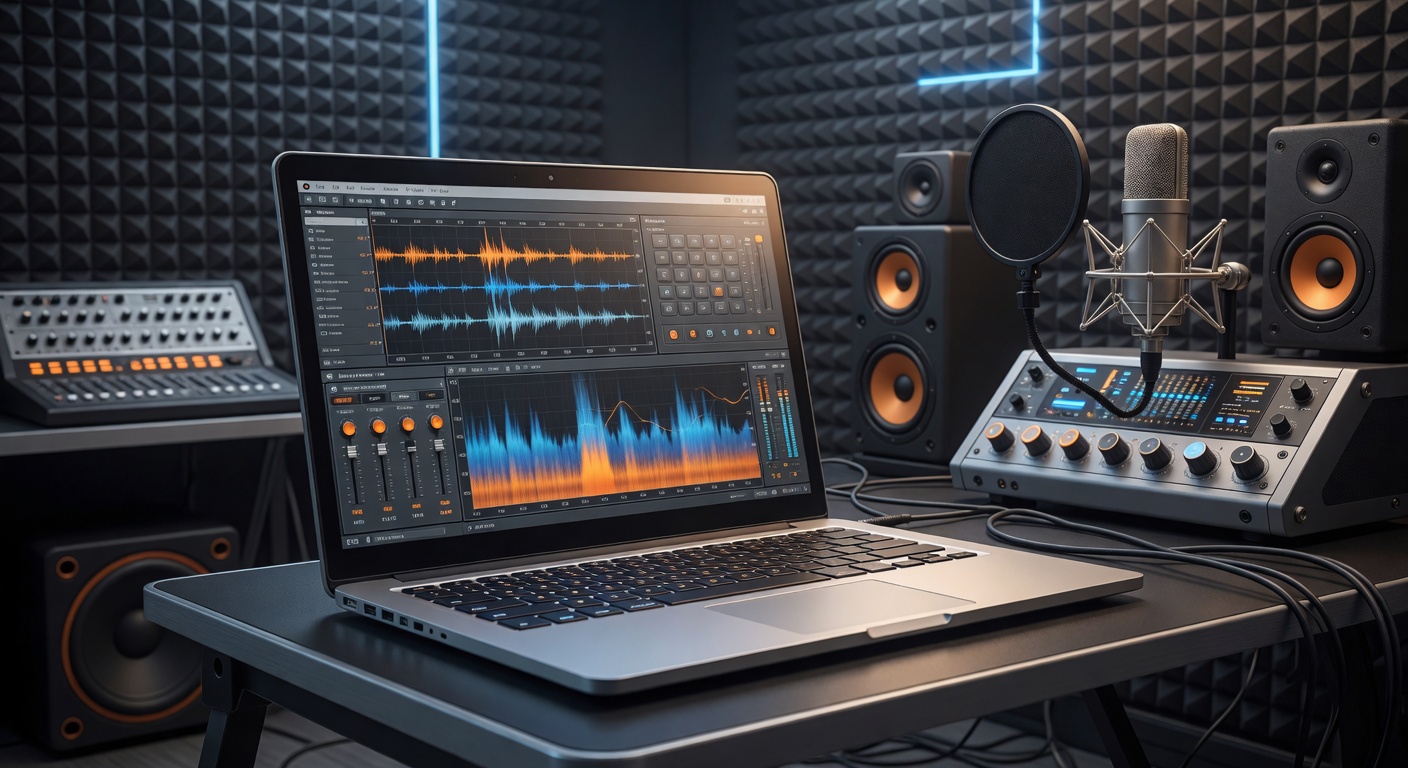
In the context of sound design, machine learning allows audio professionals and enthusiasts to harness AI in audio production processes to achieve results that were once difficult or even impossible. By analyzing vast datasets of sound samples, machine learning models can learn distinct audio characteristics, enabling the generation, enhancement, and transformation of sounds in novel ways. This is transforming how composers, sound engineers, and producers create immersive auditory experiences for music, film, video games, and virtual reality.
One major relevance of machine learning to sound design is in automating tasks that traditionally required extensive manual effort. For example, AI-powered tools can isolate specific sounds within a mix, remove unwanted noise, or even create entirely new audio elements based on learned styles. This not only speeds up the workflow but also opens creative possibilities by introducing unexpected elements and variations generated through AI algorithms.
Furthermore, machine learning models can adapt to user preferences and environmental factors in real-time. This dynamic interaction is particularly advantageous in adaptive audio systems for games and virtual environments, where soundscapes evolve according to player actions and scenarios. Such intelligent audio technology enhances immersion and engagement by delivering personalized sound experiences.
With continuous advancements in machine learning techniques, the integration of AI in audio is expanding rapidly. From deep learning models that synthesize realistic instrument sounds to neural networks that master audio mixing and mastering, AI is becoming an indispensable tool in modern sound design. Understanding these basics highlights the transformative impact machine learning has on audio technology and sets the stage for exploring more advanced applications in the field.
What is Machine Learning?
Machine learning is a branch of artificial intelligence (AI) that focuses on developing systems that can learn from data and improve their performance over time without being explicitly programmed. At its core, machine learning definition revolves around the ability of computers to recognize patterns, make decisions, and adapt based on experience. This concept forms the foundation of many AI basics, enabling applications in various fields including audio and sound design.
Learning algorithms are the backbone of machine learning, classified mainly into supervised, unsupervised, and reinforcement learning. In supervised learning, models are trained using labeled data, which means the algorithm learns to map inputs to known outputs. This approach is useful in audio applications such as speech recognition and music classification, where the system is trained with annotated sound files.
Unsupervised learning deals with data that has no labels, finding hidden patterns or intrinsic structures. This method can be applied to sound design for tasks like audio segmentation or clustering different sound types, helping to organize large sound libraries. Reinforcement learning involves systems learning through interactions and rewards, which can be explored in adaptive audio environments or games where sound behavior changes based on player actions.
In summary, understanding these learning algorithms within the framework of AI basics is essential for harnessing the power of machine learning in sound design, making it possible to create smarter, more responsive audio systems.
The Role of AI in Modern Sound Design
AI sound design is revolutionizing the audio industry by introducing unprecedented levels of audio innovation and efficiency in sound creation. Machine learning algorithms analyze vast datasets of sounds, enabling designers to generate new audio textures and effects that were previously impossible or highly time-consuming to create manually. This automation is transforming modern sound design workflows by streamlining routine tasks, such as audio editing and sound effect generation, allowing creators to focus more on artistic decisions.
The impact of machine learning in sound design extends beyond efficiency. AI-powered tools can learn from previous projects and user preferences, providing tailored sound suggestions and enhancing creativity. Designers can experiment with complex sound variations with minimal effort, pushing the boundaries of conventional soundscapes. This fosters a more explorative and innovative approach to audio production.
Moreover, AI sound design enables real-time adaptive audio experiences in interactive media like video games and virtual reality, where sounds dynamically evolve according to user interactions. This level of interactivity and responsiveness is a direct result of advancements in machine learning impact on sound systems.
In summary, the integration of AI and machine learning is significantly reshaping modern sound design by enhancing productivity, inspiring creativity, and enabling new forms of interactive audio innovation that were previously unattainable.
Applications of Machine Learning in Sound Design
Machine learning has opened up a wide array of sound design applications that revolutionize traditional workflows, making them more efficient and creative. One of the primary machine learning use cases in sound design is audio synthesis. Advanced algorithms can analyze vast datasets of sounds and learn to generate new audio content that mimics real instruments, voices, or entirely new sound textures. This not only speeds up sound creation but also enables designers to explore unique sonic landscapes that were previously difficult or impossible to achieve.
In effect processing, machine learning techniques enhance audio manipulation by providing intelligent, adaptive systems that can automatically adjust parameters or create entirely new effects. For example, dynamic equalization, noise reduction, and reverb tailoring can be optimized through models trained on diverse audio environments. This allows producers and sound designers to quickly apply complex effects with a high degree of precision and creativity without having to manually tweak every parameter.
Sound recognition is another significant area where machine learning plays a pivotal role. Models trained on large sets of labeled audio data can identify and categorize sounds in real time, enabling applications such as automated audio tagging, environmental sound detection, and voice command recognition. This capability supports more interactive and responsive sound design tools, further expanding creative possibilities as well as practical applications like accessibility and audio-based control systems.
Moreover, machine learning-powered audio synthesis and recognition facilitate innovative sound design workflows through generative processes and feedback systems. Using neural networks and deep learning, designers can create evolving soundscapes and textures that react dynamically to input signals or external data, creating immersive auditory experiences. These advancements illustrate how the integration of machine learning into sound design not only enhances traditional techniques but also introduces entirely novel approaches to creating and interacting with sound.
In summary, the diverse sound design applications of machine learning—including audio synthesis, effect processing, and sound recognition—demonstrate the transformative potential of these technologies. By leveraging machine learning use cases, sound designers can unlock new creative horizons and achieve higher levels of precision, efficiency, and interactivity in their work.
Sound Synthesis and Generation
Machine learning models have revolutionized sound synthesis by enabling the creation of generative audio that pushes the boundaries of traditional sound design. These models learn from vast datasets of sounds and music, capturing intricate patterns and relationships to generate new, unique audio textures. ML synthesis allows sound designers to craft evolving soundscapes and innovative timbres that are difficult or impossible to produce with conventional synthesis methods.
In AI music generation, algorithms such as neural networks and generative adversarial networks (GANs) produce novel sounds that can serve as raw material for compositions or enhance existing audio projects. This technology introduces an element of unpredictability and creativity, as the models can combine disparate sound elements into cohesive and expressive audio forms. By leveraging machine learning, artists and producers gain access to an expansive sonic palette, fostering experimentation and the development of new musical genres.
Moreover, ML synthesis tools often include user controls that enable real-time manipulation of generated sounds, offering intuitive workflows for sound design professionals. These AI-powered approaches not only speed up the creative process but also inspire unique artistic expressions, making machine learning a vital component in modern sound synthesis and generative audio production.
Audio Effect Processing and Enhancement
Machine learning has revolutionized audio effects processing by enabling advanced automation and improvement in sound enhancement techniques. Traditional processes like noise reduction and dynamic range compression have become more efficient and effective through ML audio processing algorithms. These AI effects analyze audio signals in real-time, adapting to unique sound environments to minimize unwanted noise without compromising audio quality.
ML audio processing leverages large datasets and neural networks to learn intricate audio patterns, allowing systems to dynamically adjust parameters such as threshold, ratio, and attack/release times in compressors or filters in noise reduction tools. This smart adaptability delivers more natural and consistent results compared to manual adjustments, significantly reducing the need for expert intervention.
Furthermore, machine learning facilitates personalized sound enhancement by customizing effects to specific audio sources, whether it’s speech, music, or ambient sounds. AI effects also enable restoration of damaged or low-quality recordings by intelligently filling in missing audio elements or removing distortions. As a result, sound designers benefit from faster workflows and superior sound quality, pushing the boundaries of what is achievable in modern audio production.
Sound Recognition and Classification
Machine learning models have revolutionized sound recognition and audio classification by enabling precise detection and analysis of diverse soundscapes. In sound design, these technologies identify and categorize sounds through advanced machine learning detection systems that analyze acoustic features such as frequency, amplitude, and temporal patterns. This process allows for efficient sorting and labeling of audio data, facilitating a deeper understanding of sound elements.
The application of machine learning in sound analysis supports numerous creative and technical purposes. Creators leverage these models to automatically classify sound effects and ambient noises, enhancing workflow productivity and enabling more dynamic audio manipulation. Technically, it aids in identifying patterns and anomalies within complex audio inputs, which is invaluable in environments ranging from interactive media to real-time sound monitoring.
By integrating sound recognition capabilities, sound designers can automate the organization of extensive audio libraries, improve sound retrieval accuracy, and optimize the creation of immersive auditory experiences. Furthermore, machine learning’s ability to adapt and improve detection accuracy over time makes it an indispensable tool in evolving sound design practices, ensuring sounds are accurately detected, classified, and utilized.
Challenges and Future Directions of Machine Learning in Sound Design
Integrating machine learning into sound design presents a number of significant challenges. One of the primary machine learning challenges is the complexity of audio data itself. Sound signals are highly variable and multidimensional, making it difficult to train models that can reliably interpret and manipulate audio in creative and contextually appropriate ways. Additionally, machine learning algorithms often require vast amounts of labeled training data to function effectively, which is not always readily available for specialized sound design tasks.
Another limitation of AI in sound design lies in its interpretative nuances. While AI can analyze audio characteristics such as pitch, tempo, and timbre, capturing the emotional and artistic intent behind sound creation remains a challenge. This inherent limitation restricts the extent to which AI can replace human creativity, although it can certainly augment and inspire new directions in audio work.
Computational costs and hardware limitations also pose significant barriers. High-quality sound modeling and real-time audio processing require substantial processing power and low latency systems, which are not yet available in all production environments. As a result, implementing machine learning solutions that are both efficient and accessible continues to be a hurdle for widespread adoption in the sound design community.
Looking toward the future of sound design, the integration of machine learning promises exciting possibilities. Advances in deep learning architectures and neural networks are paving the way for more intuitive and adaptive audio tools capable of learning from smaller datasets and even user feedback in real time. This progress will likely lead to more personalized and context-aware soundscapes that evolve dynamically based on user interaction or environmental input.
Furthermore, future trends in audio innovation future include the convergence of augmented reality (AR) and virtual reality (VR) with machine learning, creating immersive sound environments that respond seamlessly to users’ movements and actions. These advancements could transform how sound designers approach their craft, shifting from static audio elements to fully interactive and evolving sound experiences.
Ultimately, while AI limitations still exist, ongoing research and technological advancements suggest a promising future for machine learning in sound design. By overcoming current challenges, sound designers will be empowered with powerful new tools that enhance creativity, efficiency, and innovation in the audio landscape.
Technical and Creative Challenges
Sound designers venturing into machine learning face a myriad of technical challenges that can impede the creative process. From a technical perspective, the complexity of training data and model accuracy often limits the capacity to generate high-quality audio. Machine learning models require extensive datasets that not only represent diverse soundscapes but also avoid bias and noise, which can degrade output reliability. Additionally, the computational power needed for real-time processing remains a significant hurdle, imposing restrictions on the fluid integration of AI in dynamic sound design workflows.
Creatively, the boundaries of AI audio generate new limitations as well. While machine learning can automate and innovate sound creation, it can inadvertently constrain originality by relying heavily on patterns and data it has already seen. This can lead to repetitive or predictable results, challenging sound designers to push beyond these AI audio boundaries innovatively. Balancing the utilitarian advantages of algorithms with the necessity for artistic expression requires a nuanced understanding of when to trust AI outputs and when human intuition must prevail.
Moreover, the fusion of technical challenges and creative limitations demands interdisciplinary expertise. Sound designers must not only be proficient in audio engineering but also possess a functional understanding of machine learning principles. This dual demand can slow adoption and experimentation, as mastering both domains can be resource-intensive. Navigating these technical challenges while maintaining creative integrity represents the forefront struggle of integrating machine learning into sound design today.
Emerging Trends and Innovations
The future of sound design is being rapidly transformed by future trends in machine learning advancements, ushering in a new era of sound design innovation. Cutting-edge research is pushing the boundaries of what machines can achieve in understanding and manipulating audio. Neural networks and deep learning models are becoming increasingly sophisticated, allowing for real-time sound synthesis and adaptive audio environments that respond intelligently to user interactions.
Emerging technologies such as generative adversarial networks (GANs) are being employed to create highly realistic soundscapes and textures that were previously unimaginable. These advancements enable sound designers to craft unique auditory experiences by harnessing AI to explore vast possibilities of sound transformation, augmentation, and composition. Additionally, advances in natural language processing are facilitating voice-controlled sound design tools, making the creative process more intuitive and accessible.
Another promising trend involves the integration of machine learning with spatial audio and 3D sound technologies, which enhance immersive experiences in virtual and augmented reality. This fusion offers unprecedented opportunities for interactive storytelling and gaming, where dynamic soundscapes evolve in response to the environment and user engagement. As machine learning models continue to evolve, their ability to innovate within sound design will redefine industry standards and open new avenues for artistic expression.

I’ve been playing video games since I was a kid, and that passion naturally led me to explore how they’re made. I love diving into game design concepts and sharing insights with fellow enthusiasts. When I’m not testing new titles, I’m tinkering with Unity and learning new programming tricks.