Understanding Localization in Game Audio
Localization in game audio refers to the process of adapting audio content for different markets and languages while maintaining the original’s emotional and narrative impact. This is a critical aspect of game development, as audio plays a significant role in player immersion and experience. From voice acting and sound effects to music scores, every audio element must resonate with the local culture and language nuances. As gaming expands globally, developers face numerous localization challenges that can affect the overall quality and reception of their games.
Language Nuances and Dialects
One of the primary challenges in audio localization is the intricacies of language itself. Different languages have unique sounds, idioms, and cultural references that may not directly translate. For example, a phrase that works perfectly in English might not have an equivalent in Japanese or Spanish. Additionally, regional dialects can further complicate the process. A voice actor from Spain may not be able to effectively convey the same emotion or meaning for a Latin American audience due to accent and colloquial differences. Developers must consider these factors to ensure that localized audio feels authentic and relatable to the target audience.
Cultural Context and Sensitivity
Game audio localization goes beyond mere translation; it requires a deep understanding of cultural context. Certain sounds or music styles may evoke different emotions in various cultures. For instance, a traditional folk song might resonate well in one region but could be perceived as outdated or irrelevant in another. Additionally, certain audio cues may have different meanings based on cultural interpretations. Developers need to collaborate with local experts to ensure that the audio elements do not unintentionally offend or alienate potential players. This cultural sensitivity is crucial for creating a positive gaming experience across diverse markets.
Technical Limitations and Formats
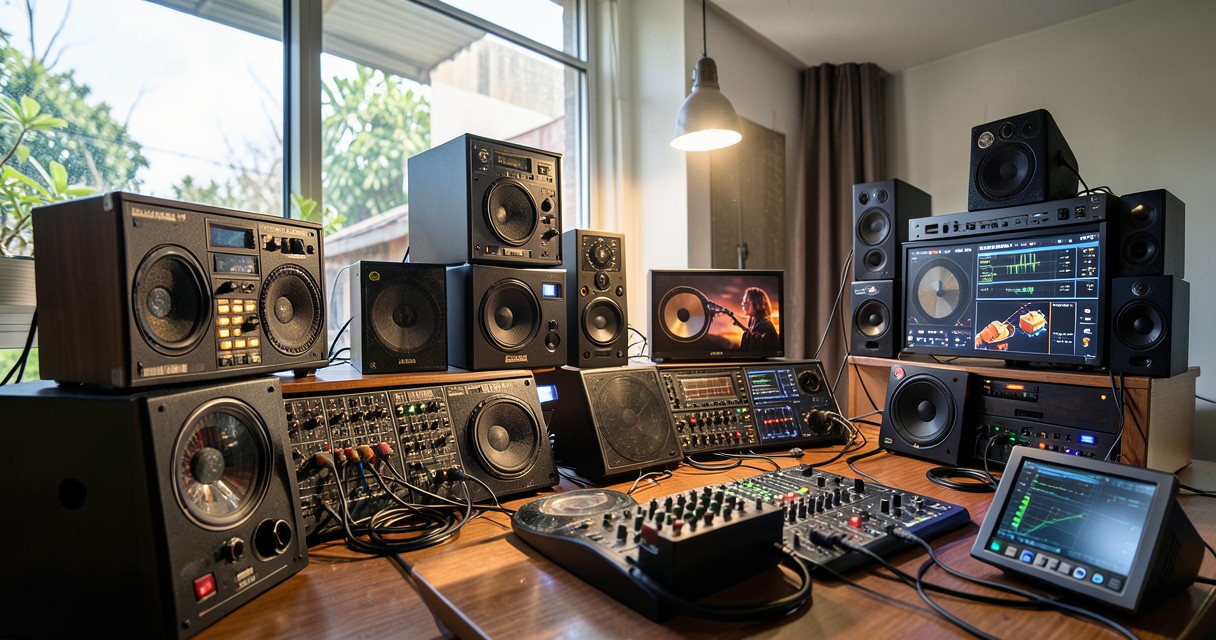
Another significant challenge in audio localization is the technical aspects of sound formats and playback systems. Different regions may utilize various audio hardware and software, which can affect how sound is produced and perceived. For example, spatial audio technology, which enhances immersion by simulating sound in three-dimensional space, requires specific formats and systems to function effectively. If a game is designed for advanced audio systems in one region, it may not translate well to simpler setups in another. Developers must ensure that their audio assets are compatible across different platforms while maintaining high quality.
Voice Acting and Talent Selection
Choosing the right voice talent for localization is a critical component of the process. Voice actors must not only speak the language fluently but also embody the character’s personality and emotions. This requires a careful casting process, often involving auditions and callbacks to find the perfect fit. Moreover, the availability of skilled voice actors can vary significantly by region. While some markets may have a wealth of talent, others may struggle to find suitable candidates. This can lead to compromises in performance quality, which can detract from the overall gaming experience.
Quality Assurance and Testing
Quality assurance (QA) is essential in the audio localization process to ensure that all audio elements function correctly and meet the desired standards. This involves rigorous testing of localized audio in various contexts within the game. Developers must check for synchronization issues, audio quality, and clarity of dialogue. Furthermore, localized content should be evaluated by native speakers who can provide feedback on cultural appropriateness and emotional impact. This level of testing is time-consuming and resource-intensive but is necessary to deliver a polished final product that resonates with the audience.
Budgeting and Resource Allocation
Localization can be a costly endeavor, and budgeting remains a significant hurdle for many game developers. The expenses associated with hiring voice talent, sound engineers, and localization specialists can quickly add up. Smaller studios, in particular, may struggle to allocate sufficient resources for comprehensive audio localization. Developers need to balance their budgets while ensuring high-quality audio that meets localization standards. This often requires strategic planning and prioritization to maximize the impact of audio localization without breaking the bank.

I’ve been playing video games since I was a kid, and that passion naturally led me to explore how they’re made. I love diving into game design concepts and sharing insights with fellow enthusiasts. When I’m not testing new titles, I’m tinkering with Unity and learning new programming tricks.