Audio game design is a fascinating niche within the realm of video game development that focuses on creating immersive auditory experiences for players. Unlike traditional games that rely heavily on visual elements, audio games emphasize sound to convey gameplay mechanics, storytelling, and player interactions. This unique approach not only caters to visually impaired players but also offers a fresh perspective for all gamers seeking a different type of engagement. In this article, we will explore the intricacies of audio game design, its evolution, and how it creates engaging, immersive experiences for players.
The Role of Sound in Game Design
Sound design is a critical component of video games, as it enhances the emotional and narrative layers of gameplay. In audio game design, sound becomes the primary medium through which players interact with the game environment. The use of spatial audio techniques allows players to perceive the location and movement of in-game elements, creating a sense of presence and immersion. For instance, in audio games, players may rely on directional sounds to navigate through spaces, react to opponents, or solve puzzles, making sound an essential gameplay mechanic.
Moreover, the emotional impact of sound cannot be understated. Music, ambiance, and sound effects work together to evoke feelings of tension, joy, or fear. An audio game designer must carefully craft these auditory elements to align with the game’s narrative and enhance the player’s emotional journey. This meticulous attention to sound helps create a compelling atmosphere, drawing players deeper into the experience.
Designing Gameplay Mechanics Around Sound
One of the unique challenges in audio game design is developing gameplay mechanics that rely solely on sound. This often involves creating intuitive systems that allow players to understand and interact with the game world without visual cues. For example, a common mechanic in audio games is the use of distinct sound cues for various actions or events, such as opening doors, picking up items, or encountering enemies. By associating specific sounds with actions, players can quickly learn how to navigate the game using only their auditory senses.
Additionally, feedback through sound is crucial in audio game design. Players need to know when they have successfully completed an action or if they are in danger. Designers often implement auditory feedback that varies in intensity or pitch to signal different states, such as health levels or proximity to threats. This auditory feedback loop not only enhances gameplay but also fosters a more engaging experience as players continuously react to the sounds around them.
Exploring the Evolution of Audio Games
Audio games have a rich history that dates back to the early days of gaming. Initially, these games were designed primarily for visually impaired players, providing an alternative form of entertainment that did not rely on visual stimuli. Over the years, as technology advanced, so did the complexity and sophistication of audio games. Today, audio game design incorporates advanced sound technologies, such as 3D audio and binaural sound, which create lifelike auditory environments.
Modern audio games are not limited to niche markets; they have gained popularity among mainstream gamers as well. Titles like “A Blind Legend” and “The Nightjar” showcase how audio can be used creatively to tell stories and engage players in unique ways. This evolution reflects a broader trend in the gaming industry, where inclusivity and accessibility are becoming increasingly important considerations in game development.
Creating Immersive Narratives Through Sound
Sound plays a pivotal role in storytelling within audio games. Designers often use soundscapes to construct immersive worlds that draw players into the narrative. By layering various sounds, such as environmental noises, character dialogues, and musical scores, developers can create rich auditory landscapes that enhance the story being told. For instance, a game set in a bustling market might feature overlapping conversations, distant music, and the sounds of vendors selling their goods, all contributing to the atmosphere.
Moreover, the narrative can unfold through audio cues. Players may encounter different sound motifs that signify key plot points or character arcs, guiding them through the story without needing visual aids. This method of storytelling not only caters to the auditory senses but also encourages players to pay close attention to the sound design, ensuring a deeper engagement with the game’s narrative.
Accessibility and Inclusivity in Audio Game Design
One of the most significant benefits of audio game design is its potential to create accessible gaming experiences for individuals with visual impairments. By focusing on sound rather than visuals, developers can provide a gaming platform that is inclusive and welcoming to a broader audience. This commitment to accessibility is reflected in the design choices made throughout the development process, from gameplay mechanics to soundscapes.
In addition to catering to visually impaired players, audio games can also appeal to gamers looking for new challenges. The unique gameplay mechanics that rely on sound can offer a refreshing change from traditional gaming experiences. As more developers recognize the importance of inclusivity, the audio game genre is likely to continue expanding, encouraging innovation and creativity in game design.
Technical Aspects of Audio Game Development
Developing an audio game requires a strong understanding of sound design principles and the technical skills to implement them effectively. Audio game designers must be proficient in using software tools for sound editing and mixing, as well as in creating 3D audio environments. This technical expertise allows them to produce high-quality soundscapes that enhance the overall gaming experience.
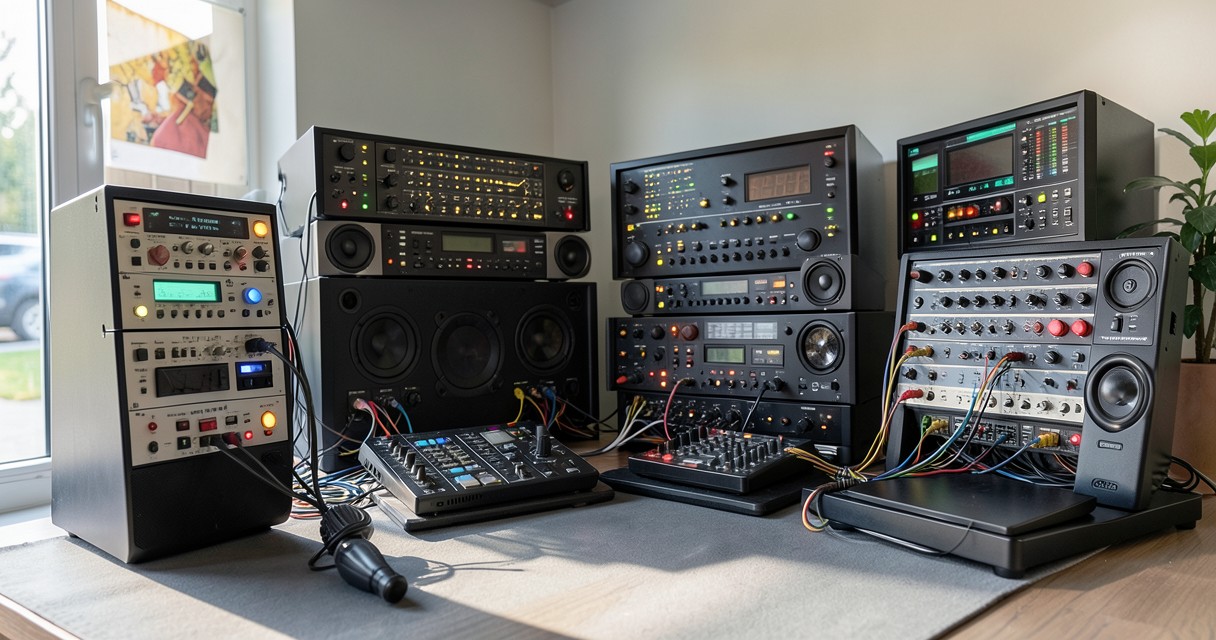
Moreover, collaboration between sound designers, game developers, and narrative writers is essential in audio game design. Each team member brings their expertise to the table, ensuring that the final product is cohesive and engaging. By working together, they can create a game that not only sounds great but also delivers a compelling narrative and gameplay experience.
The Future of Audio Game Design
The future of audio game design looks promising, with advancements in technology paving the way for more innovative experiences. Emerging technologies, such as virtual reality (VR) and augmented reality (AR), offer exciting opportunities for audio games to expand their reach and impact. By integrating sound with immersive environments, developers can create experiences that engage players on multiple sensory levels.
As the gaming industry continues to evolve, the importance of accessibility and inclusivity will drive the development of audio games. With a growing community of players seeking unique auditory experiences, audio game design is poised to become an increasingly significant aspect of video game development. Emphasizing sound as a primary medium for gameplay will not only enhance the experiences of players with disabilities but also attract a wider audience looking for innovative gaming options.

I’ve been playing video games since I was a kid, and that passion naturally led me to explore how they’re made. I love diving into game design concepts and sharing insights with fellow enthusiasts. When I’m not testing new titles, I’m tinkering with Unity and learning new programming tricks.