Introduction to Field Recording for Games
Field recording is the practice of capturing natural and environmental sounds outside of a traditional studio setting, using portable recording equipment. This technique plays a crucial role in game audio design, offering authentic sound sources that enrich the gaming experience. Unlike synthesized or pre-recorded sounds, field recordings provide organic and unique audio elements that help bring virtual worlds to life.
In the realm of game development, sound design is fundamental to creating immersive environments that captivate players. Field recording allows sound designers to gather real-world audio textures—from ambient nature sounds to urban soundscapes, and everything in between—that enhance the atmosphere and emotional tone of a game. This practice not only adds depth to the audio landscape but also supports storytelling by grounding players in believable sound worlds.
By integrating field-recorded sounds, game audio can achieve a level of authenticity and richness that purely digital sound design may lack. For example, the subtle rustling of leaves, distant bird calls, or the echo of footsteps in a cavern can significantly elevate the player’s sense of presence and engagement. These nuanced auditory cues are vital in crafting interactive experiences that feel alive and responsive to player actions.
Moreover, field recording encourages creativity and experimentation within sound design. Game developers can manipulate recorded sounds through layering, editing, and processing to develop unique audio assets tailored to their game’s aesthetic and narrative needs. This combination of natural sound capture and digital refinement results in distinct soundscapes that contribute to the overall quality and memorability of a game.
In conclusion, field recording is indispensable in game audio production. It provides authentic sonic material that supports the immersive qualities of game environments, exemplifies attention to detail, and enhances player experience. As game development continues to evolve, the role of field recording in sound design remains a foundational element for creating engaging and dynamic audio experiences.
What is Field Recording?
Field recording, in the context of game audio, refers to the process of capturing natural and environmental sounds outside the traditional studio setting. It involves the audio capture of authentic soundscapes, objects, and environments to create a rich and immersive experience in video games. This sound collection method is essential for developers who want their game worlds to feel alive and believable, enhancing player engagement through high-quality, realistic audio.
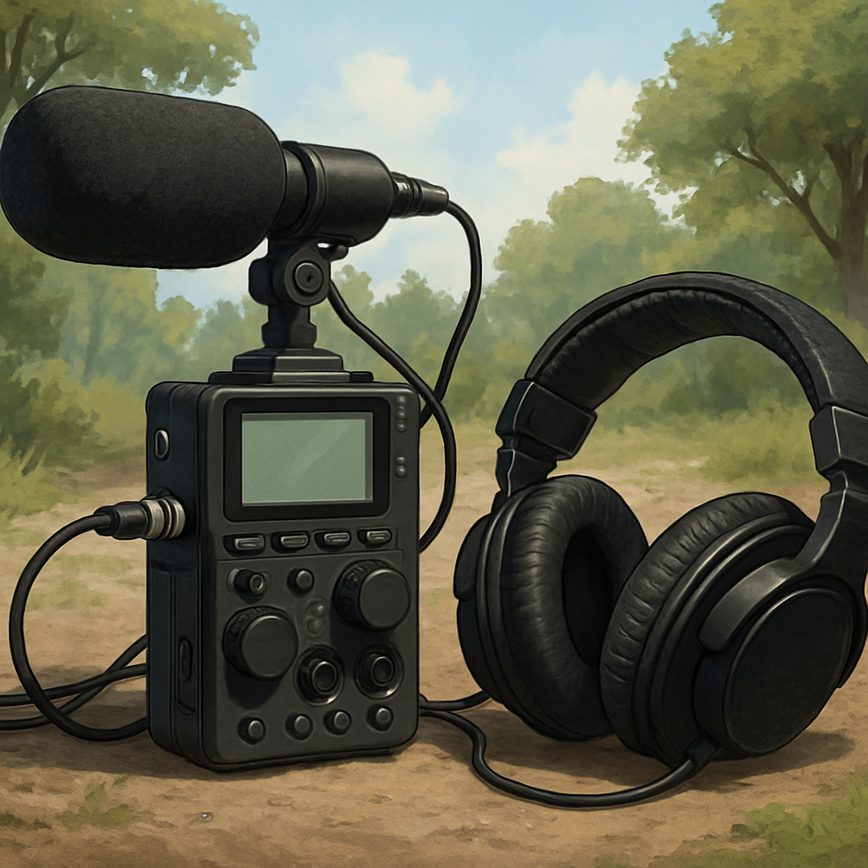
Common methods of field recording for games involve using portable recording devices such as handheld digital recorders, shotgun microphones, and binaural microphones to collect a wide range of sounds. Recordists often venture into various locations—urban environments, forests, industrial sites, or even underwater—to gather unique sound samples. These sounds are then processed and integrated into the game’s audio design to simulate realistic effects like footsteps, environmental ambiance, machinery noises, and other in-game audio cues.
The tools used to capture these sounds usually include high-quality audio recorders capable of handling different acoustic conditions and microphones designed for specific sound capturing needs. Additionally, windshields, booms, and portable audio interfaces may be used to ensure clarity and reduce unwanted background noise. This meticulous sound collection process is what defines field recording and makes it invaluable for creating dynamic and engaging audio experiences in gaming.
Why Field Recording Matters in Games
- Creates realistic sound environments that reflect the true nature of the game world, enhancing audio realism.
- Enhances immersive gaming by providing authentic background noises and environmental sounds, making players feel truly present within the game.
- Supports player experience by adding layers of natural sound that prerecorded or synthesized audio often cannot replicate.
- Enables sound designers to capture unique and subtle audio details, elevating the overall quality and depth of the game’s soundscape.
- Improves spatial awareness for players by using real-world acoustic properties, helping them better navigate and interact within game environments.
- Builds emotional connections through the use of recognizable and relatable sounds that trigger memories and augment storytelling.
- Provides versatility and originality, allowing developers to avoid repetitive or generic sound effects and keep the gaming experience fresh.
- Contributes to the realism needed for various game genres, from intense action to serene exploration, ensuring that audio matches the visual narrative.
Techniques and Equipment for Field Recording
Effective field recording for game audio production hinges on the right recording equipment and well-honed recording techniques. Selecting high-quality microphones, audio interfaces, and portable recorders and mastering best practices ensures the captured sounds are vivid and immersive, enhancing the gaming experience.
The cornerstone of field recording equipment is the choice of microphones. Condenser microphones are often favored for their sensitivity and detailed audio capture, ideal for ambient sounds and subtle game environment effects. Dynamic microphones, with their durability and resistance to loud noise, are valuable for capturing robust, louder sounds, such as explosions or crowd ambience. For game audio specifically, shotgun microphones provide excellent directionality, isolating target sounds while minimizing background noise, making them crucial for clear and precise captures.
Along with microphones, portable recording devices are essential for on-the-go audio capture. Devices with high-resolution bit-depth and sample rates, such as 24-bit/96kHz, ensure superior sound quality. A reliable field recorder with multiple inputs also allows for multi-channel recording, broadening creative possibilities. Some game audio producers also use windshields and shock mounts to minimize unwanted environmental noise and vibrations, significantly improving recording clarity.
Mastering recording techniques is just as critical as having the right gear. Proper placement of microphones relative to the sound source can make a significant difference in audio quality. Experimenting with distance and angles helps capture the most natural or characterful sounds appropriate for game environments. Additionally, monitoring audio levels carefully while recording prevents clipping and distortion, preserving fidelity. It’s best practice to record in lossless formats to retain maximum detail for post-production processing.
Combining these recording techniques with the right microphones and recording equipment enables game audio creators to build rich, authentic soundscapes. The attention to detail in the field recording stage ensures a strong foundation for immersive game audio, contributing to the overall player experience through lifelike and dynamic sound capture.
Choosing the Right Equipment
Selecting the appropriate microphones, portable recorders, and other audio gear is crucial for capturing high-quality field recordings for games. Your field setup will directly impact the clarity and authenticity of the sounds you collect, so investing in reliable equipment tailored to your needs is essential.
| Equipment | Description | Use Case | Tips |
|---|---|---|---|
| Shotgun Microphones | Highly directional mics designed to capture focused sound from a distance while minimizing background noise. | Ideal for recording specific game-related sounds in noisy environments. | Pair with windshields to reduce wind noise during outdoor recordings. |
| Lavalier Microphones | Small, clip-on mics that capture clear sound up close. | Useful for recording voice or subtle sounds in controlled field settings. | Use wireless options for mobility. |
| Portable Recorders | Compact devices with built-in microphones and inputs for external mics. | Essential for capturing high-resolution audio on location. | Choose models with multiple inputs and high sample rate support. |
| Contact Microphones | Picks up vibrations directly from objects or surfaces. | Perfect for unique textures or environmental sounds in games. | Carefully attach to surfaces to avoid handling noise. |
| Audio Interface & Mixer | For managing multiple microphones and inputs during complex field setups. | Use when recording layered soundscapes or multiple sources. | Ensure compatibility with your recorder or laptop. |
| Windshields & Shock Mounts | Accessories that protect microphones from wind and handling noise. | Vital for outdoor and dynamic recording sessions. | Invest in high-quality foam or furry windshields. |
Best Practices for Capturing Sounds
When it comes to recording techniques for field recording, careful positioning and environment selection are crucial for achieving excellent sound clarity and high audio quality. Begin by selecting a quiet environment with minimal background noise. This reduces unwanted sounds that can interfere with the primary audio and complicate post-processing efforts. Natural soundscapes often work best for capturing authentic sounds, but be mindful of any unpredictable background noises like traffic or wind.
Position your microphone strategically to optimize the capture of your intended sound sources. Placing the mic too close may cause distortion or overpowering sounds, while placing it too far risks picking up excessive ambient noise. Experiment with different distances and angles to find a balance that emphasizes clarity and detail. Directional microphones can be especially useful, as they help minimize background noise by focusing on a specific sound direction.
Noise reduction techniques during recording, such as using windshields for microphones and isolating the recording setup from vibrations or mechanical sounds, greatly enhance audio quality. Additionally, monitor your recordings using good headphones to catch any unwanted noise or issues in real-time. By combining deliberate environment selection, thoughtful microphone positioning, and proactive noise reduction measures, you can significantly improve the overall sound clarity and quality of your field recordings for games.
Integrating Field Recordings into Game Audio
Integrating field recordings into the audio landscape of a game requires a thoughtful approach to audio integration, sound editing, and the use of game audio middleware. The goal is to create a seamless auditory experience that enhances gameplay and immersion. The first step involves sound editing, where raw field recordings are refined. This includes removing unwanted noise, balancing levels, and applying effects such as EQ, reverb, or compression to fit the game’s sound palette. Precise editing ensures the recordings blend naturally with other game sounds.
Once the recordings are properly edited, the next phase is to implement them within game engines using audio middleware like FMOD or Wwise. These middleware solutions offer sophisticated tools for sound layering, allowing developers to stack and blend multiple sounds dynamically. Sound layering is crucial for games because it enables variations and reactive audio that respond to player actions or environmental changes. For example, layering a subtle wind sound below a louder thunderclap can create a rich and believable atmosphere.
Integrating field recordings through middleware also involves setting parameters for spatialization, attenuation, and randomization. Spatialization helps position sounds in a 3D game world, making it clear to players where a sound originates. Attenuation ensures sounds adjust in volume relative to the player’s distance, while randomization prevents audio from becoming repetitive by slightly altering pitch or timing with each playback. These techniques transform static recordings into dynamic audio elements that enhance realism.
Furthermore, careful attention to layering is essential. Effective sound layering combines ambient tracks, interactive sounds, and field recordings into cohesive soundscapes without overwhelming players. Game audio middleware provides mixers and bus channels for organizing these layers, enabling precise control over each element’s influence. This orchestration of sounds using audio integration techniques ensures field recordings contribute meaningfully to the overall game audio design, delivering an immersive and polished player experience.
Editing and Processing Field Recordings
Editing and processing raw field recordings is a crucial step in preparing audio for games. It involves several techniques to enhance sound quality and make the recordings suitable for in-game use. One of the first tasks is audio cleanup, where unwanted noises such as hums, hisses, and background sounds are removed using noise removal tools and filters. This step ensures that the sound remains clear and focused.
Compression is another essential technique used in audio editing. It helps balance the dynamic range of the recording by reducing the volume of louder sounds and boosting quieter ones. This creates a more consistent and polished sound that can adapt well to different in-game scenarios. Additionally, applying effects such as reverbs, delays, or equalization can add depth and character to the recordings, making them feel more immersive.
Sound processing also includes subtle enhancements that emphasize specific frequencies or textures, helping the audio blend seamlessly with other game sounds. Utilizing these editing techniques effectively can transform raw field recordings into professional-quality game audio assets, improving the overall player experience through detailed and dynamic soundscapes.
Implementing Sounds in Game Engines
Integrating processed sounds into a game engine audio system is a crucial step in the sound design workflow that elevates the overall game soundscape. Popular middleware platforms like FMOD and Wwise provide robust tools to manage audio implementation efficiently. These middleware solutions act as a bridge between the creative sound design phase and the technical constraints of game engines, allowing sound designers to import, manipulate, and trigger audio assets dynamically.
To implement sounds, first export your processed audio files in compatible formats (such as WAV or OGG) and import them into the middleware. Within these audio middleware environments, you can create complex audio behaviors by using parameters, randomization, and layering techniques, which help make in-game soundscapes more immersive and responsive. Once the sounds are appropriately configured, they are integrated into the game engine, such as Unity or Unreal Engine, using provided plugins or APIs.
This integration allows the game engine to trigger sounds based on game events, player actions, or environmental changes, enhancing the interactive audio experience. By leveraging middleware, developers maintain a streamlined sound design workflow that separates the creative audio processing from code-heavy implementation. This separation ensures that sound designers retain control over the nuances of the audio, while programmers focus on game logic and interaction.
Overall, combining game engine audio capabilities with middleware ensures a flexible, scalable, and immersive audio implementation that significantly enriches the player’s experience within the virtual world.

I’ve been playing video games since I was a kid, and that passion naturally led me to explore how they’re made. I love diving into game design concepts and sharing insights with fellow enthusiasts. When I’m not testing new titles, I’m tinkering with Unity and learning new programming tricks.