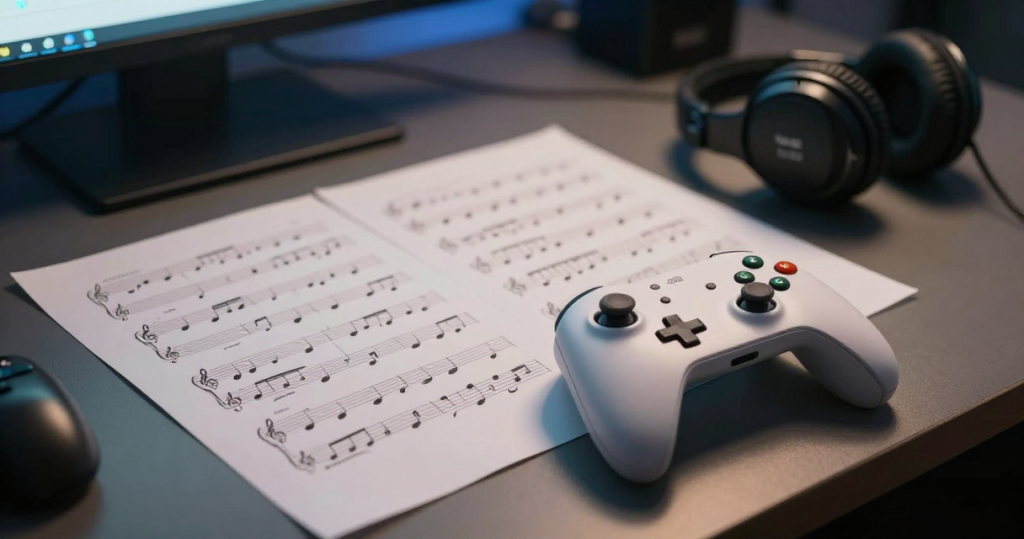
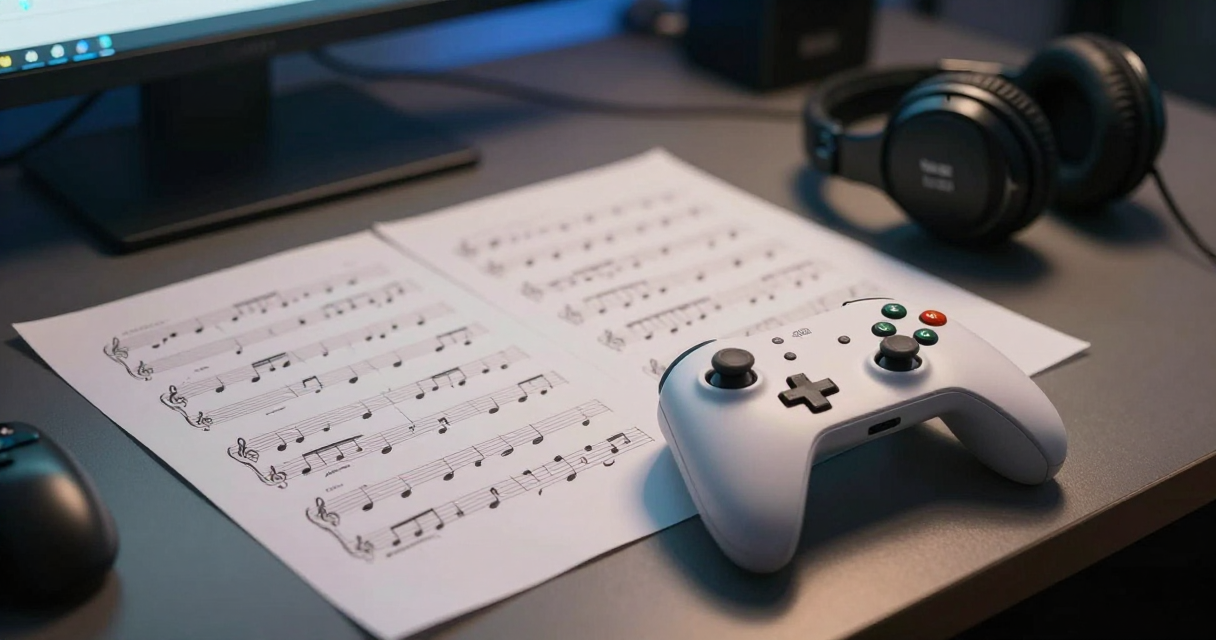
The intersection of copyright law and music in video games is a complex and evolving landscape that developers must navigate carefully. As the gaming industry continues to grow, the role of music has expanded beyond mere background ambiance to become a core component of the gaming experience. This article explores the intricacies of copyright issues surrounding music in games, highlighting key considerations for developers, the implications of licensing, and the potential for innovation within this space.
The Importance of Music in Video Games
Music in video games serves multiple functions, from setting the emotional tone to enhancing gameplay mechanics. Iconic soundtracks have become synonymous with popular titles, creating memorable experiences that resonate with players long after they have put down the controller. For instance, games like “Final Fantasy” and “The Legend of Zelda” feature scores that are as beloved as the gameplay itself. This emotional connection underscores the necessity for developers to choose their music wisely, as it can significantly affect player engagement and satisfaction.
Moreover, the rise of streaming platforms and social media has amplified the visibility of game soundtracks. Many players share their gaming experiences online, often accompanied by the music that enhances those moments. This trend has led to an increased demand for original compositions and licensed tracks, making it essential for developers to understand the implications of copyright when selecting music for their games.
Understanding Copyright Basics
Copyright law protects original works of authorship, including music, from unauthorized use. In the context of video games, this means that any music used must either be created by the developer, licensed from the copyright holder, or fall under public domain. The key aspects of copyright include the right to reproduce, distribute, and publicly perform the work. Violating these rights can lead to serious legal repercussions, including lawsuits and financial penalties.
For game developers, understanding these basic principles is vital. Using music without proper licensing can not only result in legal action but can also harm a game’s reputation. Developers must be diligent in ensuring that all music used in their projects complies with copyright law, which often involves negotiating contracts and understanding the intricacies of music rights.
Licensing Music for Video Games
Licensing music involves obtaining permission from the copyright holder to use their work in a game. This process can be complex, as it often requires negotiating terms and conditions regarding how the music will be used, the duration of the license, and the financial compensation involved. There are generally two types of licenses relevant to video games: synchronization licenses and master use licenses. A synchronization license allows the developer to sync the music with visual media, while a master use license grants the right to use a specific recording of the music.
Many developers choose to work with music libraries that offer pre-licensed tracks specifically for use in games. This option can simplify the licensing process, allowing developers to focus on creating their games without getting bogged down in legal complexities. However, using music from libraries often means that the music may be used in multiple projects, which can dilute its uniqueness in a game.
Challenges of Copyright Infringement
One of the most significant challenges developers face is the risk of copyright infringement. In recent years, high-profile cases have highlighted the potential fallout from using copyrighted music without permission. For example, the UK’s PRS for Music has taken legal action against platforms like Steam for allegedly infringing on music copyrights. Such actions serve as a stark reminder of the importance of adhering to copyright laws and the potential consequences of neglecting them.
Even seemingly innocuous uses of music can lead to legal challenges. Game developers must be aware that streaming their games on platforms like Twitch can also trigger copyright issues, as background music may not be licensed for this type of use. This has led to the rise of “DMCA strikes,” which can result in content removal or even account bans for streamers and developers alike. Understanding these nuances is crucial for developers to avoid costly legal battles and maintain a positive relationship with their audience.
The Role of Original Compositions
Creating original music for games has become increasingly popular among developers, allowing for greater creative control and a unique sound that enhances the gaming experience. Original compositions can help establish a game’s identity and foster a deeper connection with players. This approach also eliminates many copyright concerns associated with using pre-existing music, as developers own the rights to their original scores.
Collaborating with composers can enrich the development process. Many indie developers are now working with talented musicians to craft bespoke soundtracks that reflect their game’s themes and emotions. This collaboration can also lead to innovative gameplay mechanics, where music dynamically changes based on player actions, further immersing players in the experience. As the industry continues to evolve, the demand for original compositions is likely to grow, presenting new opportunities for both developers and musicians.
Exploring Public Domain and Creative Commons
For developers seeking to avoid the complexities of copyright, exploring public domain music and Creative Commons licenses can be a viable alternative. Public domain music is not protected by copyright, meaning it can be freely used without obtaining permission. Many classical compositions fall into this category, providing a wealth of options for developers looking to enhance their games without legal concerns.
Creative Commons licenses offer another avenue for accessing music legally. Artists who use these licenses allow others to use their work under specific conditions, which can range from requiring attribution to prohibiting commercial use. This flexibility can be advantageous for indie developers with limited budgets, enabling them to incorporate high-quality music into their projects while respecting the rights of the original creators. However, understanding the specific terms of each license is essential to ensure compliance.
The Future of Music Copyright in Gaming
The future of music copyright in gaming is likely to be shaped by technological advancements and changing consumer behaviors. As more games incorporate streaming elements and user-generated content, the need for clear copyright guidelines will become increasingly important. Game developers and musicians will need to collaborate more closely to create frameworks that protect the rights of all parties involved while fostering innovation in game design.
Additionally, the rise of artificial intelligence in music creation presents both challenges and opportunities. AI-generated music may complicate traditional notions of copyright, as determining authorship can become murky. As the industry adapts to these changes, ongoing dialogue between developers, musicians, and legal experts will be essential to navigate the evolving landscape of music copyright in gaming. This adaptation will ensure that both creativity and legal integrity thrive in the ever-expanding world of video games.

I’ve been playing video games since I was a kid, and that passion naturally led me to explore how they’re made. I love diving into game design concepts and sharing insights with fellow enthusiasts. When I’m not testing new titles, I’m tinkering with Unity and learning new programming tricks.