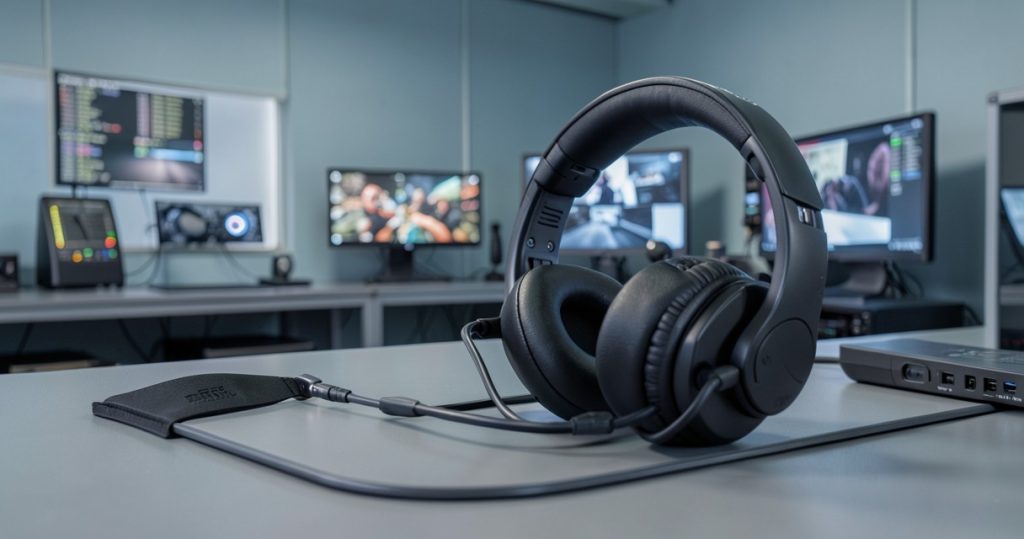
Evaluating audio quality in games is a multi‑layered process that blends technical measurement with player perception. Developers must balance the precision of digital signal analysis against the emotional impact of sound on gameplay. A well‑crafted audio pipeline can transform a simple platformer into a memorable experience, while poor sound design can break immersion even if graphics are flawless. This article walks through the most reliable methods for assessing audio fidelity, from objective benchmarks to real‑world listening tests, and highlights how headset hardware influences the final result.
Defining audio quality metrics for games
Before any testing begins, the team needs a clear set of metrics that reflect both technical fidelity and artistic intent. Common objective measures include frequency response range, total harmonic distortion, signal‑to‑noise ratio, and latency, each of which can be quantified with calibrated equipment. In parallel, subjective criteria such as clarity, spatial imaging, and emotional resonance are captured through player surveys and focus groups. By establishing these benchmarks early, studios can align engineers, sound designers, and QA testers around a shared language, reducing the risk of miscommunication later in production.
Frequency response is especially critical because most modern games span a wide sonic spectrum, from low rumbling explosions to high‑pitched laser blasts. A headset that reproduces 20 Hz to 20 kHz accurately will preserve the intended impact of these effects, while a narrower band can make action feel muted. Total harmonic distortion, measured in percent, indicates how cleanly a device reproduces the original signal; values below 0.5 % are generally considered transparent for gaming. Latency, expressed in milliseconds, becomes a decisive factor in fast‑paced shooters where audio cues must sync precisely with visual events.
Objective measurement tools and benchmarks
Professional audio engineers rely on software such as REW (Room EQ Wizard) and hardware like calibrated microphones to generate frequency sweeps and impulse responses. By feeding a test tone through the game’s audio engine and capturing the output on a reference headset, developers can plot the exact response curve and spot deviations from the target. These tools also allow the extraction of parameters like reverberation time and early‑reflection levels, which are essential for fine‑tuning environmental soundscapes.
In addition to in‑studio analysis, automated test suites can be integrated into continuous integration pipelines. Scripts that trigger specific sound events, record the output, and compare it against stored reference files using spectral similarity algorithms help catch regressions before they reach playtesters. Companies that have adopted such pipelines report a reduction in audio‑related bugs by up to 30 %, underscoring the value of systematic, repeatable measurements.
Subjective listening tests and player feedback
Objective data only tells part of the story; the ultimate judge of audio quality is the player. Structured listening sessions, where participants evaluate a set of predefined scenarios, reveal how well the sound design resonates with the target audience. Test groups typically sit in a controlled acoustic environment, using the same headset model that the majority of the player base will employ. Researchers record ratings for attributes like immersion, clarity, and fatigue, then analyze the results with statistical methods to identify outliers.
Feedback loops extend beyond formal labs. Early access programs and community forums provide a steady stream of informal comments that can highlight issues missed during internal testing. For instance, a recurring complaint about dialogue sounding “muffled” often points to a mismatch between the game’s mix levels and the default gain settings of popular headsets. By aggregating these insights, developers can adjust equalization curves or provide recommended audio presets, thereby improving the overall experience for a broader audience.
Role of headset hardware in perceived quality
Headset specifications directly shape how players perceive in‑game audio, making hardware awareness a vital component of evaluation. Modern wireless gaming headsets frequently tout features such as 7.1 virtual surround sound, high‑resolution drivers, and low‑latency Bluetooth codecs. While a 7.1 simulation can enhance positional cues, its effectiveness depends on the accuracy of the engine’s spatialization algorithm and the listener’s head‑related transfer function. In practice, developers should test their audio on a range of devices, from budget wired models to premium wireless units, to ensure consistent performance.
Battery life and wireless interference also play into perceived quality. A headset that switches to a lower‑quality codec to conserve power may introduce audible artifacts, breaking immersion during long sessions. Therefore, measuring real‑world latency under typical usage conditions, such as a 20‑minute gaming marathon, helps identify scenarios where the headset’s performance could degrade. Providing in‑game warnings or adaptive audio settings can mitigate these issues, preserving the intended sound experience.
Integrating audio middleware for consistent output
Middleware platforms like FMOD and Wwise offer built-in tools for managing audio assets, applying real‑time effects, and handling platform‑specific routing. These engines include profilers that visualize CPU usage, memory consumption, and channel count, allowing developers to balance quality against performance constraints. By configuring middleware to output a standardized mix format, typically 48 kHz, 24‑bit PCM, studios can guarantee that the same audio data reaches every supported headset without unintended conversion.
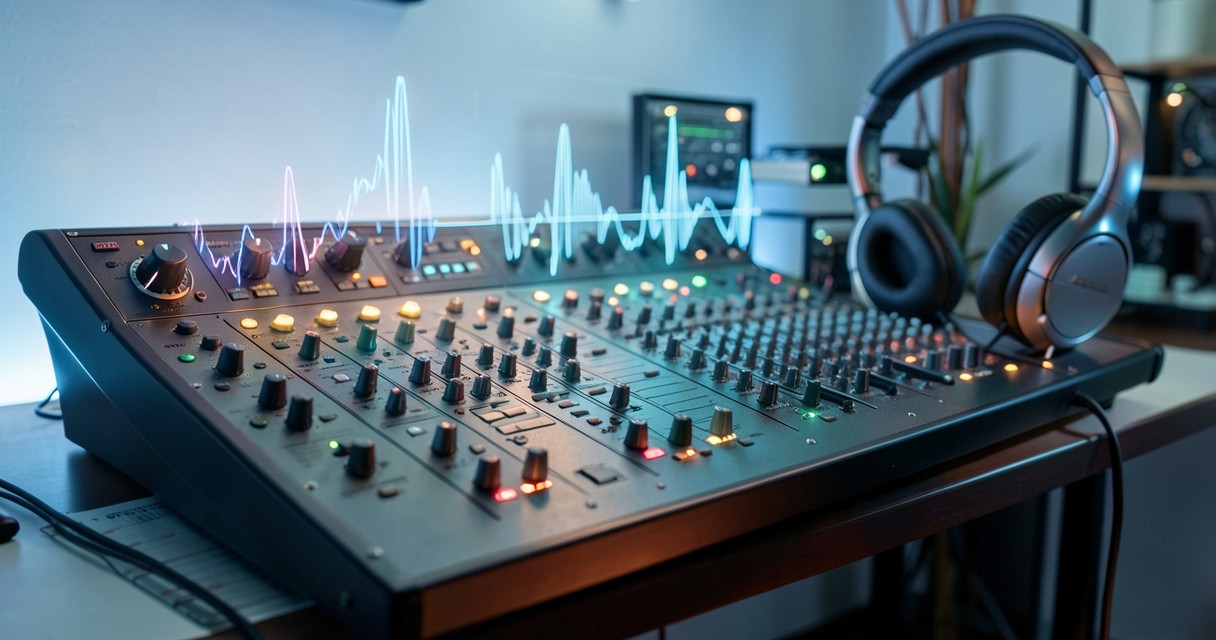
Advanced features such as dynamic mixing and adaptive reverberation can be scripted to respond to gameplay events, but they also introduce variability that must be monitored. Automated regression tests that compare the output of a scripted scene before and after changes help catch unintended shifts in loudness or spatial balance. When combined with the objective measurement tools described earlier, middleware profiling creates a comprehensive framework for maintaining audio fidelity throughout development cycles.
Practical workflow for iterative audio evaluation
A realistic evaluation pipeline blends the techniques discussed into a repeatable routine. At the start of each sprint, sound designers submit new assets to a staging branch where automated benchmarks run and generate a report highlighting any deviations from target metrics. The following day, QA engineers conduct a quick listening session using the primary headset model, noting any perceptual issues that the numbers might miss. Any flagged items are then prioritized for correction, ensuring that both technical and experiential standards are upheld.
Continuous communication with the community further refines the process. By publishing recommended audio settings and offering calibration tools within the game’s options menu, developers empower players to achieve the best possible sound on their own hardware. This collaborative approach not only improves the immediate perception of audio quality but also builds trust, as players see their feedback directly influencing the game’s sonic evolution.

I’ve been playing video games since I was a kid, and that passion naturally led me to explore how they’re made. I love diving into game design concepts and sharing insights with fellow enthusiasts. When I’m not testing new titles, I’m tinkering with Unity and learning new programming tricks.