Overview of Open Source Tools for Game Audio
In the world of game development, audio plays a crucial role in creating immersive and engaging experiences. Fortunately, developers and sound designers have access to a growing range of open source audio tools that make game audio production more accessible and flexible. These open source audio tools offer powerful capabilities without the cost barriers often associated with commercial software, making them an attractive choice for both indie developers and established studios alike.
Open source game audio software provides many benefits, including transparency, customization, and community-driven improvements. Because their source code is publicly available, these tools allow developers to modify and tailor the software to meet specific project needs. This flexibility is especially valuable in game audio, where unique sound design and interactive audio behaviors are often required. Additionally, free audio tools support collaborative workflows, enabling users to share plugins, scripts, and enhancements within vibrant user communities.
The availability of open source audio tools has significantly lowered the entry barrier for sound design in games. Beginners can experiment with professional-quality software without any financial investment, while experienced sound designers can leverage these tools for rapid prototyping and integration with other game development environments. Many open source projects also prioritize compatibility and interoperability, ensuring that their software works smoothly alongside popular digital audio workstations (DAWs) and game engines.
In summary, the ecosystem of open source audio tools offers a compelling alternative to commercial solutions for game audio. By embracing these free audio tools, developers gain access to adaptable and community-supported software that enhances creativity and efficiency in game sound creation. Whether you are crafting immersive soundscapes, interactive music systems, or intricate sound effects, open source game audio software provides the resources needed to bring your audio vision to life.
Why Choose Open Source for Game Audio
The benefits of open source tools in game audio development are numerous, making them an attractive choice for both indie developers and established studios. One of the most significant advantages is affordability. Unlike proprietary software that often comes with steep licensing fees, open source audio tools provide cost-effective audio solutions without compromising on quality. This allows game creators to allocate their budgets more efficiently, investing resources where they matter most.
Community support is another key benefit of embracing open source in game audio. A vibrant and engaged user base continuously contributes to software improvements, bug fixes, and valuable plugins, ensuring that tools evolve rapidly to meet the changing demands of game audio development. This collaborative environment also means that developers can access a wealth of shared knowledge, tutorials, and troubleshooting advice, speeding up the learning curve and fostering innovation.
Flexibility is often cited as a critical factor when choosing audio tools for game projects, and open source solutions excel in this regard. Because the source code is accessible, developers have the freedom to customize and adapt these tools to fit their unique workflows, integrate them with other software, or even contribute new features back to the community. This adaptability makes open source tools highly versatile, supporting a wide range of audio tasks from sound design to dynamic audio implementation.
In summary, the combination of cost-effectiveness, robust community support, and unparalleled flexibility positions open source tools as a powerful choice in game audio development. They empower creators to deliver immersive soundscapes without incurring excessive expenses or being constrained by rigid software limitations.
Top Open Source Tools for Game Audio Editing
When it comes to game audio editing, having the right audio editing tools is crucial for crafting immersive soundscapes and dynamic effects. Open source software offers a versatile and cost-effective solution for developers and sound designers who want powerful capabilities without the constraints of proprietary licenses. Below, we explore some of the best open source audio editing tools specifically suited for game audio editing.
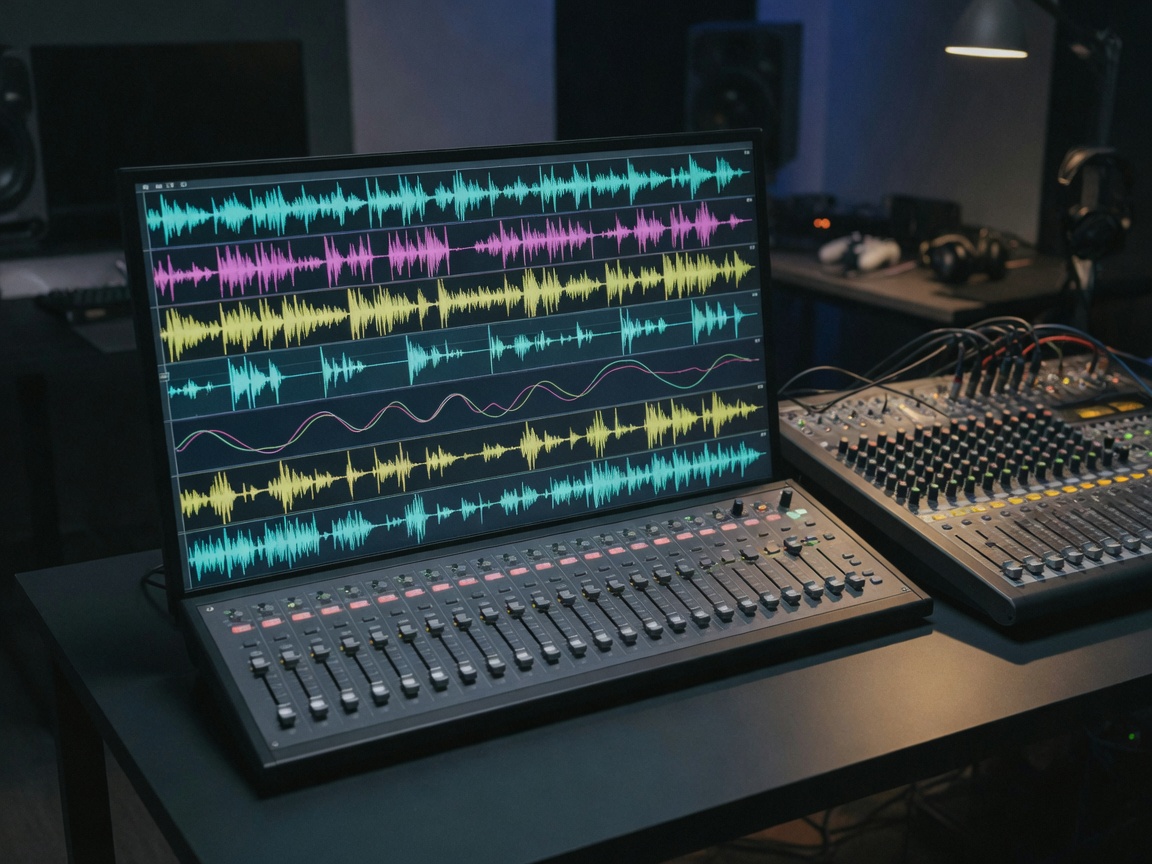
Audacity is one of the most popular open source software tools available for audio editing. Its user-friendly interface and robust feature set make it ideal for game audio editing projects of all sizes. Audacity supports multi-track editing, an extensive array of effects, and plug-in compatibility, making it perfect for designing and refining sound effects, voice recordings, and environmental audio required by game developers.
Ardour is a professional-grade digital audio workstation that excels in complex audio production workflows. This open source software provides multi-track recording, editing, and mixing capabilities, which are essential for game audio designers working on layered sound assets. Its support for MIDI and plugin standards allows seamless integration with synthesizers and audio effects commonly used in game sound design.
LMMS (Linux MultiMedia Studio) is another versatile open source tool, particularly focused on music creation and sound synthesis. Although primarily a digital audio workstation, LMMS’s support for MIDI sequencing and synthesizers makes it a valuable resource for game audio editing when creating custom background scores or sound effects. Its compatibility with various plug-in formats also helps expand its audio editing capabilities.
Ocenaudio presents a streamlined alternative for game audio designers who want fast and efficient audio editing without overwhelming complexity. This open source audio editor supports real-time effect previews, multi-selection editing, and a clean interface that helps accelerate sound effect creation and refinement, making it ideal for iterative game audio editing workflows.
Lastly, Helm is an open source synthesizer that complements audio editing tools by providing game developers with a powerful resource for sound design. While not an editor per se, Helm’s sound synthesis capabilities allow for the creation of unique audio elements that can then be integrated and refined using other audio editing tools.
By leveraging these leading open source software options, game audio editors can craft compelling soundscapes and bring their game worlds to life without compromising on quality or breaking budget. Whether you’re mixing intricate sound effects or composing original game music, these audio editing tools offer a strong foundation for every stage of game audio editing.
Audacity: A Popular Open Source Audio Editor
Audacity is one of the most widely used open source tools for audio editing, prized for its versatility and user-friendly interface. As a game audio tool, it excels in recording, editing, and processing sound files, making it an essential utility for game developers working with audio assets. Its cross-platform compatibility ensures that whether you’re on Windows, macOS, or Linux, Audacity remains a reliable choice for game audio tasks.
The software supports multi-track editing, allowing developers to layer sounds, voice-overs, and effects effortlessly. This capability is critical when designing immersive audio experiences within games, where balancing different audio elements can enhance gameplay. Audacity’s suite of built-in effects, including noise reduction, equalization, and compression, enables precise manipulation of game audio recordings to deliver clear and polished sound.
Another standout feature is its straightforward recording functionality, which can capture live audio from a microphone or mixer in real time, making it ideal for voice acting and sound effect creation in game projects. Additionally, its support for a wide range of audio file formats offers flexibility in importing and exporting files for integration into game engines.
Overall, Audacity’s combination of ease-of-use, powerful editing features, and open source availability makes it a top choice for developers seeking a cost-effective and dependable game audio tool. Its continuous updates and active community support further enhance its value in the game audio production workflow.
Ardour: Advanced Audio Workstation for Games
Ardour stands out as a powerful digital audio workstation (DAW) tailored to meet the intricate demands of game sound design. Its open-source nature allows game audio professionals to customize and extend its features, making it an ideal choice for interactive audio production workflows. Designed to handle complex multi-track recording and mixing sessions, Ardour provides game sound designers with the tools needed to craft immersive and dynamic audio environments.
One of Ardour’s key strengths lies in its support for unlimited audio and MIDI tracks, enabling detailed layering of sound effects, dialogue, and music essential in game audio production. Its robust routing capabilities let sound designers create advanced bus structures and sidechain setups, facilitating precise control over audio dynamics and spatial placement within game environments.
Ardour also offers non-destructive editing, extensive plugin compatibility, and automation lanes that allow for intricate manipulation of audio parameters over time. These features are crucial for implementing adaptive soundscapes that respond dynamically to gameplay. Furthermore, Ardour supports industry-standard formats and integrates seamlessly with other open source and commercial tools, streamlining the workflow for game developers.
With its professional-grade mixing console, real-time monitoring, and support for high-resolution audio, Ardour empowers game sound designers to produce polished soundtracks and effects that enhance player immersion. Whether capturing field recordings or fine-tuning interactive audio elements, Ardour’s advanced capabilities make it an indispensable DAW in the realm of game sound design.
Open Source Middleware for Game Audio Integration
Integrating sound effectively into games requires robust audio middleware that bridges the gap between game engines and game audio software. Open source integration tools have become increasingly popular in the game development community, providing developers with flexible and cost-effective solutions to manage audio assets, implement dynamic sound playback, and optimize performance.
One of the core benefits of open source audio middleware is the transparency and customization they offer. Unlike proprietary systems, these tools allow developers to dig into the source code, tailor functionalities, and better align the audio implementation with their project’s unique requirements. This approach empowers sound designers and programmers to collaborate seamlessly and push the boundaries of interactive audio experiences.
An exemplary open source game audio software is Godot’s AudioStreamPlayer, integrated into the Godot Engine, providing an accessible way to manage audio streams within games. While not middleware in the traditional sense, its extensibility and open architecture give developers the freedom to build custom audio behaviors without license restrictions.
More dedicated audio middleware offering open source solutions includes platforms like OpenAL Soft and FMOD Studio’s open components, which enable cross-platform 3D audio rendering and spatialization. These tools focus on providing a solid foundation for immersive sound environments, crucial for modern gaming experiences. OpenAL Soft, for example, is widely used for its real-time audio processing and support for multiple audio formats.
Another noteworthy project is Wwise Community Version, which, although not completely open source, offers extensive integration capabilities paired with open SDKs. Many developers leverage these to build custom plugins and bridge their game audio software with their game engines effectively, often contributing back to the community in the process.
Developers looking for specialized open source integration tools should also explore SDL_mixer, an extension of the Simple DirectMedia Layer (SDL) library. It simplifies the incorporation of sound effects, music, and mixing functionalities, making it an effective middleware choice for indie developers and smaller teams focused on open source frameworks.
Overall, the landscape of audio middleware and open source integration tools continues to grow, driven by community collaboration and the desire to create flexible, performant audio solutions. By leveraging these open source options, creators can develop immersive game audio that enhances gameplay and player engagement without the constraints often imposed by proprietary software.
Wwise Alternatives: Open Source Middleware Solutions
For developers seeking cost-effective and flexible options for game audio integration, several open source middleware solutions serve as excellent Wwise alternatives. These tools provide robust features without the steep licensing fees of proprietary software, making them ideal for indie studios and hobbyists alike.
One popular choice is FMOD Studio’s open source counterpart, OpenAL Soft, a cross-platform 3D audio API that supports spatial sound positioning and environmental effects. While not as feature-rich as Wwise, OpenAL Soft’s open source nature encourages community-driven improvements and customization that fit various game audio needs.
Another notable open source middleware is Godot Engine’s built-in audio system, which offers real-time audio mixing, effect processing, and positional audio tools. Although primarily a game engine, Godot’s audio capabilities make it a viable solution for projects focusing on integrated sound design without external middleware.
Additionally, SDL_mixer provides a simple and lightweight audio integration layer that supports multiple audio formats, perfect for developers looking to implement straightforward sound playback in their games. Its open source license encourages modification and expansion, fitting a range of game audio integration scenarios.
These open source middleware tools represent compelling Wwise alternatives by offering flexibility, community support, and affordability. Embracing them can empower developers to enhance their game audio integration workflows without sacrificing quality or breaking the budget.
Community and Resources for Open Source Game Audio Tools
The open source community plays a crucial role in the development and support of game audio tools. Developers and sound designers alike benefit from a network of passionate individuals who contribute code, share insights, and troubleshoot issues. Engaging with this community not only accelerates learning but also fosters collaboration on innovative audio software projects tailored specifically for game environments.
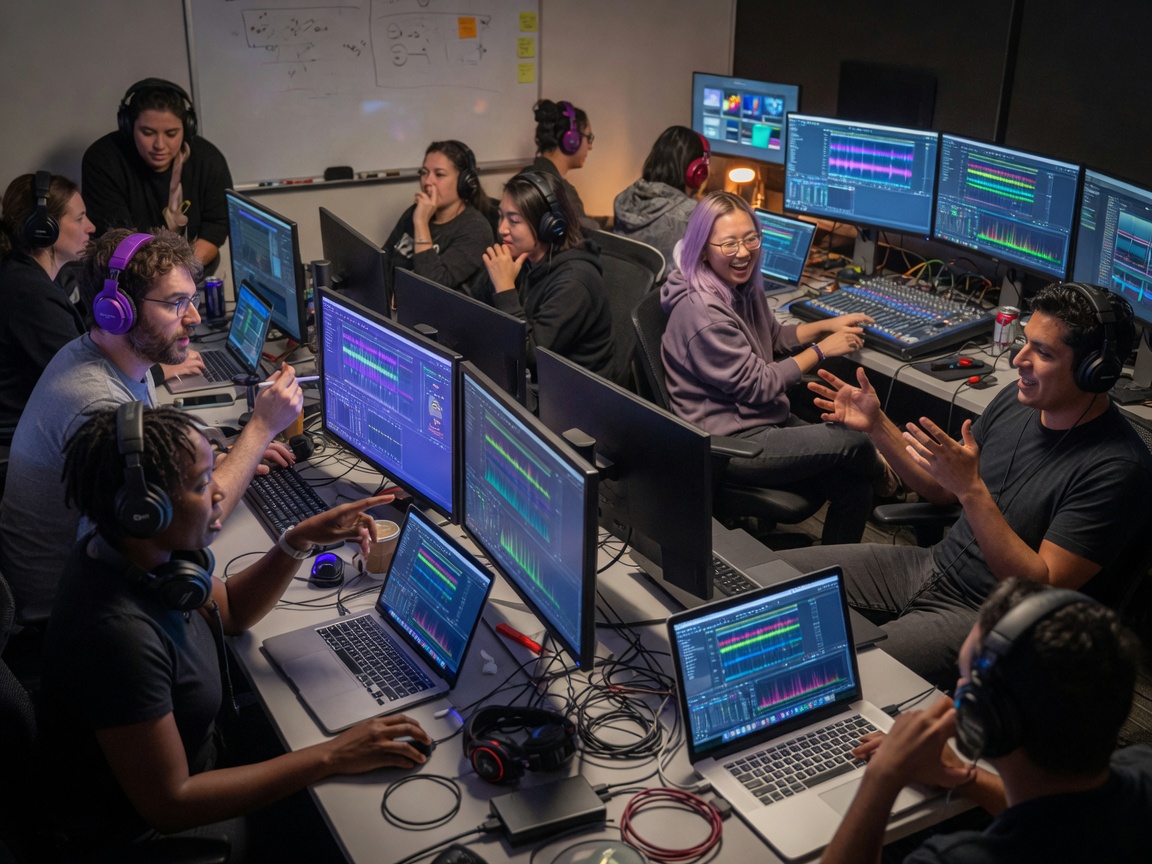
Game audio forums serve as essential hubs for exchanging knowledge, discussing challenges, and discovering new open source tools. Platforms such as the Game Audio Network Guild (GANG) forums, Reddit’s r/GameAudio, and dedicated Discord channels provide spaces where professionals and enthusiasts convene. Within these forums, users share tutorials, sample projects, and advice on integrating open source audio solutions into various game engines, reinforcing the community’s collective expertise.
Another key aspect of the ecosystem is audio software support, which is often strengthened by community-driven documentation and collaborative troubleshooting. Many open source projects maintain active repositories on platforms like GitHub, where users can report issues, request features, and contribute code improvements. This transparent development model ensures that audio software evolves in response to real-world needs and benefits from peer review.
Additionally, online resources such as blogs, video tutorials, and webinars hosted by experienced game audio professionals provide vital educational content. These materials often focus on practical applications of open source tools, showcasing workflows for sound design, implementation, and optimization within game projects. Such resources empower developers at all skill levels to harness the full potential of free and open source audio software.
For those seeking more interactive support, many open source game audio tools offer mailing lists, slack groups, or dedicated discussion boards. These channels facilitate direct communication with tool creators and experienced users, enabling prompt assistance and deeper technical discussions tailored to specific project needs. The vibrant involvement of the open source community ensures continuous improvement and a rich pool of shared knowledge.

I’ve been playing video games since I was a kid, and that passion naturally led me to explore how they’re made. I love diving into game design concepts and sharing insights with fellow enthusiasts. When I’m not testing new titles, I’m tinkering with Unity and learning new programming tricks.