In the realm of video game development, audio is often an overlooked aspect that can significantly influence the player’s experience. While graphics and gameplay mechanics receive considerable attention, sound design shapes the emotional and immersive qualities of a game. Community feedback on game audio has become increasingly vital as developers strive to create engaging environments that resonate with players. This article will explore the importance of community input on game audio, examining how it impacts game development, enhances player experiences, and fosters a deeper connection between creators and their audience.
The Role of Audio in Game Development
Audio design in video games serves multiple functions, from enhancing storytelling to establishing atmosphere. Sound effects, music, and voice acting contribute to the overall narrative and can evoke emotional responses from players. For instance, the haunting melodies in a horror game can amplify tension, while upbeat tracks in a platformer can create a sense of joy and excitement. Developers must carefully consider how audio complements visual elements and gameplay mechanics, making community feedback essential in fine-tuning these components.
As games become more complex, the need for high-quality audio grows. The integration of 3D sound technology allows developers to create immersive environments where players can hear sounds originating from different spatial locations. This level of detail requires constant input from the community to ensure that audio cues are not only realistic but also enhance gameplay. For example, players may provide feedback on whether certain sound effects accurately reflect their in-game experiences, leading to adjustments that improve overall immersion.
Community Feedback Channels
Developers utilize various channels to gather community feedback on audio, ranging from social media platforms to dedicated forums and beta testing events. These avenues provide players with opportunities to express their thoughts on audio quality, sound design, and music choices. For instance, many developers actively monitor platforms like Discord or Reddit, where players can voice their opinions and suggest improvements in real-time.
Additionally, surveys and polls can be effective tools for collecting structured feedback. Developers often distribute surveys to players after they have experienced a game, asking specific questions about audio elements. This data can reveal trends in player preferences, helping developers prioritize audio updates and enhancements. Engaging with the community through these channels not only fosters a sense of collaboration but also helps build a loyal player base invested in the game’s success.
Impact of Player Feedback on Audio Design
The impact of player feedback on audio design can be profound. Developers who actively listen to their community are more likely to create audio experiences that resonate with players. For example, in the development of “Battlefield 6,” player feedback highlighted issues with audio balance and sound effects, prompting developers to implement significant updates that improved the game’s overall audio quality. Such changes demonstrate how community input can lead to tangible improvements in the audio experience.
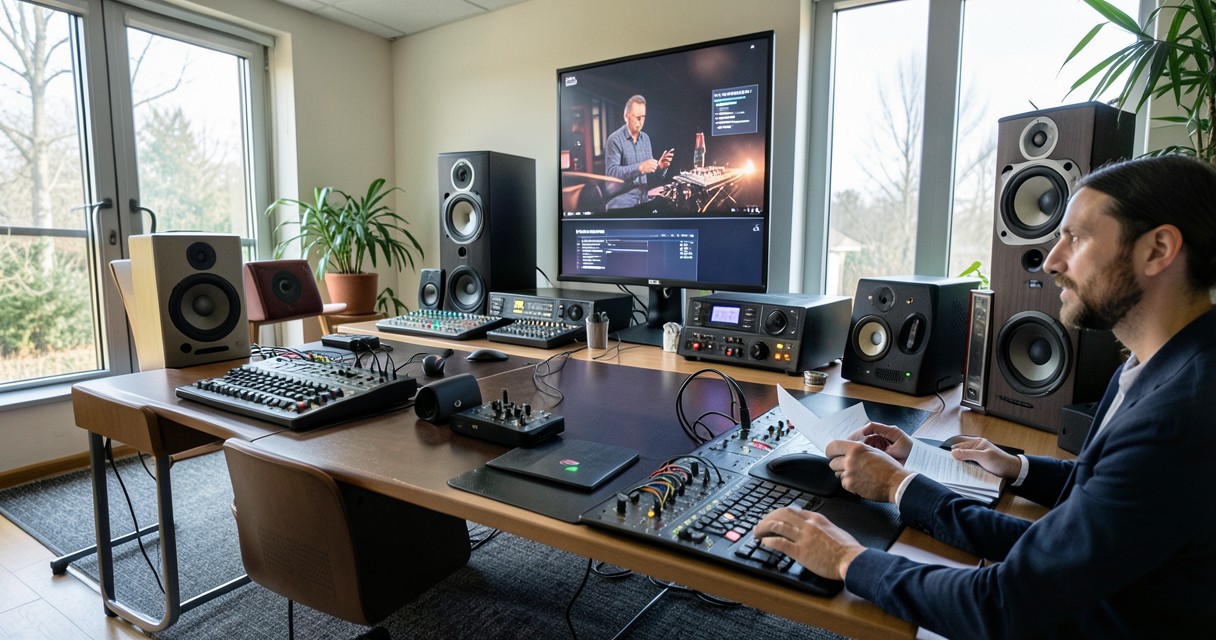
Moreover, player feedback can inspire creative audio solutions. When players express dissatisfaction with specific sound elements, it can lead developers to explore innovative sound design techniques. For instance, if players find certain sound effects repetitive or uninspiring, developers might experiment with different audio layers or collaborate with composers to introduce fresh music tracks. This iterative process ensures that audio remains dynamic and engaging, keeping players invested in the game.
The Emotional Connection Between Players and Audio
Audio plays a crucial role in establishing an emotional connection between players and the game world. Players often recall specific soundtracks or sound effects long after they have finished a game, highlighting the lasting impact of audio. For instance, games like “The Legend of Zelda” series are renowned for their memorable scores that evoke nostalgia and emotional resonance. Community feedback helps developers understand which audio elements create these connections and why.
Developers can use community insights to enhance emotional storytelling through audio. Feedback might reveal that players are particularly moved by a character’s theme or a pivotal moment’s sound design. By understanding these emotional triggers, developers can refine their audio approach, ensuring that it aligns with the game’s narrative and enhances the overall player experience. This connection not only encourages players to revisit the game but also fosters a sense of loyalty to the franchise.
Challenges in Gathering Audio Feedback
Despite the benefits of community feedback, gathering meaningful insights on audio can be challenging. Players may have varying preferences and opinions, making it difficult for developers to discern which feedback is most relevant. Additionally, not all players possess the technical knowledge to articulate their concerns about audio design effectively. This complexity requires developers to sift through feedback carefully, distinguishing between constructive criticism and subjective opinions.
Another challenge lies in the diverse range of gaming platforms and audio setups players use. A sound that works well on high-end audio systems may not translate effectively to standard speakers or headphones. Developers must take this variability into account when implementing changes based on community feedback. This often leads to extensive testing and iterations to ensure that audio enhancements are universally appreciated across different platforms and setups.
The Future of Audio in Gaming
The future of audio in gaming is bright, with advancements in technology paving the way for even more immersive experiences. Innovations such as spatial audio and adaptive soundtracks are becoming more commonplace, allowing developers to create dynamic audio environments that respond to player actions. Community feedback will continue to play a vital role in shaping these advancements, guiding developers in their quest to push the boundaries of audio design.
As the gaming community becomes more vocal about audio preferences, developers must remain adaptable and responsive. The rise of virtual reality and augmented reality gaming also presents unique challenges and opportunities for audio design. Players will expect a level of audio realism that matches the immersive visuals, making community feedback crucial in achieving this balance. Developers who prioritize player insights will likely lead the charge in creating groundbreaking audio experiences that redefine the gaming landscape.

I’ve been playing video games since I was a kid, and that passion naturally led me to explore how they’re made. I love diving into game design concepts and sharing insights with fellow enthusiasts. When I’m not testing new titles, I’m tinkering with Unity and learning new programming tricks.