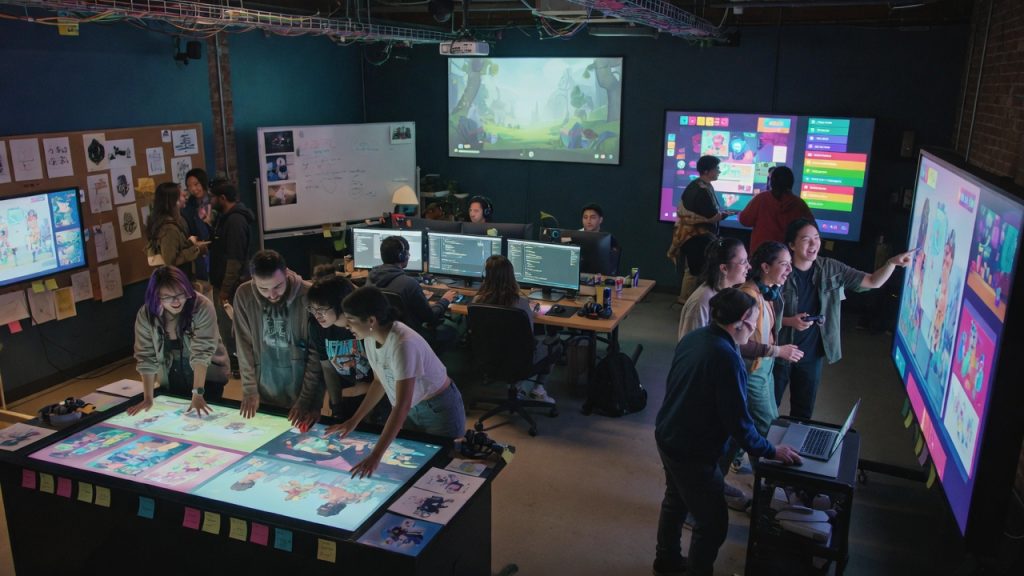
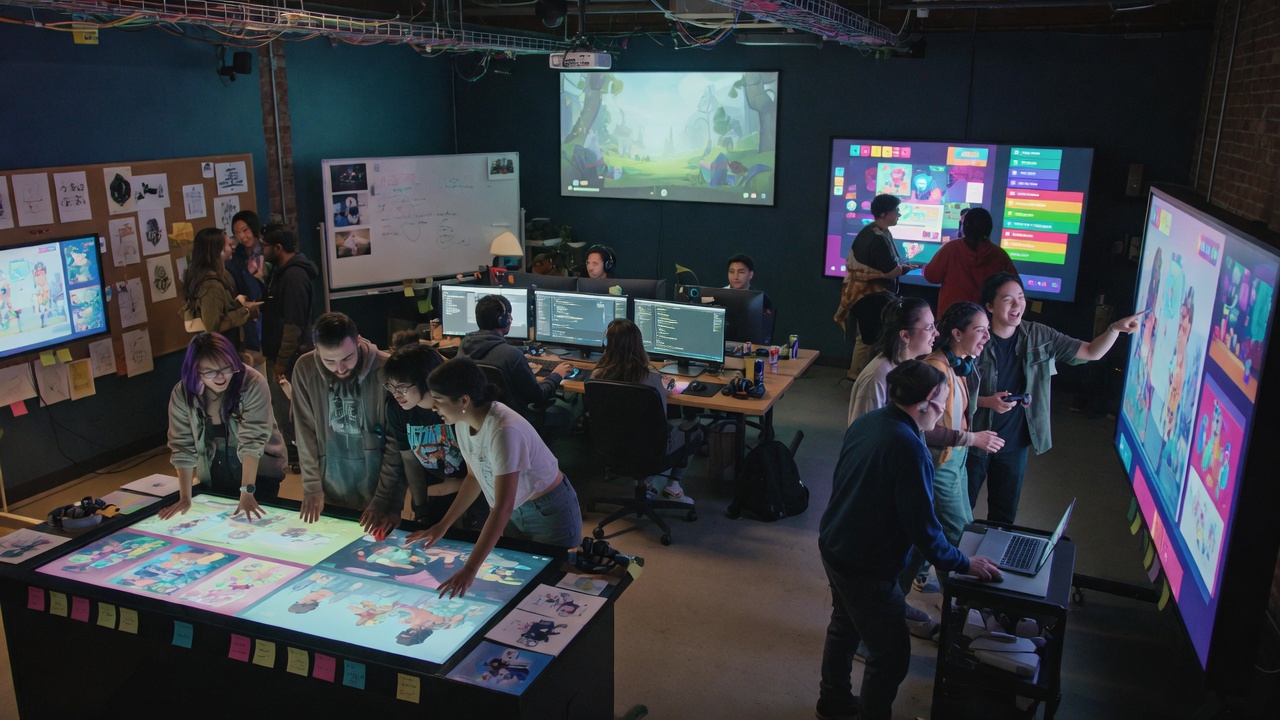
When developers engage with their community, they open channels for feedback, suggestions, and experimental concepts that might otherwise remain unexplored. Players contribute fresh insights into gameplay mechanics, storytelling elements, art styles, and interactive systems, fueling a dynamic creative process. The synergy between developers and community members sparks innovation that pushes boundaries and redefines traditional game design frameworks.
Moreover, the infusion of community ideas into development encourages a more inclusive and iterative approach to creativity. It empowers players to become co-creators, fostering a shared sense of ownership and enthusiasm. This collaborative spirit often results in breakthrough ideas that might not arise in isolated environments, ultimately driving the game towards a richer, more engaging experience.
In essence, community-driven game development transforms creativity and innovation into collective achievements. By weaving the community’s ideas into the fabric of game design, developers craft experiences that are not only innovative but also deeply connected to the players who inspire them.
Faster Problem Solving and Debugging
One of the standout advantages of community driven game development is the remarkable acceleration in bug fixing and issue resolution. When developers open their projects to the community, they tap into a vast pool of diverse perspectives and expertise. This collaborative debugging approach enables faster identification of problems that may have otherwise taken much longer to uncover internally.
Community support plays a crucial role in streamlining the debugging process. Players and contributors actively report bugs, share detailed feedback, and even suggest potential solutions. This continuous loop of communication creates an environment where issues are promptly flagged and addressed. The real-time nature of this engagement allows development teams to prioritize fixes based on both severity and frequency reported by the community.
Furthermore, collaborative debugging encourages knowledge sharing among community members and developers. Often, users with technical insights help isolate root causes or provide workarounds that reduce the impact while permanent fixes are developed. This active involvement not only speeds up bug fixing but also fosters a sense of shared ownership over the product’s quality, resulting in a more polished and stable game.
In summary, leveraging community feedback significantly shortens the time it takes to detect and resolve issues. The combination of broad community support and collaborative debugging efforts creates a dynamic and effective problem-solving ecosystem that benefits both developers and players alike.
Effective Strategies to Engage the Gaming Community
Building a thriving gaming community requires intentional community engagement that encourages players and fans to actively participate in the development process. One of the most effective ways to foster this involvement is by creating robust feedback systems. These systems allow players to share their thoughts, report bugs, and suggest new features, making them feel valued and heard. Whether through in-game surveys, dedicated forums, or social media channels, a well-structured feedback system is essential for capturing the pulse of the community and ensuring the game evolves in alignment with player expectations.
Another key strategy to maintain player interest and build lasting loyalty is consistent and transparent player communication. Keeping players informed about updates, development milestones, and changes not only builds trust but also invites ongoing dialogue. Developers who actively respond to questions and acknowledge community input demonstrate genuine care for their player base, which strengthens engagement. Utilizing platforms like Discord or Reddit for direct interaction encourages real-time conversations that can spark new ideas and invigorate the community.
To deepen community engagement, it’s important to implement interactive events and challenges that bring players together. Competitions, live streams, and AMA (Ask Me Anything) sessions offer opportunities for fans to connect with developers and each other, fostering camaraderie and excitement around the project. These events can also serve as informal feedback channels where developers observe player reactions and preferences in a dynamic setting.
Finally, acknowledging and rewarding community contributions further enhances engagement. Highlighting player content such as fan art, mods, or gameplay videos, and providing incentives like exclusive in-game items or early access, makes the community feel appreciated and motivated to continue participating. This cycle of feedback, communication, and recognition creates a collaborative environment where players become active partners in the game’s success.
Utilizing Forums and Social Media
Forums and social media play a pivotal role in community driven game development, providing direct channels for developers to engage with players. By participating in gaming discussions on popular forums, developers can gather valuable insights and ideas that resonate with the community. These platforms foster open communication, allowing players to share their thoughts on gameplay mechanics, story elements, and overall user experience.
Social media platforms such as Twitter, Reddit, Discord, and Facebook offer real-time feedback opportunities. Developers can create dedicated pages or groups centered around their game, encouraging fans to post suggestions, report bugs, and discuss upcoming features. Monitoring these interactions helps identify common themes and preferences that can guide development priorities.
Engaging consistently in gaming discussions across various forums and social sites not only builds a loyal player base but also nurtures a sense of ownership among community members. This dynamic exchange cultivates innovation and ensures the game evolves in ways that align with player expectations. Ultimately, leveraging forums and social media harnesses the collective creativity and expertise of the gaming community to enhance development outcomes.
Incorporating Player Feedback into Development
Incorporating player feedback is a crucial pillar of community driven game development. Developers who embrace community input can create more engaging and enjoyable experiences by aligning the game’s evolution with player expectations and desires. By actively listening to the community, teams can identify areas for improvement and new features that resonate with their audience.
One of the most effective methods to integrate player feedback is through iterative design. This approach involves releasing playable builds or updates in stages, collecting community input at each step, and refining the product accordingly. As a result, developers can make incremental improvements that reflect real user experiences rather than assumptions, reducing the risk of costly missteps.
To maximize the value of community input, it’s important to establish clear channels for communication, whether through forums, social media, or in-game feedback tools. Transparency about how suggestions are evaluated helps build trust and motivates players to contribute thoughtful insights. Additionally, prioritizing feedback based on feasibility and impact ensures that development resources are focused on changes that enhance player satisfaction.
Ultimately, integrating player feedback through an iterative design process fosters a collaborative atmosphere where both developers and the community feel invested in the game’s success. This synergy not only drives innovation but also cultivates a loyal player base eager to support the game’s ongoing development.
Challenges in Community Driven Game Development
Community driven game development offers an innovative approach to creating games by involving players and fans directly in the development process. However, this approach comes with its own set of development challenges that teams must be prepared to address. From managing diverse input to handling disagreements, the complexities of community involvement require careful planning and effective strategies.
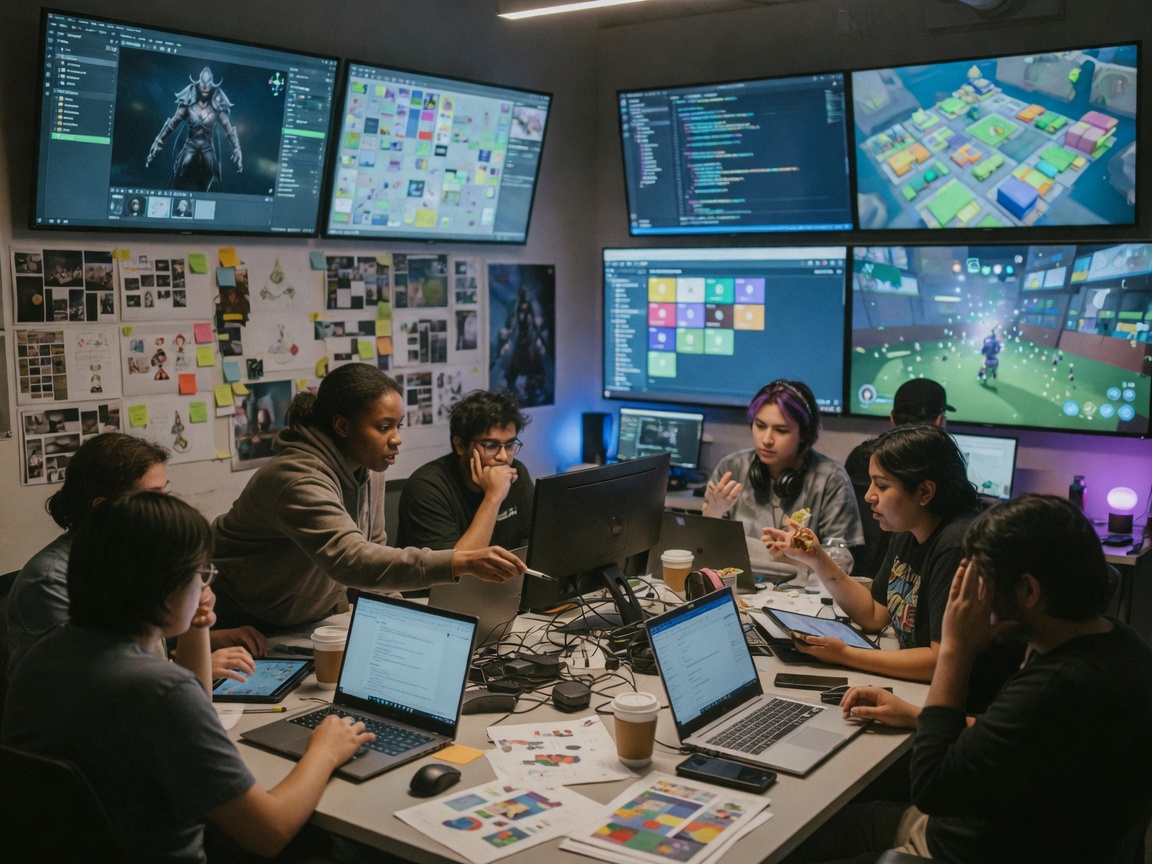
One of the primary development challenges in community driven projects is balancing creative vision with the vast array of community feedback. While community input is valuable, it can sometimes be overwhelming or conflicting. Developers must identify which suggestions align with the core goals of the game and which may detract from the overall quality or vision. Establishing clear guidelines on how feedback will be evaluated helps maintain focus and direction throughout development.
Effective community management is vital to the success of these projects. It involves not only gathering feedback but also fostering a positive and engaged community environment. Community managers play a key role in moderating discussions, setting expectations, and maintaining transparent communication channels. This transparency builds trust and encourages constructive participation, which ultimately benefits both the developers and players.
Conflict resolution is another important aspect that arises during community driven game development. Differing opinions among community members or between developers and the community can lead to disagreements or tension. Addressing these conflicts promptly and diplomatically reduces the risk of escalation. Employing conflict resolution strategies such as mediation, clear communication of decisions, and highlighting shared goals helps to create a collaborative atmosphere rather than a divisive one.
In summary, while development challenges such as balancing feedback, managing a diverse community, and resolving conflicts are inherent in community driven game development, they can be effectively addressed through strong community management practices. By fostering open communication, clear guidelines, and respectful dialogue, teams can harness the power of the community to create unique and engaging gaming experiences.
Introduction to Community Driven Game Development
Community driven game development is an evolving approach in the world of game creation that places players and fans at the heart of the development process. Unlike traditional methods where a small team of developers controls the entire lifecycle, this collaborative gaming model encourages active participation from the gaming community, enabling them to contribute ideas, feedback, content, and even code. This democratized process not only enriches the creative input but also fosters a stronger connection between developers and players.
At its core, community driven game development transforms the gaming experience into a shared journey. Players become partners rather than mere consumers, empowering them to influence game mechanics, storyline, art style, and feature sets. This collaboration cultivates a sense of ownership within the community, often leading to increased loyalty and enthusiasm. Developers benefit by gaining valuable insights directly from their target audience, which helps refine the game into something that resonates deeply with players.
One of the most significant benefits of a community driven approach in game development is transparency. Open communication channels and regular updates create trust and keep the community informed about progress, challenges, and future plans. This transparency reduces speculation and disappointment, while fostering a positive environment where feedback is respected and implemented when feasible. Additionally, community members often contribute innovative ideas and solutions that the development team might not have considered, accelerating creativity and problem-solving.
Collaborative gaming projects also often lead to diverse and inclusive gaming experiences. Because the community itself is so varied, involving people with different backgrounds and perspectives, the resulting games tend to be richer and more culturally aware. This inclusive spirit not only broadens the appeal of the games but also nurtures a welcoming environment where everyone feels valued and heard.
In summary, community driven game development redefines how games are made by creating a partnership between developers and players. This model not only improves the quality and relevance of games but also builds a vibrant and engaged community. Through collaborative gaming efforts, the industry continues to push boundaries and deliver experiences that are truly shaped by those who love to play.
Key Advantages of Community Involvement
Community involvement plays a pivotal role in the success of game development by fostering a collaborative environment where developers and players work hand in hand. One of the most significant community benefits is the direct access to invaluable game feedback. Players who actively participate provide insights about gameplay mechanics, story elements, bugs, and balancing issues, allowing developers to address problems early and refine the game’s overall quality. This continuous cycle of feedback ensures that the game evolves in ways that truly resonate with its audience.

Moreover, involving the community enhances user engagement by creating a sense of ownership and connection among players. When users feel their opinions and contributions matter, they become more invested in the game’s development and success. This deeper engagement encourages a loyal fanbase that not only plays the game but also promotes it through word of mouth, social media, and forums. As a result, the game benefits from organic growth and sustained interest.
Another key advantage lies in the diversity of perspectives that a vibrant community brings. Different players highlight various aspects of the game, from accessibility to difficulty levels, allowing developers to cater to a broader audience. This inclusivity not only improves player satisfaction but also helps create a more balanced and enjoyable gaming experience. Community-driven insights often inspire innovative features and content that developers might not have conceived otherwise.
Finally, consistent community involvement fosters transparency and trust between developers and players. When the development process is open to public input and communication, players feel valued and respected, leading to higher retention rates and positive reception. This trust builds a strong foundation for future projects, turning casual players into passionate advocates and contributors.
Enhanced Creativity and Innovation
Community-driven game development thrives on the diverse perspectives and passions of its player base, fostering an environment where creativity flourishes like never before. By actively incorporating community ideas, developers tap into a wellspring of inspiration that leads to unique and imaginative game features. This collaborative approach not only broadens the scope of innovation but also ensures that the game continually evolves in ways that resonate deeply with its audience.

I’ve been playing video games since I was a kid, and that passion naturally led me to explore how they’re made. I love diving into game design concepts and sharing insights with fellow enthusiasts. When I’m not testing new titles, I’m tinkering with Unity and learning new programming tricks.