

The way a game world unfolds can make or break an RPG experience. Whether it’s the sprawling, living ecosystems of The Witcher 3 or the meticulously crafted hubs of Elden Ring, award-winning designers don’t just build spaces, they craft immersive narratives that feel alive. The best game worlds don’t just exist; they respond, shaping player choices and rewarding exploration without feeling like a chore. These secrets aren’t about flashy graphics or bloated open areas; they’re about intentional design that balances depth, player agency, and emotional resonance. Below, we dissect the core techniques used by industry leaders to create game worlds that players remember long after the credits roll.
Balancing Breadth and Depth: How Open Worlds Avoid Feeling Empty
The most praised game worlds, like The Legend of Zelda: Breath of the Wild or Red Dead Redemption 2, master the art of giving players vast spaces without overwhelming them. The key lies in strategic density: rather than dumping content everywhere, designers cluster meaningful interactions in “hotspots” where players naturally linger. In Breath of the Wild, the Hyrule Field isn’t just a flat plane; it’s a series of interconnected zones with unique challenges, NPCs, and environmental puzzles. This approach ensures players never feel lost, even in a 100-square-mile map. Conversely, worlds like Assassin’s Creed Odyssey spread content too thinly, making exploration feel like a grind. The lesson? Prioritize vertical depth over horizontal sprawl, players engage more with layered experiences than with endless walking.
Another tactic is progressive revelation. Games like Elden Ring introduce players to a small, tightly scripted area before gradually expanding the world, giving them time to absorb each new region’s tone and mechanics. This mirrors how real-world exploration works: you don’t immediately understand a foreign city, but you learn its rhythms over time. The opposite happens in games like Far Cry 6, where the world is dumped all at once, leaving players disoriented. The best designers use scaffolding, small, memorable moments that anchor players before they’re overwhelmed by scale.
Player Agency vs. Scripted Paths: When to Guide, When to Let Go
Some of the most beloved game worlds, like Disco Elysium, thrive on player freedom, but not at the cost of coherence. The difference between a world that feels open and one that is open comes down to intentional constraints. In Disco Elysium, the player’s choices directly alter the narrative, but the world’s structure remains tight, with clear arcs for each character’s story. This prevents the “empty open world” syndrome where players wander aimlessly. Meanwhile, games like The Elder Scrolls V: Skyrim succeed because they let players define their own goals, but they still provide meaningful objectives, whether through quests, faction systems, or emergent gameplay. The trick is to offer multiple valid paths without making the world feel like a maze.
On the other end of the spectrum, games like Death Stranding or Outer Wilds use environmental storytelling to guide players without traditional quest markers. In Outer Wilds, the world’s design itself tells the player what to explore next, rewarding curiosity over rigid progression. This approach works because it assumes the player is engaged, not lost. The downside? It can alienate players who prefer clear direction. The best worlds, like Hollow Knight, strike a balance: they offer hints through environmental clues while still allowing players to approach challenges their own way. The key is to trust the player, but not blindly.
The Role of NPCs: From Static Characters to Living Systems
A game world’s atmosphere is often defined by its inhabitants, but most RPGs treat NPCs as either static cutscenes or forgettable side characters. Award-winning designers, however, treat NPCs as *dynamic elements* that react to the player’s actions. In Red Dead Redemption 2, every minor character has their own routines, memories, and reactions to the player’s deeds, whether it’s a bartender remembering a past encounter or a child asking about the outlaw’s reputation. This level of detail makes the world feel alive, even in moments of quiet. Comparatively, games like Mass Effect rely on scripted dialogue trees, which can make NPCs feel like puppets. The difference is agency: NPCs should have their own goals, not just serve the player’s narrative.
To dive deeper into this topic, watch this video from Design Doc where they explain what makes a great RPG town right here.
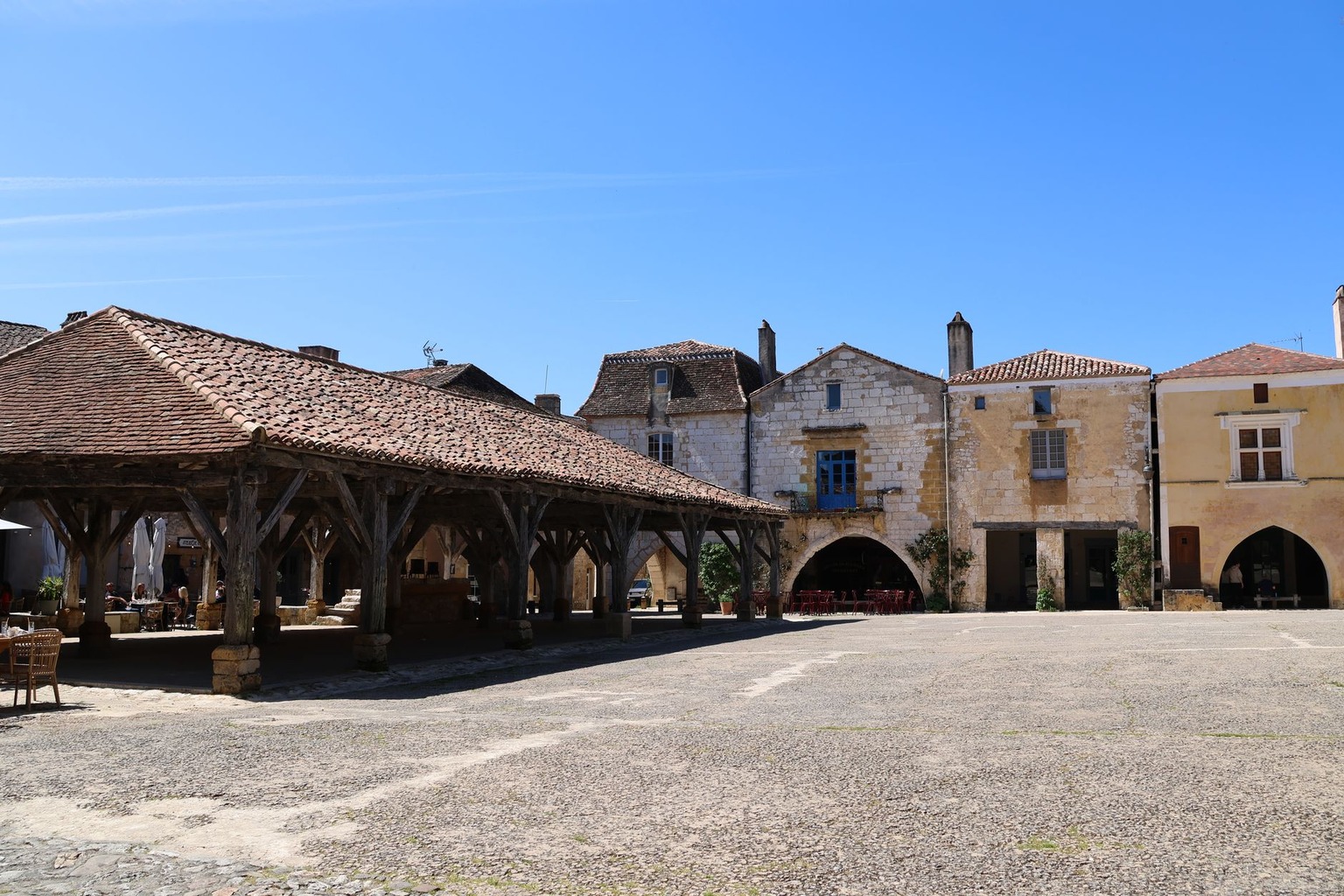
Another technique is emotional resonance through small details. In The Last of Us Part II, Joel’s interactions with NPCs are brutal and personal, making the world feel like a character itself. The contrast with Horizon Zero Dawn is striking, while Aloy’s world is visually stunning, its NPCs often feel like placeholders. The lesson? NPCs shouldn’t just exist in the world; they should shape it. This means giving them personal stakes, whether through memory systems (Red Dead Redemption 2), moral consequences (Disco Elysium), or even just subtle reactions (The Witcher 3). A world where NPCs remember you is a world that feels real.
Environmental Storytelling: How the World Speaks Before the Player Does
The best game worlds don’t rely on exposition dumps or hand-holding; they tell their stories through environmental cues. Games like Dark Souls and *Bloodborne* use architecture, lighting, and even sound design to convey lore without a single line of dialogue. A ruined cathedral in Dark Souls doesn’t need a sign to tell you it’s haunted, its crumbling pillars, flickering torches, and distant whispers do the work. This approach makes the world feel organic, not like a set piece. Conversely, games like Assassin’s Creed often rely on on-screen text or cutscenes to explain their worlds, which can break immersion. The key is to *let the player discover*, but not too slowly. A well-designed world gives hints without spelling everything out.
Another layer is procedural storytelling. Games like No Man’s Sky (in its later iterations) and The Elder Scrolls Online use dynamic events and NPC behaviors to create emergent narratives. A random encounter in No Man’s Sky can turn into a full-blown adventure if the player engages, making the world feel unpredictable. This contrasts with static worlds like Skyrim, where most interactions are pre-scripted. The balance is tricky: too much randomness can feel chaotic, while too much predictability makes the world feel dead. The best worlds, like Elden Ring, use procedural generation for content (like enemy spawns) while keeping core mechanics and storytelling tightly controlled.
Pacing and Reward Structures: Why Players Keep Exploring
The biggest complaint about open-world games is that they feel empty, but the real issue is often pacing. Games like The Legend of Zelda: Breath of the Wild solve this by making exploration rewarding at every scale, whether it’s finding a hidden shrine, solving an environmental puzzle, or simply admiring a breathtaking view. The world doesn’t just exist; it engages. In contrast, games like Far Cry 5 dump content without clear rewards, making exploration feel like a chore. The solution? Layered rewards: big goals (like defeating a boss) should be balanced with small, frequent payoffs (like discovering a secret or helping an NPC). This keeps players engaged without overwhelming them.

Another critical factor is player momentum. Games like Red Dead Redemption 2 use progressive difficulty to keep players hooked, early missions are manageable, but as the world expands, so do the challenges. This mirrors how real-world exploration works: the first few steps are easy, but the deeper you go, the more the world demands of you. The opposite happens in games like Assassin’s Creed, where the world is massive but the content feels repetitive. The best worlds, like Elden Ring, use dynamic difficulty to adjust challenges based on player skill, ensuring that exploration never feels like a grind. The result? A world that grows with the player.
Technical Constraints vs. Creative Freedom: What Limits Work Best
Not all game worlds are created equal in terms of technical limitations. Games like Cyberpunk 2077 (in its current form) suffer from performance constraints that force developers to simplify environments, leading to repetitive textures and empty spaces. Meanwhile, games like Elden Ring optimize their worlds aggressively, using procedural generation for assets like foliage and enemy spawns to keep load times low. The lesson? Constraints can be creative tools, if used intentionally. For example, No Man’s Sky’s early version was criticized for its repetitive assets, but later updates used procedural generation to create a sense of endless variety. The key is to make constraints work for the story, not against it.
Another technical consideration is memory management. Games like The Witcher 3 use streaming to load only what’s needed, ensuring smooth performance even in vast worlds. This is in contrast to games like Horizon Zero Dawn, which sometimes suffer from laggy load times due to over-ambitious asset loading. The best approach is to prioritize player experience, if the world feels sluggish, no amount of content will save it. Even The Legend of Zelda: Breath of the Wild, with its massive open areas, uses smart streaming to keep performance smooth. The takeaway? Technical limitations shouldn’t dictate design, they should inform it.

I’ve been playing video games since I was a kid, and that passion naturally led me to explore how they’re made. I love diving into game design concepts and sharing insights with fellow enthusiasts. When I’m not testing new titles, I’m tinkering with Unity and learning new programming tricks.